What is Zoom Meeting Blue?
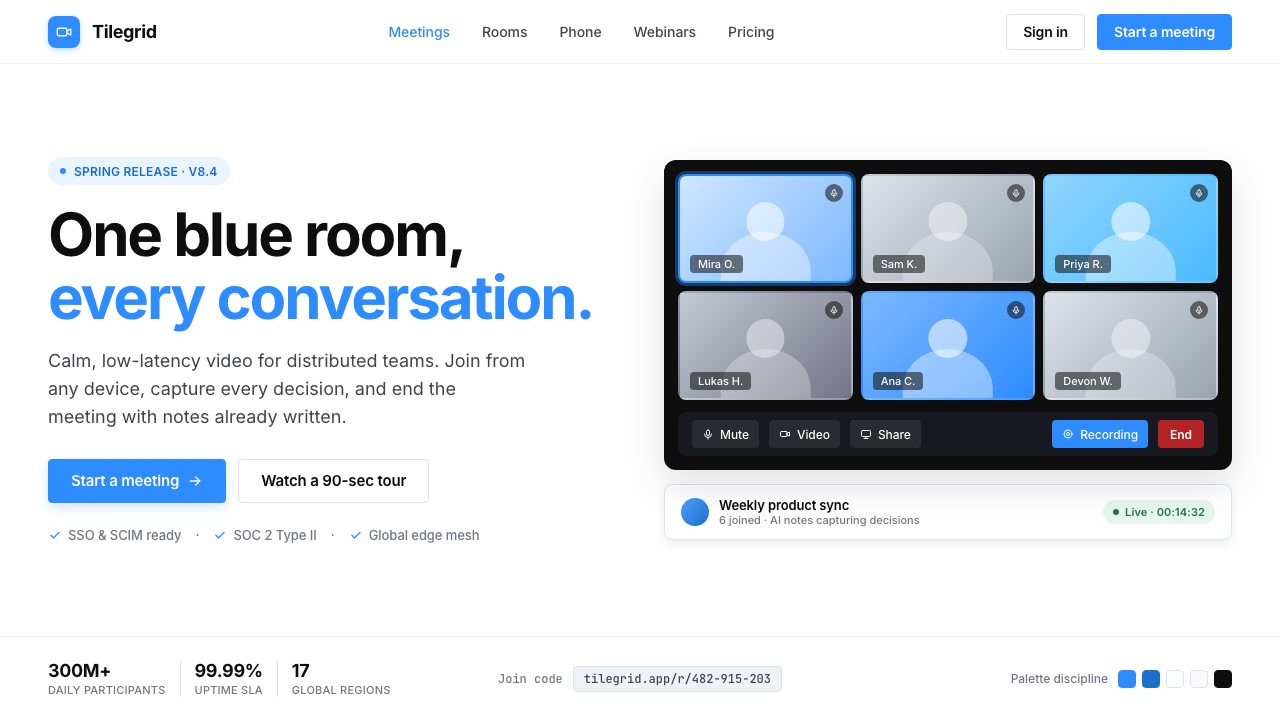
Zoom Meeting Blue turned a single saturated cobalt into the universal visual shorthand for remote work — and in doing so, quietly set a new standard for enterprise-friendly digital design.
Zoom Meeting Blue in brief
Zoom Meeting Blue is the visual identity system of Zoom Video Communications — the platform that, during the global pandemic of 2020, became the default venue for work, school, medicine, and social life for hundreds of millions of people simultaneously. At the center of that system is a single dominant hue: a saturated, luminous electric cobalt that reads instantly on any screen at any size. Paired with pure white backgrounds, deep slate-grey type, and the iconic white video-camera silhouette set inside a blue rounded square, the palette is spare, confident, and globally legible without translation.
The style is best understood as disciplined enterprise modernism. It borrows from the long tradition of tech-company sans-serif minimalism but adds a specific warmth through its choice of blue — not the cold navy of legacy banking, not the pale cyan of social media, but a fully saturated mid-range cobalt that feels simultaneously professional and approachable. White space is generous; rounded corners on interactive elements soften the interface without surrendering authority; shadows are restrained to the point of near-absence. The overall effect is a system that communicates 'this works' before a user reads a single word.
What distinguishes Zoom Meeting Blue from other enterprise palettes is its singular focus. Many tech platforms hedge with a family of supporting tints and accent colors. Zoom commits to one. That discipline — one dominant color, one clear background, one type texture — is what makes the brand instantly recognizable even as a thumbnail or favicon, and what made it so effectively sticky during the years when the platform's name became a verb.

Where does Zoom Meeting Blue come from?
Zoom Video Communications was founded in 2011 by Eric Yuan, a former Cisco WebEx engineer who had grown frustrated with the complexity and unreliability of existing video-conferencing tools. Yuan, who had emigrated from China to the United States in 1997, spent years at Cisco before deciding that the market needed a product built from the ground up for ease of use rather than enterprise feature density. The company launched its first product in 2013, went public on the Nasdaq in April 2019, and within months of listing had begun to attract serious attention as a genuinely simpler alternative to entrenched competitors like WebEx, Skype, and Microsoft Lync.
The platform's visual identity prior to 2020 was functional but unremarkable — a competent enterprise software look in line with the conventions of its era. The pandemic changed everything. Between January and April 2020, daily meeting participants on Zoom grew from roughly ten million to over three hundred million. The platform was suddenly not just a business tool but a cultural institution, and its visual language — that cobalt blue, those rounded tiles of faces in a grid — became among the most-recognized imagery of the entire pandemic period. The in-house brand team's subsequent visual refresh, which sharpened and codified what had been a looser system, represented one of the most consequential corporate design moments of the early 2020s.
The choice of an electric, fully saturated cobalt as the brand's anchor was neither arbitrary nor accidental. Blue has long been the dominant hue of enterprise and institutional trust — from IBM's canonical 'Big Blue' to the blues of PayPal, Facebook, and LinkedIn — but the specific shade Zoom settled on is warmer and more energetic than the muted corporate blues that preceded it. It reads clearly on screens across the full range of display technologies, from a dim laptop in a home office to a bright conference room monitor, which was a practical consideration given that the platform needed to function identically across wildly varying lighting conditions.
The rounded square containing the camera icon — a form now as recognizable as any major technology logo — reflects a broader shift in interface design that Zoom's identity both absorbed and helped accelerate. The move away from hard corners toward soft radii in digital product design began in earnest in the mid-2010s with iOS and Material Design, and Zoom's application of that principle to its mark gave the brand a distinctly contemporary feel without sacrificing the solidity that enterprise customers expected. By the time the pandemic made the platform ubiquitous, the rounded square had already begun to feel like the natural container shape for all things digital and communicative.
What defines the Zoom Meeting Blue look?
Color Discipline
The system is built around a single dominant hue — a saturated, luminous electric cobalt — used consistently across all brand surfaces: buttons, icons, illustrations, and marketing imagery. Secondary surfaces rely on pure white and a deep, near-neutral slate for body text. No competing accent colors dilute the primary; when additional tones appear, they are desaturated tints of the same blue family used for hover states or background washes, never independent hues vying for attention.
Rounded Corner Vocabulary
Rounded corners appear consistently across every interactive and structural element: the brand mark, buttons, card containers, input fields, and the signature video-tile grid. The radius is intentionally generous — soft enough to read as friendly and contemporary, but not so extreme as to undermine the professional structure of the layout. This consistent radius creates a unified tactile language: everything in the system feels as though it belongs to the same family of objects.
White Space and Breathing Room
Generous white space is one of the defining properties of the Zoom visual system. Marketing pages, product interfaces, and presentation templates all share a characteristic openness: content elements are never crowded together, section breaks are clearly delineated by space rather than decorative rules, and the overall impression is of a layout that is confident enough not to fill every available pixel. This spaciousness reinforces trust — it signals that the product has nothing to hide.
Clean Sans-Serif Typography
The type system favors geometric-influenced humanist sans-serifs — letterforms that are rational and precise yet retain enough optical warmth to avoid feeling mechanical. Type hierarchy is achieved through weight contrast and scale rather than through multiple typeface families: a bold display weight for headlines, a regular weight for body and UI labels, with size used to create clear reading paths. There are no serifs, no decorative scripts, and no novelty type treatments.
People-in-Grid Imagery
The signature visual motif of the Zoom brand is the grid of faces — a rectangular arrangement of equal-sized participant tiles that became the defining image of remote-era collaboration. In marketing contexts, product mockup photography always features this multi-person grid layout, showing warmly-lit, professionally diverse participants in clean home-office or conference-room environments. The grid tile is itself a design element: it crops the human face to a consistent size and shape, creating a repeatable visual module that is both deeply human and formally systematic.
Restrained Shadow and Elevation
Depth and elevation in the Zoom system are handled with notable restraint. Card components, modals, and floating interface elements use very soft, low-spread shadows that suggest lift without dramatizing it. There are no hard-edged offset shadows, no heavy drop-shadows used for decorative effect, and no simulated three-dimensional surfaces. The result is an interface that feels clean and flat while still having enough spatial hierarchy for users to navigate complex layouts with confidence.
Icon Economy
Product iconography in the Zoom system follows a stroke-based line style — thin, consistent-weight outlines with rounded terminations that echo the corner language of the broader system. Icons are used functionally and sparingly: for navigation, status indication, and feature identification. They are never used decoratively to fill visual space, and they always appear at sizes where their meaning is unambiguous. The white camera silhouette in the brand mark is the canonical example: a single legible shape that works at any scale.

Who shaped Zoom Meeting Blue?
Yuan founded Zoom in 2011 after leaving Cisco, where he had been a key engineer on the WebEx platform. His founding conviction — that video conferencing should be simple enough that anyone could use it without training — drove the product's early design choices and ultimately its brand posture. The clarity and accessibility of the Zoom visual system reflect the same values that Yuan articulated for the product: approachable professional tools that work reliably and do not demand expertise from users. By 2020, Yuan had become one of the most prominent technology executives in the world, a status the brand's visual identity both supported and was shaped by.
The visual codification of Zoom Meeting Blue as a systematic design language was carried out primarily by Zoom's internal brand and design team, working through the rapid growth of 2019–2021. Faced with the challenge of maintaining visual coherence across a product that was scaling faster than almost any software platform in history, the team produced a tightly defined design system: standardized component libraries, a constrained color palette, typographic rules, and photographic guidelines that could be applied consistently across product interfaces, marketing materials, and partner communications simultaneously.
As Zoom's Chief Marketing Officer during the peak growth years, Pelosi oversaw the brand's public-facing evolution at the moment of its greatest cultural impact. Under her leadership, the Zoom brand navigated the transition from respected enterprise software to a global household name — a shift that required the visual identity to become simultaneously more polished and more human. The warmth introduced into Zoom's marketing photography and the emphasis on the people-in-tiles motif as a symbol of connection rather than merely conferencing reflect brand strategic choices made during this period.
It would be incomplete to discuss the origins of Zoom Meeting Blue without acknowledging the role of the COVID-19 pandemic as a collective design author. The visual grammar of the platform — the cobalt header bar, the grid of face tiles, the raised-hand and muted-microphone icons — was exposed to and internalized by hundreds of millions of people in 2020, creating a shared visual vocabulary at a speed no marketing campaign could have achieved. The pandemic did not design the system, but it embedded it in global visual memory so deeply that the blue is now culturally legible as shorthand for online meeting regardless of context.
How do you use Zoom Meeting Blue today?
Zoom Meeting Blue is one of the more practical corporate design languages to adapt for slide decks, both because its palette is already presentation-native and because its structural principles map directly onto the constraints of a slide canvas. For cover slides, the approach is straightforward: a deep cobalt background with reversed white type and the full-bleed confidence of a brand that knows exactly what it is. Alternatively, a white ground with a strong cobalt accent block on one edge creates the same authoritative feel at lower contrast cost. Avoid splitting the cover into symmetrical halves — the style reads better with visual weight concentrated asymmetrically.
Content slides in this system should feel open and scannable. Two-column layouts work well: a wider text column on one side, a narrower column for supporting data or callout quotes on the other, separated by generous space rather than a rule. Avoid packing more than three or four ideas per slide; the system's spaciousness is its main communicative asset and compressing it defeats the purpose. For data slides, charts and graphs should be rendered in the cobalt blue family — the primary hue for the leading data series, desaturated blue-grey tones for supporting series. Labels in clean, moderately-weighted sans-serif at a size that is readable from a projected distance.
In web UI contexts, this style is particularly well-suited to dashboard interfaces and pricing or feature-comparison pages. The palette's clarity — high-contrast cobalt against white — makes primary calls to action immediately visible without requiring tricks of size or placement to draw attention. For dashboards, use the cobalt consistently for interactive states, selected states, and primary metrics; use the slate-grey register for secondary information and the white background for breathing room. Rounded card containers with subtle elevation create the characteristic Zoom-adjacent feel; avoid flat borderless cards, which remove the spatial structure that makes the style readable.
For editorial and marketing applications, the style's most powerful quality is its immediate recognizability. A marketing email, landing page, or social card that leads with the cobalt-on-white palette and the rounded-corner vocabulary will inherit associative equity from the platform's ubiquity — useful if the goal is to signal professional digital collaboration. The people-in-grid motif is available as an imagery strategy: a grid of diverse, warmly-lit participant portraits communicates inclusivity and connection at a glance. In editorial contexts, reserve the cobalt for section markers, pull quotes, and links; use it sparingly enough that each appearance carries emphasis.
A common mistake when working in this style is over-applying the cobalt — treating it as a background color for large areas of a layout rather than as a foreground accent. In the authentic Zoom visual system, the dominant background is white, and the cobalt functions as a signal color: it marks the most important interactive element, the highest-priority information, or the primary brand moment. Covering large areas of a layout in cobalt dilutes that signaling function and produces something that reads as a generic corporate blue scheme rather than the precise, restrained system it references. Use the blue purposefully; let the white do the structural work.

Zoom Meeting Blue — FAQ
Is Zoom Meeting Blue too closely associated with one company to use in other design contexts?
The association is real but not necessarily limiting. Saturated cobalt on white with rounded corners is now broadly associated with digital-native professionalism and video-era collaboration, not exclusively with Zoom the company. Designers who apply this palette in adjacent contexts — productivity tools, enterprise SaaS, remote team culture materials — will benefit from the readability and trust equity the palette carries. The risk of confusion arises mainly when the full combination of the dominant cobalt, the rounded-square icon format, and the people-in-grid photography is assembled together. Using two of the three elements without the third gives you the palette's authority without the brand confusion.
How does Zoom Meeting Blue differ from other tech-company blues?
The critical difference is saturation and warmth. Legacy enterprise blues — the IBM family, the Oracle and SAP tones — tend toward muted, slightly desaturated values that read as sober and institutional. Social media blues — the Facebook and Twitter family — are often mid-range and comparatively flat. Zoom's cobalt is distinctly brighter and more saturated than either, with enough luminosity to function as an action color on a pure white background without needing a darker shade for contrast. This energy is what gives it its contemporary feeling; it belongs to the same visual generation as the bright, saturated interface palettes of mid-2010s mobile design.
Can this style work for a dark-mode interface?
Yes, but it requires a deliberate inversion strategy. The canonical Zoom palette is a light-mode system — its clarity depends on the cobalt reading as a foreground color against a white or near-white background. In dark mode, that relationship must be rethought: the cobalt works well as an accent against a very dark, near-black slate background, but it should not fill large areas, since at high saturation over dark grounds it can vibrate visually and become fatiguing. A dark-mode version of this style works best with a very dark background, a slightly desaturated tint of the cobalt for large interactive elements, and the full-saturation cobalt reserved for the single most important call to action per screen.
What kinds of products is Zoom Meeting Blue not right for?
The style is a poor fit for contexts where warmth, playfulness, sensory richness, or cultural tradition are the primary design values. Consumer wellness apps, children's educational platforms, food and hospitality brands, cultural institutions, and artisan or craft-focused products all require visual vocabularies that the Zoom system's rationalism actively works against. The palette is also poorly suited to luxury contexts, where the understated authority expected of premium brands reads as austere rather than refined when expressed in saturated cobalt. The style is most useful when the product's primary message is capability, clarity, and modern professionalism — and weakest when the message is pleasure, indulgence, or heritage.
How should Zoom Meeting Blue handle illustration?
The Zoom brand's illustrative language favors clean, flat, geometric character illustrations with limited palette — primarily the cobalt blue, white, and the supporting neutral tones, with occasional use of warm skin-tone ranges for human figures. Illustration is used primarily to explain product concepts or represent abstract ideas like security, collaboration, or connectivity, rather than to create emotional narrative or aesthetic richness. Line weights are consistent; shading is minimal or entirely absent; characters are simplified to readable silhouettes rather than naturalistic figures. The guiding principle is the same as the broader system: illustration should clarify, not decorate.
Related design styles
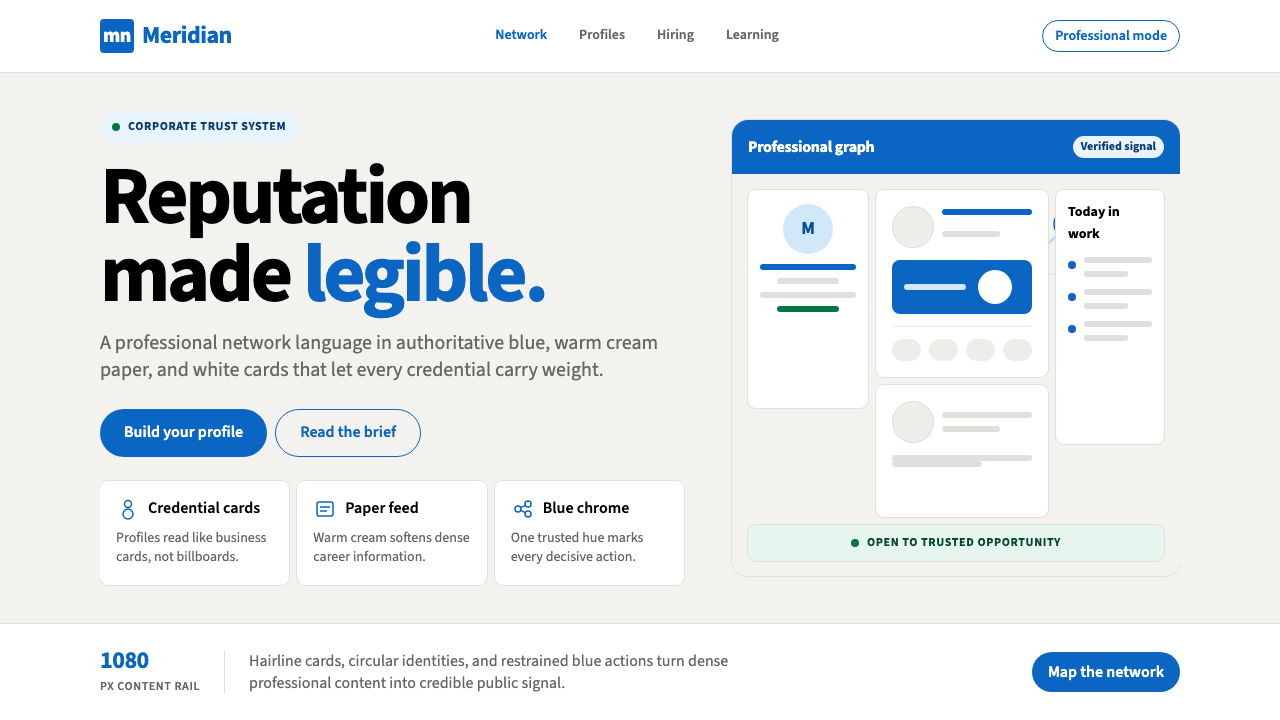 LinkedInCorporate trust, digitized. Authoritative blue frames white cards on warm cre…
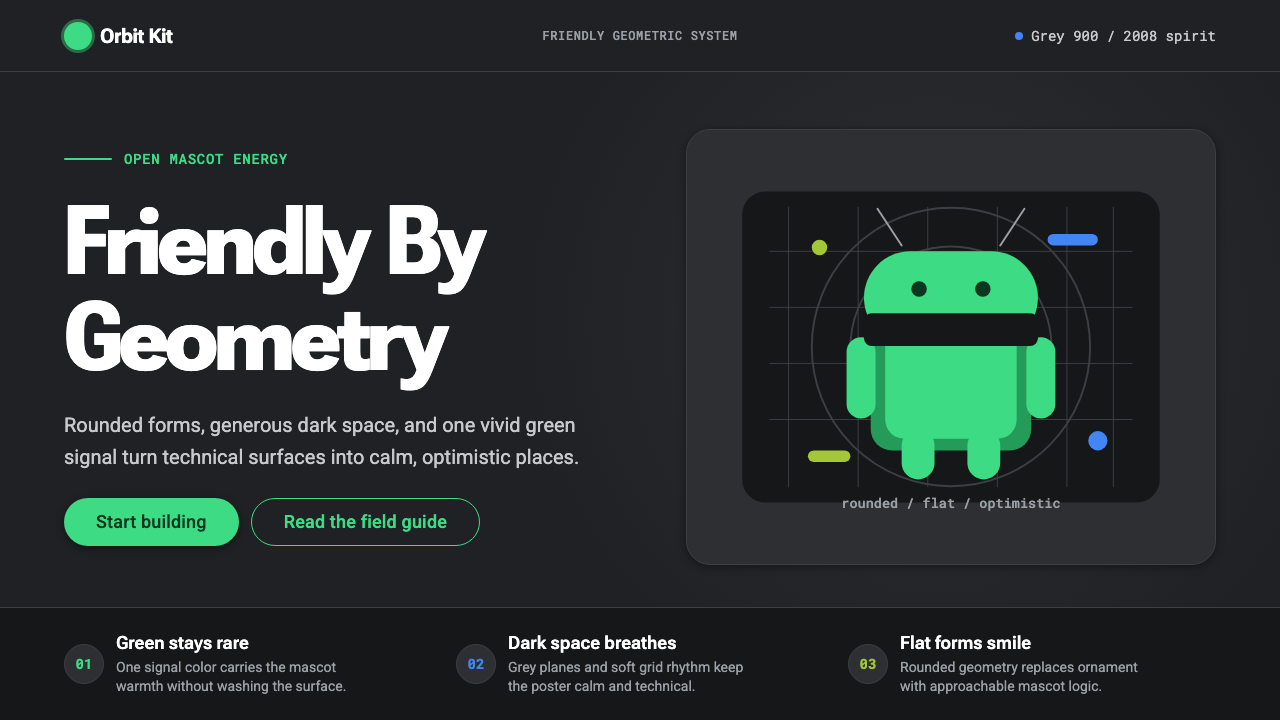 Android Bugdroid GreenFriendly tech, reduced to geometry. Vivid green pops from Grey 900 and rounde…
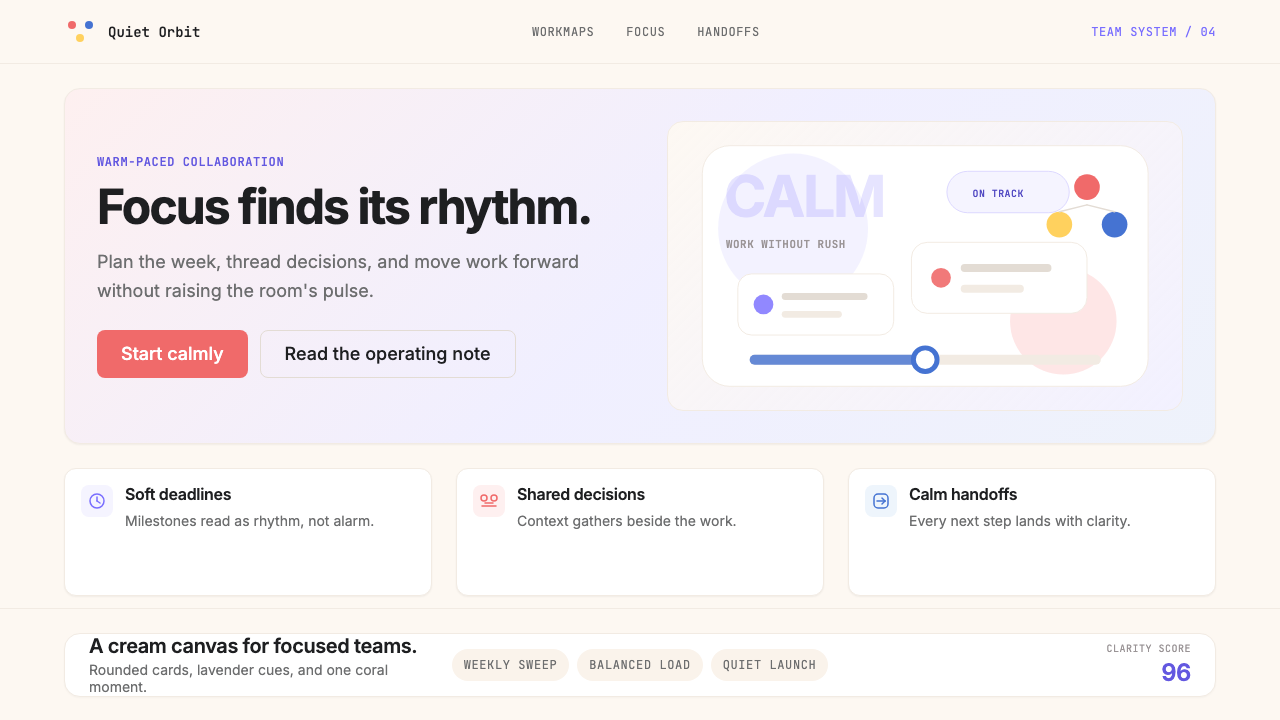 AsanaCalm productivity breathes. Cream canvas, lavender panels, coral-blue-yellow…
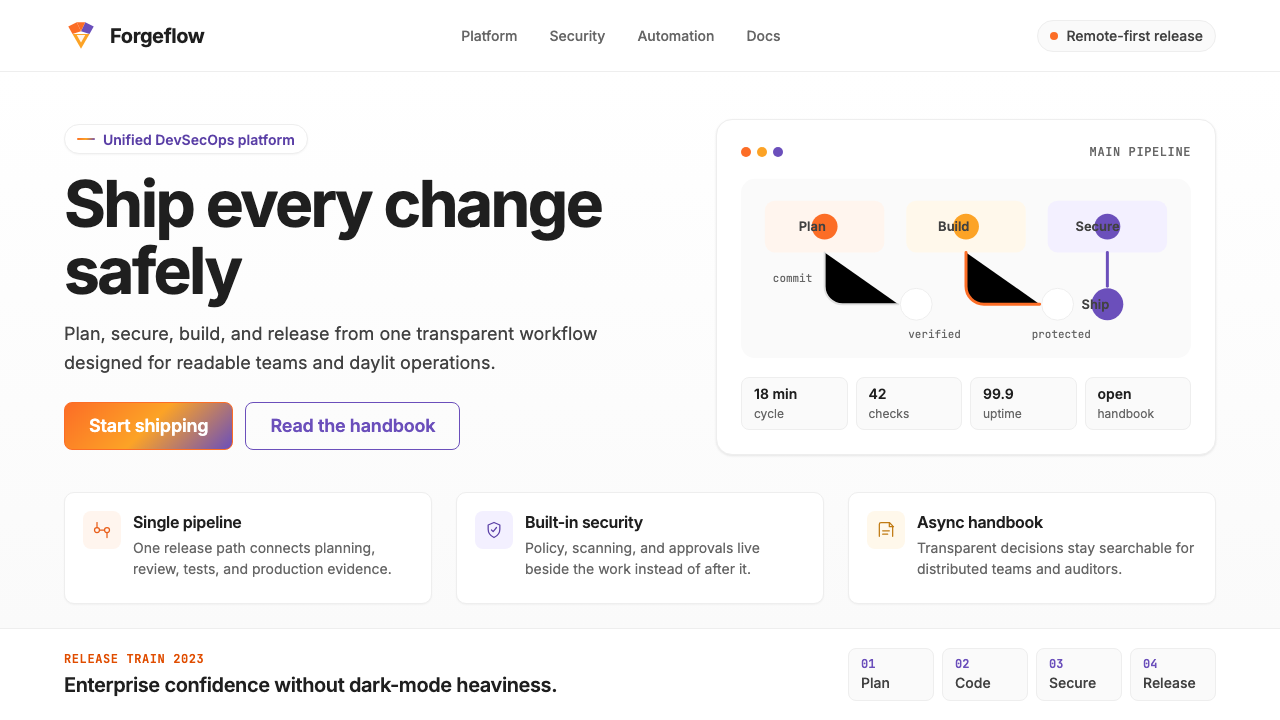 GitLab 2023DevOps in daylight. Tanuki orange-to-purple gradient, Inter, warm enough for…
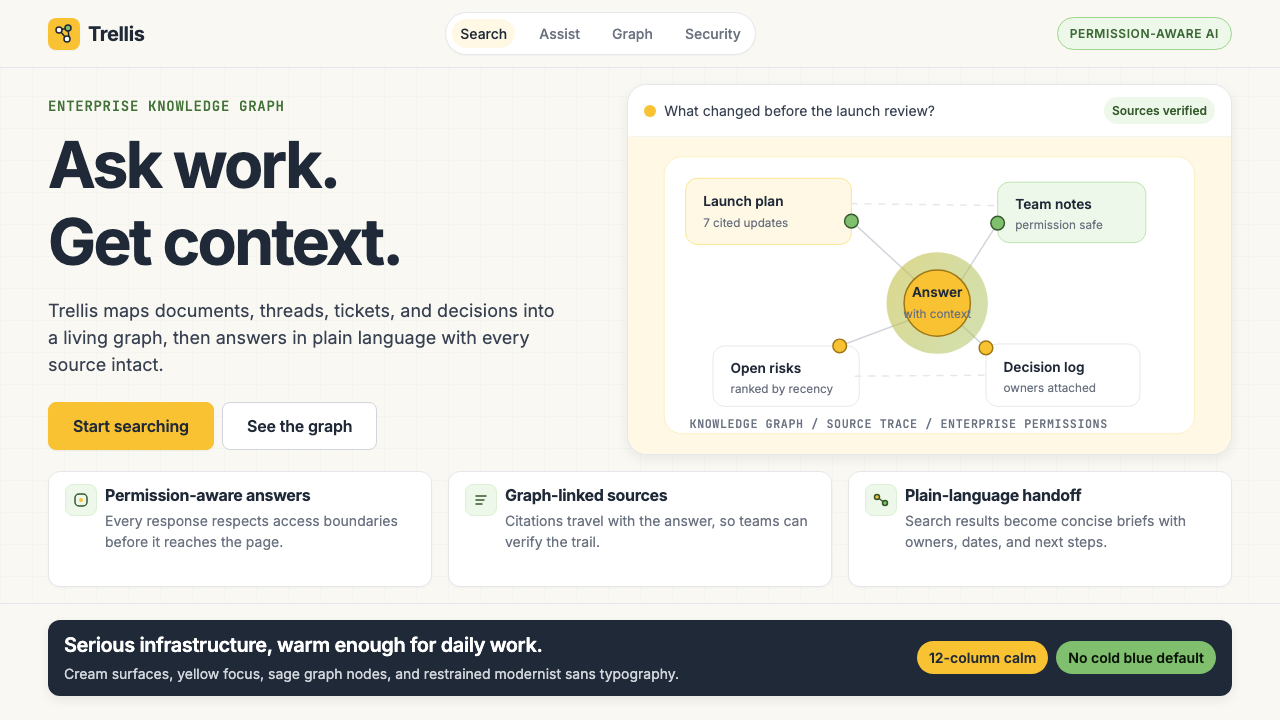 Glean Enterprise-SearchWarm enterprise AI. Cream ground, yellow focus, sage graph nodes, and sans ca…
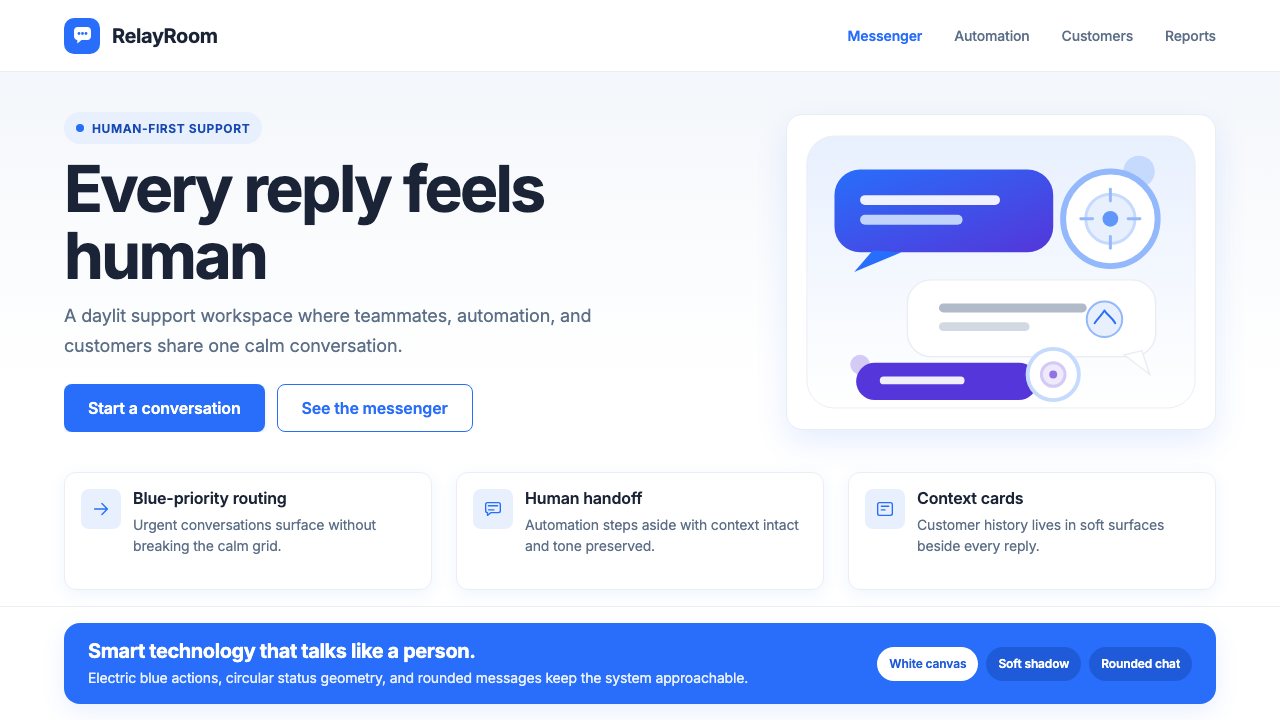 Intercom ModernWarm chat, sharp software. Electric blue bubbles on a daylit white grid.