What is Zen Browser?
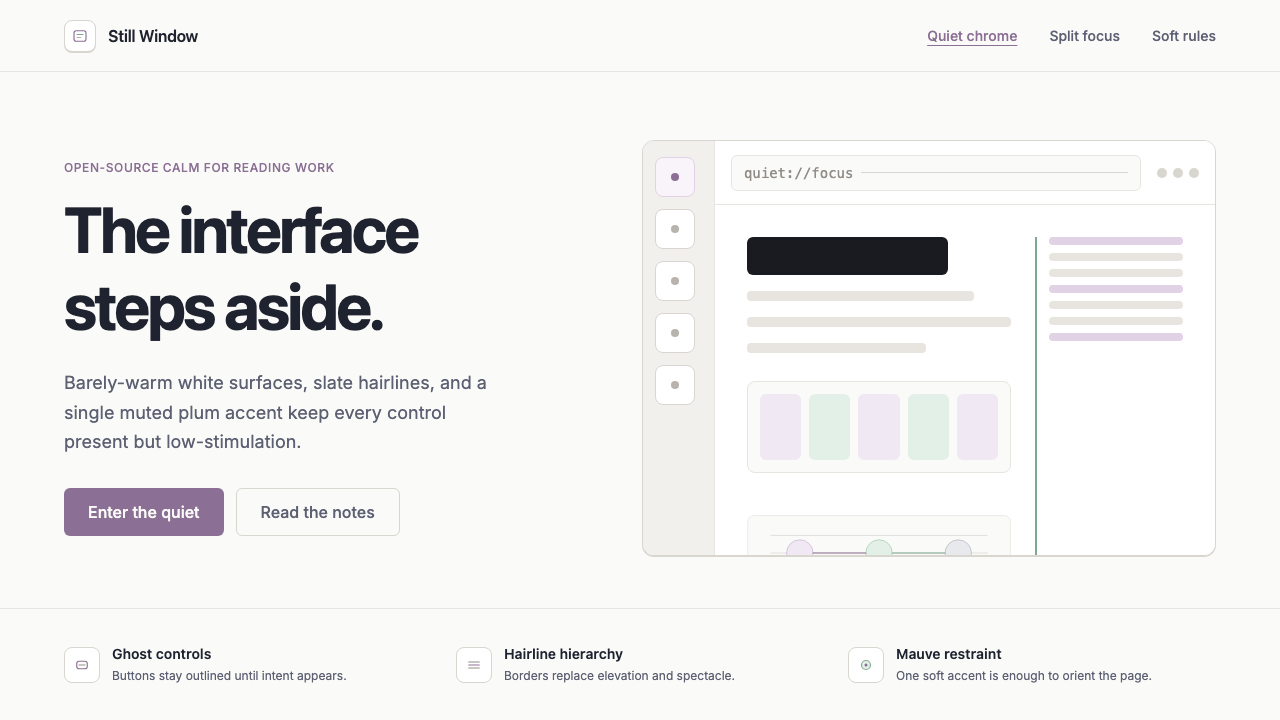
Zen Browser is the quietest browser you have never heard of — an open-source Firefox fork that asks what happens when software decides to get out of the way.
Zen Browser in brief
Zen Browser is an open-source Firefox fork launched in early 2024 with a single, almost philosophical design conviction: the browser should disappear. Not shrink, not simplify — disappear. Every visual decision in the project flows from this premise. If the user is aware of the browser, the browser has failed. The goal is a reading and navigation surface so unobtrusive that attention flows, without friction, entirely to the content it frames.
The visual identity that Zen arrived at is not merely minimal in the contemporary sense of clean grids and restrained palettes. It is specifically calm — engineered for low stimulation. Warm white backgrounds, slate hairlines rather than visible borders, and a soft mauve-inflected hover state give the interface an almost domestic quality. The atmosphere is closer to a well-designed Nordic apartment than to a productivity dashboard. The choice to lean toward softness rather than austerity marks Zen as something new within the browser design space, which has historically oscillated between utilitarian Chrome-style chrome and maximalist alternatives like Arc.
Where Arc chose aurora gradients and animated sidebars as its differentiator, Zen chose silence. The two browsers represent genuinely opposed aesthetics — both departing from the Chrome mainstream, but in opposite directions. Zen's restraint is not the result of budget or limited scope; it is the argument the design is making. A browser that insists on its own presence is, in the Zen design philosophy, a browser that has lost the argument before the first page loads.
Where does Zen Browser come from?
Zen Browser emerged from the Firefox fork ecosystem in 2024, when a distributed community of developers and designers — primarily based in Europe and North America — began asking whether a browser could be built around calm technology principles rather than engagement metrics. The project's lead, Mauro Balades, and the wider contributor community shared a discomfort with the direction major browsers had taken: optimized for feature accumulation, extension ecosystems, and visual differentiation at the cost of the experience of simply reading and navigating.
The calm-tech movement that animated the project has roots going back to work at Xerox PARC in the 1990s, where researchers like Mark Weiser and John Seely Brown argued that the most profound technologies are those that weave themselves into everyday life until they become indistinguishable from it. The Zen Browser contributors applied this principle to browser design: a browser worthy of the name should behave like a good waiter — present when needed, invisible otherwise. This is a more demanding design standard than minimalism, because it requires not just reducing visual noise but actively anticipating where attention will be pulled and eliminating those pulls.
The Firefox base was not incidental. Firefox carries a heritage of community governance, open architecture, and principled independence from advertising economics that aligned closely with what the Zen project was trying to build. By forking Firefox rather than starting from scratch, the Zen team gained access to a mature, privacy-focused rendering engine without needing to build one — freeing design energy for the experience layer rather than the infrastructure layer. This is a pattern increasingly common in the indie browser revival: communities leveraging Firefox or Chromium as an engine while building their own interfaces and philosophies on top.
The project grew rapidly through 2024 and into 2025, gathering contributors across multiple continents and attracting attention from communities interested in the intersection of calm technology, FOSS software culture, and interface design. The browser's growth demonstrated a genuine market gap — or rather a taste gap — that commercial browsers had failed to address. There is a meaningful audience for software that prioritizes cognitive quietude, and Zen Browser became one of its most visible embodiments.
What defines the Zen Browser look?
Warm White Ground
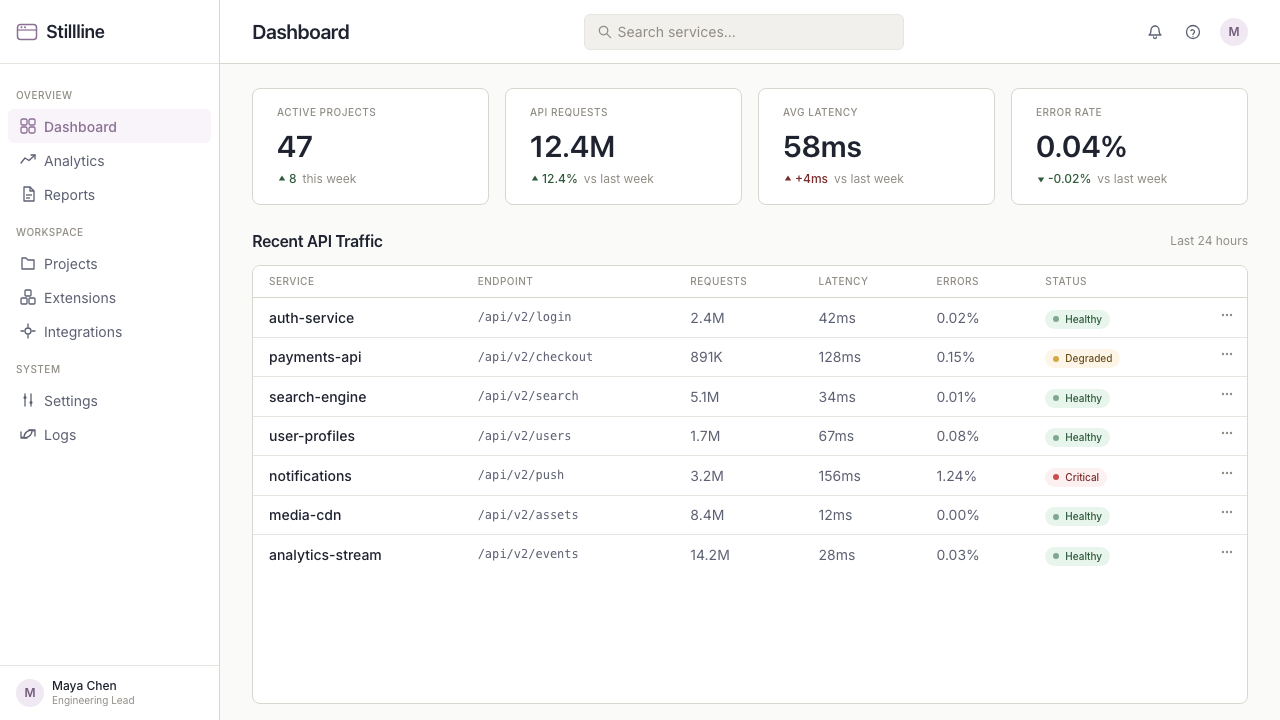
The canvas of the Zen interface is a warm white rather than a clinical pure white — a distinction that has significant perceptual consequences. Pure white backgrounds generate contrast that can feel aggressive under prolonged reading conditions; the warm tint reduces eye fatigue and creates a sense of ambient light rather than directed illumination. The effect is subtle but cumulative: over the course of a reading session, the warmer ground feels noticeably more hospitable than a bright flat white. This choice signals that Zen is optimizing for sustained attention rather than first-impression impact.
Slate Hairlines
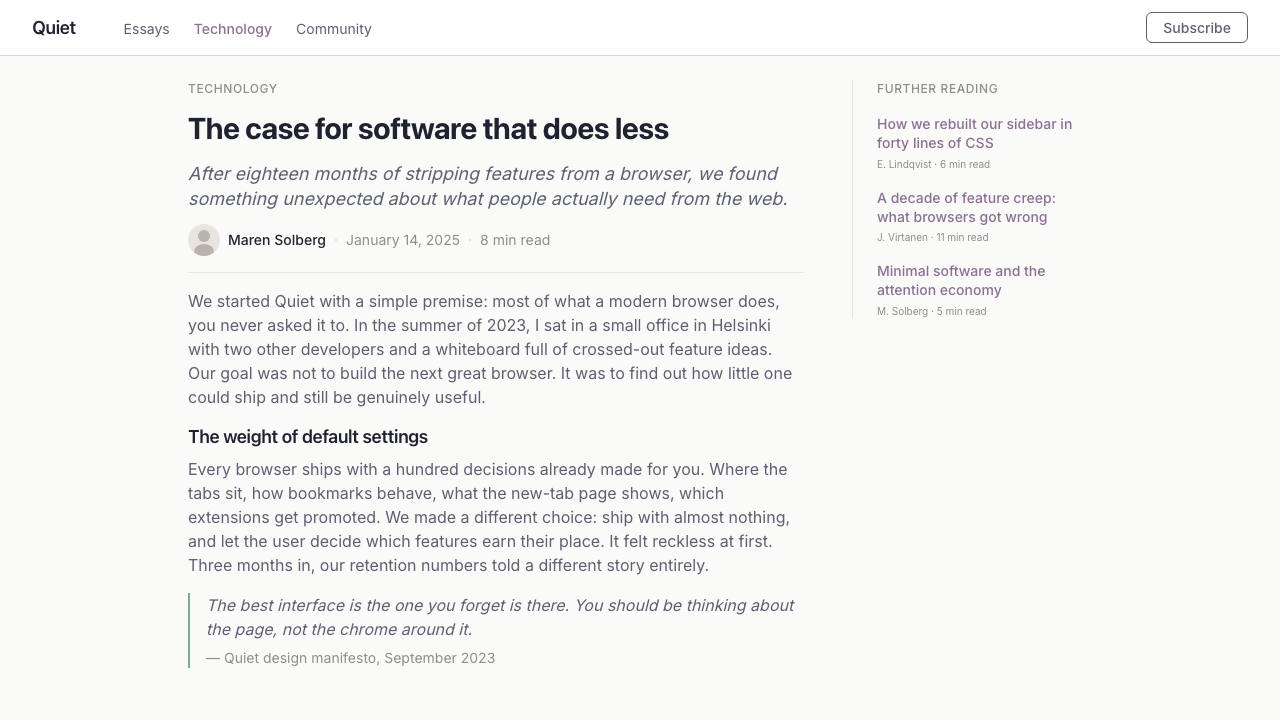
Where most interfaces rely on solid borders or visible dividers to separate regions, Zen uses hairline strokes in a quiet slate tone — a value so close to the background that the division registers subliminally rather than consciously. The hairline communicates structure without asserting itself. It is the interface equivalent of a barely visible crease in a well-made garment: you know something is organized, but you cannot quite say what organized it. This technique allows the interface to maintain layout logic without introducing visual weight that competes with content.
Muted Plum Hover State
The hover state — the moment when the interface acknowledges the cursor's presence — uses a soft mauve or muted plum rather than a bold accent color. This is a deliberate departure from the convention of using a saturated, high-contrast interactive color. The plum inflection is visible without being startling; it confirms interaction without rewarding it. The choice reflects the Zen philosophy at the interaction layer: acknowledgment, not celebration. The color's warmth also echoes the warm-white ground rather than contrasting against it, keeping the palette unified even in active states.
Ghost Buttons and Matte Surfaces
Zen's interactive elements favor ghost buttons — outlines only, no fill — and matte, non-reflective surfaces throughout. The anti-gloss commitment is total: no gradients, no specular highlights, no depth illusions created by light simulation. A button in Zen looks like text inside a lightly stroked rectangle, not like a physical button waiting to be pressed. This flatness is not a limitation; it is a consequence of the design's refusal to simulate a physical world that the interface does not inhabit. The ghost treatment also means that the button's content — the label — is always visually primary, never competing with the vessel it sits in.
Spatial Breathing Room
The Zen spatial system is built on a consistent grid that gives every element deliberate room to breathe. Padding is generous; margins are not compressed in service of information density. This goes against the instinct of most productivity software, which tends toward tight spacing on the premise that more information visible at once is more valuable. Zen's premise is the opposite: information that is not visually crowded is processed more easily and retained better. The spacing is not decorative — it is cognitive infrastructure. The grid discipline also ensures that when elements do appear close together, the relationship feels intentional rather than incidental.
Typographic Restraint
Zen's type hierarchy is built with careful restraint: body text at a comfortable reading size in a humanist sans-serif, headings in a geometric sans with slightly more presence, and interface labels reduced to a scale where they inform without asserting. The system achieves hierarchy through size and weight relationships rather than color or decorative differentiation. Crucially, the type never competes with the content being browsed — it frames. Navigation labels, tab titles, and chrome text are set at a weight and size that keeps them in the peripheral visual field while remaining legible on demand. This is type in service of the browser's invisibility argument.
Zero Decorative Layering
The most absolute of Zen's design commitments is the refusal of decorative layering — no textures applied to surfaces, no gradient fills added for visual richness, no ambient glows or shadows softening the interface's structure. Every visual element in Zen earns its presence by serving a specific communicative function. If removing an element would make navigation harder or information harder to parse, it stays; if its removal would be invisible in practice, it should not have been there. This discipline produces an interface that can feel almost surprising in its quietness — not because it lacks craft, but because craft, here, is almost entirely in what is not present.
Who shaped Zen Browser?
Mauro Balades is the lead developer behind Zen Browser and the primary architect of its design philosophy. Balades brought together a distributed contributor community around a coherent vision: that the browser should function as a reading and navigation instrument rather than a platform asserting its own presence. His ability to hold the project's philosophical center — calm technology, invisibility, restraint — while managing an open-source community with diverse contributors across multiple continents is what gave Zen Browser its consistency of character across a rapid growth period. Without that philosophical anchor, the project could easily have drifted into feature accumulation like other Firefox forks.
The broader Zen contributor community is a distributed collective primarily concentrated in Europe and North America, with active participation from developers, interface designers, and users drawn to the calm-tech philosophy. This community is significant not merely as a development resource but as the ongoing design review body that has prevented the project from accumulating features that would compromise its core thesis. In many open-source projects, feature requests from vocal users gradually erode design coherence; the Zen community's shared aesthetic commitment has so far resisted this entropy. The community's distributed, European-leaning character also reflects a broader sensibility — one more comfortable with restraint and privacy as core values than with engagement optimization.
While not Zen Browser contributors, Weiser and Brown are the intellectual ancestors whose thinking the project most directly embodies. Their 1995 essay 'Designing Calm Technology,' written at Xerox PARC, articulated the principle that the most advanced technologies are those that recede into the background — that inform the periphery of human attention without demanding the center. They distinguished between technologies that demand attention (foreground technologies) and those that move to the periphery while remaining available (background technologies). Zen Browser is among the most literal applications of this framework in contemporary browser design: a browser engineered specifically to occupy the periphery of attention while presenting whatever the user has directed it to show.
Firefox is not a person but a necessary figure in the Zen origin story. Mozilla's Firefox represents a decades-long commitment to building a browser outside the commercial browser duopoly — outside Google's Chrome and, historically, Microsoft's Internet Explorer. By providing an open, extensible rendering engine governed by a non-profit mission, Firefox created the possibility of indie browser culture. Zen Browser exists because Firefox exists; it is a downstream expression of Firefox's founding conviction that the web browser should serve the open web rather than any particular platform's commercial interests. The Zen team's choice to build on Firefox rather than Chromium is itself a philosophical statement aligned with the project's values of independence and restraint.
How do you use Zen Browser today?
Zen Browser's visual language is one of the clearest contemporary articulations of calm interface design, and applying it correctly requires understanding what the system is actually doing: engineering the absence of friction rather than the presence of features. The relevant question when working in this style is not 'what should I add to communicate this?' but 'what can I remove while keeping this legible?' This inversion of the usual design instinct is the hardest part of applying Zen-derived aesthetics — and the most important.
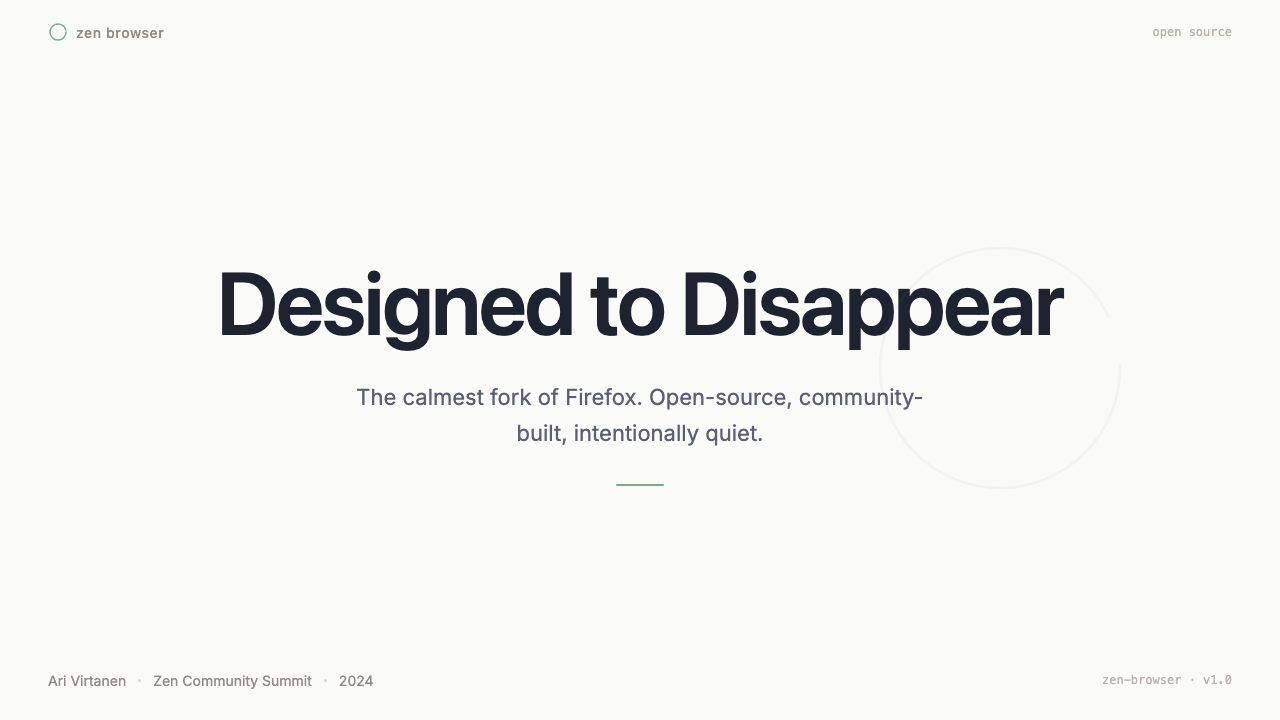
For presentation slides, the Zen approach produces covers that work through restraint rather than assertion. A single line of headline text in a clean sans-serif, sitting against a warm white field with generous vertical breathing room, carries more authority than a cover crowded with brand elements, gradients, and decorative motifs. Content slides should be treated as reading surfaces: body text at a comfortable measure, a clear hierarchy of just two or three levels defined by weight and size alone, and no decorative dividers between sections. Data slides benefit from the style's anti-noise discipline — charts are stripped to their essential lines and values, with annotation in a muted tone and only the data itself allowed any visual presence.
For web interfaces, the Zen language translates most naturally to contexts that require sustained attention: long-form reading environments, research dashboards, documentation sites, and writing tools. The approach calls for a light ground, slate or near-invisible structural lines, muted interactive states, and generous spatial margins that give every piece of content room to be read rather than scanned. Navigation elements should be typographic and minimal — labels that identify without decorating. Avoid the temptation to add visual interest through color variation or illustrative elements; in a Zen-derived interface, visual interest comes from content, not from the frame.
For editorial and marketing work, the style's quietness functions as a strong differentiation signal in a media landscape dominated by visual noise. An editorial layout in the Zen register uses narrow-column body text with a wide margin reserved for pull-quotes and annotations, section breaks marked by hairlines rather than rules or ornaments, and a muted tonal palette that never competes with the writing itself. Marketing pages work when they commit to the style's thesis: the product speaks; the interface listens. Feature sections are white space and text, not illustrated grid blocks with icon sets. Testimonials and social proof are typographic, not designed as card components.
The most common mistake when applying Zen-derived aesthetics is drifting toward conventional minimalism — which is visually similar but philosophically different. Conventional minimalism often retains strong branded color, bold typographic moments, and carefully designed micro-interactions; it is minimal in the sense of edited, but still assertive about its own visual presence. Zen is attempting something more demanding: to make the interface genuinely recede. Practically, this means resisting the urge to add a single hero color, to use italic for emphasis when weight already communicates it, and to add hover animations that reward interaction rather than merely acknowledging it. The discipline is in consistently choosing the option that keeps the frame invisible.
Zen Browser — FAQ
Is Zen Browser just a minimal skin on Firefox, or is it a genuine design philosophy?
It is a genuine design philosophy, though one that manifests primarily through what it removes rather than what it adds. Most Firefox forks differentiate themselves by adding features — tab management systems, sidebar tools, bookmark managers. Zen's differentiation is subtractive: it systematically removes visual weight, animation, and chrome-level noise to arrive at an interface defined by what is absent. This is a coherent design argument, not merely a visual treatment. The warm-white palette, the hairline borders, the muted hover states — these are not arbitrary aesthetic choices but deliberate implementations of the calm-technology principle. Whether you find the argument convincing is a matter of taste; that it is an argument, rather than an aesthetic whim, is what distinguishes Zen from a themed Firefox build.
How does Zen Browser's aesthetic differ from Arc Browser's, given both depart from Chrome?
The difference is directional: Arc and Zen depart from Chrome in opposite directions. Arc moves toward richness — aurora gradients, animated sidebars, a color system that varies by space and context, and interface elements that assert their own visual identity. Arc's design thesis is that the browser can be an expressive environment, not merely a neutral frame. Zen moves toward silence — removing color, reducing animation, flattening surfaces, and treating the browser chrome as something that should ideally not register visually at all. Arc rewards attention paid to the interface; Zen discourages it. Both are coherent positions. The choice between them is essentially a question about whether you want the environment you work in to have a personality.
Can the Zen Browser visual language be applied to products other than browsers?
Yes, and this is arguably where the Zen aesthetic has its broadest potential application. The design principles — warm white ground, hairline structural lines, muted interactive states, generous spatial margins, zero decorative layering — translate directly to any interface where sustained reading or focused work is the primary use case. Writing applications, research tools, note-taking systems, code editors, and reading apps are all natural homes for this aesthetic. It is less well-suited to contexts that require emotional warmth, playfulness, or strong brand expression — consumer social apps, entertainment products, food and lifestyle contexts. The throughline of appropriate application is cognitive load: wherever reducing cognitive load is more valuable than expressing visual identity, the Zen aesthetic has a strong argument.
Does the quiet Zen aesthetic work in dark mode?
A dark-mode Zen aesthetic is achievable but requires careful attention to the same principles that govern the light-mode version. The core challenge is that dark backgrounds tend to flatten contrast in ways that can make hairline structural elements invisible, while also making muted interactive states harder to perceive. A successful dark Zen variant uses a deep warm charcoal rather than a pure black ground — preserving the warmth principle while inverting the value. Structural lines need to be slightly more visible in dark mode to remain functional. The muted plum or mauve hover state can be retained with slight saturation adjustments. What must be preserved absolutely is the anti-gradient, anti-decorative-layering discipline: adding gradients or glows to a dark-mode interface in the name of visual interest immediately destroys the calm-technology premise the aesthetic is built on.
Is there a risk that calm-technology design feels cold or clinical to users?
There is a real risk, and Zen Browser's design makes specific choices to mitigate it. The distinction between cold minimalism and calm minimalism is the warmth of the ground. A pure white background with high contrast and sharp geometry can feel clinical — like a medical form or a sterile document template. Zen specifically chooses a warm white ground, a mauve rather than a blue-grey hover state, and generous spatial margins that feel welcoming rather than compressed. These choices are not arbitrary; they are the design team's answer to the coldness question. The risk returns when the aesthetic is applied without understanding why these specific calibrations matter — when, for example, a warm white is replaced with a pure white in the belief that purity is more minimal, or when spatial margins are compressed in service of information density. The warmth in Zen's system is not decoration; it is the difference between a reading room and a waiting room.
Related design styles
 Intercom ModernWarm chat, sharp software. Electric blue bubbles on a daylit white grid.
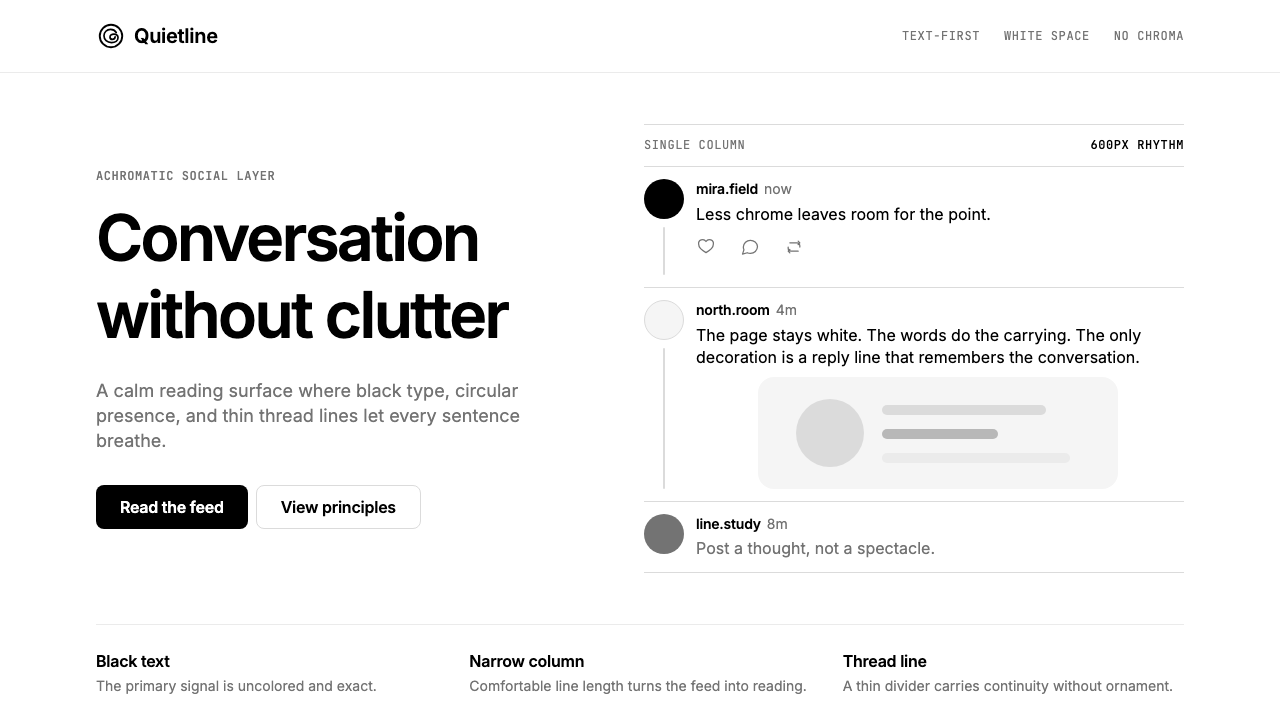 Threads (Meta)Restraint is the brand. Black Inter type, narrow feed, thin connectors, white…
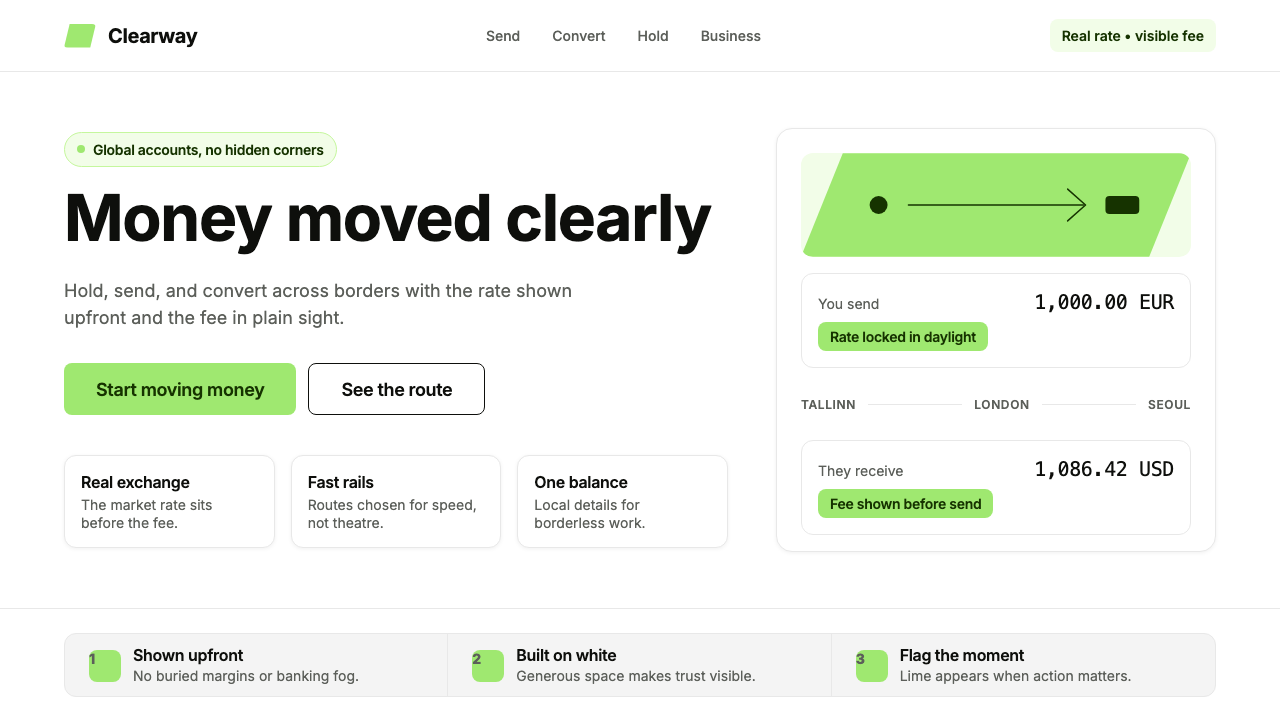 Wise (TransferWise)Clarity feels bankable. Lime flag on white, Inter geometry, quiet fee cards.
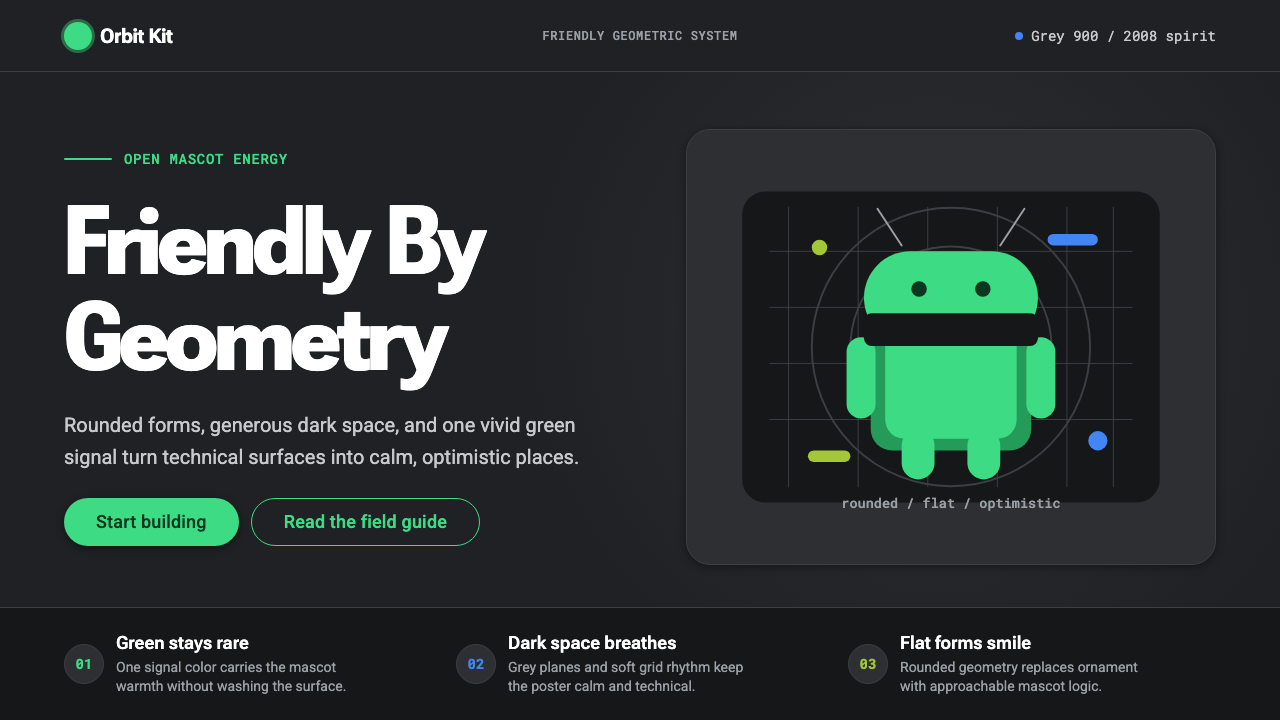 Android Bugdroid GreenFriendly tech, reduced to geometry. Vivid green pops from Grey 900 and rounde…
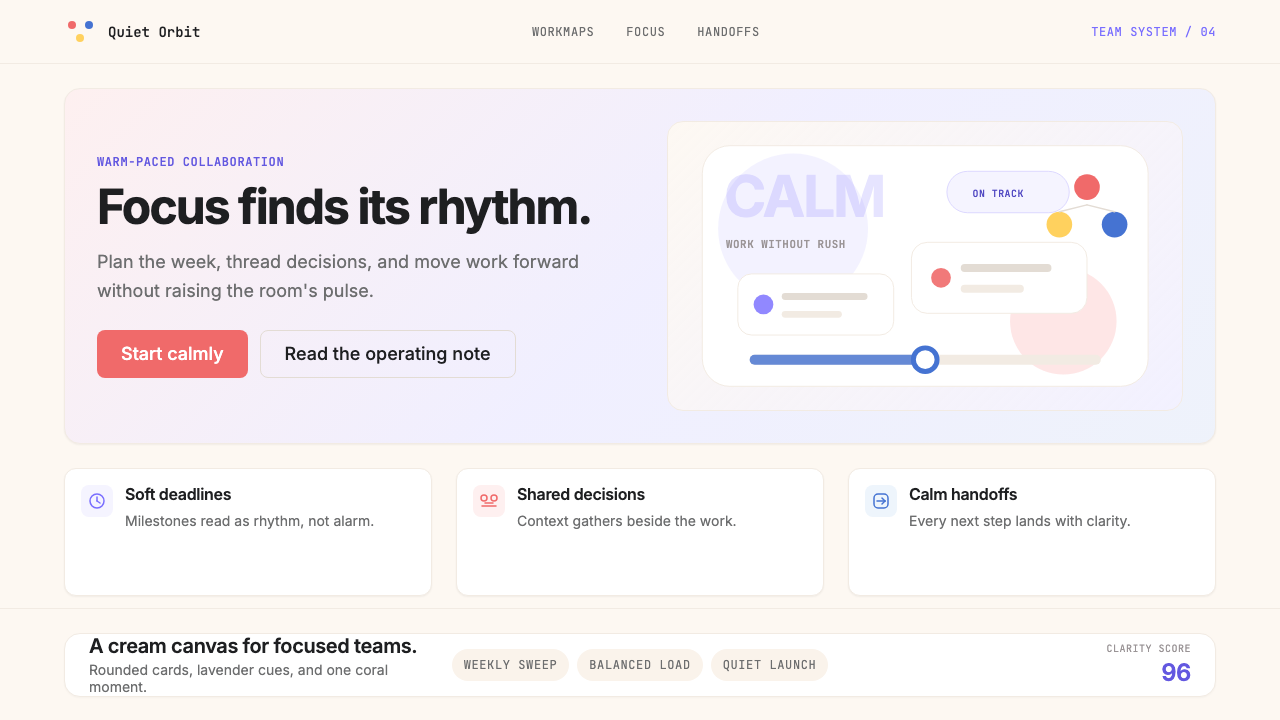 AsanaCalm productivity breathes. Cream canvas, lavender panels, coral-blue-yellow…
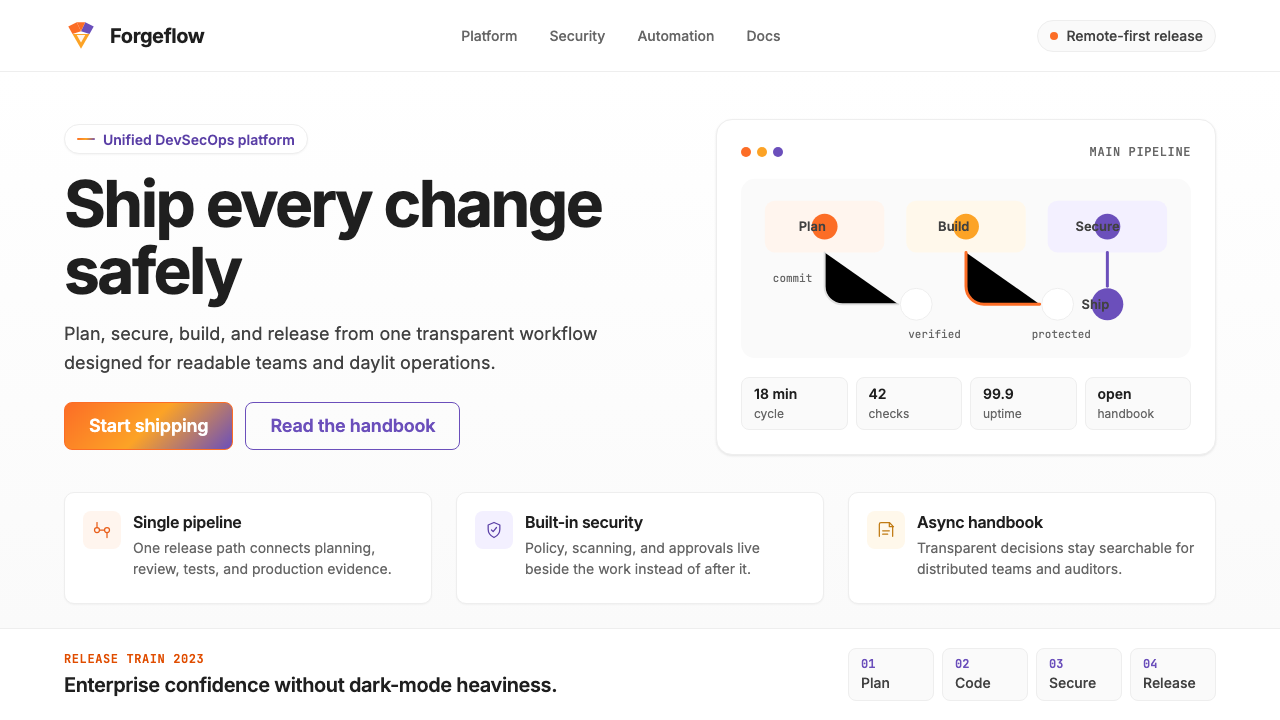 GitLab 2023DevOps in daylight. Tanuki orange-to-purple gradient, Inter, warm enough for…