What is YouTube Creator Economy?
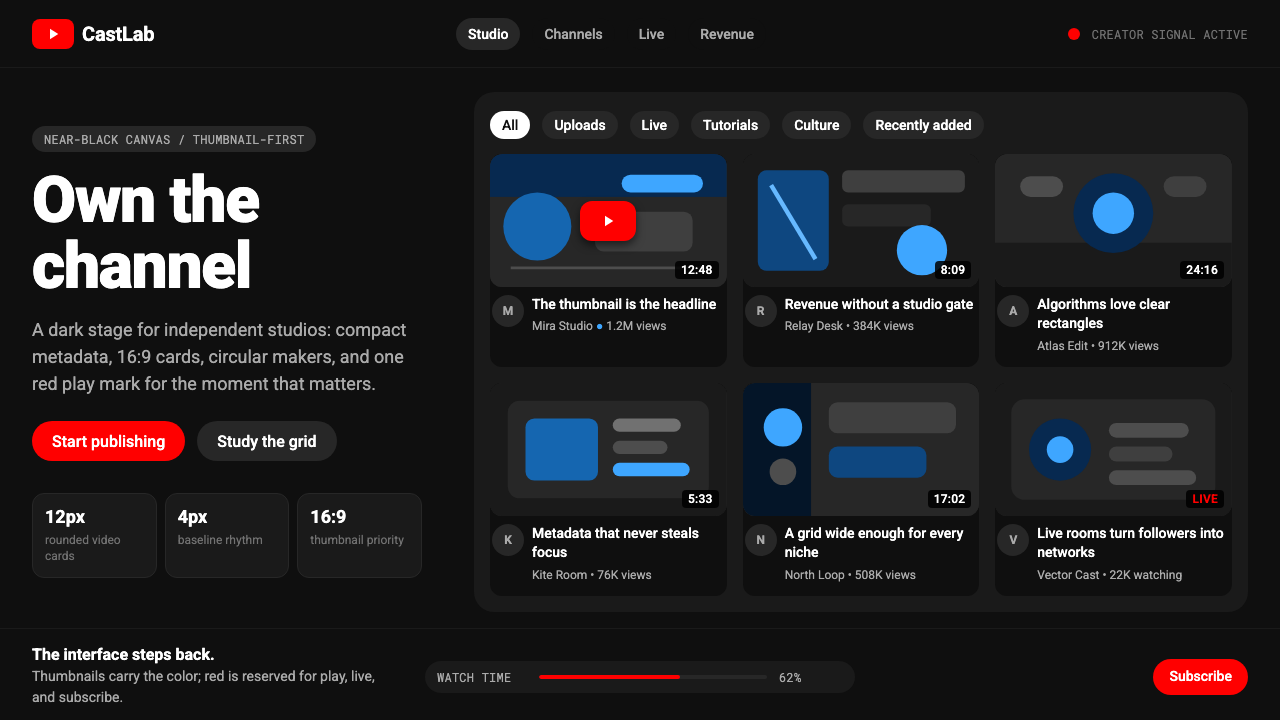
YouTube turned the interface invisible so thumbnails could become the loudest billboards in digital history.
YouTube Creator Economy in brief
YouTube Creator Economy is the visual language that the world's largest video platform has refined over two decades: a near-black canvas, a single saturated red reserved for play and subscribe, Roboto type at every scale, and a grid of rectangles that gives every creator's thumbnail equal theatrical billing. The aesthetic is not a style applied on top of a platform — it is the platform architecture itself, made visible.
The design philosophy is one of deliberate self-erasure. Every surface choice — the dark matte background, the rounded rectangular card, the circular avatar, the pill-shaped filter chip — exists to recede. The interface is a neutral stage on which creators perform. Branding is concentrated into a single icon and a channel name; everything else is subordinate to the thumbnail, which functions as a miniature poster, a movie one-sheet, and a storefront window simultaneously.
What makes the YouTube Creator Economy aesthetic distinctive is not any single element but the discipline of restraint applied at enormous scale. The same card system accommodates a hand-lettered cooking channel and a multi-camera news broadcast. The same red play button appears on a teenager's first upload and on a Peabody Award–winning documentary. The visual system is deliberately content-agnostic: it promises creators that the interface will stay out of their way.

Where does YouTube Creator Economy come from?
YouTube launched in May 2005, founded in a garage in Menlo Park by three former PayPal employees — Chad Hurley, Steve Chen, and Jawed Karim — who shared a frustration with the difficulty of sharing video online. The earliest interface wore the visual conventions of Web 2.0: rounded corner tabs in cheerful red and white, light gray backgrounds, drop shadows everywhere, and the kind of gradient-heavy buttons that characterized the mid-2000s internet. The aesthetic was friendly and approachable, designed for a moment when uploading a video at all felt like a technical achievement.
Google acquired YouTube in October 2006 for 1.65 billion dollars, and the subsequent decade became one of sustained visual simplification. Susan Wojcicki, who became CEO in 2014 and guided the platform through its most explosive creator growth period, oversaw a series of redesigns that progressively stripped decoration away. As mobile became dominant and the screen became the primary delivery surface, the interface needed to work at thumbnail size on a four-inch phone screen and at full resolution on a sixty-inch television simultaneously. Skeuomorphic depth, textured backgrounds, and multi-color navigation were incompatible with that range.
The pivotal shift came around 2017 with a wholesale redesign that made dark mode available and moved the platform definitively to a card-based, near-black-or-white design system aligned with Google's Material Design language. The red play button — which had been a flexible element across earlier eras — was standardized as the singular brand expression. Rounded rectangular thumbnails, a uniform aspect ratio enforced across all uploads, and consistent circular avatars created the visual grammar that persists today. The redesign coincided with the rapid professionalization of creator culture: sponsorship deals, merchandise shelves, memberships, and SuperChats were all arriving simultaneously, and the interface needed to support a genuine creator economy, not just a video-hosting hobbyist community.
By 2020 the aesthetic had fully matured into the form recognizable today. Dark mode became the default for many users; the near-black background is now the canonical YouTube experience for a significant portion of the global audience. The thumbnail — always important — became the primary creative and competitive battleground. Entire cottage industries of thumbnail design emerged, complete with their own conventions: large block type, high-contrast color fields, expressive human faces occupying the left third of the frame, and arrows or graphical emphasis directing the eye. These thumbnail conventions are not YouTube's design system, but they are inseparable from how the YouTube Creator Economy aesthetic reads in practice.
What defines the YouTube Creator Economy look?
Near-Black Surface
The canonical YouTube dark interface uses a surface color so close to black that it reads as absolute black in dim environments, yet retains just enough warmth to avoid the harsh coldness of true black. This choice is strategic: thumbnails — which carry the full spectrum of color — appear maximally vivid against an almost-null background. The surface does not compete; it amplifies. Light-mode users see an equivalent near-white that performs the same subordinate function.
The Single Red
Across the entire interface, one hue carries decisive weight: a fully saturated, unmodulated red that marks the two most important actions — play and subscribe. Red appears nowhere else at this intensity. It is not used for navigation, decoration, or hover states. This discipline means the red, when it appears, carries enormous semantic load. Users do not need to read labels to understand what the red button or badge means. The color does the work.
The Rectangular Card Grid
Content is organized into a uniform grid of rectangular cards, each maintaining a consistent widescreen aspect ratio. The card is the atom of the YouTube layout — identical in structure whether it holds a two-minute sketch or a four-hour documentary. Rounded corners soften the geometry just enough to read as approachable without losing crispness. No card receives visual privilege over another; hierarchy is established by position and by the thumbnail itself, not by card decoration.
Roboto as System Voice
A geometric sans-serif typeface — humanist enough to read naturally at body size, neutral enough to disappear at interface scale — carries every word the platform generates: channel names, video titles, view counts, timestamps, and captions. It never competes with creator-supplied typography in thumbnails. The type system uses scale and weight as its sole organizational tools: larger and heavier for titles, smaller and lighter for metadata. Color is withheld from type except for links and the single red accent.
Circular Avatar as Identity Anchor
Every channel, every commenter, every user is represented by a cropped circular image. The circle is consistent without exception: no squares, no rounded squares, no polygons. This universality performs an important function — the circular avatar is instantly legible as a human or brand identity element regardless of the surrounding content type. It also creates a natural visual rhythm in comment threads and notification lists, where circles punctuate columns of rectangular text.
Pill-Shaped Filter Chips
Navigation below the top bar uses a horizontal row of capsule-shaped chips — rounded at both ends, low contrast in default state, elevated to a filled dark or light variant when selected. These chips provide contextual filtering without the visual weight of traditional tabs or sidebar navigation. They are deliberately understated: their job is to help users narrow a vast catalog, not to assert visual presence. The pill shape echoes the rounded corners of the cards, creating visual coherence across interaction elements.
Thumbnail as Creative Sovereignty
Within the rigid card grid, the thumbnail is the one zone of total creative freedom. Creators are explicitly encouraged to treat their thumbnail as a custom poster — any colors, any typography, any imagery, any compositional approach. The platform's neutral gray-and-black environment is specifically designed to not clash with any thumbnail palette. This arrangement makes the thumbnail the most visible creative decision a creator makes, and it is where the real visual energy of the platform concentrates.

Who shaped YouTube Creator Economy?
Hurley was YouTube's co-founder and first CEO, and his background as the designer who styled PayPal's early visual identity shaped YouTube's initial commitment to approachable, consumer-friendly interface design. He oversaw the platform during its founding period and through the Google acquisition in 2006, establishing the core philosophy that video content — not interface chrome — should dominate the screen. His insistence on simplicity in the earliest design decisions planted the seed for what would eventually become the platform's radical self-erasure aesthetic.
Wojcicki served as YouTube's CEO from 2014 to 2023, the period during which the Creator Economy aesthetic reached its mature form. She oversaw the rollout of the channel memberships, merchandise shelf, Super Chat, and YouTube Shorts features that transformed the platform from a video host into a genuine creator monetization ecosystem. Her leadership coincided with the 2017 redesign that standardized the dark interface and card system. Crucially, she also navigated the platform's relationship with its creator community during the monetization policy crises of 2017, establishing the precedent that the platform's visual and economic systems should serve creator sustainability.
Karim uploaded the first YouTube video — an eighteen-second clip recorded at the San Diego Zoo in April 2005 — and his act of casual, low-production-value self-documentation established the aesthetic baseline that the platform's entire design philosophy would later serve. The video is remarkable precisely because it is unremarkable: no editing, natural light, ambient sound, a non-professional camera. The design system YouTube eventually built is, in a sense, the infrastructure built to honor that casual authenticity at massive scale — a neutral container for the ordinary video that turns out not to be ordinary at all.
Chen, as co-founder and early CTO, shaped YouTube's technical architecture during the period when its visual language was being established. His decisions about how video would be encoded, delivered, and displayed — including the standardization of the widescreen aspect ratio as the platform format — have lasting aesthetic consequences. The rectangular card's proportions are not arbitrary; they descend from the technical and editorial choice to make widescreen the default, a decision that oriented the entire visual grammar of the platform toward the cinematic.
How do you use YouTube Creator Economy today?
The YouTube Creator Economy aesthetic transfers naturally to presentation design because its core logic — content first, interface second — maps well onto the challenge of making slides that serve ideas rather than demonstrate software mastery. A cover slide built in this language uses a dark background that approaches black, a single large rectangular image or color block that functions as a thumbnail, and a title set in a clean geometric sans-serif at substantial scale. The red accent, if used, appears on a single call-to-action or key metric only. The result reads as intentional and platform-native without looking like a screenshot.
Content slides in this style use a strict grid with generous negative space. Each slide carries one idea, stated in the title at thumbnail-reading scale, with supporting detail below in a lighter weight. Data slides benefit from the system's inherent affinity for rectangular forms: bar charts and timeline graphics feel at home in this visual language, their bars treated as content cards in their own right. Avoid decorative chart borders, gradient fills, or three-dimensional effects — the aesthetic reads flatness as sophistication.
For web interfaces, the YouTube Creator Economy look is most effective on content-library and dashboard screens where a card grid is the natural organizational unit. The approach: a near-black or near-white background, a single accent color used only for primary actions, circular avatars for user representations, and pill-shaped chips for filtering. Cards should use consistent border-radius and a subtle elevation — not a heavy drop shadow but a slight tonal separation from the background. Navigation should be minimal and typographic, with the interface's structural weight concentrated in the content grid rather than framing elements.
In editorial and marketing contexts, this aesthetic works particularly well for creator-economy platforms, streaming services, media companies, and any brand that wants to signal both scale and individual voice. A marketing page built in this system uses full-width dark sections alternating with light ones, each anchored by a large rectangular image treated as a thumbnail. Type is scaled aggressively for hierarchy — section titles at poster scale, body text at reading scale, metadata in a lighter weight. The single saturated accent color handles all calls-to-action; secondary information uses neutral grays.
A common mistake when applying this aesthetic is over-designing the thumbnail equivalent — loading every card or hero image with text, arrows, facial close-ups, and color explosions simultaneously. Authentic YouTube thumbnails are actually disciplined compositions: one dominant element (usually a face or a bold type treatment), one or two supporting elements, and significant clear space. The effectiveness of the format comes from its speed of reading, not from information density. Designs that cram too many signals into the thumbnail space defeat the system's core premise.

YouTube Creator Economy — FAQ
Why does YouTube use such a dark background when most productivity apps prefer light interfaces?
The near-black background serves a specific optical function that light backgrounds cannot: it makes thumbnails appear maximally vivid. Video thumbnails often feature high-saturation colors, warm skin tones, and bright lighting — all of which pop most dramatically against a near-null dark field. A white or light gray background would compete with light-toned thumbnails and wash out their contrast. The dark surface also creates an immersive, cinema-like atmosphere appropriate for a viewing platform, reducing the visual separation between the browsing experience and the act of watching.
Is the YouTube visual language the same as Google's Material Design?
They share ancestry but have diverged significantly. YouTube adopted Material Design's component vocabulary — elevation, card geometry, rounded corners, the type scale system — as a structural foundation in the 2017 redesign. However, YouTube's use of a near-black canvas as a primary surface, its strict single-color accent discipline, and the overriding priority given to thumbnail imagery are all specific to the creator platform context. Material Design in its standard form defaults to light surfaces and a broader palette range. The YouTube variant is a deliberate specialization: Material Design optimized for the case where the content itself is the primary visual element.
How should I handle the thumbnail zone when applying this aesthetic to a design that has no video content?
The thumbnail's function — a rectangular content preview that carries the full expressive weight of the item it represents — can be directly translated to any content-card context. A music streaming app can use album art in the same proportion and treatment. A news platform can use editorial photography. A software product directory can use illustrated feature graphics. The key is maintaining the rectangular format, the consistent aspect ratio across all cards, and the discipline of letting the card image carry the color energy while the surrounding interface stays neutral. When there is no image available, a bold typographic treatment with a single-color background performs the same function.
Does this aesthetic work for B2B products, or is it too consumer-media-specific?
The YouTube Creator Economy aesthetic works well for any B2B product that is content-library-shaped — internal video platforms, e-learning systems, media asset management tools, training portals, and documentation hubs with embedded video. It struggles in contexts where the primary data type is tabular or relational rather than media-card-based, where dense information grids replace card grids. The near-black background, in particular, can feel heavy in productivity contexts where users need to read large volumes of text. A lighter adaptation — retaining the card geometry, the single accent color, and the typographic discipline while moving to a near-white surface — often works better for data-intensive B2B applications while keeping the aesthetic family connection.
How is the YouTube Creator Economy aesthetic different from Netflix's dark interface?
Both platforms use dark backgrounds and rectangular card grids to showcase video content, but their visual philosophies reflect different content models. Netflix's aesthetic emphasizes cinematic scale — large hero images, dramatic horizontal scrolling rows, editorial curation, and a sense of premium programming. The Netflix dark interface is theatrical: it says 'you are about to watch something. YouTube's interface, by contrast, is egalitarian and participatory. The cards are smaller, more numerous, and equal in visual weight. There is no editorial hero — algorithmic recommendation and search replace it. The red accent is more prominent and more action-oriented. Where Netflix says 'lean back,' YouTube says 'you are a creator too.'
Related design styles
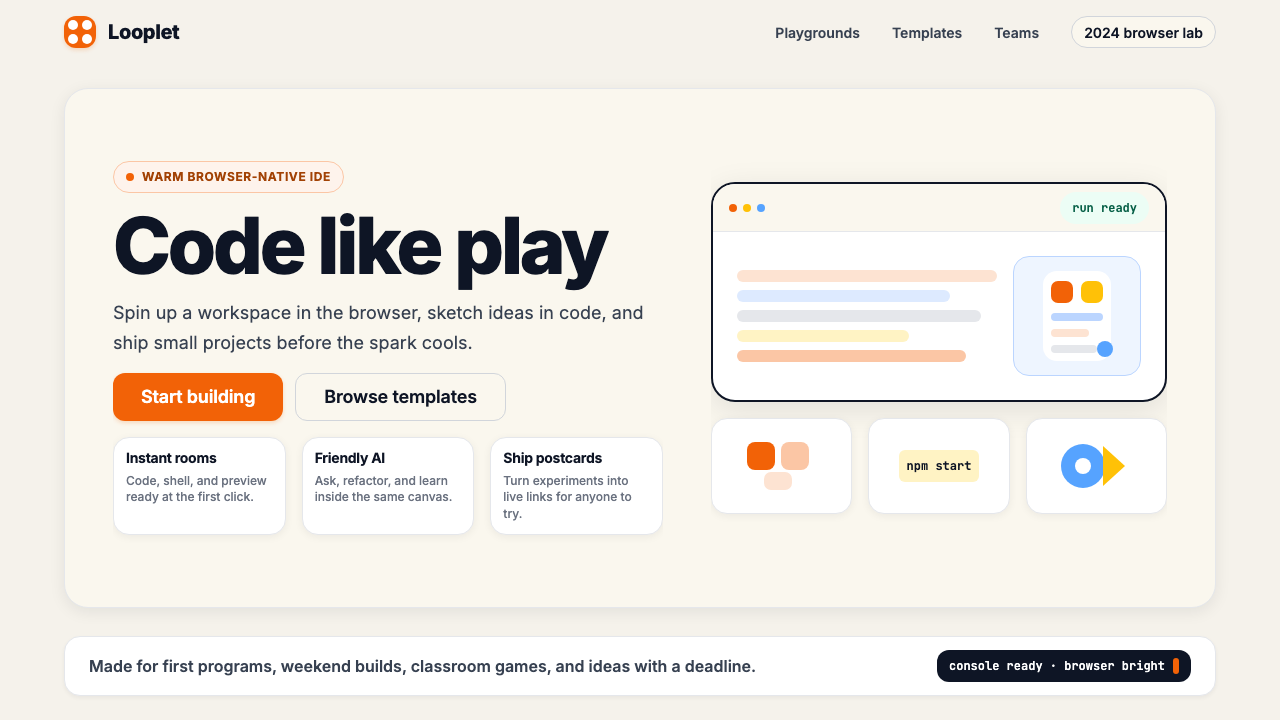 Replit 2024Coding feels warm. Coral buttons, cream panels, rounded code tiles make build…
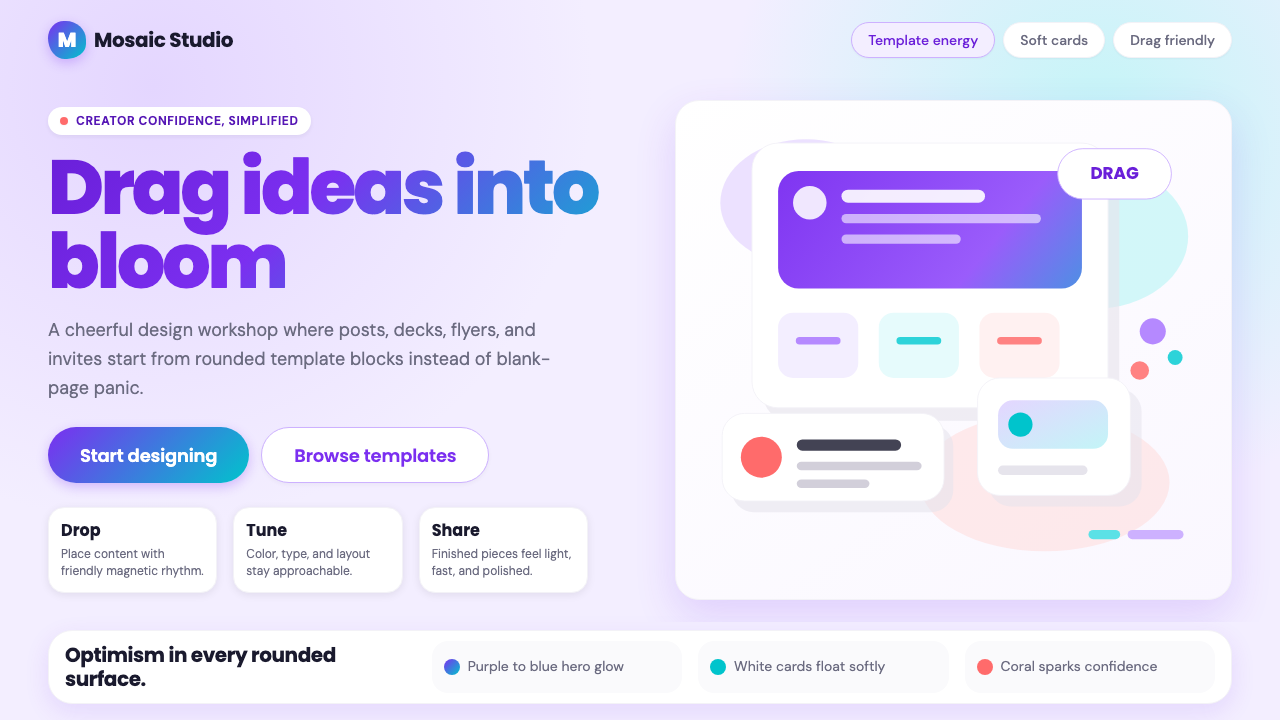 Canva 2024Confidence feels draggable. Purple-blue gradients and floating white template…
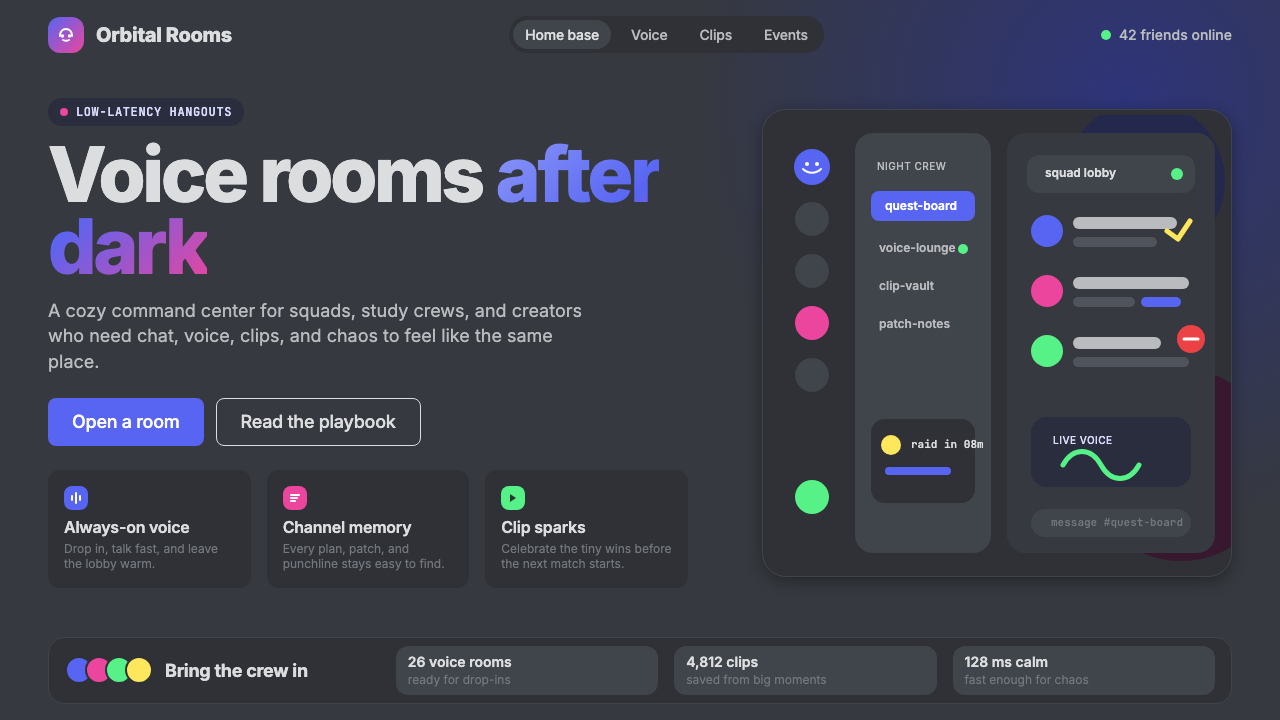 Discord 2024Blurple cozy. Charcoal grounds, illustrated characters — every surface says '…
 Android Lollipop (Material 1.0)Paper becomes physical. Roboto, green FABs and sharp shadows give white cards…
 DatadogSerious telemetry, friendly pulse. Purple dark grids pack charts, badges, and…
 Deno Runtime-GreenWarm precision on black. Saturated green, Inter, and mono code turn security…