What is Lepcha Bamboo Craft?
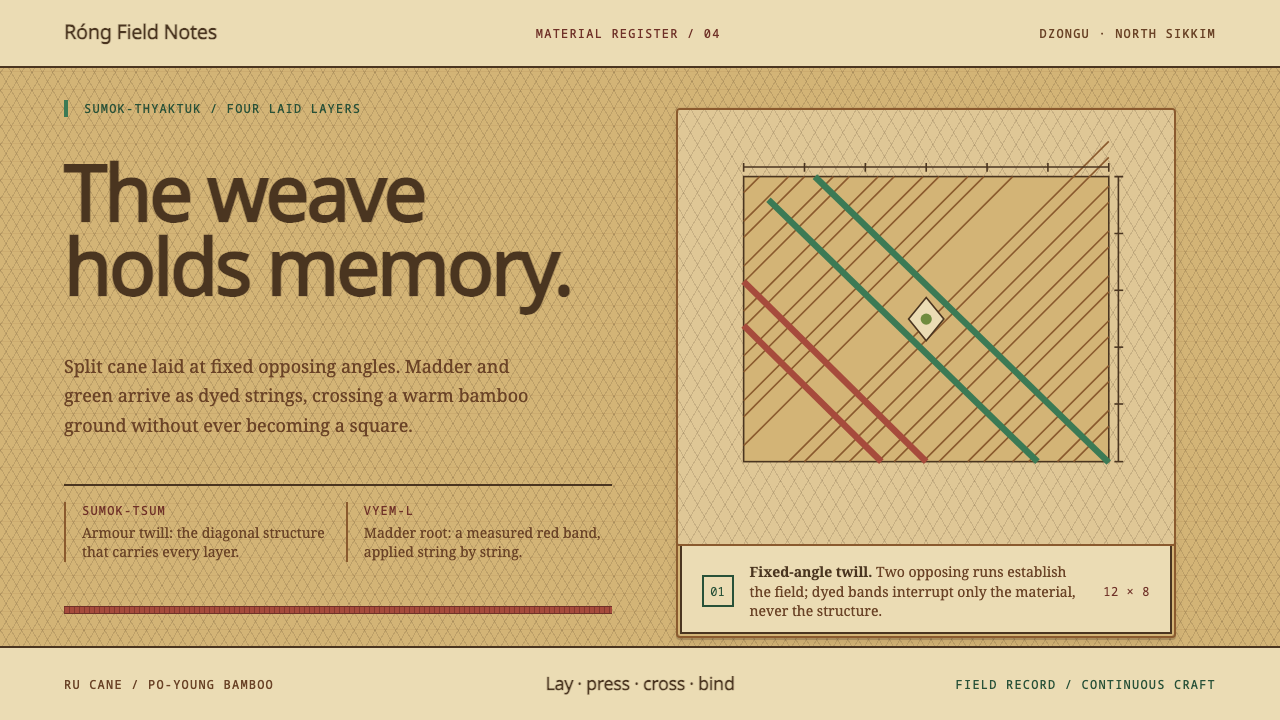
Lepcha weavers split cane and bamboo into strings no wider than a fingernail and cross them on the diagonal into a conical hat that remembers its own making, and this style lets a page be woven rather than printed.
Lepcha Bamboo Craft in brief
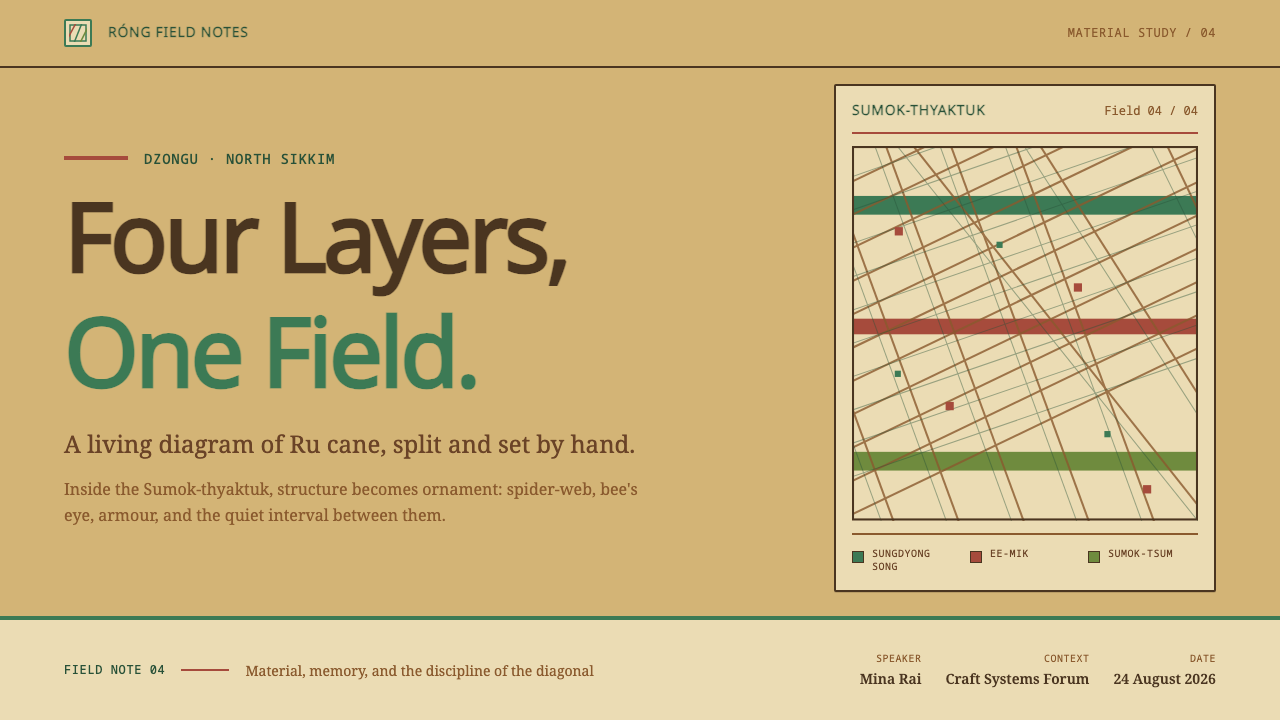
Lepcha Bamboo Craft is a design style drawn from the weaving of the Lepcha people, who call themselves the Róng, in Dzongu, North Sikkim, in the Eastern Himalaya. Weavers there shred Ru cane and Po-young bamboo into strings no wider than a fingernail and lay them flat, layer over layer, into the conical hat called the Sumok-thyaktuk, once worn by Lepcha headmen and by the Sikkim Guard. Each of the hat's four layers carries a name taken from what it resembles: the spider's web, the bee's eye, the design of armour, and a fourth called Afyel.
The visual system takes the hat literally. The page is not paper-white but the warm yellow of freshly split bamboo. Structure runs on the diagonal, because the strings cross at fixed angles and never square up into a rectangular lattice. Colour arrives as dyed bands of madder-root red and of green, laid across the weave at intervals, never as gradient or wash. Edges are wrapped rather than cut, so outlines stay thin and corners are barely rounded.
The result is a light, warm, tactile style whose authority comes from its construction. Most 'natural' or 'bamboo' looks apply a texture over a conventional layout. This one asks the layout itself to behave like a weave: layers over layers, repeating angles, bands crossing the surface at intervals. It is a system about structure that holds memory, which is how its own short description puts it: the weave holds memory.
Where does Lepcha Bamboo Craft come from?
Dzongu lies in North Sikkim, in the Eastern Himalaya of India, and it is the heartland of the Lepcha, the people who call themselves the Róng. The reference record for this style gives its era as 'pre-1900 and continuous': the craft is older than any date that can be pinned to it, and it has never stopped. Inside that long span sits one clearly marked chapter, the regalia of the Sikkim Guard in the period of the Chogyal, the title borne by Sikkim's former rulers, and one more recent chapter, a revival the record dates from the 2000s. A weaving tradition that is continuous, ceremonial and revived all at once deserves careful description.
The materials are Ru cane and Po-young bamboo. The weavers do not plait a few broad strips; they shred the plant into strings no wider than a fingernail and lay them flat, one layer over the next, until the conical form of the Sumok-thyaktuk stands. The four layers are named for the things they resemble, the spider's web, the bee's eye, the design of armour and Afyel, which tells us that the pattern is read as a likeness of something seen rather than as abstract ornament. Where the strings cross they meet at fixed angles and never settle into a square grid, so the characteristic triangular, diagonal twill appears of its own accord.
Colour is a matter of dye, not paint. The strings are coloured with madder root for red and with a green, and the dyed strings are laid into the weave so that colour appears in bands that cross the surface at intervals. The finishing detail the design system cares about most is at the edge: the hat's rim is bound by wrapping rather than trimmed flat. That is where the style's thin outlines and barely rounded corners come from. A wrapped edge is a joining, an act of keeping the strings together, not a cut.
The reference record places the style within three overlapping traditions: Róng material culture, Himalayan cane-and-bamboo weaving, and the Thara craft of Sikkim. The first reminds us that the hat belongs to one community's life and identity; the second locates it in a wider regional skill of splitting and weaving cane; the third ties it to the craft heritage of Sikkim. The record also lists four names as key figures, Jordan Lepcha, Sonam Lepcha, Ghanashyam Gurung and M. L. Arrawatia, without spelling out what each contributed. They are best read as signposts for further reading, and as a reminder that this is a living culture with its own voices, not a pattern library.
What defines the Lepcha Bamboo Craft look?
Split-Bamboo Ground
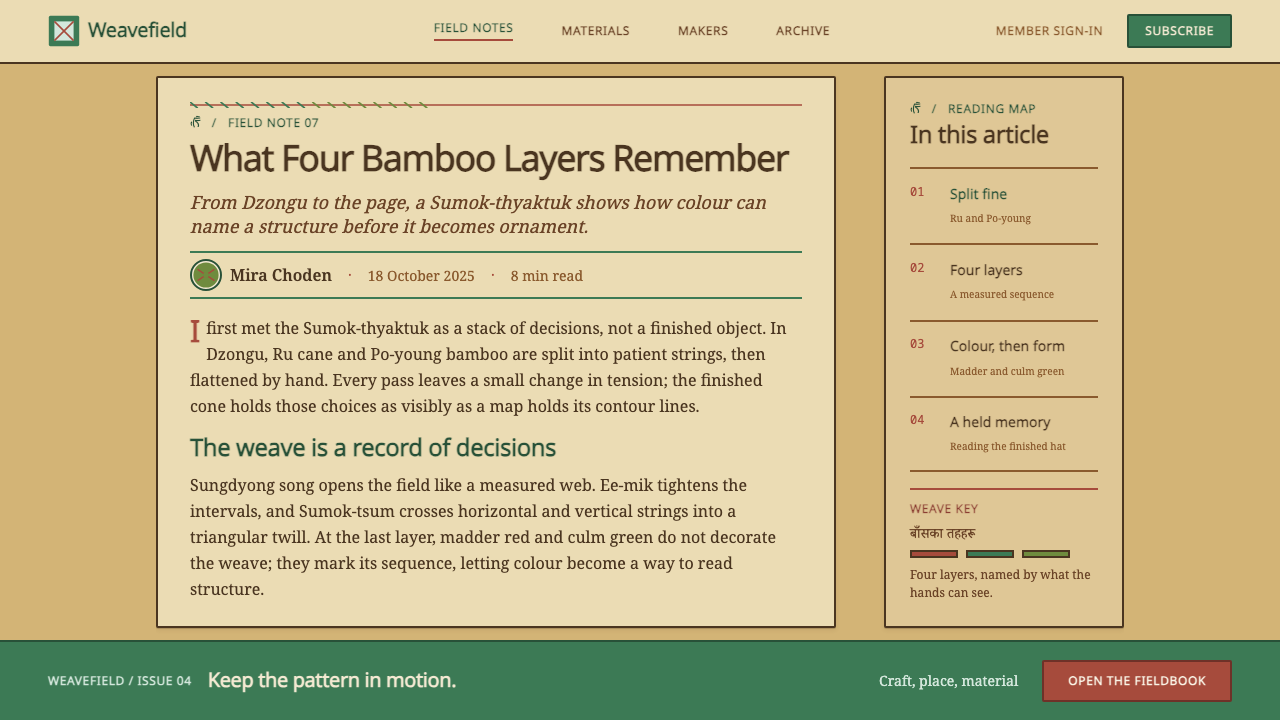
The page is the warm yellow of bamboo that has just been split, not the white of paper. That single choice changes how everything else behaves: ink-dark lines feel like strings laid on a surface, coloured bands feel dyed rather than printed, and the whole composition reads as a material you could pick up. The ground is matte and slightly golden, never glossy.
Diagonal Structure
Because the strings cross at fixed angles and never square up, the structure of the page runs on the diagonal. Lattices, rules and background patterns repeat the same angle, producing triangles where they meet. This is the single most recognisable move in the system: a layout that is not built from rectangles first, but from crossing lines.
Dyed Bands
Colour comes in two dyes, madder-root red and green, and it arrives as bands laid across the weave at intervals. There are no gradients and no washes; a band begins and ends the way a dyed string does. Used sparingly, the bands mark rhythm and emphasis, and the warm ground does the rest of the colour work.
Layer Over Layer
The hat is built from four named layers laid flat one over the next. On screen, depth comes from that overlap: one surface sits over another and shows through at the crossings, rather than casting a soft shadow. Layers are separated by crossing and by thin outline, and each is flat, so the stack feels woven, not floating.
Wrapped Edges
The hat's rim is bound by wrapping, not trimmed. In the system that becomes a handling of edges: outlines are thin and even, corners are barely rounded, and components feel bound at their boundaries rather than cut out of a sheet. The effect is precise without being sharp.
Strand-Scale Linework
The unit of the whole system is the string, no wider than a fingernail. Rules, borders and pattern lines are all drawn at that scale: thin, even, and repeated, never heavy. Heavy blocks of fill are foreign to a weave, so emphasis comes from density and from bands of dye rather than from large solid shapes.
Who shaped Lepcha Bamboo Craft?
The Lepcha weavers of Dzongu, in North Sikkim, are the makers behind everything in this style. They shred Ru cane and Po-young bamboo into strings and lay them layer over layer into the Sumok-thyaktuk. Their method is the system's method: structure first, colour as dyed bands, edges bound rather than cut. A designer who borrows the look is borrowing a craft practice, and should say so.
The Sumok-thyaktuk is the conical hat at the centre of the style, once worn by Lepcha headmen and by the Sikkim Guard. It is made of four named layers, the spider's web, the bee's eye, the design of armour and Afyel. As an object it is a lesson in how a structure can carry names, memory and status at once, which is why the design system treats it as a pattern language rather than a decorative motif.
The Sikkim Guard wore the hat as part of its regalia in the period of the Chogyal, and the reference record ties the style's ceremonial chapter to that period. The same record notes a revival from the 2000s. Together the two dates show a craft that was once tied to rank and court life, and that has since been taken up again as heritage and skill.
These four names are listed as key figures in the reference record, which does not specify what each did. We use them as signposts rather than as stylistic authorities. If you want to go beyond the visual system to the people, language and material culture of the Lepcha and of Sikkim, they are the names to start a reading list with.
How do you use Lepcha Bamboo Craft today?
Lepcha Bamboo Craft suits work that wants warmth, craft and structure at the same time. It is a light style, but not a white one: the ground has a colour and a material, and everything on it should look as though it could be woven. It works best when the subject itself is made, grown or handled by hand, and when the page can afford to be calm.
For presentation slides, a cover can take the diagonal as its organising device: a warm bamboo field, a faint crossing lattice behind the title, and one band of madder red or green running across a corner like a dyed string. Content slides should be treated as layers, with a flat title tier and a flat body tier divided by a thin crossing line rather than a shadow. For data slides, limit colour to the two dyes: let the series that matters take the band of red, give the comparison the green, and leave the rest in the dark linework of the ground.
On the web, the style is well suited to marketplaces for craft goods, heritage and cultural sites, travel and regional storytelling, and any product that wants to feel tactile. Components should be thin-outlined and barely rounded, with no soft shadows. Pricing tiers can be laid out as parallel strips, and navigation can be a row of bands. Dashboards are possible, but they need discipline: keep data cells flat, use diagonal rules sparingly for emphasis, and avoid dense fills that fight the weave.
For editorial and marketing work, the style supports cultural features, artisan profiles, packaging for natural and handmade goods, and exhibition material. Photography should favour close-ups of weave, material and hand, with warm natural light. Captions can borrow the habit of naming pattern by likeness, so that sections and components carry plain, concrete names. Writing should be specific about place and maker; the style rewards credit and punishes vagueness.
The most common mistake is to treat the style as a bamboo-texture overlay on an ordinary rectangular layout. Without the diagonal structure and the dyed bands, only the surface of the style remains and the idea is lost. Other frequent errors are using gradients where a band should be, letting the green-and-brown pairing slide into a generic eco cliché, and tiling the hat's pattern as wallpaper behind unrelated content. Keep the ground, the angle and the bands, use them with restraint, and credit the Lepcha craft that they come from.
Lepcha Bamboo Craft — FAQ
What is a Sumok-thyaktuk?
It is the conical hat woven by Lepcha weavers in Dzongu, North Sikkim, from Ru cane and Po-young bamboo shredded into thin strings. Once worn by Lepcha headmen and by the Sikkim Guard, it is built from four named layers: the spider's web, the bee's eye, the design of armour and Afyel. The style is modelled on the way this hat is constructed.
Why does the style run on the diagonal instead of a normal grid?
Because the strings of the weave cross at fixed angles and never square up, so the structure of the hat is diagonal by nature. The system reproduces that: lattices and rules share one angle and make triangles where they meet. A rectangular grid can still sit underneath for practical layout, but the visible structure should be the crossing lines.
Why only two accent colours?
The strings are dyed with madder root for red and with a green, and those are the colours the weave offers. Everything else comes from the warm bamboo ground and dark linework. Keeping to two dyes also keeps the page legible: colour reads as a band in the weave, not as a palette to be spread around.
Is this a good fit for any eco or sustainability brand?
Not automatically. The style comes from a specific craft in a specific place, and it works best for brands whose subject is making, materials and structure. Applied to a generic eco brand it tends to collapse into the stock green-and-brown look that the system warns against. Use it where weaving, craft or regional heritage is genuinely part of the story.
How should the Lepcha origin of the style be credited?
Name the craft and the place: Lepcha weaving from Dzongu, North Sikkim. Where possible, describe the Sumok-thyaktuk and its four layers rather than calling the look 'tribal' or 'ethnic'. Credit costs one line and keeps a living culture from being turned into an anonymous texture pack.
Related design styles
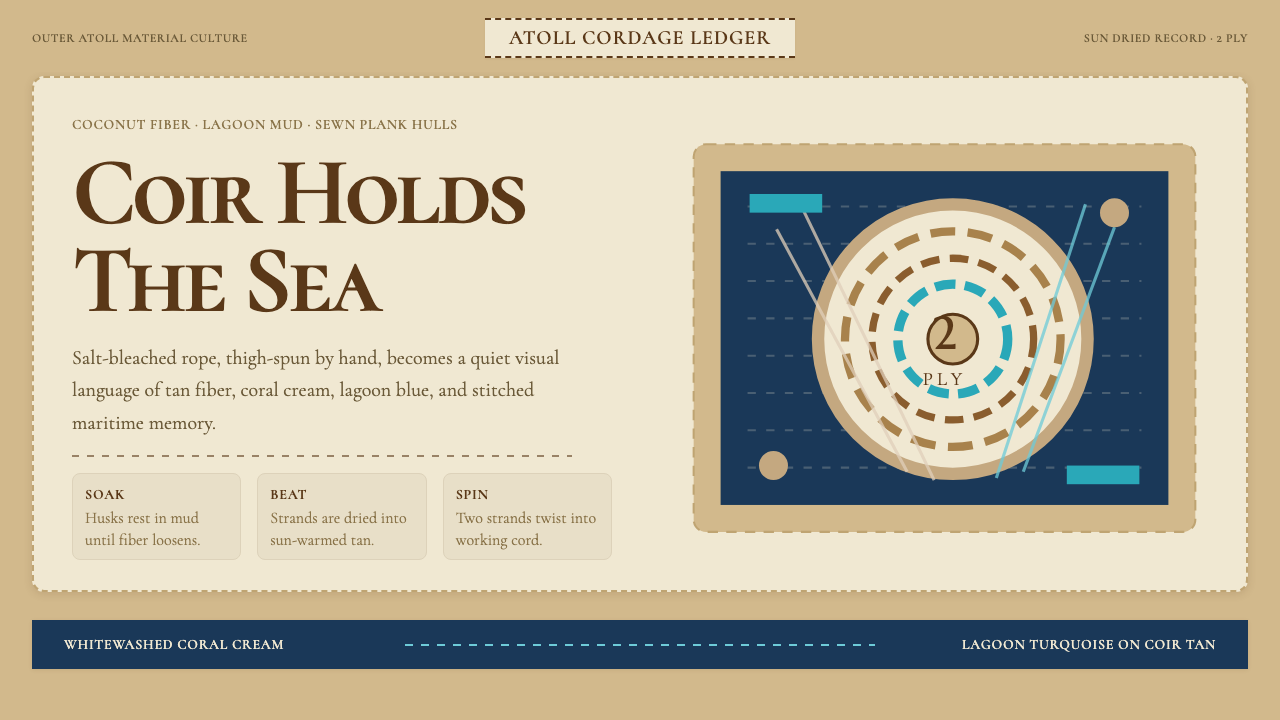 Maldivian Coir (Coconut Rope)Ocean-tested craft. Coir tan, coral cream, Cormorant type, and dashed seam ge…
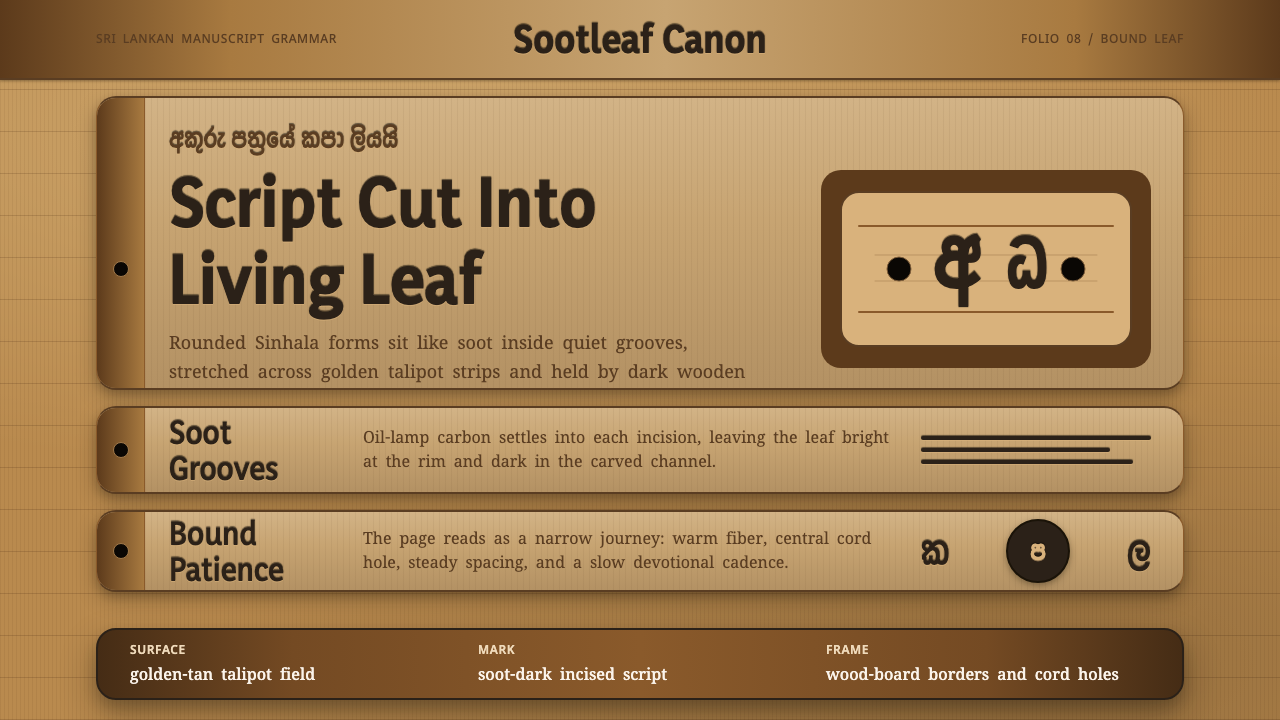 Sinhala Ola-LeafDevotion turns tactile. Soot text, Yaldevi curves, and palm-brown strips bind…
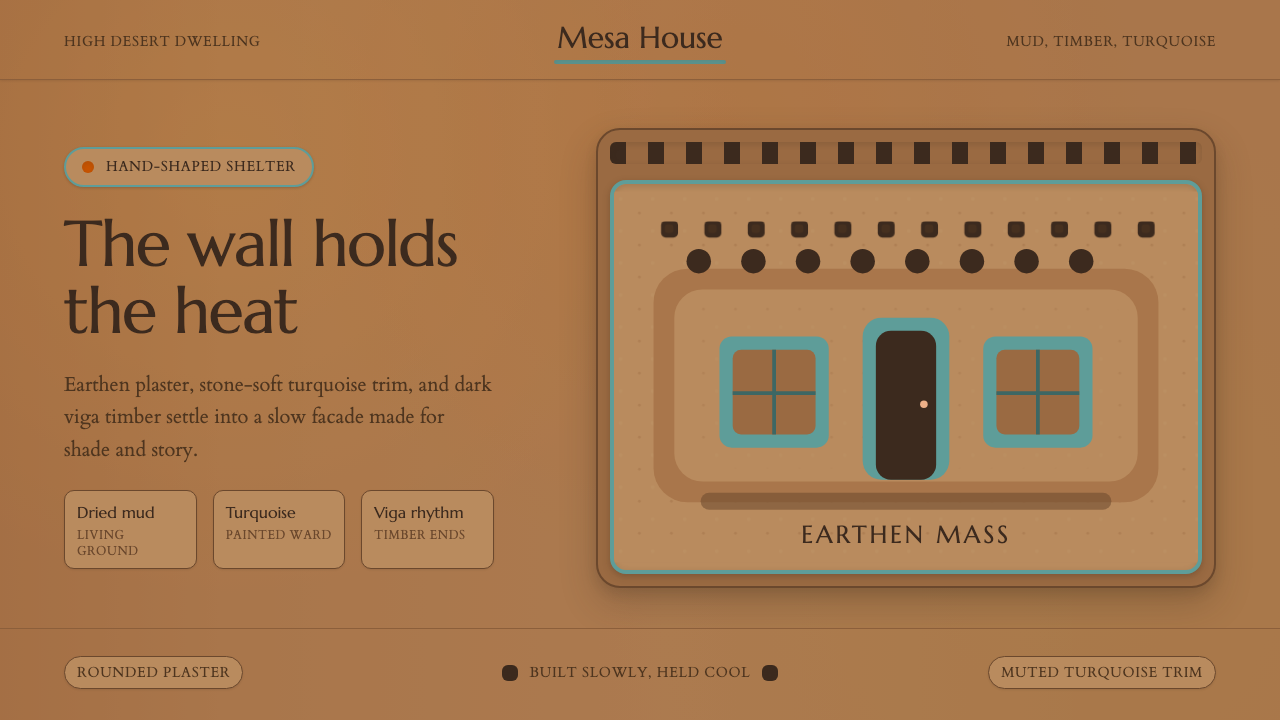 Adobe Pueblo SouthwestFeels made by hand. Earthen tan, turquoise trim, and viga rhythm shape the fr…
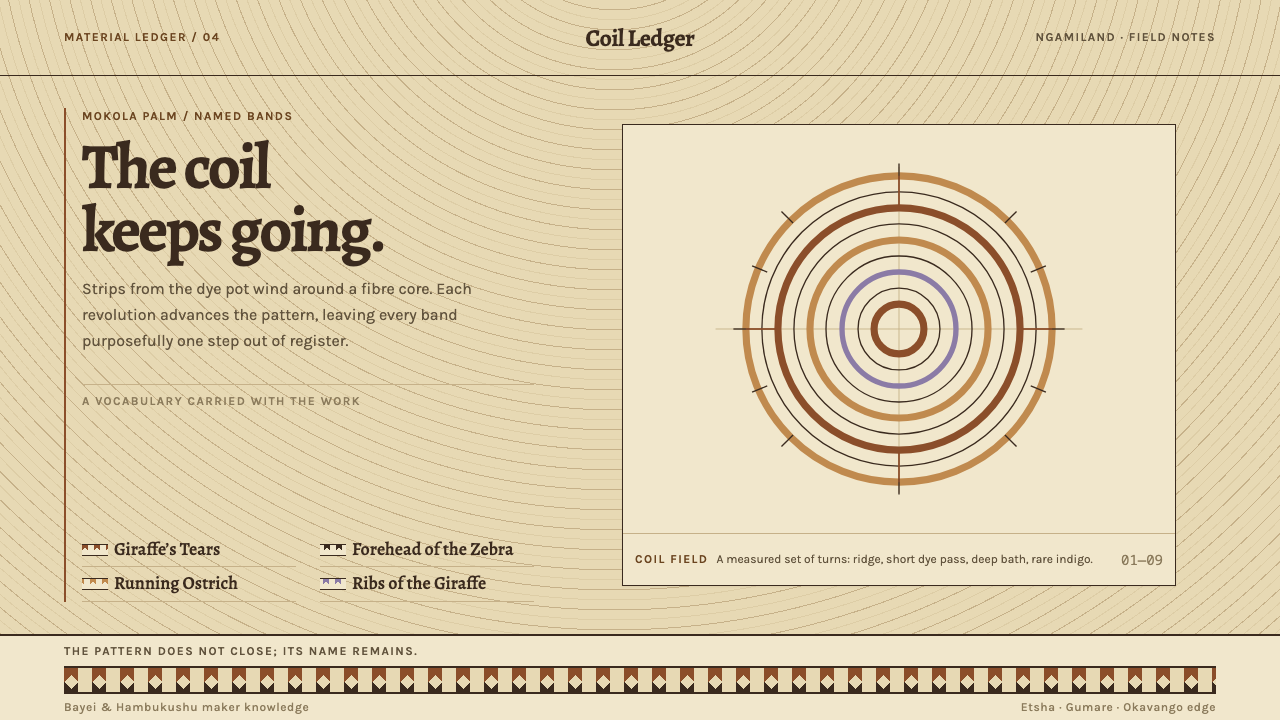 Botswana Coiled BasketThe pattern keeps travelling. Bark-brown stepped bands wind across a straw co…
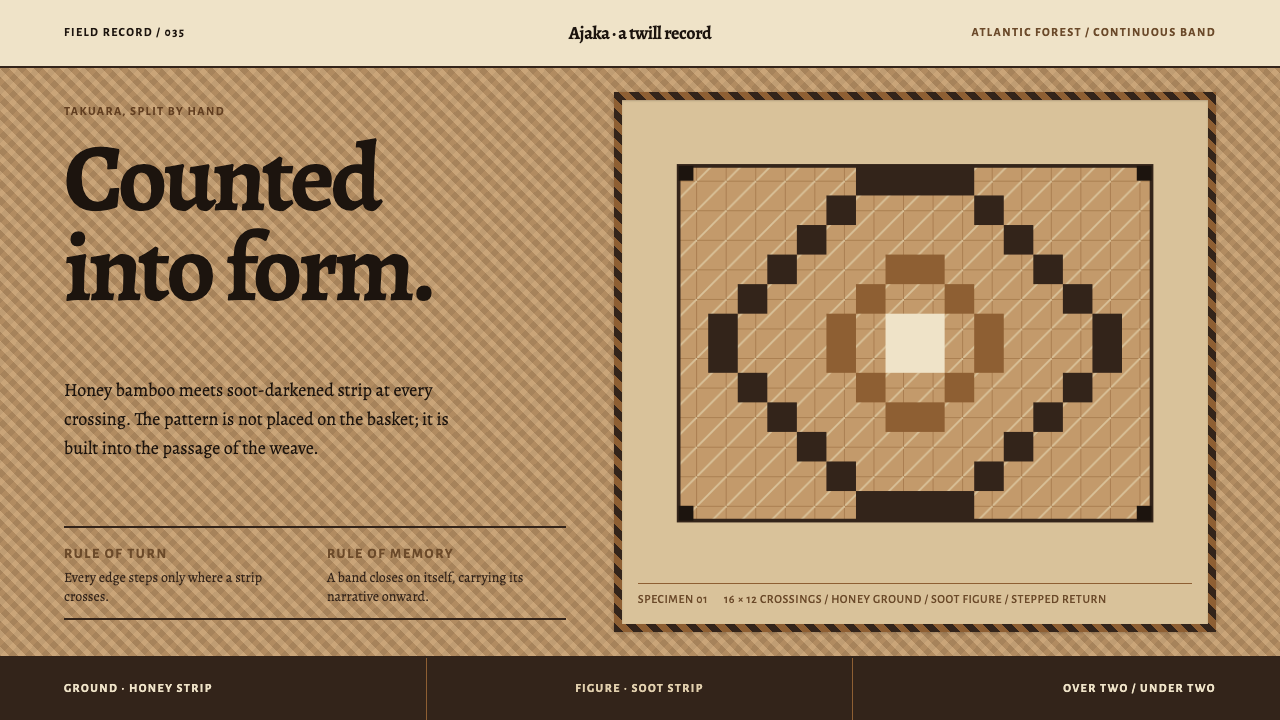 Guaraní Takuara BasketPattern is a record, not garnish. Honey bamboo and soot strips lock into a co…
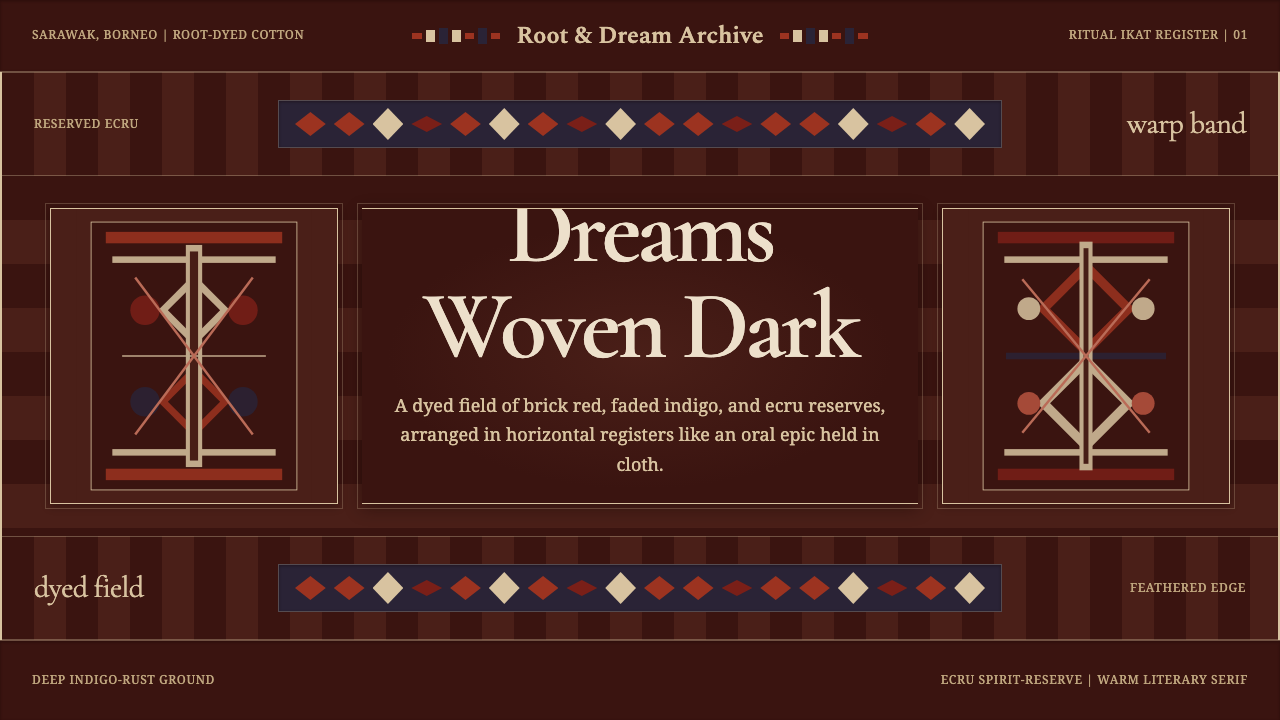 Iban Pua KumbuSacred cloth logic. Indigo-rust bands, ecru reserves, and blurred ikat edges…