What is Sailor Moon Shoujo?
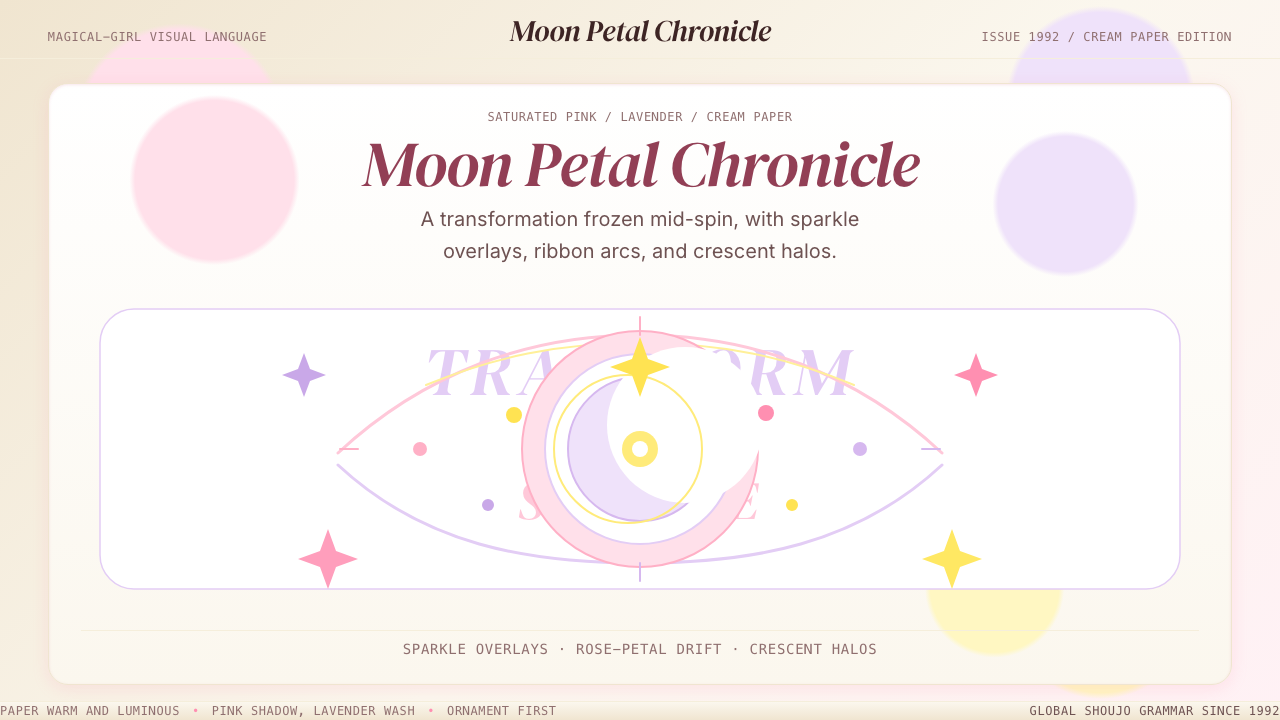
Sailor Moon Shoujo freezes a magical-girl transformation mid-spin — saturated pastel swirls, crescent tiaras, cascading ribbons, and an unapologetic sweetness that defined a genre for a generation.
Sailor Moon Shoujo in brief
Sailor Moon Shoujo is the canonical visual language of 1990s magical-girl anime and manga: a lush, ornate aesthetic built from saturated pink and lavender, soft cream and white grounds, sparkle overlays, rose-petal motifs, crescent-moon iconography, and the elaborate flourishes of transformation sequences. It is the rare design style that is simultaneously maximalist and internally coherent — every element of excess has a recognizable emotional purpose.
The style operates through layering. A typical composition might place a cream or pale ground beneath a gradient sky, scatter sparkles and starbursts across the midground, add ribbons and lace borders at the edges, and culminate in a central figure surrounded by petals, light rays, and ornamental typography. None of this reads as clutter because the palette is carefully controlled: pinks, lavenders, soft yellows, and peach tones occupy the warm end of the spectrum, while pale blues and mints provide contrast without introducing visual weight. The result is richness without darkness.
At its core, Sailor Moon Shoujo is a narrative style. Its visual vocabulary — the crescent moon, the star, the heart, the rose, the bow — carries story meaning. These symbols do not function as decoration in the way that geometric ornament does in other styles; they are a visual shorthand for the genre's thematic preoccupations: love, transformation, identity, and power. Applying the style correctly means treating its motifs as meaningful rather than merely pretty.

Where does Sailor Moon Shoujo come from?
The style traces directly to Naoko Takeuchi, a manga artist who began serializing Pretty Soldier Sailor Moon in the monthly shōjo anthology Nakayoshi in December 1991. Takeuchi fused two previously distinct genres — the magical-girl tradition originating with Sally the Witch in 1966, and the sentai (team superhero) action format — into a single narrative that centered romantic emotion and personal transformation alongside battle sequences. Her draftsmanship set the visual template: elongated proportions, enormous luminous eyes, elaborately designed costumes featuring sailor-collar uniforms, bows, and crescent insignia, and transformation sequences rendered with an almost baroque density of starbursts, ribbons, and radial light.
Toei Animation brought the manga to television in March 1992, and the adaptation codified the visual language for a global audience. Director Junichi Sato and later Kunihiko Ikuhara — who would go on to create Revolutionary Girl Utena — shaped the anime's signature aesthetic vocabulary: the spinning transformation henshin sequences that became the style's most imitated element, the pastel-gradient backdrops of Tokyo neighborhoods, the recurring moon and star iconography, and the editorial italic typography used in title cards and eyecatches. The anime's color styling, handled by Toei's experienced animation teams, standardized the palette that the broader genre would adopt for the rest of the decade.
The cultural moment was as important as the creators. Japan's early 1990s saw a sustained boom in shōjo manga, a genre addressing adolescent girls as a primary creative and commercial audience rather than a peripheral one. Publishers like Kodansha, who produced Nakayoshi, invested heavily in visual spectacle. Meanwhile, improvements in color printing for manga supplementary materials — artbooks, merchandise inserts, and deluxe editions — gave Takeuchi's full-color illustrations wide distribution and established the palette associations that fans internalized: Sailor Moon's primary pink, Sailor Mercury's cool blue, Sailor Mars's deep red, and so on across the ensemble cast.
International distribution through the 1990s and early 2000s — including North American broadcast adaptations, European releases, and widespread VHS circulation in Asia — carried the visual language beyond Japan. A generation of artists, designers, and illustrators who grew up watching the show absorbed its aesthetic vocabulary as a formative reference. The 2014 reboot Sailor Moon Crystal, produced to mark the franchise's twentieth anniversary, reintroduced the style to a new generation with updated production values while maintaining the core visual grammar. Today the style functions simultaneously as nostalgia artifact and living design language, actively cited in fashion, digital illustration, and graphic design globally.
What defines the Sailor Moon Shoujo look?
Palette
The foundational palette centers on saturated pinks and lavenders — warm, luminous hues that read as both sweet and intense simultaneously. These anchor colors are extended by soft creams, pale yellows, and peach tones in the warm range, and by cool mints and baby blues that provide contrast without visual weight. White appears frequently, not as a neutral ground but as a glowing, almost radiant surface. The palette avoids dark values; even shadows in this style tend to be warm violet or soft purple rather than black or grey. The overall impression is of color that is fully saturated but never heavy.
Sparkle and Light Overlay
Sparkle elements — starbursts, lens flares, scattered diamonds, and radial glows — are not accent details in this style; they are structural components of the composition. Every major figure or focal element is surrounded by light, and the background atmosphere is typically thick with small scattered stars or shimmer. The light sources in these compositions are multiple and non-directional, producing a suffused, omnidirectional glow rather than a single-source highlight. This creates a sense of being inside a moment of transformation rather than observing it from outside.
Ornamental Motifs
The style maintains a consistent vocabulary of symbolic motifs: crescent moons as crowns or tiaras, five-pointed stars as scattered field elements or jewelry, roses either whole or mid-fall as petals, bows and ribbons both as costume elements and as compositional framing devices, and hearts used across scales from tiny scattered accents to large graphic anchors. These motifs are not interchangeable decoration — each carries genre-specific meaning. The crescent in particular is the style's most singular identifier, and its appearance in any composition immediately invokes the aesthetic tradition.
Soft, Layered Depth
Unlike flat or diagrammatic styles, Sailor Moon Shoujo uses extensive soft gradients, glowing halos, and atmospheric perspective to create a sense of deep, dreamy space. Backgrounds recede through pastel washes into luminous white or pale sky; foreground elements are richly detailed while middle distances soften into haze. Edges are rarely hard: figures blur slightly at the halo, petals feather at their tips, light sources dissolve outward. The depth is not photorealistic — it is idealized, resembling a dream-space more than a physical environment.
Editorial and Italic Typography
Text in this style appears with deliberate calligraphic or editorial character. Titles and headings use sweeping italic or script letterforms, often with thin stroke contrast and delicate serifs. The type frequently incorporates small ornamental elements — stars, hearts, or floral dingbats — either embedded within the letterforms or arranged around them as typographic companions. Hierarchy is established through size contrast and decorative weight rather than through grid-strict alignment. The overall typographic register is feminine and romantic in a specifically 1990s sense: expressive rather than systematic.
Transformation-Sequence Drama
Perhaps the style's most distinctive contribution to visual design is what might be called transformation-sequence drama: the treatment of any central figure as if it is mid-transformation, surrounded by and generating light, motion, and symbolic material. In the original anime, transformation sequences were kinetic and elaborately animated. In static design applications, this quality is achieved through radial composition, multiple overlapping sparkle layers, ribbons or other linear elements that imply motion, and the placement of the figure at the center of an outward-radiating composition. The figure does not exist in a scene; it creates the scene.
Costume Iconography
The Sailor Senshi uniform — sailor-collar blouse, pleated skirt, bow at chest and back, tiara with central gem, and elbow-length gloves — functions as a visual anchor and design system in itself. Each character's variant of the uniform follows the same structural grammar while differentiating through color and accessory detail. In design applications beyond illustration, this principle translates into the use of uniform structural templates differentiated by color coding: the sailor-uniform logic becomes a flexible design system that maintains coherence while allowing personality variation.

Who shaped Sailor Moon Shoujo?
Takeuchi is the creator and primary visual architect of the Sailor Moon aesthetic. Trained in pharmaceutical science before pursuing manga, she brought unusual discipline to her character design and world-building. Her original manga pages established the foundational visual grammar — the costume designs, the transformation iconography, the color associations for each Senshi, and the use of elaborate ornamental borders and decorative typography within shōjo page layouts. Her full-color illustrations, widely reproduced in merchandise and artbooks, were particularly influential in establishing the palette and luminosity that define the style globally. She continued developing the franchise through Sailor Moon Crystal and licensed art across its lifespan.
Toei Animation's production of the 1992 anime was not merely an adaptation but a visual expansion of Takeuchi's work. The studio's color stylists standardized and intensified the manga palette for broadcast television, selecting saturated pinks and lavenders that would read as luminous on cathode-ray tube screens. The transformation sequences — technically challenging animations requiring many frames of sparkle, ribbon, and figure rotation — became the studio's signature technical contribution to the genre and the element most widely referenced in later magical-girl productions including Pretty Cure, Tokyo Mew Mew, and Cardcaptor Sakura. Toei's work on Sailor Moon established the production template for the genre for the following two decades.
Ikuhara joined as series director for Sailor Moon S and Sailor Moon SuperS before departing to create Revolutionary Girl Utena (1997), a work that pushed shōjo visual language into deliberately surrealist and feminist territory. His episodes of Sailor Moon are notable for their heightened visual sophistication — unusual compositional angles, more abstracted use of the transformation iconography, and a tonal ambiguity between sweetness and menace that distinguished his work from more straightforwardly kawaii execution. Ikuhara's later career demonstrates the range inherent in the shōjo aesthetic vocabulary he helped develop: the same symbolic elements — roses, stars, transformation sequences — can be deployed as innocent charm or as critical, even subversive, commentary.
Sato directed the original Sailor Moon series and Sailor Moon R, establishing the foundational tone and visual rhythm of the anime from its debut. His direction prioritized emotional legibility over visual complexity: the transformation sequences he supervised were designed to function as punctuation marks within each episode — predictable in structure but always capable of generating fresh excitement. The visual grammar Sato established in the first two seasons — the eyecatch typography, the episode title card compositions, the color temperature of Tokyo's backgrounds, and the choreography of the ensemble cast — became the reference standard against which all subsequent magical-girl productions were measured.
While not a creator of Sailor Moon itself, the broader context of early 1990s shōjo and shōnen manga publishing in which Takeuchi worked is important for understanding the style's emergence. The competitive environment of Monthly Nakayoshi — alongside series like Cardcaptor Sakura, which would later extend the magical-girl visual vocabulary — shaped the visual ambition and richness that defined the genre. Takeuchi's achievement was to synthesize these influences into a style dense enough to support a global franchise while remaining visually coherent. The aesthetic she established in 1991–1992 proved durable precisely because it was built from symbolic depth rather than surface trend.
How do you use Sailor Moon Shoujo today?
Sailor Moon Shoujo is among the most emotionally immediate historical design styles available to contemporary designers: it communicates sweetness, magic, transformation, and feminine power within seconds of exposure. Applying it correctly requires understanding that it is a layered, additive style — its richness comes from the accumulation of coordinated elements, not from any single element in isolation. A single crescent moon on a white background is not Sailor Moon Shoujo; a composition with a glowing gradient ground, scattered sparkles, a crescent motif, and ornamental italic typography begins to read that way.
For presentation slides, the style works most powerfully on cover pages and section dividers rather than dense content pages. A cover built in this style benefits from a central figure or motif surrounded by radial sparkle, set against a warm gradient — pink to lavender, or cream to pale gold — with a title in a sweeping italic or script letterform. Section dividers can use full-bleed pastel gradients with a single oversized symbolic element — a star, a crescent, a rose silhouette — centered or offset. Content slides should pull back significantly: a clean pale ground, the primary accent color used sparingly for headers or callout lines, and any decorative elements reduced to small icon-scale motifs in the corners. Data visualizations in this style use the palette's pinks and lavenders as series colors, with sparkle or star-shaped data markers replacing conventional circles or squares.
For web interfaces, the style is best suited to contexts that genuinely call for a dreamy, romantic, or celebratory feeling: beauty and cosmetics brands, fashion editorial, event landing pages, fan communities, and products targeting audiences with a shared nostalgic relationship to the genre. Dashboard and information-heavy interfaces should use the style selectively — a styled header zone or hero section can establish the aesthetic context, while content areas adopt a lighter hand, using the palette's soft tones as backgrounds and reserving the full ornamental vocabulary for moments of positive feedback (success states, achievement unlocks, reward screens). Avoid applying the full visual density to utility interfaces where rapid information scanning is required.
For editorial and marketing work, Sailor Moon Shoujo supports romantic, aspirational, and celebratory campaigns with exceptional natural fit. Magazine layouts can use the style's layered approach: a full-bleed gradient background image with sparkle overlay, display type in an ornamental italic, and body text set on a cream or pale surface panel that lifts from the background. Marketing campaigns benefit from the style's strong color identity — campaigns anchored in the pink-lavender-cream triad are immediately identifiable and perform well in social media contexts where visual distinctiveness matters. The style's nostalgic dimension also makes it effective for anniversary campaigns, reissues, or any communication that aims to evoke warmth and personal history.
A common mistake when applying this style is confusing softness with vagueness — producing work that is pale and diffuse without achieving the style's characteristic luminosity and richness. Authentic Sailor Moon Shoujo compositions are saturated and precise within their softness: the pinks are fully pink, the sparkles are bright against their grounds, and the motifs are cleanly rendered even when surrounded by atmospheric haze. A second frequent error is using the full ornamental vocabulary without establishing the compositional hierarchy that makes it legible. In the original anime and manga, ornament always serves the focal figure; in design applications, decoration should similarly radiate from and serve the primary message rather than compete with it.

Sailor Moon Shoujo — FAQ
Is Sailor Moon Shoujo the same as kawaii or general cute Japanese aesthetics?
They overlap but are distinct. Kawaii is a broad cultural aesthetic encompassing anything from Sanrio characters to Harajuku fashion, defined primarily by small scale, round forms, and an emphasis on helplessness or innocence. Sailor Moon Shoujo shares the palette preferences but operates at much higher visual complexity and carries strong narrative and symbolic content. Where kawaii tends toward simplicity and rounded minimalism, Sailor Moon Shoujo is ornate, layered, and dramatic. The crescent moon, transformation sequence vocabulary, and bishoujo proportions give it a specificity that distinguishes it from the broader kawaii category.
Can this style work in dark or night-mode interfaces?
Yes, and dark variants can actually intensify the style's most distinctive quality: its luminosity. The Sailor Moon universe regularly uses deep indigo or midnight-blue grounds in space sequences and dramatic moments, against which pinks and lavenders glow with exceptional brilliance. A dark-mode application of the style should anchor the background in a deep, cool-toned purple or navy — avoiding pure black, which tends to flatten the sparkle elements — and allow the primary pinks and lavenders to read as light sources rather than surface colors. Sparkle and glow effects become even more central in the dark variant, and the crescent moon motif has particular natural resonance against a night-sky ground.
How do I avoid the style looking dated or campy rather than nostalgic and intentional?
The critical distinction is intentionality and precision. Dated or campy execution tends to reach for the most obvious surface signals — pink, stars, maybe a crescent — without achieving the compositional sophistication that makes the original material so compelling. To read as intentional rather than accidental: first, treat the palette with full commitment (half-saturated pinks read as amateur mistakes, not stylistic choices); second, establish clear compositional hierarchy before adding ornament; third, use the symbolic vocabulary with specificity rather than scattering every available motif across the composition; fourth, ensure that any text elements are set with care and commitment to the ornamental typographic register. The style rewards specificity. The more precisely it is applied, the more clearly it reads as knowing and intentional.
What is the right way to handle photography within this style?
Photography can be integrated effectively if it is treated as a raw material to be transformed rather than as documentary imagery to be displayed. Typical approaches include duotone or tritone color treatment that replaces the photograph's native tones with the style's pink-lavender palette; sparkle and lens-flare overlays composited over portrait photography to create the transformation-sequence aura; aggressive vignetting and edge softening that dissolve the photographic into the illustrated; and silhouetting of figure photography against gradient or illustrated grounds. What does not work is placing neutral or naturalistic photography directly into a Sailor Moon Shoujo layout without treatment — the tonal and textural mismatch is severe. The photograph must be brought into the style's visual world through chromatic and compositional treatment.
Which contexts are a poor fit for Sailor Moon Shoujo, and why?
The style's strong emotional and cultural associations make it a poor fit for contexts that require neutrality, authority, or credibility as primary signals. Financial services, legal information, healthcare communications, and enterprise software all depend on visual registers that communicate competence and trustworthiness — the style's sweetness and ornamental richness can undermine these qualities. Similarly, applications where rapid information parsing is critical — news interfaces, navigation systems, safety communications — conflict with the style's maximalist approach, which asks viewers to dwell and absorb rather than scan and act. Finally, the style's deeply embedded cultural associations with specifically 1990s Japanese popular culture can create misalignment in contexts where that cultural reference is not shared or desired by the target audience.
Related design styles
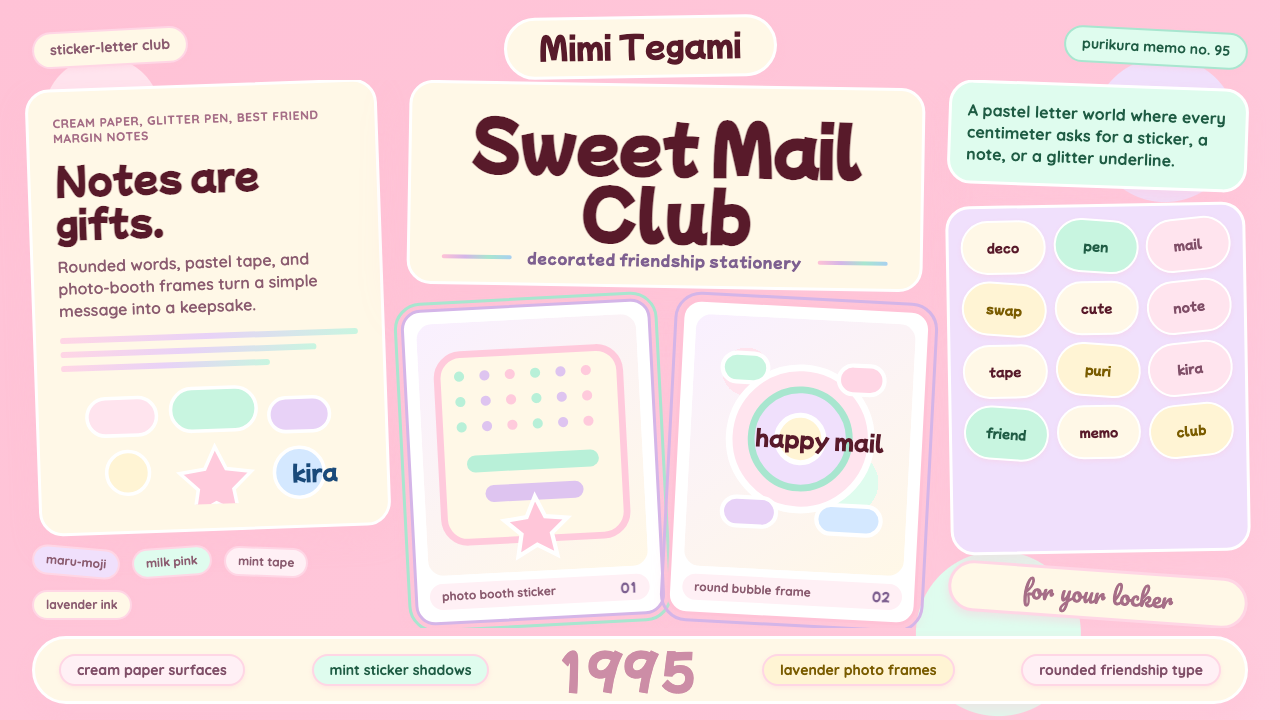 Kawaii Japanese Letter PurikuraCuteness fills every inch. Pink cream paper, mint stickers, lavender frames.
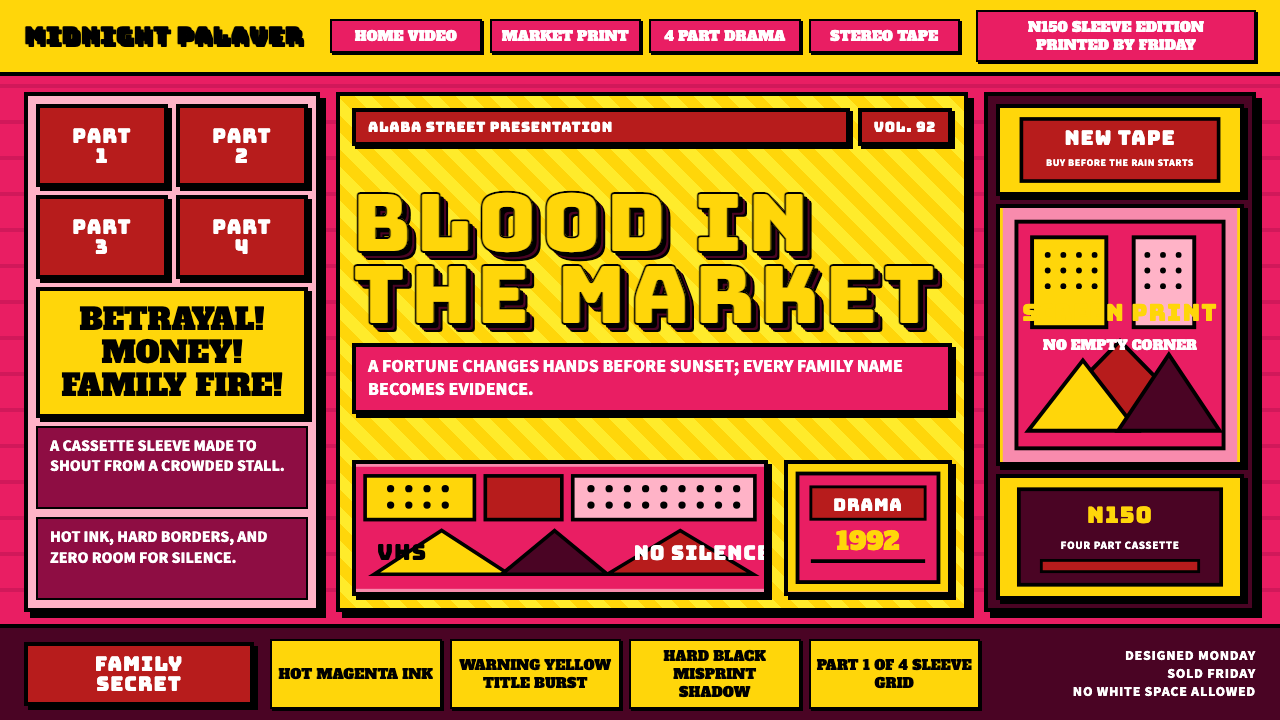 Nollywood VHS CoversEvery inch shouts. Magenta, warning yellow, hard shadows, and part stamps pac…
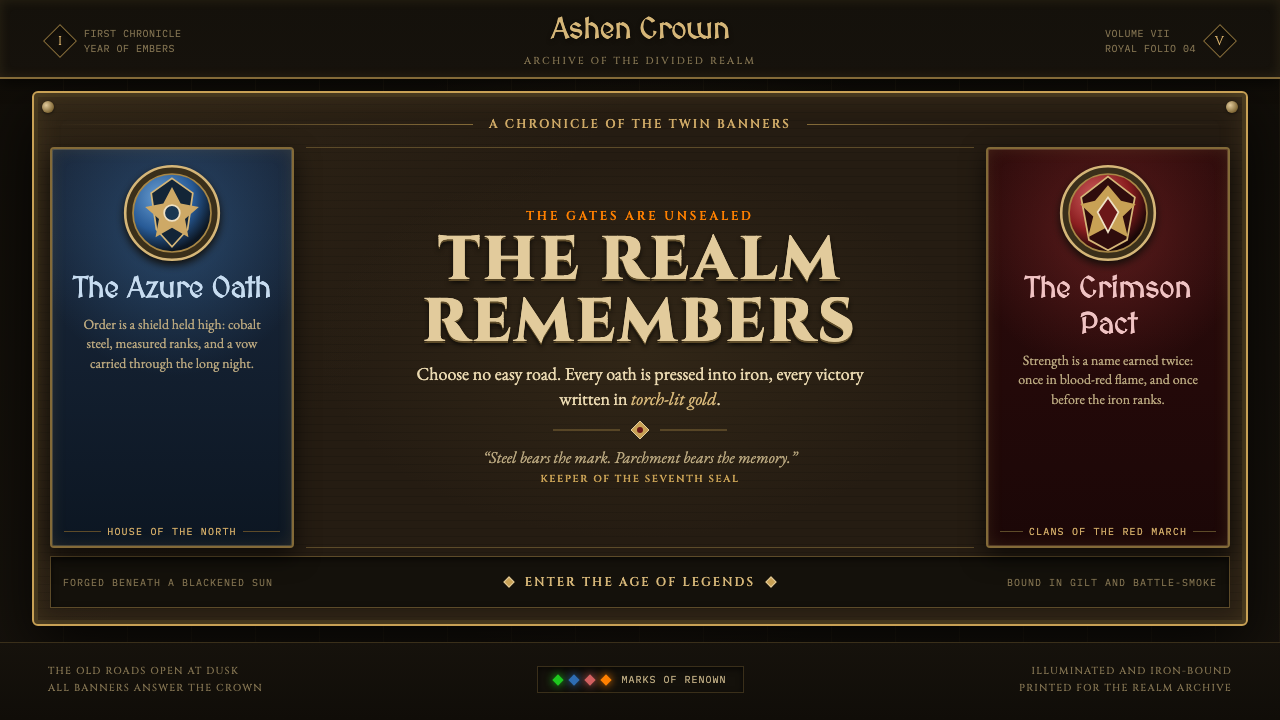 World of Warcraft (2004)Fantasy is forged, not clicked. Dark parchment, gilt rivets, cobalt and crims…
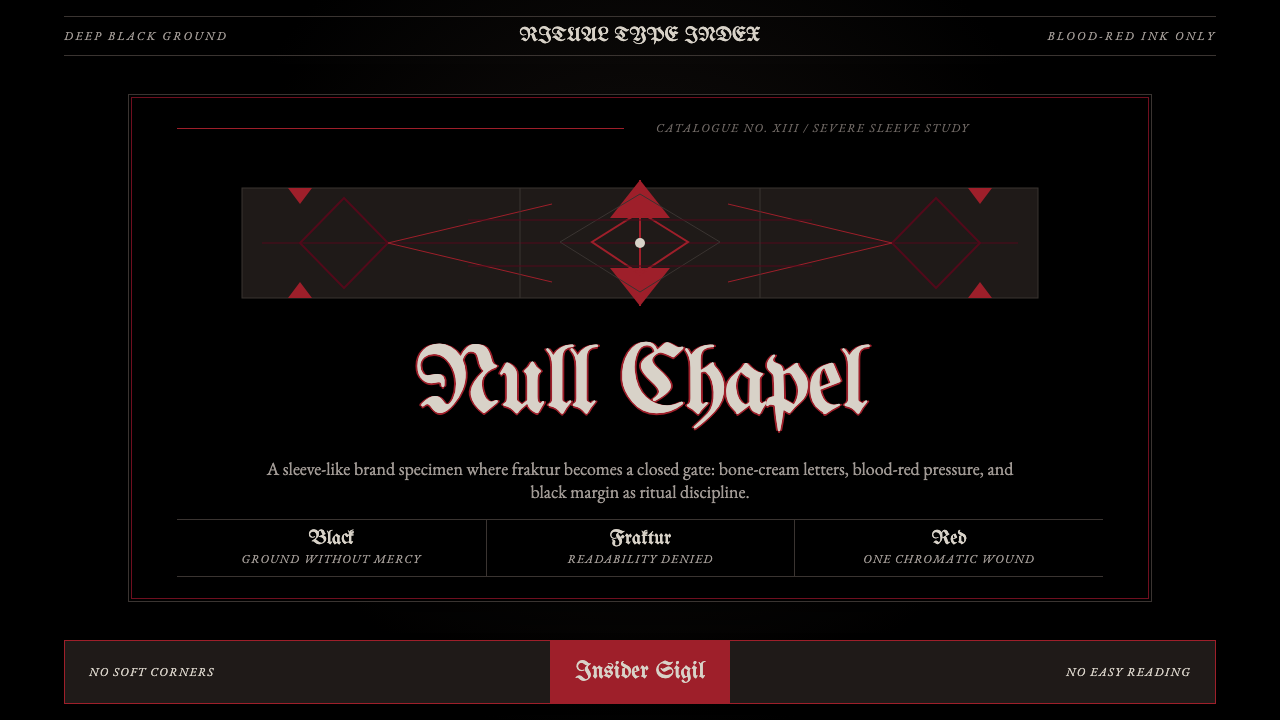 Death Metal BlackletterUnreadable by design. Bone fraktur on black, cut by one blood-red geometric s…
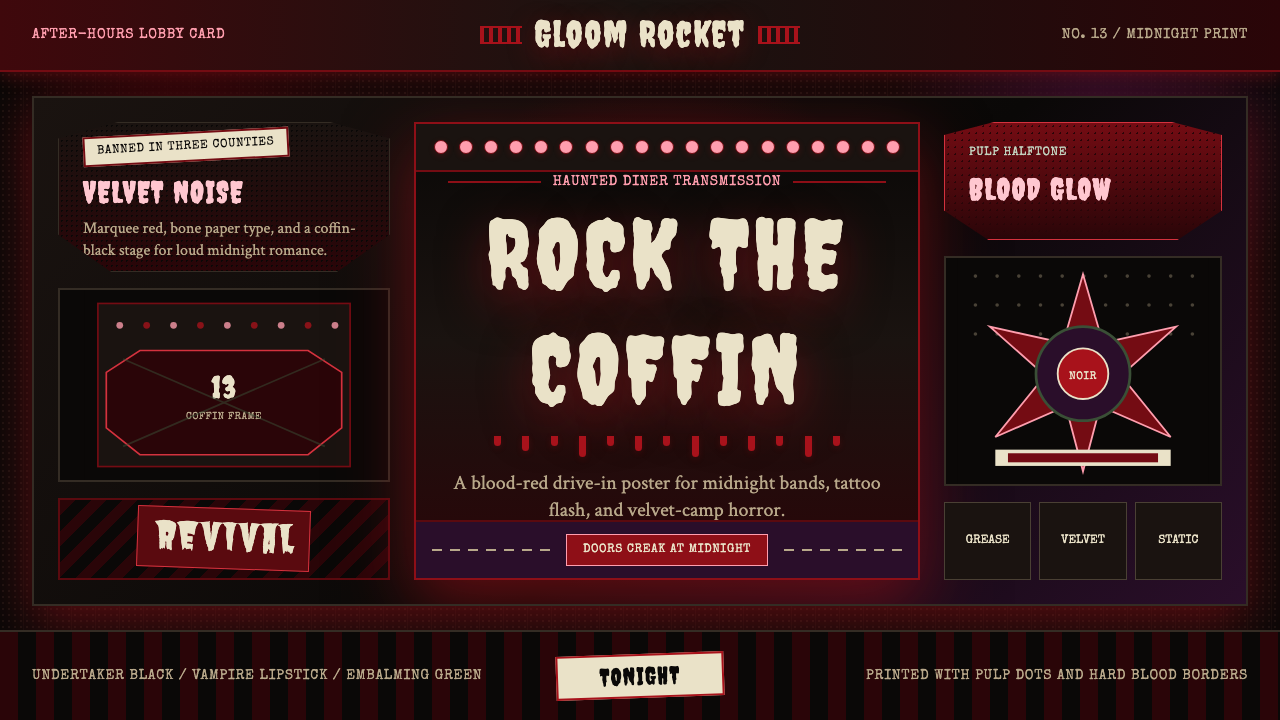 Gothabilly Horror RevivalHaunted swagger. Blood-red marquee type, coffin frames, and pulp halftone on…
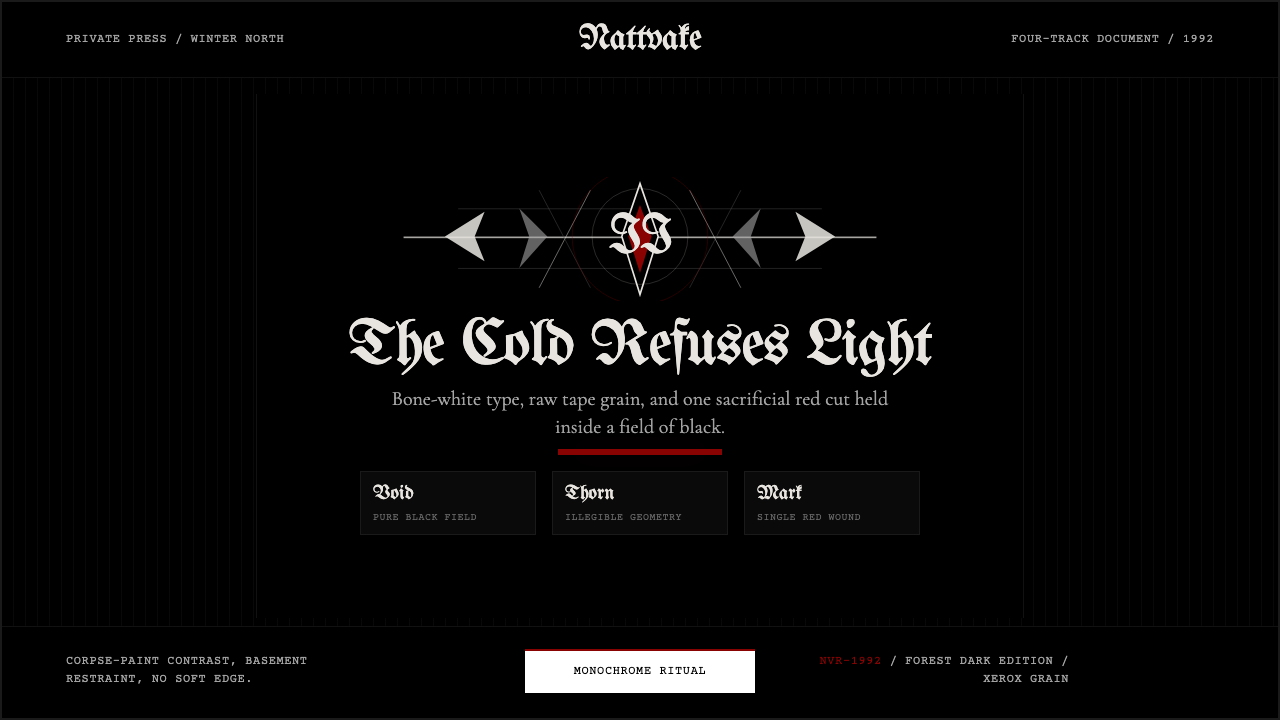 Norwegian Black Metal (1992)Ritual severity. Bone-white blackletter cuts through black grain with one blo…