What is Nollywood VHS Covers?
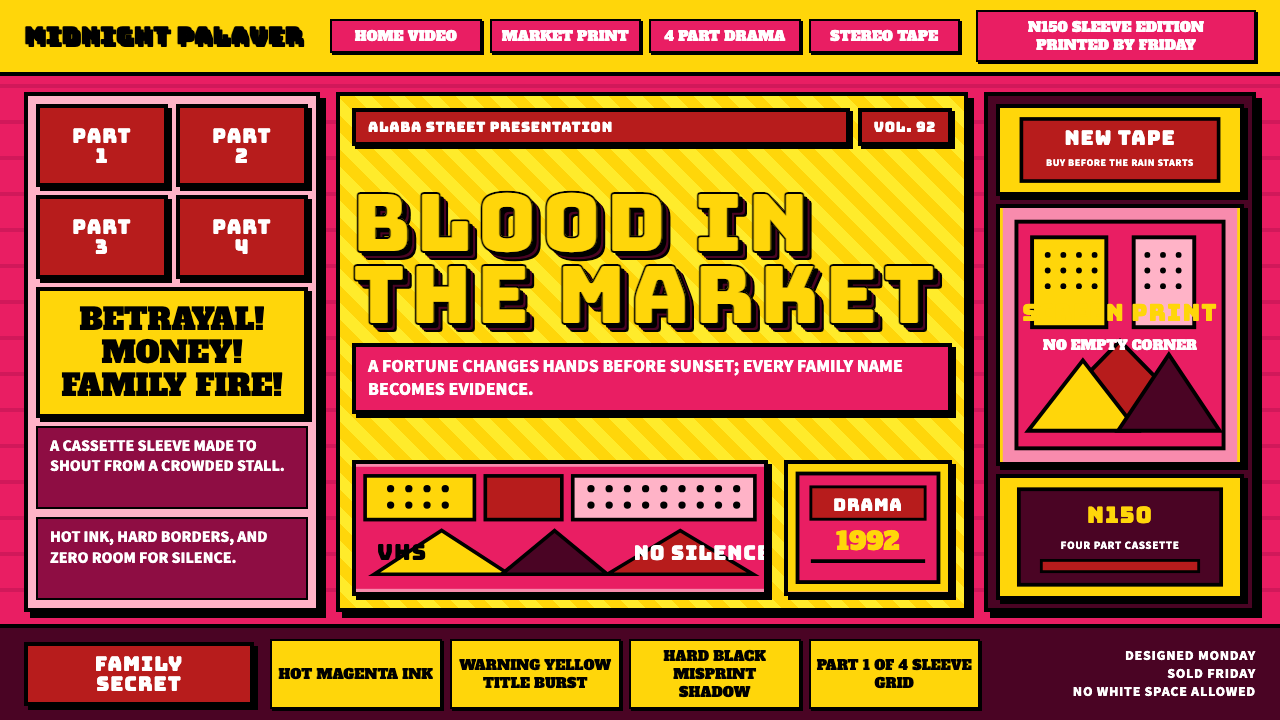
Nollywood VHS covers turned a cassette sleeve into a screaming billboard — hot magenta, hard shadows, and airbrushed melodrama packed into every square centimeter.
Nollywood VHS Covers in brief
Nollywood VHS cover design is the maximalist graphic language that emerged from Nigeria's home-video film industry in the early 1990s and dominated African popular visual culture through the early 2000s. It is an aesthetic born of constraint and urgency: cassette sleeves had to sell themselves unassisted from market stalls in Lagos's Alaba International Market and Onitsha's sprawling trading floors, competing for attention without the benefit of theatrical posters, billboards, or professional marketing budgets.
The look is immediately recognizable — saturated colors pushed far beyond comfort, type rendered with chunky drop shadows borrowed from American gospel-tract printing, airbrushed celebrity portraits that blend photographic likeness with painterly exaggeration, and compositional density that treats empty space as wasted opportunity. Where Western graphic design of the same era moved toward minimalism and structured grids, Nollywood covers moved in the opposite direction: more color, more faces, more text, more urgency.
This is not chaotic design — it is a purposefully calibrated language aimed at a specific audience with specific needs. The covers had to communicate genre, drama level, cast prestige, and episode count at a glance, to buyers who might be standing in direct sunlight with a dozen competing products in front of them. Every visual choice is a market decision.
Where does Nollywood VHS Covers come from?
The story of Nollywood begins with a practical accident. In 1992, Igbo trader Kenneth Nnebue found himself with a warehouse full of unsold blank VHS tapes imported from Taiwan. To move the stock, he financed a low-budget Yoruba drama called Living in Bondage, shot it quickly on consumer video equipment, duplicated it onto those tapes, and sold it directly through the Onitsha and Lagos markets. The film sold hundreds of thousands of copies. The home-video industry was born overnight — and with it, the need for cover art that could move product.
The visual tradition that Nollywood cover artists drew from was already well-established in southern Nigeria. Onitsha market literature — pamphlets and chapbooks sold in the same markets as the cassettes — had developed a bold vernacular graphic style over the preceding decades, combining hand-lettered type, moral melodrama illustrated with direct figurative imagery, and color printing that maxed out whatever the available press could produce. Parallel to this, the hand-painted billboard tradition practiced by artists like Chief Twins Seven Seven and the commercial sign painters of Lagos and Aba had trained a generation of image-makers in large-scale figuration, dramatic foreshortening, and the use of color to communicate emotional register rather than documentary accuracy.
The cassette sleeve format itself shaped the aesthetic. A VHS sleeve is narrow and tall — a format that favors vertical stacking of information. Cover designers learned to read this as an opportunity: a portrait-format face at top, a title band in the middle, supporting cast and episode information below, and warnings or certification stamps at the bottom. The resulting compositions look dense because they are dense — every horizontal band carries a distinct layer of information, and the color contrasts between bands do the work that white space would do in a more restrained system.
By the mid-1990s, production had industrialized. Designers working in Surulere and Alaba could turn a finished film into print-ready cover art within days, using whatever combination of photocopied publicity stills, hand-drawn lettering, and airbrush illustration was available. The market rewarded speed and visibility over refinement. Films were routinely released in two, three, or four parts, and the cover art for each part had to maintain recognizable continuity while signaling escalating drama — a convention that pushed designers toward increasingly intense color and compositional compression.
What defines the Nollywood VHS Covers look?
Color Intensity
The palette operates at maximum saturation as a baseline, not as an accent. Hot magenta, warning yellow, electric blue, and deep blood red appear simultaneously and at full force, with no neutral field to rest the eye. Color relationships are chosen for contrast and attention-stopping power rather than harmony. The effect reads as urgency — which is exactly what a market-stall product competing for a buyer's split-second attention requires. Cool or muted tones appear rarely and only in backgrounds that need to recede behind a portrait.
Airbrushed Portraiture
Celebrity faces dominate the composition and are rendered through a combination of photographic source material and hand-airbrushed painterly finish. Skin tones are warmed and idealized, features are slightly exaggerated for legibility at small scale, and background elements are burned away to make the face read cleanly. The result sits between photography and illustration — realistic enough to be recognizable but heightened enough to convey glamour and drama. Multiple faces are often stacked or overlapping, arranged hierarchically by billing and role.
Shadow Typography
Title lettering is never set without a hard, offset drop shadow — often in a contrasting color rather than simply a darker version of the letter fill. This shadow convention was inherited from American gospel-tract and revival-meeting print culture, where it served the same function: making type readable against any background, at any viewing distance, with no assumptions about controlled viewing conditions. Letter forms tend toward bold condensed styles with exaggerated serifs or slab construction, maximizing the visual weight of each character.
Part Stamps and Certification Badges
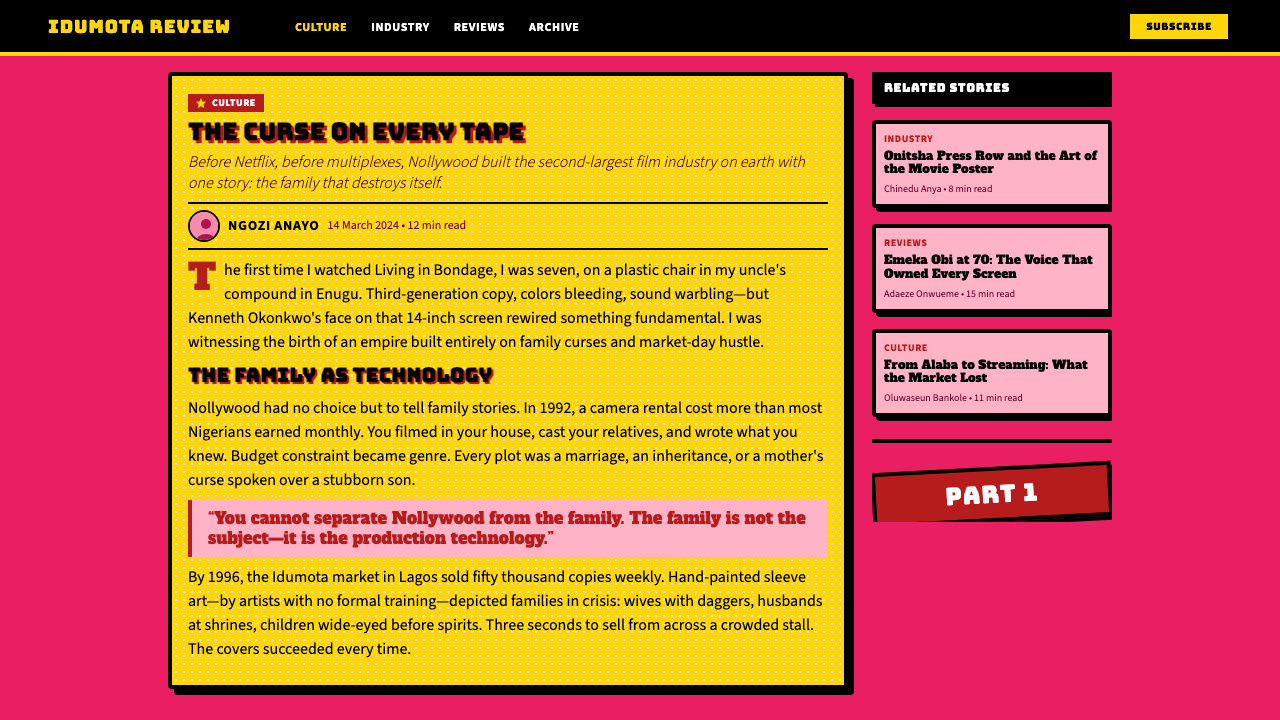
A Nollywood VHS cover is never unmarked by stamps and badge elements — part numbers (Part 1, Part 2, and so on rendered in emphatic starburst or ribbon forms), distributor logos, and censor-board certification marks. These functional elements are treated as graphic assets rather than necessary evils, integrated into the composition as high-contrast visual punctuation. The part stamp in particular becomes a design feature: it signals franchise value and creates serialized anticipation in buyers who have already purchased earlier volumes.
Compositional Density
Empty space is structurally absent. Every zone of the cover carries information — portrait, title, subtitle, cast list, plot synopsis, episode stamp, distributor mark, format specifications — and the zones are packed tightly against each other without padding or breathing room. This density is not a failure of design discipline; it is the design discipline of a market where any blank area is perceived as wasted selling surface. Foreground elements overlap background elements; text runs over portrait imagery; starburst graphics interrupt title bands.
Moral and Dramatic Framing Text
Beyond the title, Nollywood covers typically carry additional text fragments that frame the moral stakes of the film: taglines warning of spiritual danger, proclamations of family betrayal, or declarations that the story is based on true events. This text tradition descends directly from Onitsha market literature, where pamphlet covers bore similarly urgent moral declarations. In the design system, these fragments appear as secondary type in contrasting colors, often in italicized or oblique letterforms to signal their emotional register against the more upright title treatment.
Screen-Print and Offset Reproduction Aesthetics
The production realities of 1990s Lagos — rapid turnaround, limited color registration precision, and consumer-grade print quality — shaped the visual language as much as any intentional style choice. Color fields bleed slightly into each other, registration between ink layers can drift, and the overall surface has a quality of productive imprecision that distinguishes it from digitally-clean contemporary design. Authentic interpretations of this style incorporate these production artifacts — slight misregistrations, ink density variation, the visible grain of halftone screens — as features rather than flaws.
Who shaped Nollywood VHS Covers?
Nnebue is credited as the founding entrepreneur of the Nollywood home-video model. His 1992 decision to distribute Living in Bondage directly through the Onitsha and Lagos cassette markets — bypassing theatrical exhibition entirely — established the commercial logic that the entire industry followed. The packaging and marketing approach he pioneered, which treated the VHS sleeve as the primary advertising surface, set the template for Nollywood cover design conventions.
Edochie became one of the most reproduced faces in early Nollywood cover art — his imposing presence and association with elder and patriarch roles made him a reliable signal of prestige production values. His face on a cover communicated seriousness and gravitas to buyers before a single frame of the film was viewed. The visual treatment of his portrait — formal, frontally lit, with airbrushed skin smoothing — became a template for how senior male stars were depicted across the cover design ecosystem.
Nnaji's emergence in the late 1990s and early 2000s introduced a different register of female portraiture into the cover vocabulary. Her image — consistently styled with a combination of contemporary fashion and aspirational glamour — helped shift the visual language of romantic drama covers toward a slightly more polished aesthetic while retaining the underlying maximalism. Her repeated presence across hundreds of covers made her face one of the most recognizable visual elements in the entire Nollywood archive.
Benson was one of the defining dramatic presences of Nollywood's founding decade, particularly associated with supernatural thriller and spiritual warfare genres that produced some of the most intense cover art of the era. Covers featuring her work in these genres pushed the visual vocabulary toward its most extreme expressions — the deepest saturations, the most dramatic shadow typography, the densest compositional layering — because the genre itself demanded that the cover communicate spiritual stakes and existential threat.
Though not a single figure, the collective tradition of Onitsha market literature and its anonymous designers and printers constitutes the most direct formal ancestor of Nollywood cover design. Active from the 1940s through the 1980s, Onitsha pamphlet publishing produced hundreds of titles covering moral tales, romantic advice, and social commentary — all packaged with a bold, hand-composed graphic style that prioritized impact over refinement. When the cassette market emerged, the same presses, the same graphic conventions, and in some cases the same designers made the transition.
How do you use Nollywood VHS Covers today?
Nollywood VHS cover aesthetics translate most powerfully into contemporary contexts where maximum attention capture is the primary goal — event promotion, campaign launches, cultural festival materials, and any visual context where restraint would read as absence rather than sophistication. The style requires full commitment: half-measures produce work that looks accidentally cluttered rather than intentionally maximalist.
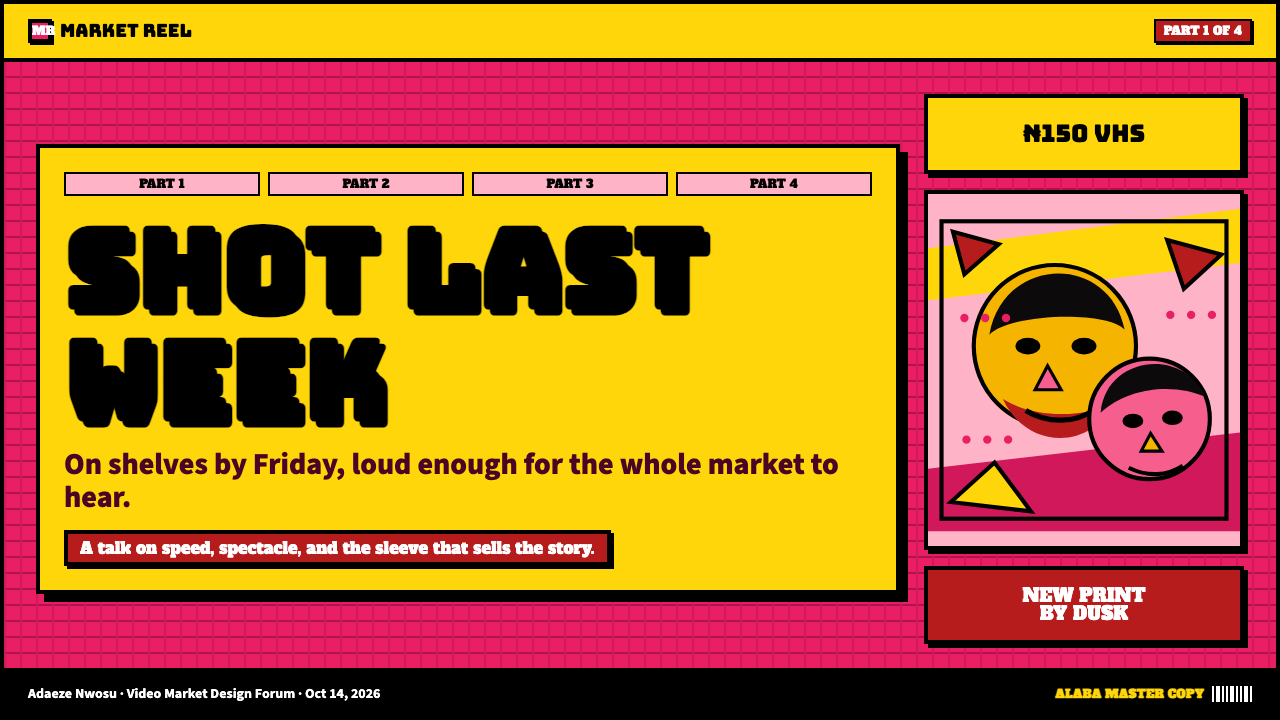
For presentation slides, this aesthetic works best on cover and section-opener pages where the goal is impact rather than sustained readability. A cover slide built on this system uses a large portrait or figure as the primary visual anchor, stacks the title in bold shadow lettering across the center of the frame, and employs multiple saturated colors in distinct horizontal zones. Content slides within a Nollywood-influenced presentation should pull back from the full intensity — reduce the color count to two or three dominant hues, maintain the bold typography convention, and treat text as a graphic element rather than a reading exercise. Data slides work well when the chart elements are treated as colored graphic forms against a high-contrast ground.
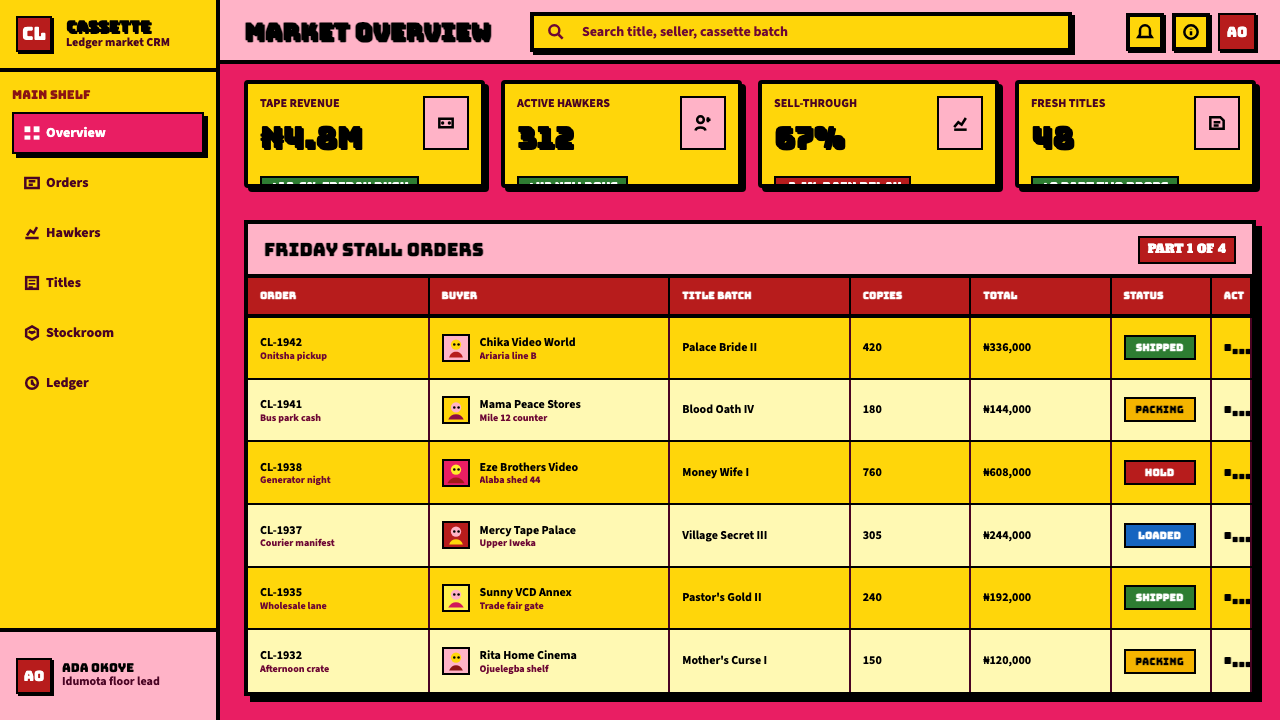
For web interfaces and digital products, this style is most appropriate for landing pages, event sites, cultural platforms, and streaming services oriented toward African popular entertainment. A dashboard or productivity tool built in this aesthetic will generally feel jarring rather than compelling — the intensity that works for a ten-second cover browse becomes fatigue-inducing over an extended session. Where it is applied to interactive products, the key is using the style's color intensity for state changes, calls to action, and alert states, while keeping baseline UI surfaces closer to a neutral ground that provides visual relief.
For editorial and marketing work — campaign posters, social media graphics, merchandise, and event collateral — this aesthetic offers immediate cultural legibility and strong differentiation from the restrained visual norms of most contemporary design. The part-stamp convention can be redeployed as a serialization device for multi-phase campaigns. The moral-declaration text tradition adapts naturally to product benefit claims or call-to-action copy. The airbrushed portrait convention works for any context where celebrity or personality is central to the visual message.
The most common mistake when working in this aesthetic is treating the density as an accident to be managed rather than a system to be designed. Authentic Nollywood cover density is layered and hierarchical — there are three or four distinct information zones, and each zone is packed internally but separated from adjacent zones by color contrast. Designers who simply pile elements onto a canvas without establishing these zones produce work that reads as confusion rather than maximalism. The second common mistake is reproducing only the visual surface — the colors and the drop shadows — while omitting the underlying dramatic content logic. This style works because every element is doing communicative work; decorative application of the palette without content purpose produces pastiche.
Nollywood VHS Covers — FAQ
Is Nollywood VHS aesthetics the same as general African popular art?
No — it is a specific vernacular tradition with a specific geographic and commercial origin. Nigerian cover design from the Lagos and Onitsha markets has clear family resemblances to other West and Central African popular graphic traditions, but it is distinct from, say, Congolese rumba-music cassette art, Ghanaian gospel-video covers, or the hand-painted signage traditions of East Africa. Treating these as interchangeable would be like treating all mid-century European modernism as one style. The shared traits — high saturation, dense composition, dramatic figuration — reflect shared commercial pressures rather than a unified aesthetic movement.
Can this style work in a light, airy, or minimalist context?
Not without fundamental transformation. The Nollywood VHS aesthetic is structurally maximalist — its visual logic depends on density, color competition, and the absence of negative space. Applying its palette and type treatment to a sparse layout produces a hybrid that satisfies neither system: the colors overwhelm the minimal structure, and the composition lacks the density that gives the style its communicative force. If your context calls for minimalism, a different historical style will serve it better. If you want to incorporate specific elements — the airbrushed portrait convention, the hard shadow typography, the starburst stamp — you can borrow those individual elements into other systems, but what results is no longer Nollywood-derived design.
How is this different from Y2K or 1990s graphic nostalgia in general?
They share a time period but almost nothing else. Y2K and late-1990s Western graphic nostalgia draws from digital utopianism, early internet interfaces, and consumer electronics design — chrome gradients, lens flares, inflated 3D letterforms, and a palette drawn from the colors of early LCD and plasma screens. Nollywood VHS design is analog, painterly, and market-stall vernacular — its reference points are screen printing, airbrushed portraiture, and the moral-declaration text of Onitsha pamphlet culture. The two aesthetics would not be confused by anyone looking at them side by side; conflating them collapses a genuinely specific cultural tradition into a generic decade label.
Does using this aesthetic appropriately require cultural context?
Yes, meaningfully so. The Nollywood VHS cover is not a neutral graphic style — it carries specific cultural associations, including the history of Nigerian entrepreneurial cinema, Igbo and Yoruba popular cultural production, and the economic conditions of the home-video market. Using it with fluency requires understanding what the visual system is doing and why, not just what it looks like. Designers working outside this cultural context who apply the style without that understanding risk producing work that reads as caricature rather than reference — borrowing the surface intensity while missing the communicative intelligence that makes the original system work. Research into specific examples from the 1992–2008 period and engagement with the broader context of Nollywood's history will produce more substantive results than surface-level imitation.
What happened to this visual style as Nollywood moved to digital production?
The transition to digital distribution through platforms like iROKOtv and later Netflix brought a pronounced shift toward international streaming-service visual norms — cleaner photography, more restrained title treatments, and composition influenced by the thumbnail-optimized aesthetics of global platforms. The dense, hand-crafted maximalism of the VHS era faded from mainstream Nollywood marketing by the early 2010s as higher production budgets and new distribution channels shifted the design brief. The original aesthetic survives most actively in straight-to-market physical media, in local cinema advertising, and in the work of artists and designers who consciously engage with it as a historical and cultural reference — a trajectory that mirrors how other vernacular commercial graphic traditions have been absorbed into contemporary design discourse.
Related design styles
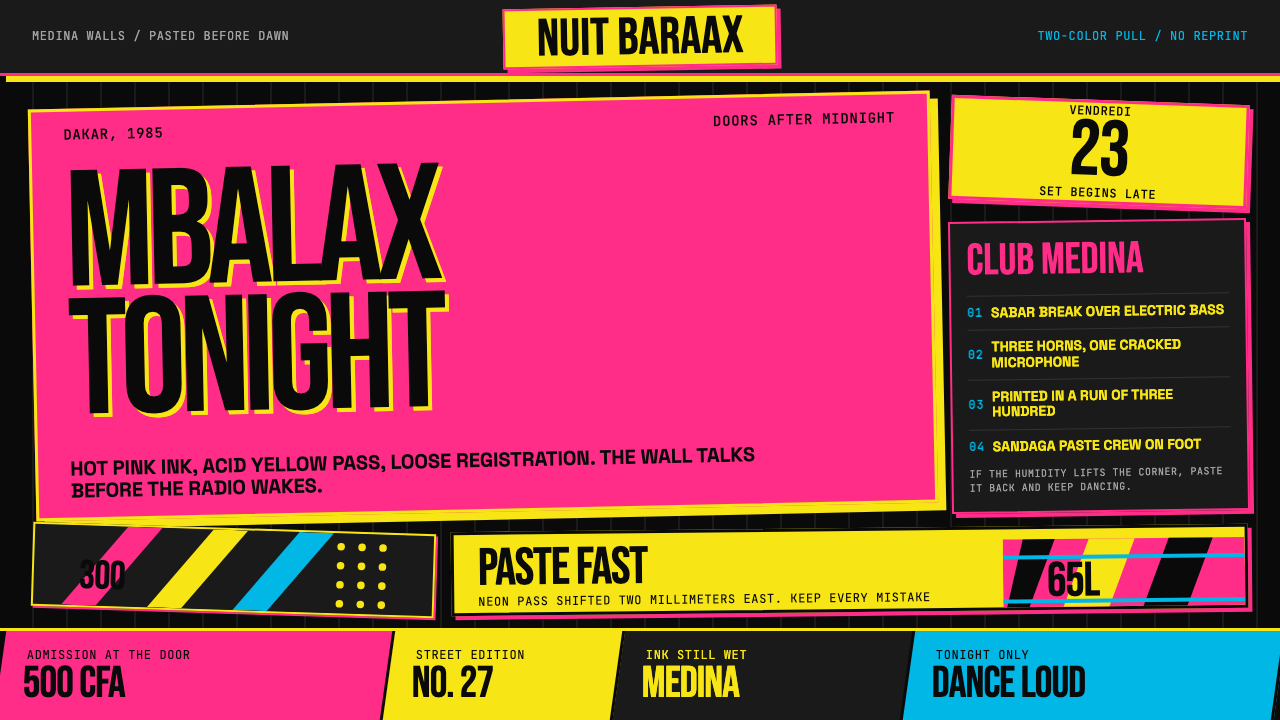 Senegalese Mbalax Poster (Dakar 1985)Street urgency, screen-printed loud. Hot pink and acid yellow drift over blac…
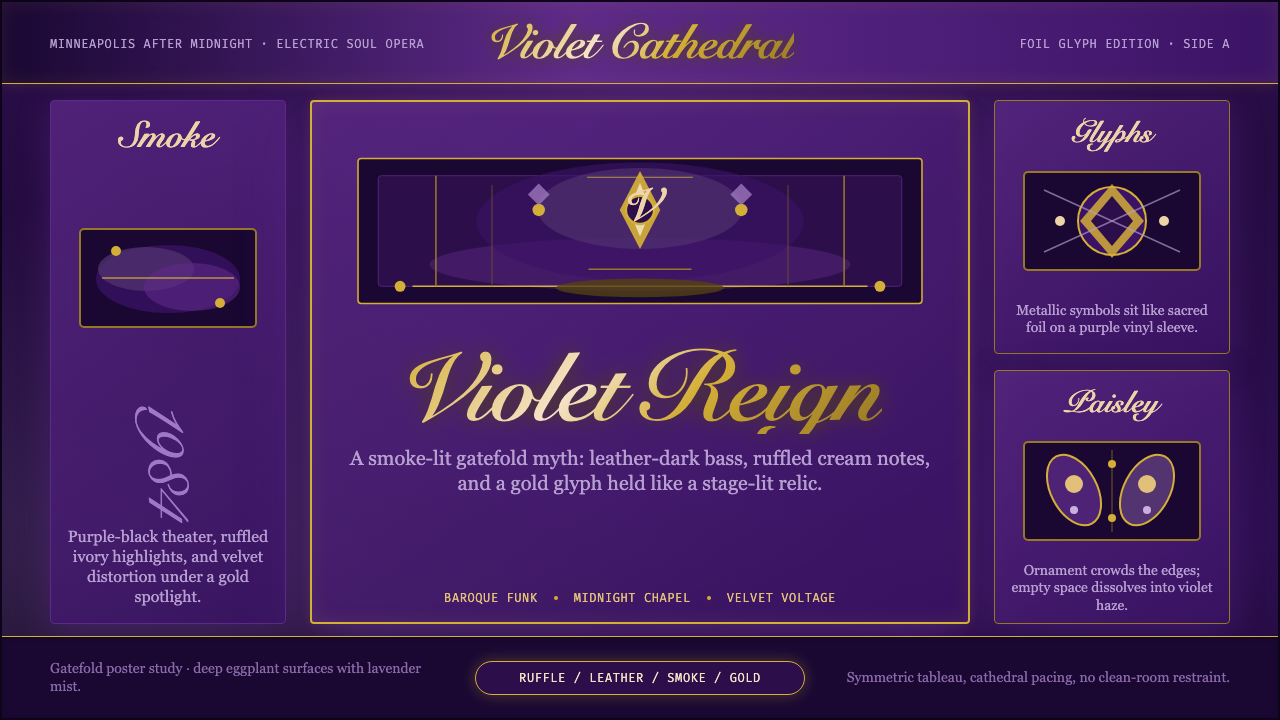 Prince — Purple Rain (1984)Decadence turns electric. Eggplant violet, gold foil glyphs, and smoky symmet…
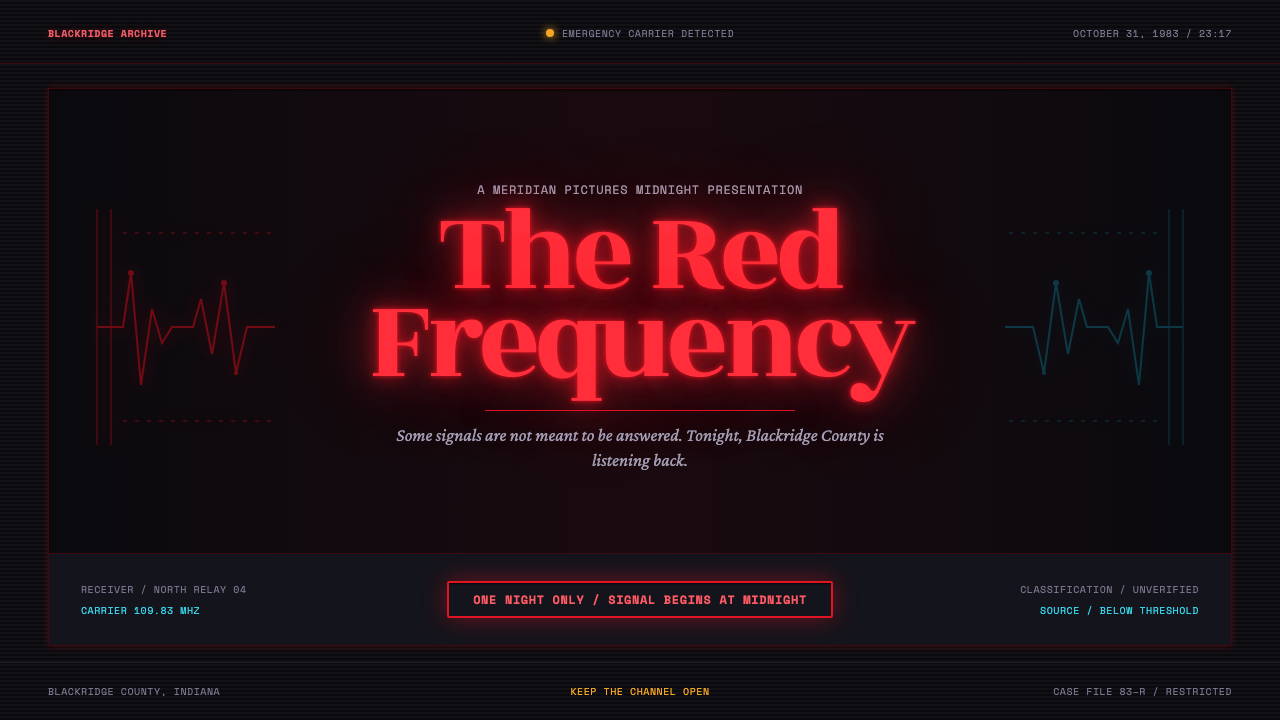 Stranger Things (1983)Red light breaks the void. A spurred serif blooms through VHS static and cold…
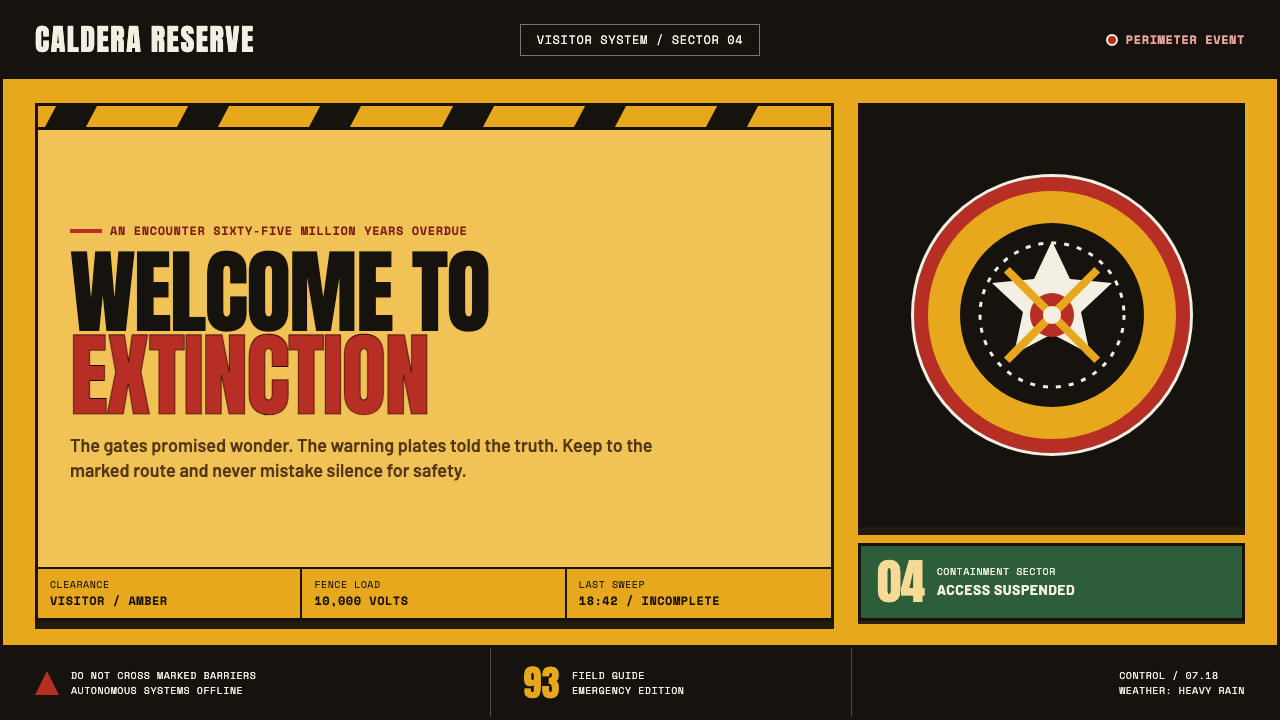 Jurassic Park (1993)Warm welcome, lethal edge. Amber plates, red rings and black chevrons turn aw…
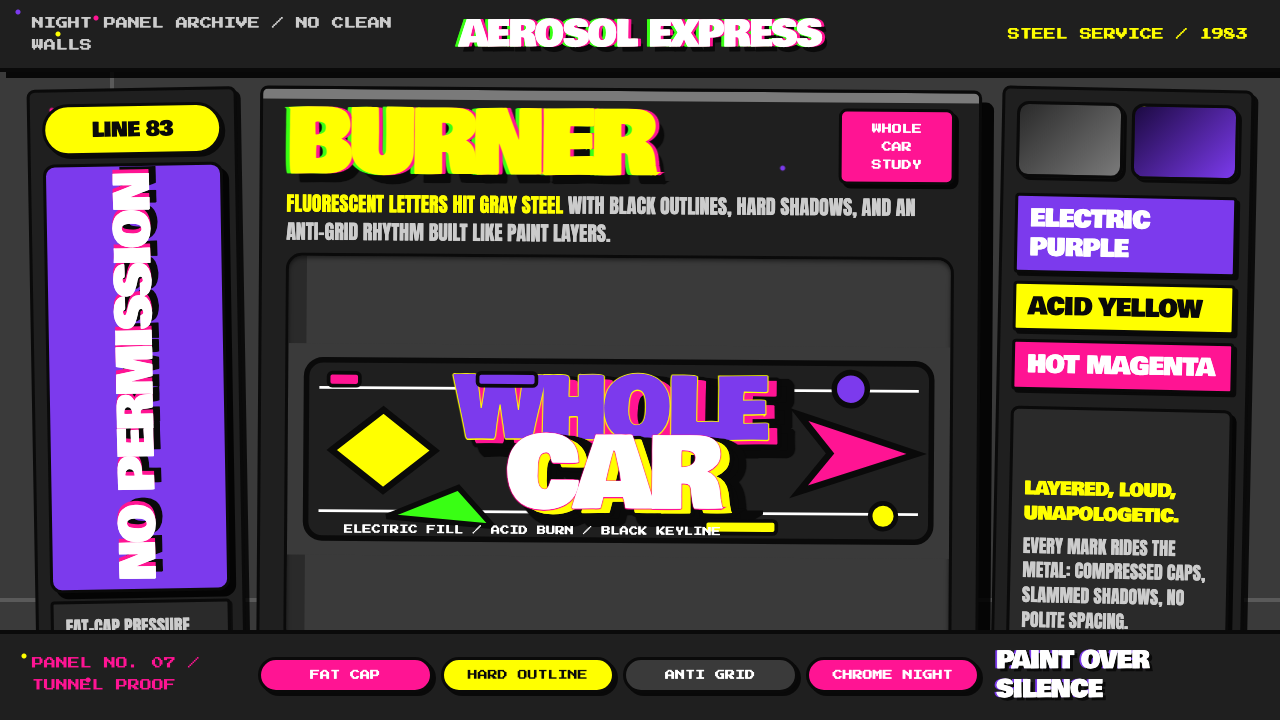 NYC Subway Graffiti (1983)Bombed steel gets loud. Electric purple and acid yellow stack as hard-outline…
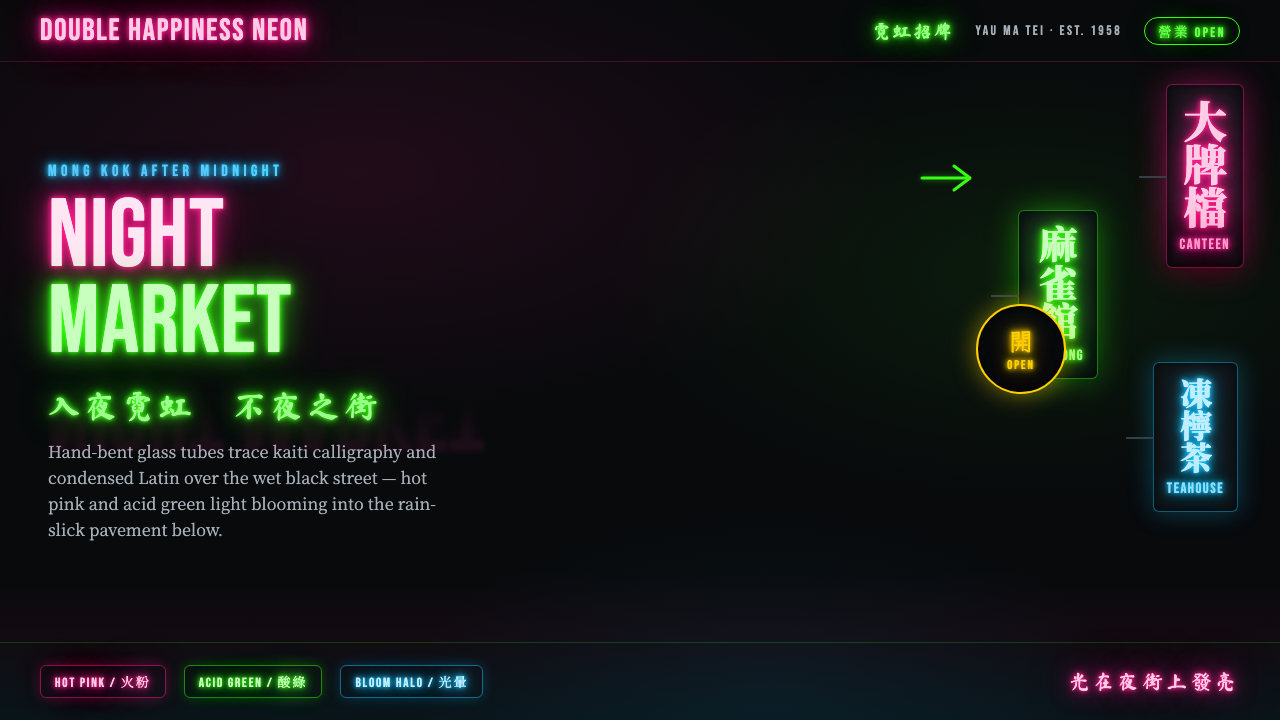 Hong Kong Neon SignboardsLight only reads against the wet black night. Hand-bent pink and green tubes…