What is Miro Collab Yellow?
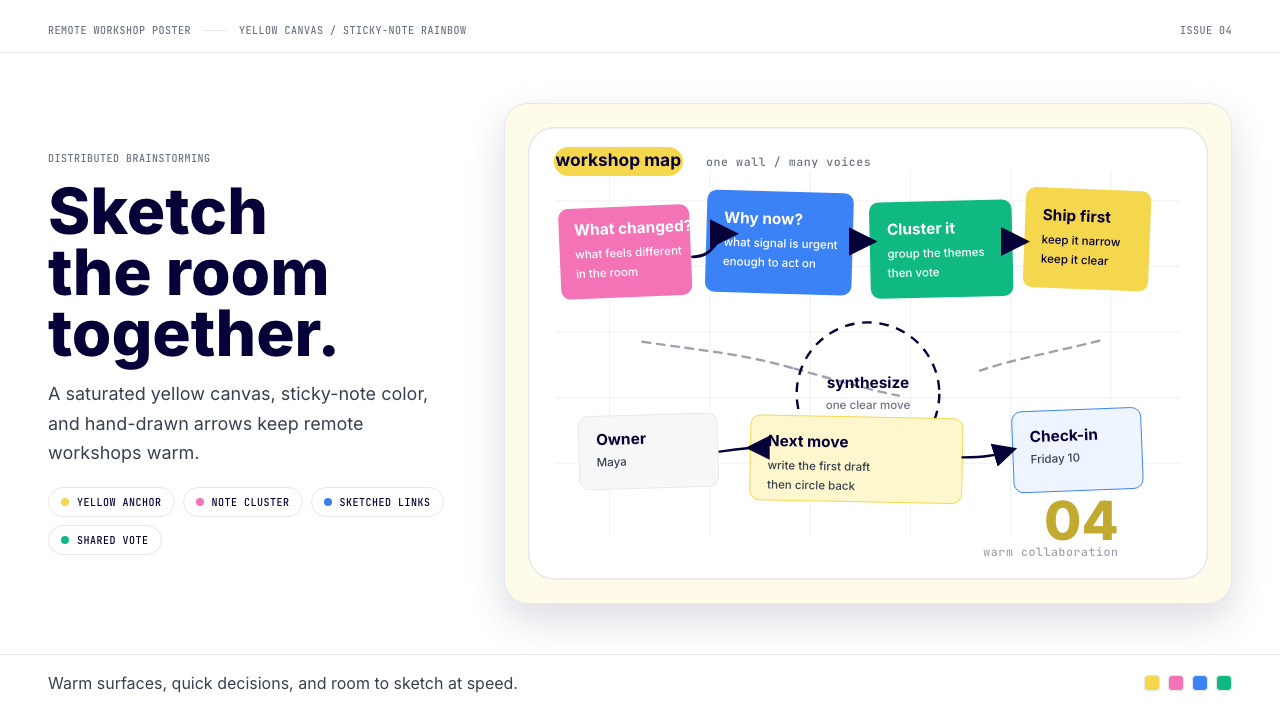
Miro Collab Yellow turns the distributed brainstorm into a visual language — warm amber canvas, sticky-note rainbow, and hand-drawn energy that makes remote teams feel like they are sketching at the same wall.
Miro Collab Yellow in brief
Miro Collab Yellow is the visual identity system of Miro, the online whiteboard platform that transformed distributed collaboration into a design category of its own. The aesthetic is built on a saturated, warm yellow anchor color paired with a pure white or near-white canvas ground, accented by the cheerful multicolor palette of sticky notes — soft pink, sky blue, sage green, and tangerine orange — that Miro users reach for dozens of times a day.
Where enterprise SaaS design typically defaults to cool blues and authoritative grays, Miro chose warmth and approachability as its visual strategy. The hero blocks on miro.com are populated with whiteboard mockups — sticky notes clustered into affinity maps, hand-drawn arrows connecting ideas, circled callouts highlighting key insights — communicating not what the software does in the abstract but what it feels like to use it with a team. The look says collaboration in motion, not software at rest.
The typographic system leans into clean, geometric sans-serif forms that feel contemporary without being cold. Headlines and CTAs arrive in the bold amber-yellow, while body copy stays in near-black for readability. The result is a palette that reads as simultaneously professional and human — rigorous enough for enterprise procurement teams, warm enough that designers and product managers want to live inside it.

Where does Miro Collab Yellow come from?
Miro was founded in 2011 in Perm, Russia, by Andrey Khusid and Oleg Shardin under the name RealtimeBoard. The original product was a straightforward digital whiteboard targeting design and engineering teams that needed a shared visual space. The early visual identity was functional and unremarkable — the brand had not yet found its voice. The pivot toward a richer, personality-driven aesthetic came gradually as the company grew its user base and began to understand that its real value proposition was not the whiteboard itself but the feeling of creative co-presence it enabled.
The rebrand to Miro in 2019 was the pivotal moment. The name — shorter, warmer, more international — was accompanied by a deliberate visual repositioning. The in-house brand team centered the identity on a saturated warm yellow that stood apart from the cool-toned palettes dominant in enterprise software at the time. The choice was strategic: yellow is energetic, optimistic, and attention-grabbing in a way that signals creative industries rather than financial or legal ones. Combined with a friendly illustration vocabulary and the whiteboard-as-hero-image motif, the rebrand successfully communicated that Miro was for teams who think visually.
The timing was prescient. When the COVID-19 pandemic forced millions of knowledge workers into remote arrangements beginning in early 2020, Miro was positioned as a primary beneficiary. The platform's user base grew explosively, and the visual identity — already warm and collaborative in register — became closely associated with the new reality of distributed creative work. The sticky-note rainbow in particular became a cultural shorthand: a screenshot of a Miro board filled with colorful notes was almost universally recognizable as a signal of remote teamwork in action.
By the mid-2020s, Miro had reached a valuation exceeding seventeen billion dollars and expanded its brand system across an increasingly broad product surface. The core visual language — amber yellow anchor, white canvas ground, sticky-note accents, hand-drawn illustration details — remained consistent even as the product evolved to include more structured templates, diagramming tools, and integrations with the broader product development ecosystem. The Miro brand team's decision to maintain the warmth and approachability of the original identity, rather than pivoting to the colder authority signaling common in late-stage enterprise SaaS, is itself a meaningful design position.
What defines the Miro Collab Yellow look?
Anchor Yellow
A saturated, warm amber-yellow serves as the entire identity's load-bearing color. It appears on primary CTAs, key headlines, logo marks, and selected hero backgrounds. The yellow reads as energetic and optimistic rather than cautionary — it belongs to the register of creativity and sunlight rather than warning signs. Used at full saturation against white or near-black, it creates immediate visual priority without requiring any supporting graphic complexity.
Sticky-Note Rainbow
Alongside the yellow anchor, Miro maintains a secondary palette of soft, cheerful note colors — a dusty pink, a gentle sky blue, a muted sage green, and a warm orange — that mirrors the physical sticky notes users place on real whiteboards. These colors appear primarily in product screenshots, illustrations, and supporting graphic elements. They are deliberately kept lighter and less saturated than the anchor yellow, ensuring that the primary brand color always dominates while the note palette contributes warmth and visual variety.
White Canvas Ground
The dominant background across miro.com and Miro's marketing materials is pure or near-pure white, directly referencing the white surface of a physical whiteboard. This ground color is not simply neutral — it is the visual metaphor that holds the entire brand together. Against the white canvas, the amber yellow pops with authority, and the sticky-note colors retain their legibility. The whiteness also communicates openness and possibility, reinforcing the brand's core message that the surface is waiting to be filled.
Hand-Drawn Warmth
A signature characteristic of the Miro aesthetic is the deliberate incorporation of hand-drawn elements into otherwise clean digital layouts. Arrows connecting ideas are sketched rather than perfectly rendered; callouts are circled in a slightly wobbly line; annotations look written rather than typeset. This imperfection is purposeful — it signals human presence and active thinking. The hand-drawn vocabulary communicates that Miro is a place where ideas are being formed, not where finished products are being presented.
Friendly Sans-Serif Typography
The typographic system favors clean, geometric sans-serif forms that carry a modern sensibility without feeling clinical. Headlines set in the brand's typeface choices carry authority at large sizes while remaining approachable; the open apertures and balanced proportions prevent the coldness that highly geometric type can sometimes project. Body text is set in near-black for strong contrast against the white ground, ensuring readability while maintaining the overall warmth of the palette.
Whiteboard-as-Hero Motif
Rather than using abstract illustrations or stock photography to represent collaboration, Miro's marketing consistently uses the product itself — specifically, screenshots and mockups of actual Miro boards populated with sticky notes, frameworks, and diagrams — as its primary hero imagery. This approach serves as both demonstration and aspiration: viewers see immediately what the tool does and can imagine their own team's work represented on that canvas. The motif reinforces the brand's claim that the product experience is itself the value.
Optimistic, Anti-Corporate Tone
Across its visual and verbal communication, Miro consistently resists the authoritative, formal register common in enterprise software. The color choices are warm rather than commanding, the illustrations suggest play rather than process, and the overall visual energy communicates creative possibility rather than operational control. This tonal positioning is a strategic decision — Miro competes partly by making enterprise users feel like creative individuals rather than corporate operators, and the visual identity is the primary carrier of that positioning.

Who shaped Miro Collab Yellow?
Co-founder and long-serving CEO of Miro, Khusid was the primary creative and strategic force behind the company's evolution from a functional whiteboard tool into a platform with a distinctive visual identity. His decision to pursue a warm, human-centered brand aesthetic at scale — resisting pressure to adopt the colder authority signaling of late-stage enterprise software — shaped the Miro Collab Yellow system and remains the most consequential design choice in the company's history.
Co-founder of Miro, Shardin contributed to the foundational product vision that made the whiteboard metaphor central to the platform's design language. The product's core conceit — that a digital canvas populated with moveable objects, sticky notes, and connectors could replicate the creative energy of a physical collaborative session — established the visual and interaction model that the Miro brand identity would later crystallize.
The collective internal design team responsible for executing the 2019 rebrand and evolving the visual identity system through the rapid growth years of 2020 to 2024. Their key contributions include systematizing the sticky-note color palette as a secondary brand system, establishing the whiteboard-mockup as the canonical hero image format, and maintaining the warmth of the aesthetic even as the platform expanded into more complex enterprise product territory. Their work demonstrates how an in-house team can sustain a distinctive visual identity through a period of intense product and company scaling.
While not an individual figure, the mass adoption of remote work beginning in 2020 functions as a co-author of the Miro Collab Yellow aesthetic in cultural terms. The pandemic-driven shift to distributed teams created an enormous demand for visual collaboration tools and simultaneously elevated the Miro board — with its colorful sticky notes, hand-drawn arrows, and collaborative energy — into a widely recognized symbol of how knowledge work could feel engaging even at distance. The identity absorbed this cultural moment and was shaped by it in return.
How do you use Miro Collab Yellow today?
Miro Collab Yellow translates most naturally into contexts that want to communicate creative energy, collaboration, and approachable expertise — rather than authority or precision. Before applying it, ask whether the audience is being invited to think together or being presented with finished conclusions. The style is calibrated for the former and will feel out of place in the latter.
For presentation slides, the style is well-suited to workshop decks, kickoff presentations, brainstorming facilitation guides, and team retrospective templates. A cover slide benefits from a bold amber-yellow background with dark near-black type and a whiteboard-style illustration or sticky-note cluster as the hero element. Content slides work best on white or near-white grounds with the anchor yellow reserved for key labels, callout boxes, and section headers. Data slides can incorporate the sticky-note palette as a categorical color system — different colors for different series or groups — maintaining the warmth of the overall palette while serving a functional role. Avoid using the full rainbow simultaneously on a single chart; choose two or three notes colors per slide and maintain consistency across the deck.
For web UI and product design, the system adapts well to dashboards, project management interfaces, and collaboration tool landing pages. The approach mirrors Miro's own product design: white or very light background, amber yellow for primary interactive states and active indicators, near-black for all type, and sticky-note accent colors for tags, labels, and categorical status indicators. Card components work well with a subtle warm border rather than shadow, keeping the surface feeling open and light. Pricing pages benefit from the anchor yellow as the highlighted tier color — it reads as energetic and desirable rather than aggressive.
For editorial and marketing work, the style supports feature announcements, case study layouts, and event landing pages where creative energy is the message. Hero sections with a white canvas and an embedded whiteboard-style mockup communicate product value authentically. Editorial layouts use the anchor yellow for pull quotes, section markers, and highlighted statistics. Marketing emails can use the anchor yellow as a header background for the primary message block, with sticky-note accents in supporting sections.
A common mistake is treating the anchor yellow as a general background color across all content sections, which saturates the visual field and exhausts its impact. The yellow should punctuate, not paper. Equally, the hand-drawn illustration style is difficult to replicate without appropriate illustration resources — attempting it with low-quality clip art or mismatched stroke weights will undermine the warmth the style depends on. Designers without access to on-brand illustration assets should use the whiteboard-mockup approach instead, letting real product screenshots carry the visual storytelling.

Miro Collab Yellow — FAQ
Is Miro Collab Yellow suitable for B2B enterprise products outside collaboration software?
It depends on whether the product's core value proposition involves creative, exploratory, or people-facing work. The style works well for HR platforms, educational tools, workshop facilitation products, design and research operations software, and any product that positions collaboration or creativity as a primary feature. It is less suited to financial analytics, legal compliance, cybersecurity, or infrastructure tools where the audience expects cool authority rather than warm approachability. The test is simple: would a prospect trust this color palette with their sensitive data or their deadline-driven workflow? If the answer is uncertain, the warmth may be working against you.
How do I balance the anchor yellow with the sticky-note palette without the result looking chaotic?
The key discipline is hierarchy: anchor yellow is for the most important element on any given surface, the sticky-note colors are for supporting categorical information only. Never let a sticky-note color compete with the anchor yellow at the same visual weight. In practice, this means anchor yellow appears at large scale or high contrast — a button, a headline, a background block — while the note colors appear at small scale or low contrast — tags, labels, small chart elements, decorative dots. If you find yourself using three or four note colors simultaneously at similar sizes and saturations, the palette will read as a children's product rather than a professional collaboration tool.
Can this style work on a dark background?
A dark inversion is possible but requires significant care. The style's warmth derives substantially from the white-canvas metaphor — the dark inversion loses that metaphor entirely and risks projecting a different brand register (edgy, technical, dramatic) that is out of character with Miro's approachable identity. If a dark mode is necessary, keep the amber yellow as the primary accent and reduce the sticky-note palette to two colors maximum, both kept at lower saturation to prevent them from overwhelming the composition. Avoid making the background fully black; a very dark warm gray preserves more of the palette's inherent warmth. Treat any dark-mode version as an accessibility or user preference accommodation rather than a design-expressive choice.
How should I handle the hand-drawn illustration style if I don't have custom illustration resources?
The hand-drawn element is appealing but it is also the hardest part of the Miro aesthetic to replicate authentically without purpose-built assets. The most reliable substitute is leaning into the whiteboard-mockup approach: use actual screenshots of collaboration tools, product workflows, or even simple sticky-note arrangements photographed on a real whiteboard as your primary visual content. This preserves the authenticity of the style better than a poorly executed hand-drawn pastiche. If you need arrows and callouts, many vector tools offer stroke styles that approximate a hand-drawn quality at small sizes — use them sparingly, at consistent weights, and never mixed with precise machine-drawn elements in the same composition.
Is Miro Collab Yellow too trendy to use for a long-lived brand?
The warm-yellow-on-white combination and the sticky-note color association are tied to a specific cultural moment — the remote-collaboration boom of the early 2020s. However, the underlying elements are not inherently time-stamped: warm yellows have long histories in editorial, product, and identity design, and the whiteboard metaphor is durable because it references something physical and universally understood. The risk of datedness is greatest if you import the entire system uncritically — sticky-note colors, hand-drawn arrows, whiteboard mockup, amber yellow CTA, all at once. Selectively applying the warmth, the canvas metaphor, and the single-anchor-color discipline will produce something that feels like a contemporary interpretation rather than a period piece.
Related design styles
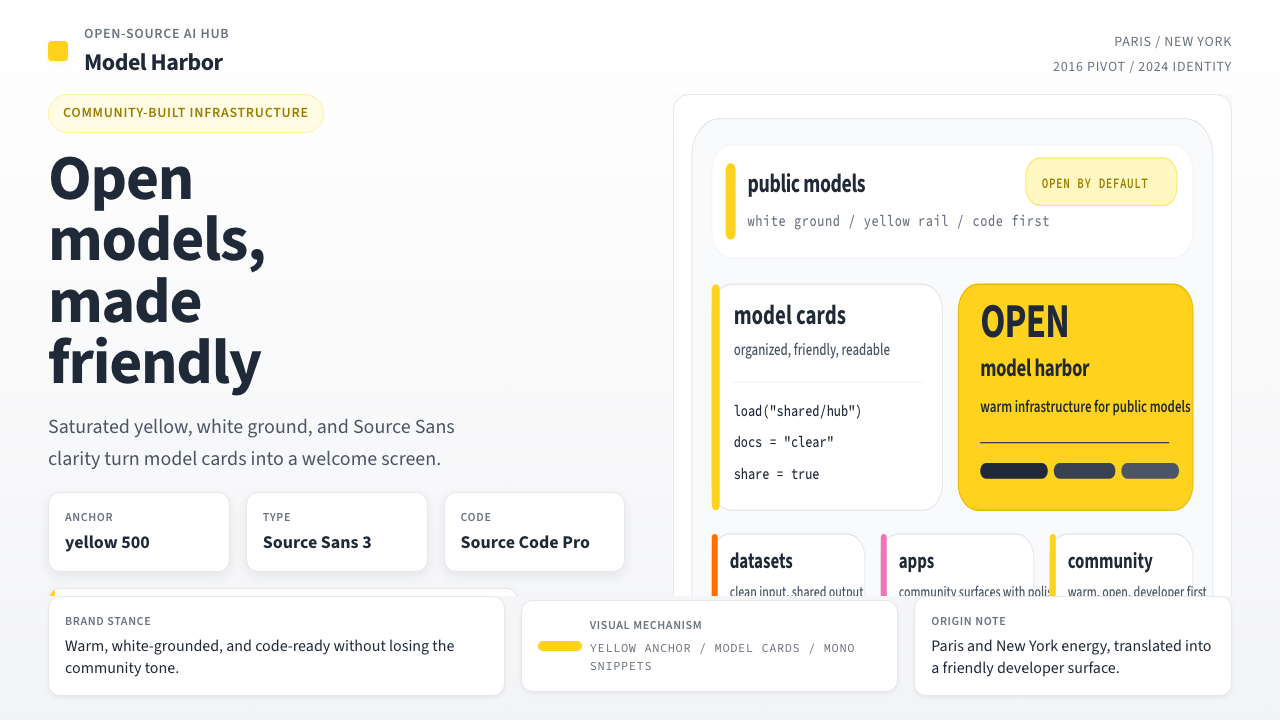 Hugging Face Emoji-YellowWarm infrastructure. Yellow rails, Source Sans, and code cards make openness…
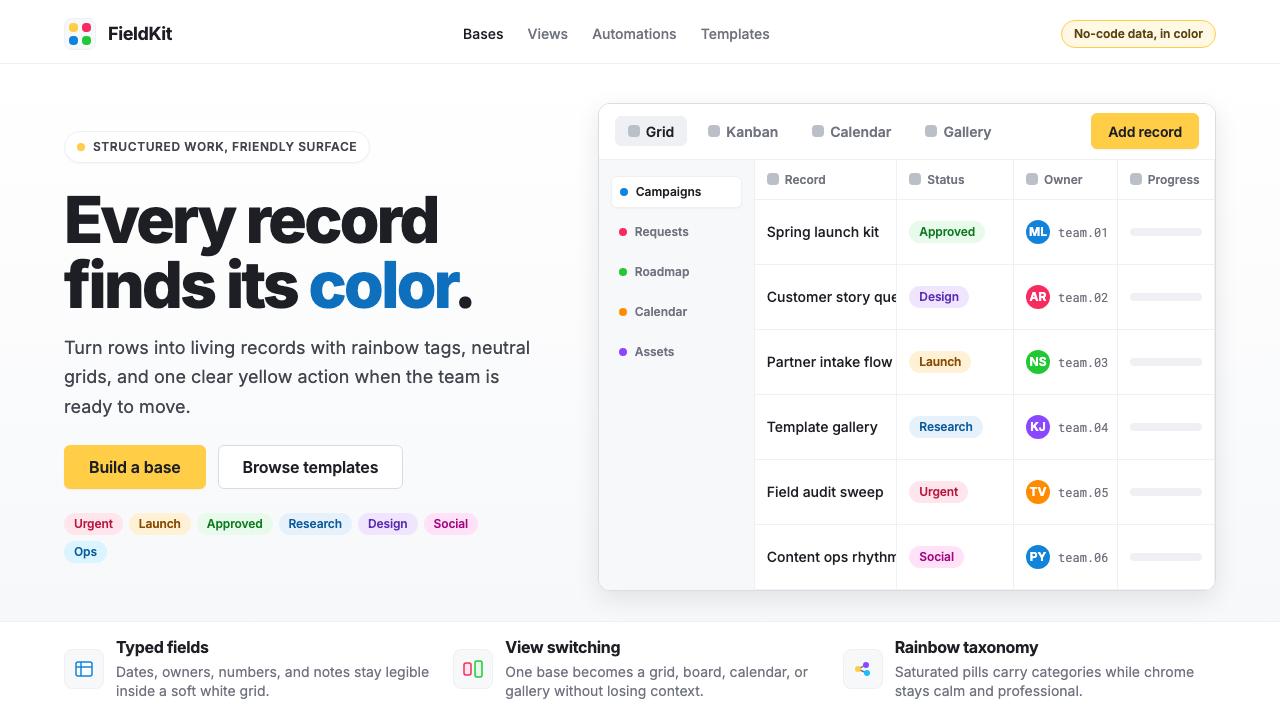 Airtable Spreadsheet-RainbowWork becomes celebratory. Inter grids stay white while rainbow pills and yell…
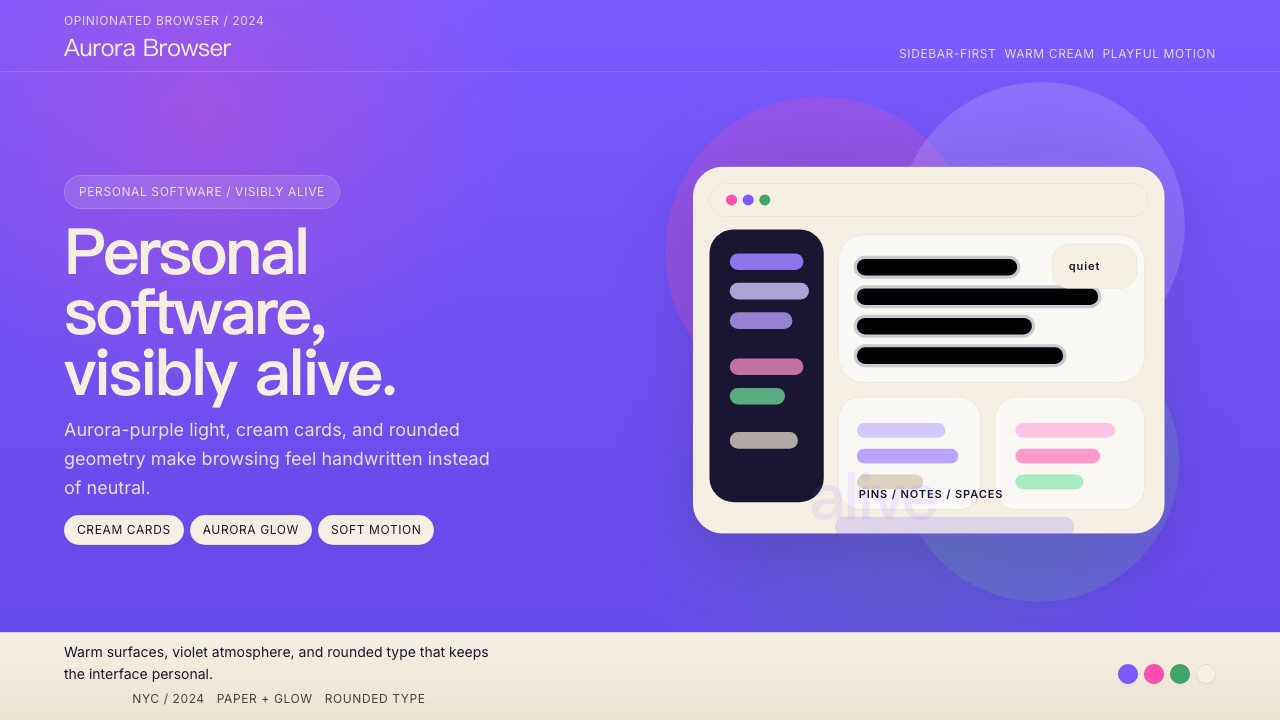 Arc BrowserPersonal software, visibly alive. Aurora purple glows over cream cards and ro…
 Cohere Coral-AIEnterprise AI feels humane. Coral panels, sky-blue chips, and organic curves…
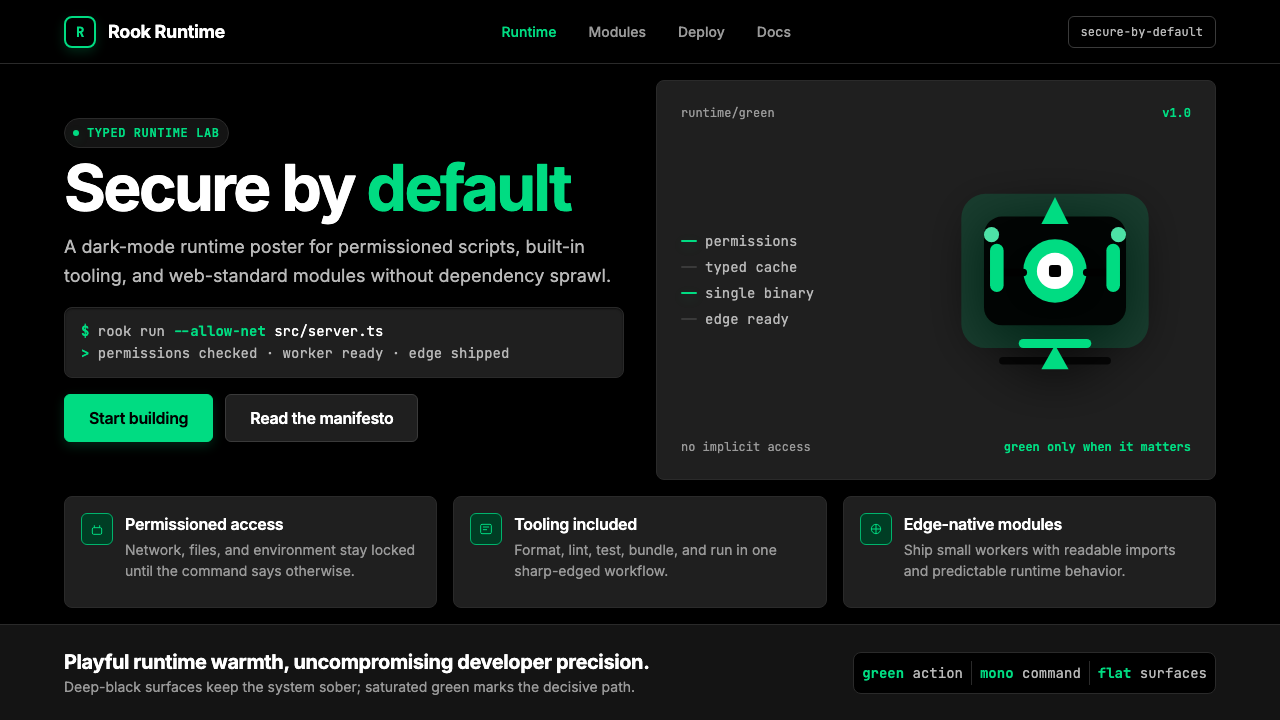 Deno Runtime-GreenWarm precision on black. Saturated green, Inter, and mono code turn security…
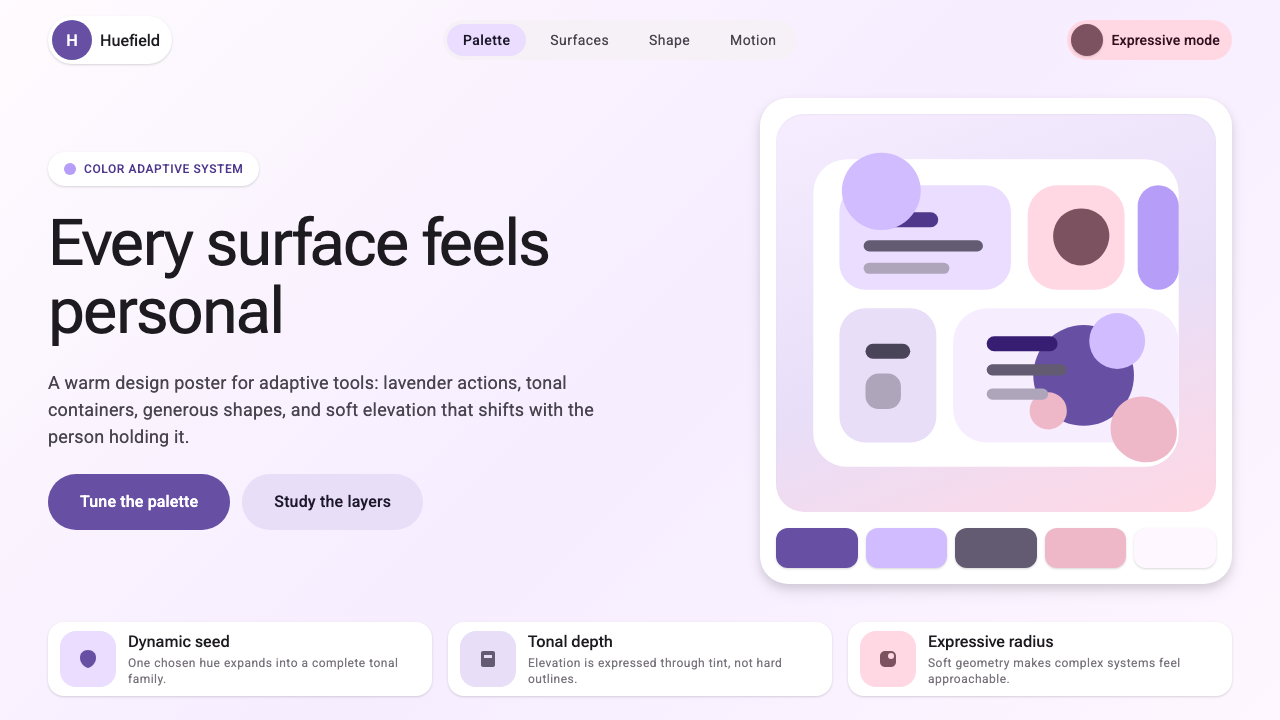 Google Material 3 ExpressiveA living system, themed by your wallpaper. Larger radii, tonal surfaces, emot…