What is Airbnb 2014?
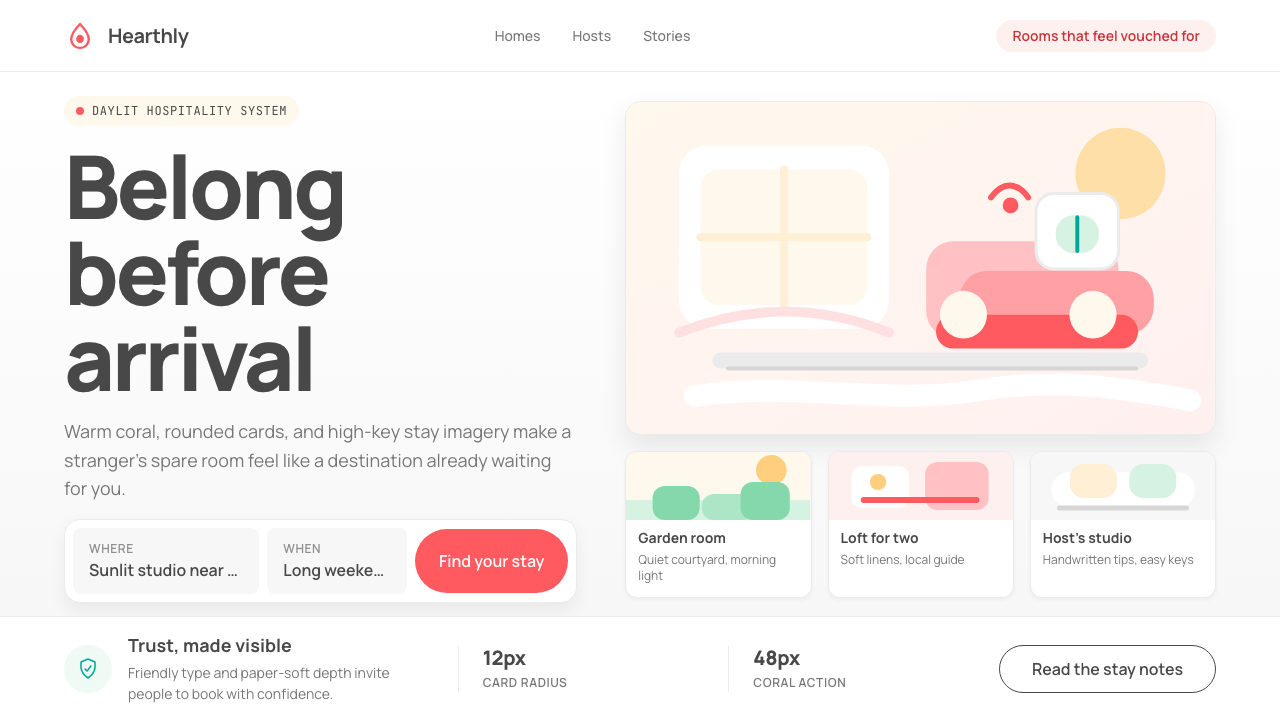
Coral warmth, generous whitespace, and the Bélo — Airbnb's 2014 redesign taught the internet that strangers could trust each other, one rounded card at a time.
Airbnb 2014 in brief
Airbnb 2014 is the visual design system that emerged from the company's landmark brand refresh, centered on the launch of the Bélo — a symbol composed of interlocking curves evoking a stylized letter 'A', a heart, a location pin, and two hands in profile. Combined with a warm coral-red primary color, a custom rounded typeface, and photography-first card layouts, it formed a coherent design language that came to define an entire genre: the trust-first marketplace.
At the system's core is a deliberate warmth strategy. Where earlier web design relied on cool blues and neutral grays to signal reliability, Airbnb chose a coral that sits between red and orange — energetic enough to draw attention, tempered enough not to alarm. Every supporting decision reinforces the same emotional register: corners are softened into generous curves, imagery is large and daylit, spacing is relaxed, and interactive elements feel approachable rather than clinical.
The result was a visual identity so coherent and widely copied that it created a recognizable sub-genre sometimes called 'Airbnb-style' design — characterized by pill-shaped buttons, soft-shadow card components, hero photography framed in rounded containers, and a palette that blends warm neutrals with a single vibrant accent. Understanding the system means understanding that every element is in service of a single value proposition: making the unfamiliar feel safe and inviting.

Where does Airbnb 2014 come from?
By 2013, Airbnb had grown from a scrappy air-mattress-rental startup into a global hospitality platform operating in over a hundred countries. The original visual identity — a wordmark in a blocky script — no longer reflected the company's ambitions or the emotional stakes of its product. Strangers were inviting strangers into their homes; the brand needed to earn that trust at a glance. Co-founders Brian Chesky and Joe Gebbia, both trained designers, commissioned London-based brand consultancy DesignStudio to lead the visual overhaul.
The Bélo, unveiled in July 2014, was the project's centerpiece. DesignStudio described it as a symbol of belonging — the idea that anyone, anywhere, can feel at home. The mark's formal ingenuity lay in its readability on multiple levels: it functioned as an 'A' for Airbnb, a heart for care, a location pin for travel, and a figure formed by two mirrored hands. The launch was accompanied by a campaign inviting the public to draw their own Bélos, a participatory gesture that reinforced the brand's communitarian values. Karri Saarinen, who led product design at Airbnb during this period, guided the translation of the new brand identity into the full digital product experience.
The custom typeface, named Cereal, was developed to match the Bélo's visual warmth. Designed with rounded apertures and friendly terminals, it avoided the cool geometry of contemporary tech typefaces and the old-fashioned warmth of slab serifs — landing instead in a register that felt modern but human. Cereal accompanied the coral palette in establishing a typographic voice that was legible at display sizes on the marketing site and equally functional in small-print listing details.
The visual language arrived at a precise cultural moment. In 2014, the sharing economy was both a genuine cultural phenomenon and a contested idea — questions of safety, accountability, and trust between strangers were live public debates. Airbnb's design responded to this context directly: by making warmth, openness, and welcome visible at every touchpoint, it built trust through aesthetics rather than through policy alone. The system influenced a generation of marketplace, lifestyle, and SaaS companies that adopted coral accents, rounded corners, and photography-first layouts as shorthand for the same set of values.
What defines the Airbnb 2014 look?
Coral Accent
The signature color sits in the warm spectrum between red and orange — energetic enough to read as a call to action, soft enough not to carry alarm. It appears most prominently on primary buttons, key iconography, and the Bélo itself. The rest of the palette is deliberately restrained: warm off-white grounds, neutral mid-tones for secondary text, and near-black for headings. The coral earns its prominence precisely because it is the only high-saturation element in an otherwise quiet field.
Rounded Forms
Corners are softened throughout the system — on cards, buttons, image containers, and input fields. The degree of rounding is generous rather than token: a button's ends approach a full pill, an image card's corners suggest a friendly envelope rather than a mechanical frame. This consistent softness is not incidental; it is one of the system's primary trust signals, reducing the visual aggression of hard angles and reinforcing a sense of welcome at every interactive touchpoint.
Photography-First Layout
Large, high-quality photography is the primary visual content in the system — not illustration, not icons, and not abstract graphic shapes. Images of homes, neighborhoods, and hosts dominate the layout grid and establish the emotional register of each listing. Photos are cropped to emphasize warmth and daylight: interiors appear bright and inviting, outdoor spaces are shot in golden-hour light, and host portraits lean toward candid over posed. The design system treats the photograph not as decoration but as the product itself.
Card Architecture
Content is organized into discrete card units — each containing a photograph, a title, a location line, a price, and a rating — separated by generous whitespace rather than borders or dividers. Cards carry a subtle soft shadow that lifts them slightly off the ground without creating the heavy depth of skeuomorphic design. The shadow is diffuse and warm-toned, reinforcing the system's overall register. Cards are the primary unit of browsing, and their consistent shape ensures that visual scanning is fast and low-friction.
Friendly Custom Typography
The Cereal typeface brings warmth to functional text through rounded terminals and open letterforms that avoid both the cold precision of geometric grotesques and the nostalgic weight of humanist serifs. Typographic hierarchy is established through size and weight contrast rather than color: a prominent heading sits above secondary metadata in a lighter weight, with the coral accent reserved for interactive labels rather than decorative emphasis. Line spacing is generous throughout, lending an unhurried, welcoming pace to the reading experience.
Generous Whitespace
Airbnb's layouts breathe. Content elements are never crowded; between sections, between cards, and around text blocks, negative space is treated as a design material in its own right rather than an absence of content. This spaciousness is both aesthetic and functional: it signals a brand that is confident, unhurried, and premium without being cold. The whitespace also serves the photography — a listing image surrounded by breathing room carries more emotional weight than one packed alongside competing elements.
Bélo as System Anchor
The Bélo functions as more than a logo — it is the visual anchor that gives the entire design system its personality. Its interlocking curves establish a design grammar that extends into the system's rounded corners, soft card shadows, and flowing photographic compositions. Appearing in coral against light grounds or in white against coral fills, it carries sufficient visual weight to anchor diverse layouts while remaining simple enough to reproduce at any scale, from a mobile app icon to a billboard.

Who shaped Airbnb 2014?
Chesky co-founded Airbnb with Joe Gebbia and Nathan Blecharczyk after the three met at the Rhode Island School of Design. A trained industrial designer, Chesky brought genuine design sensibility to the CEO role and made the 2014 brand refresh a personal priority, believing that the visual identity had to convey trust at the same level that the product itself demanded. His insistence on the emotional storytelling dimension of the Bélo — that it should feel human and universal, not corporate — shaped the design brief that DesignStudio ultimately executed.
Gebbia, also a Rhode Island School of Design graduate, served as Airbnb's chief product officer during the rebranding period and was the internal champion for design quality across the company. His RISD background gave him a fluency in visual language that was unusual for a startup founder, and he used it to push the product team toward the premium, photography-forward aesthetic that the 2014 system embodied. Gebbia later founded Samara, Airbnb's in-house design and innovation studio, extending the company's design ambition into physical architecture and community spaces.
DesignStudio, the London-based brand consultancy led by co-founder Ben Wright, conceived and designed the Bélo and the accompanying visual identity system. The studio was chosen for its experience with ambitious visual identities for digital-first companies, and its approach — rooting the mark in a concept of belonging that could resonate across cultures — proved both commercially successful and critically influential. The Airbnb project became the studio's most visible work and established a template for how consumer technology companies could use brand identity as a trust-building instrument.
Saarinen led product design at Airbnb during the period when the Bélo brand identity was translated into the full digital product experience — the app, the web platform, and the design system that unified them. His work ensured that the warm, trust-forward values of the brand refresh were not lost in translation to functional UI: the card architecture, soft shadows, and rounded interactive elements that became the system's signature emerged from his team's iterative work. Saarinen later co-founded Linear, a product management tool that applied a different but equally systematic approach to interface design.
Atkin, Airbnb's former head of global community and co-author of a book on cult brand building, shaped the ideological framing that the design system had to express. His theory — that belonging is the most fundamental human need, and that a brand can become a movement by addressing that need — provided the strategic brief for the Bélo and the warmth strategy. Atkin's influence explains why the Airbnb design language reads less like a conventional hospitality brand and more like an invitation to a community: the aesthetic choices were downstream of a deliberate social philosophy.
How do you use Airbnb 2014 today?
Airbnb 2014 is one of the most practical historical design systems to apply in contemporary work, because its principles are grounded in a specific emotional goal — building trust between strangers — rather than in abstract formal rules. Applying it well means understanding that every decision should communicate warmth, openness, and confident quality. The system rewards consistency: a single out-of-register element (a harsh corner, an aggressive typeface, a cold background tone) can undermine the accumulated warmth of everything else.
For presentation slides, the system works at both cover and content scale. A cover slide benefits from a full-bleed photograph framed by generous whitespace, with a title set in a rounded, medium-weight face layered over a translucent warm overlay or set against a clean light ground. The coral accent should appear once — on a key word, a rule, or the logo mark — and nowhere else on the cover. Content slides should feel like well-designed editorial pages: one dominant image or data visual, a two-level text hierarchy using size rather than color to differentiate, and ample breathing room between elements. Data slides translate well into the card format — each data point in its own softly shadowed module, with the coral reserved for the most important callout figure.
For web interfaces, the system is directly at home in marketplace, booking, and listing contexts, but it transfers effectively to dashboards and pricing pages as well. The approach: establish a warm near-white ground, use a rounded sans-serif for all text, build primary navigation with the coral accent on the active state, and construct the main content area from card units with soft shadows and generous internal padding. Pricing tiers work well in this system — each tier as a card, the recommended option receiving a coral border or background fill to distinguish it from its siblings without resorting to aggressive contrast. Forms and input fields should carry a rounded border with a coral focus state, making the interaction feel gentle rather than transactional.
For editorial and marketing applications, the Airbnb aesthetic translates into a photo-essay register: large images, minimal text, and a pace that allows each visual to breathe before the next one arrives. A marketing landing page structured in this system alternates between full-width photography sections and tight copy blocks on a warm white ground, with the coral reserved for primary calls to action and the Bélo or equivalent anchor mark appearing consistently. Social cards and editorial thumbnails work best when they commit to one strong photograph with minimal typographic overlay, using a warm overlay tint rather than a cold dark one when legibility requires it.
A common mistake is reducing the system to its most recognizable surface features — coral buttons and rounded corners — while missing the emotional discipline underneath. The Airbnb aesthetic is not simply a warm color and a generous border-radius applied to a generic layout; it is a system built on photography quality, spacing generosity, and tonal consistency working in concert. Adding coral to a cold, blue-tinted, tightly-spaced layout does not produce an Airbnb-style result. Equally, using multiple competing accent colors alongside the coral, or introducing sharp typographic elements — condensed faces, all-caps aggressive headlines, tight leading — will break the system's warmth register and produce an incoherent result.

Airbnb 2014 — FAQ
Is the Airbnb 2014 style the same as the current Airbnb design?
No. The Airbnb design language has evolved considerably since 2014. The core Bélo and coral identity remain, but the product interface has been refined multiple times — most notably with a 2023 overhaul that introduced a more editorial, magazine-like aesthetic with richer photography treatment and a more sophisticated typographic hierarchy. The 2014 system is best understood as the foundational era: when the core values of warmth, belonging, and trust were established in visual form and proved to be commercially and culturally influential. Later evolutions built on this foundation without replacing its core logic.
Why did coral become so strongly associated with trust and community in digital products?
The association is largely downstream of Airbnb's commercial success. Before 2014, coral and warm orange-reds were not common in technology product design, which tended toward blues (for authority and trust) and greens (for positivity and growth). Airbnb's highly visible rebrand demonstrated that a warm red-adjacent color could carry trust signals when combined with the right supporting elements — generous whitespace, friendly typography, and high-quality photography. Hundreds of marketplace and lifestyle brands subsequently adopted similar palettes, creating a network effect that reinforced the cultural coding. The color itself is not inherently trustworthy; it became trustworthy through association.
Can the Airbnb 2014 aesthetic work for products outside hospitality and travel?
Yes, with some adjustment to the photography content and brand language. The underlying visual logic — warm palette, rounded forms, card architecture, photography-first layouts, generous spacing — is transferable to any product where the primary value proposition involves human connection, trust between users, or aspirational lifestyle association. It works well for peer-to-peer marketplaces, professional services platforms, community tools, and consumer wellness products. It is less well suited to contexts requiring cold precision — financial infrastructure, medical tools, enterprise security — where the warmth can undermine the credibility the product needs. The key test is whether the values the system communicates align with the values the product needs to communicate.
How do I avoid making my design look like a generic Airbnb clone?
The safest approach is to extract the principles rather than copy the surface. The Airbnb system's actual contribution is a set of decisions about emotional register: how warm the palette is, how generous the spacing, how prominent the photography, how inviting the interaction states. These principles can be applied with a different anchor color, a different typeface, different imagery, and a different logo without producing something that reads as derivative. What makes a design feel like a generic clone is the combination of the specific coral, the specific card shadow, and the specific rounded button shape all appearing together — these surface markers without the underlying thoughtfulness produce pastiche rather than inspiration.
Does the Airbnb 2014 style work in dark-mode contexts?
The system was designed for a light ground and performs most naturally there. A dark inversion is possible but requires care. On a dark background, the coral accent tends to vibrate more aggressively, so it should be used more sparingly — perhaps only on the single most important interactive element per screen. Card components in dark mode lose the soft-shadow separation that is central to the system's card architecture; an alternative approach is to use a slightly lighter dark tone for card backgrounds against a deeper dark ground, creating separation through tone rather than shadow. The photography-first principle is actually well-served by dark contexts — images tend to pop more dramatically against dark grounds — but the warm emotional register of the overall system is harder to sustain without the warm near-white field that the original system depends on.
Related design styles
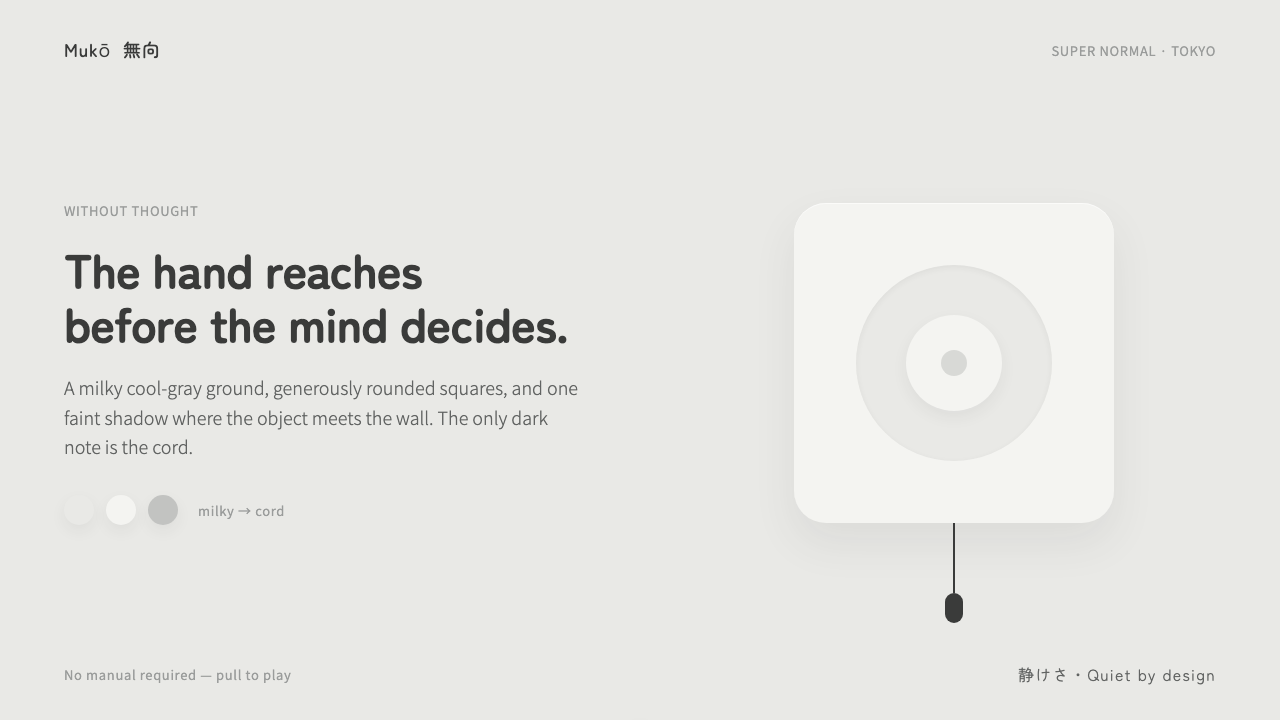 Fukasawa Without ThoughtHand reaches before mind decides. Milky cool-gray plastic, rounded squares, o…
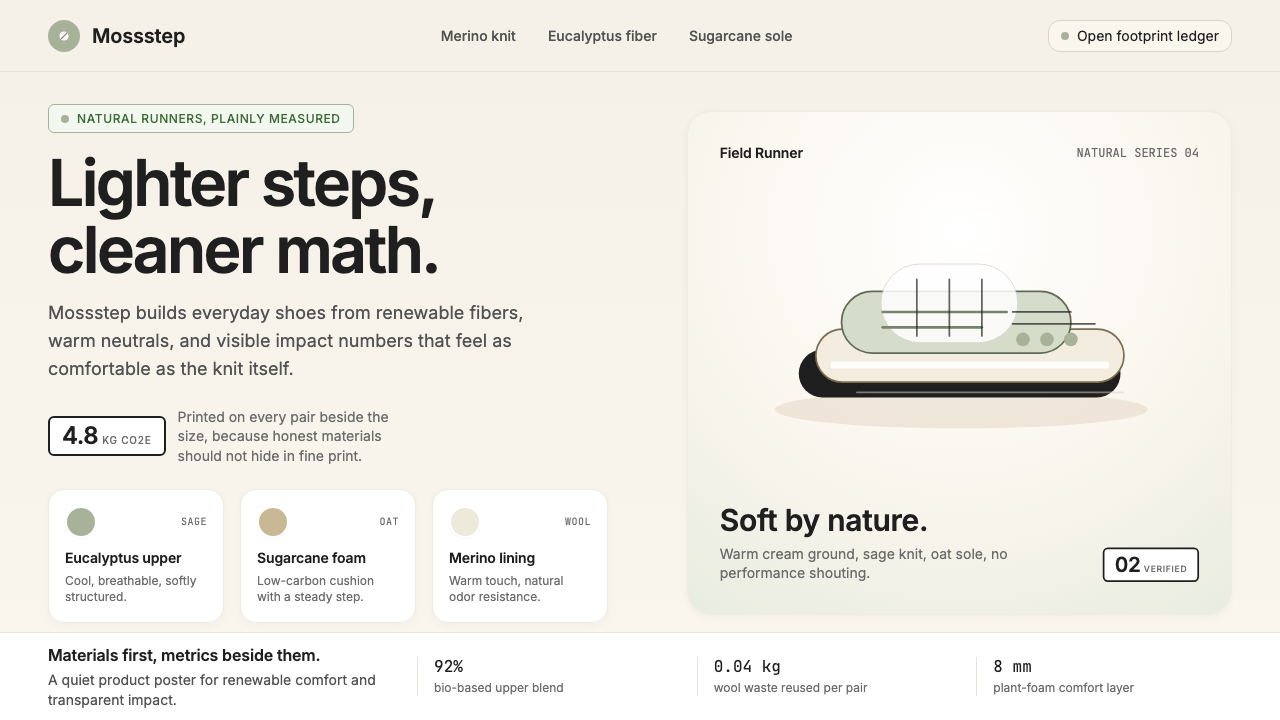 AllbirdsSustainability that breathes. Cream-and-sage tones, carbon labels next to pri…
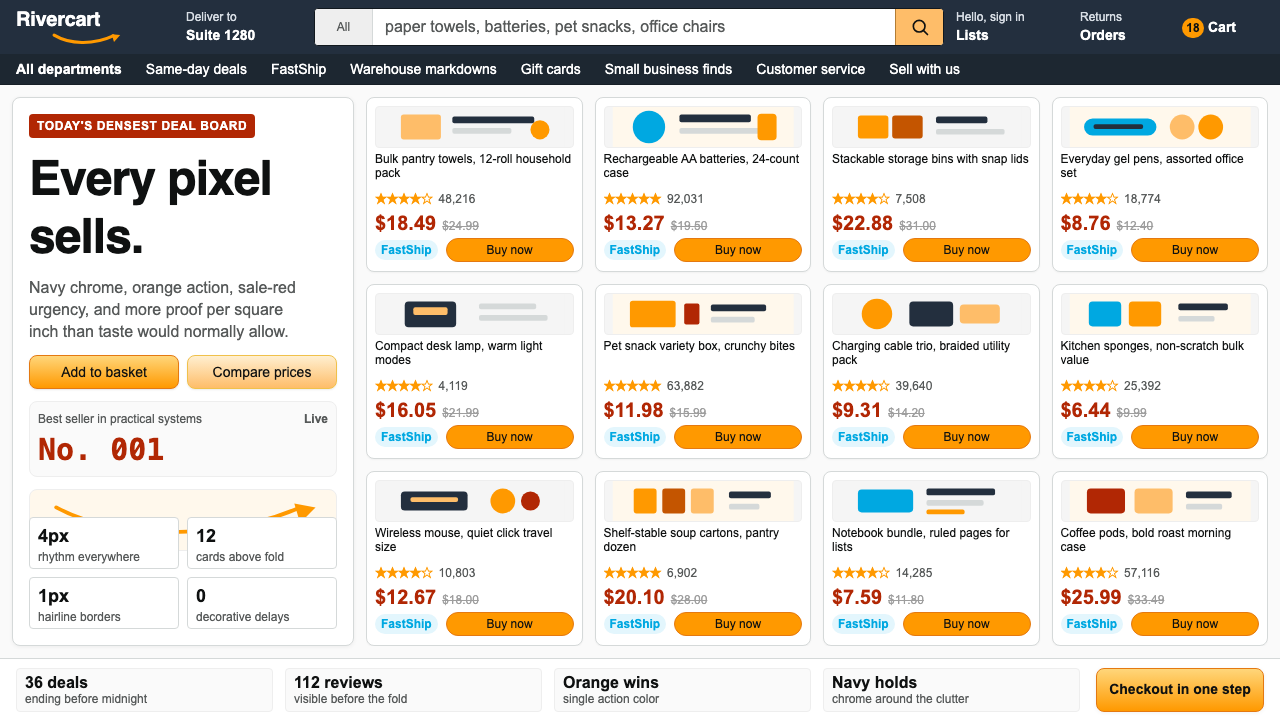 AmazonUgly sells efficiently. Navy chrome, orange buttons, red prices crowd a dense…
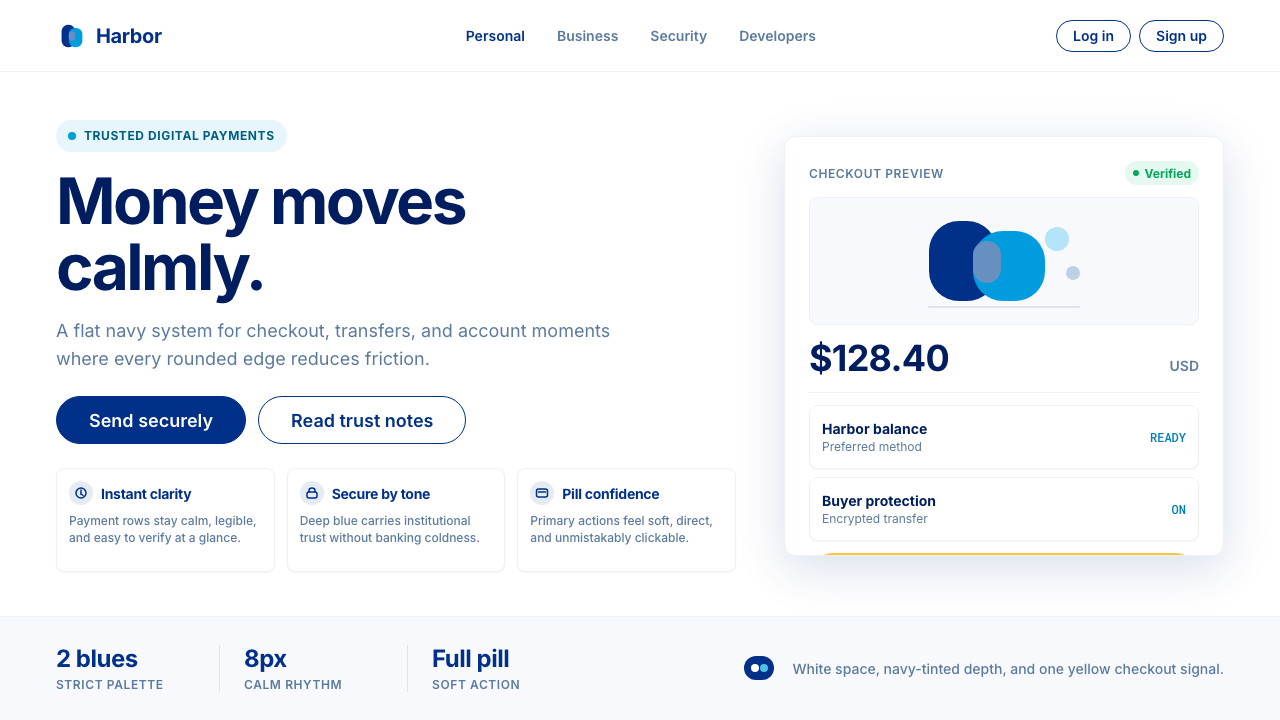 PayPalTrust without coldness. Deep navy, sky cyan, white cards, and pill checkout c…
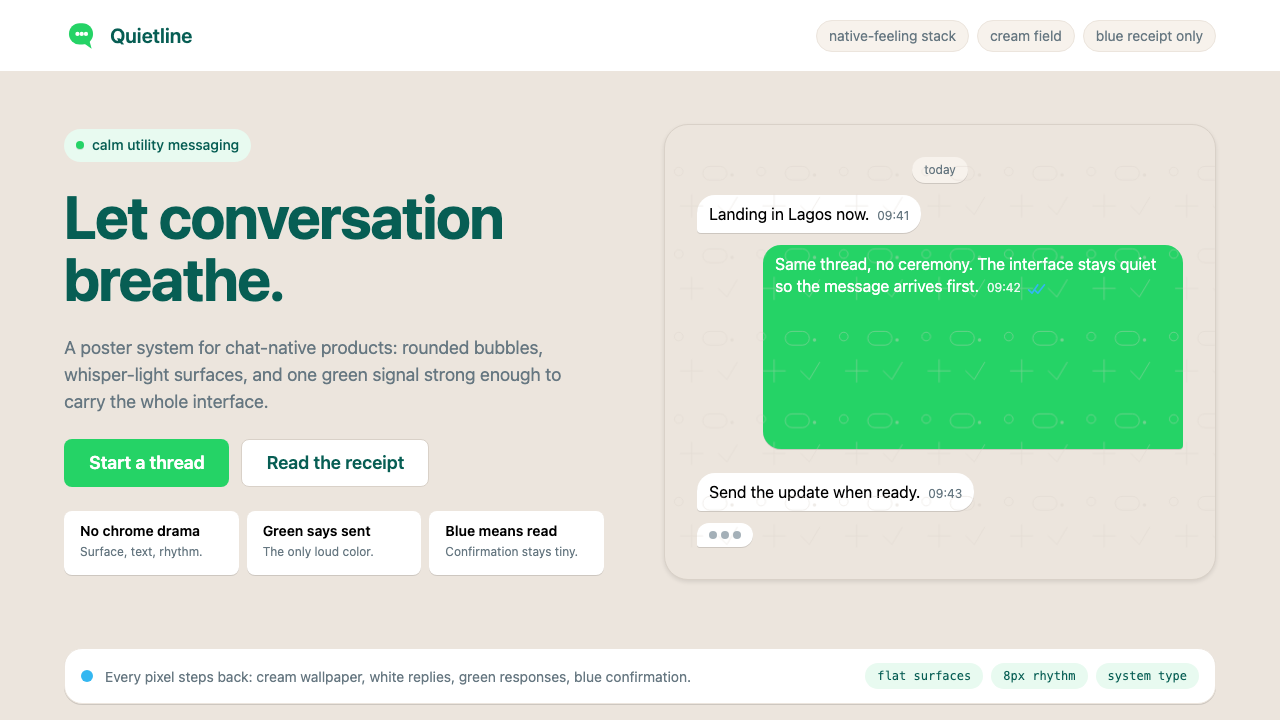 WhatsAppConversation is the interface. Cream wallpaper, green bubbles, and tiny blue…
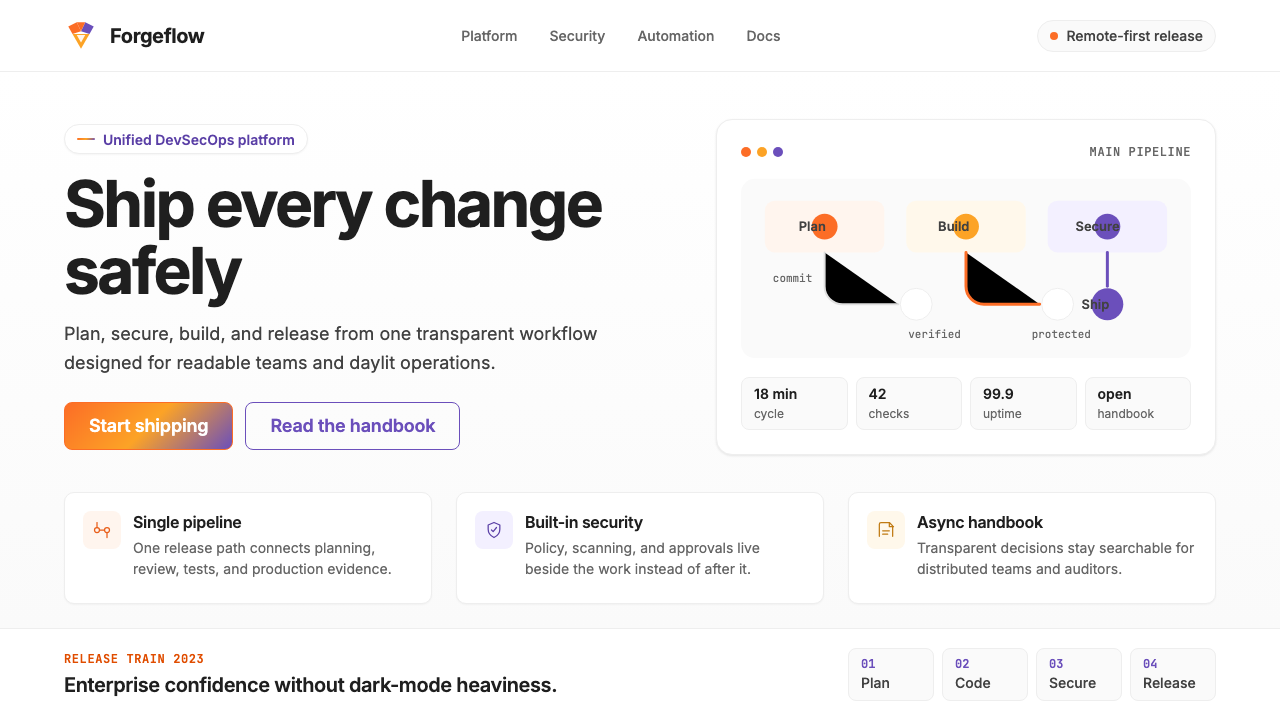 GitLab 2023DevOps in daylight. Tanuki orange-to-purple gradient, Inter, warm enough for…