What is Synthetic Voice Registry?
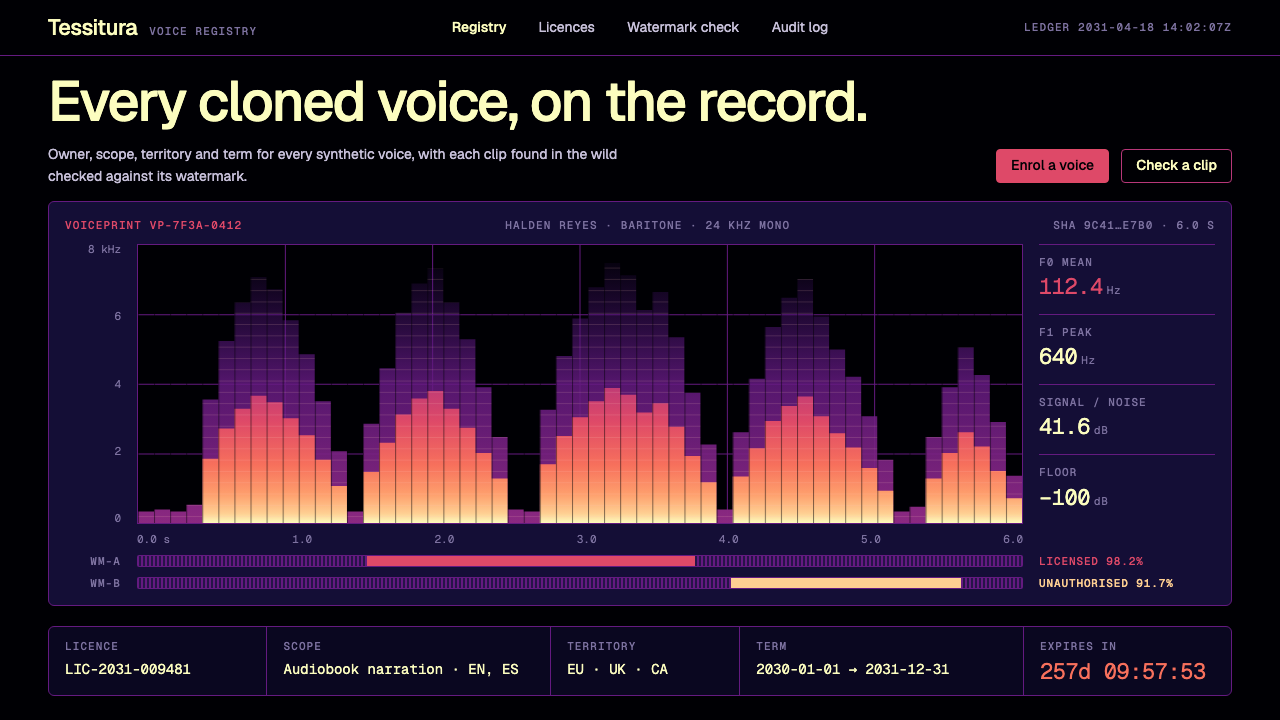
Synthetic Voice Registry imagines the public ledger every cloned voice will eventually need, and draws it from the spectrogram itself: a near-black floor, magma energy bands and every identifier in monospace.
Synthetic Voice Registry in brief
Synthetic Voice Registry is a design style for a product that does not yet fully exist: a public ledger for cloned voices. It imagines the place where every synthetic voice would be registered, with its owner, the people licensed to use it, the territories and uses permitted, the date the licence expires, and a way to check whether a suspicious clip found online carries the voice's watermark. It is part registry, part licensing desk and part deepfake checker.
Its visual language comes from the spectrogram, the picture that audio engineers use to see sound. The floor is a near-black, the quiet colour at the bottom of the magma colormap. On top of it, voiceprints, licence scopes and detection results are painted in magma's energy bands: low energy in violet, signal in pink, and peaks in a pale, almost white warm tone. Geist carries clauses and body text, and Geist Mono carries every identifier, hash, level reading and expiry date.
The mood is serious, scientific and calm. It is a style for situations where trust, provenance and consent are the product, and where the interface has to look as precise as the claims it makes. The dark ground and the glowing bands make it feel like instrumentation rather than like marketing.

Where does Synthetic Voice Registry come from?
The style draws on three strands that came together in the first half of the 2020s. The first is a scientific visualisation tool: the magma colormap, released in 2015 and associated with Nathaniel J. Smith, which was designed to run from a very dark, near-black floor through violet and pink to a pale warm peak. It was built to be perceptually even, so that equal steps in data look like equal steps in colour, and it quickly became a standard for showing intensity in spectrograms and heatmaps.
The second strand is the rise of voice-cloning platforms between 2020 and 2024. Companies such as ElevenLabs, associated here with Mati Staniszewski, made it easy to generate a convincing synthetic voice from a short sample, and raised new questions about who owns a voice and who may use it. The questions are not only legal but practical: a performer, a company or an ordinary person needs a way to say that a voice is theirs and to specify what it may be used for.
The third strand is deepfake audio detection and watermarking. Firms working on voice security, such as Pindrop, associated here with Vijay Balasubramaniyan, and Resemble AI, associated with Zohaib Ahmed, built tools to tell synthetic speech from real and to embed marks in generated audio that survive copying. Their products sit in cities such as New York, London, Atlanta, Toronto and San Francisco, and they gave voice security its working vocabulary of scores, fingerprints and verdicts.
The registry itself is a projection. The source treats it as something that might exist in the 2030s: the point at which voices, like domain names or trademarks, need an authoritative public record. The visual system borrows its seriousness from the platforms that already exist and its colour from the science of looking at sound, and it uses both to imagine what that future ledger might look like.
What defines the Synthetic Voice Registry look?
Near-black silence floor
The ground is a near-black taken from the bottom of the magma colormap, the colour of silence in a spectrogram. It is a little warmer and more purple than pure black, which gives the energy bands above it something to glow against. The darkness reads as quiet rather than as menace.
Magma energy bands
Data is painted in a continuous ramp from violet through pink to a pale warm peak. Low values are dark and cool, high values are bright and near-white. The ramp is used for voiceprints, licence coverage and detection confidence, so that brightness always means more energy or more certainty.
Monospace for every identifier
Voice IDs, hashes, level readings and expiry dates are all set in Geist Mono. Fixed-width characters line up in columns, so identifiers can be compared at a glance and a changed digit is easy to spot. It gives the ledger the feel of a record that has been engineered rather than designed.
Geist for clauses
Licence terms and descriptive copy are set in Geist, a clean contemporary sans. It reads comfortably against the dark ground and sits well beside its monospace sibling. The pairing separates human-readable clauses from machine-readable values.
Spectrogram as chart language
Visualisations borrow from the spectrogram: time runs along one axis, frequency or scope along another, and colour carries intensity. Waveforms, heatmaps and timelines share this logic, so a voiceprint, a licence timeline and a detection result look like parts of one instrument.
Expiry and status as visible data
Every licence shows its scope, region and expiry, with a countdown to the end date. Status is expressed through position on the colour ramp and through plain labels, not through alarm colours. The interface states facts and leaves the reader to judge.

Who shaped Synthetic Voice Registry?
Associated with the magma colormap released in 2015, whose dark-to-pale ramp supplies the style's near-black floor and energy bands.
Associated with ElevenLabs, one of the voice-cloning platforms whose products raised questions of voice ownership and licensing.
Associated with Pindrop, a voice-security company working on detecting fraudulent and synthetic audio.
Associated with Resemble AI, a company working on synthetic voice and on detecting and watermarking generated speech.
How do you use Synthetic Voice Registry today?
On slides, the style is suited to decks about trust, safety, compliance and audio technology. A near-black cover with one magma band running across it and a title in clean sans reads as serious. Content slides can use dark panels with monospace identifiers and dates in a column. For data, use the magma ramp for any continuous value, such as detection confidence or coverage over time, and keep category colours to a minimum so the ramp remains meaningful.
On the web, it fits registries, compliance dashboards, rights-management tools, verification services and developer consoles for audio products. A registry page can list voices as rows with monospace IDs and a small spectrogram strip, and a verification page can show an uploaded clip's result as a short band of colour with a plain verdict beneath it. Dates and hashes should always be in the monospace face, so that they can be compared without effort.
In editorial and marketing work, it suits reports, whitepapers and campaign graphics about synthetic media and consent. A large spectrogram, cropped and printed on a dark ground, makes an effective cover. Keep copy sober and exact; the style's credibility depends on precision rather than on drama. Avoid stock imagery of waveforms and robots, and use real-looking data instead.
The most common mistake is to use the magma ramp decoratively. Its colours encode intensity, so if they appear as arbitrary accents, the visual language stops meaning anything. A second mistake is to use proportional type for identifiers, which hides differences between similar strings. A third is to push the glow too far: too many bright bands on the dark floor turn a calm ledger into a nightclub poster.

Synthetic Voice Registry — FAQ
What is the Synthetic Voice Registry style?
It is a dark design style for an imagined public ledger of cloned voices. It combines a near-black floor, magma energy-band colours drawn from spectrograms and monospace identifiers to make ownership, licensing and deepfake checks look precise and trustworthy.
What is the magma colormap?
Magma is a scientific colormap released in 2015, associated with Nathaniel J. Smith. It runs from a near-black floor through violet and pink to a pale warm peak, and is perceptually even, which is why it is widely used to show intensity in spectrograms and heatmaps.
Why are identifiers set in monospace?
Fixed-width characters line up in columns, so IDs, hashes and dates can be compared at a glance and small differences are easy to spot. In this style Geist Mono is used for every identifier, hash, level reading and expiry date.
Is the registry a real product?
No. It is a projection of something that might exist around the 2030s. The style borrows its seriousness from today's voice-cloning and deepfake-detection platforms, and its colour from the scientific practice of visualising sound.
What is the most common mistake when using it?
Using the magma colours as decoration. They encode intensity, so arbitrary use makes them meaningless. Setting identifiers in proportional type, or adding too many bright bands to the dark floor, also weakens the calm, precise feel.
Related design styles
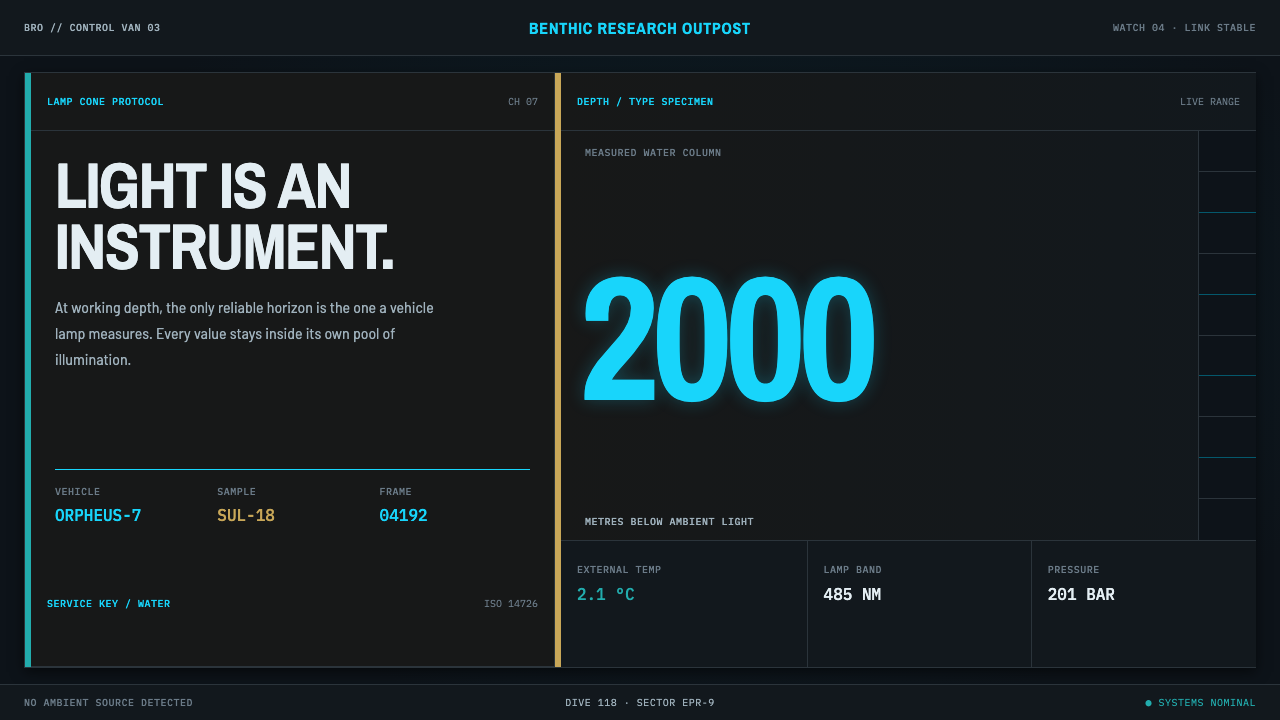 Benthic Research OutpostLight is an instrument. Lamp cyan and hard-racked hairlines measure the abyss.
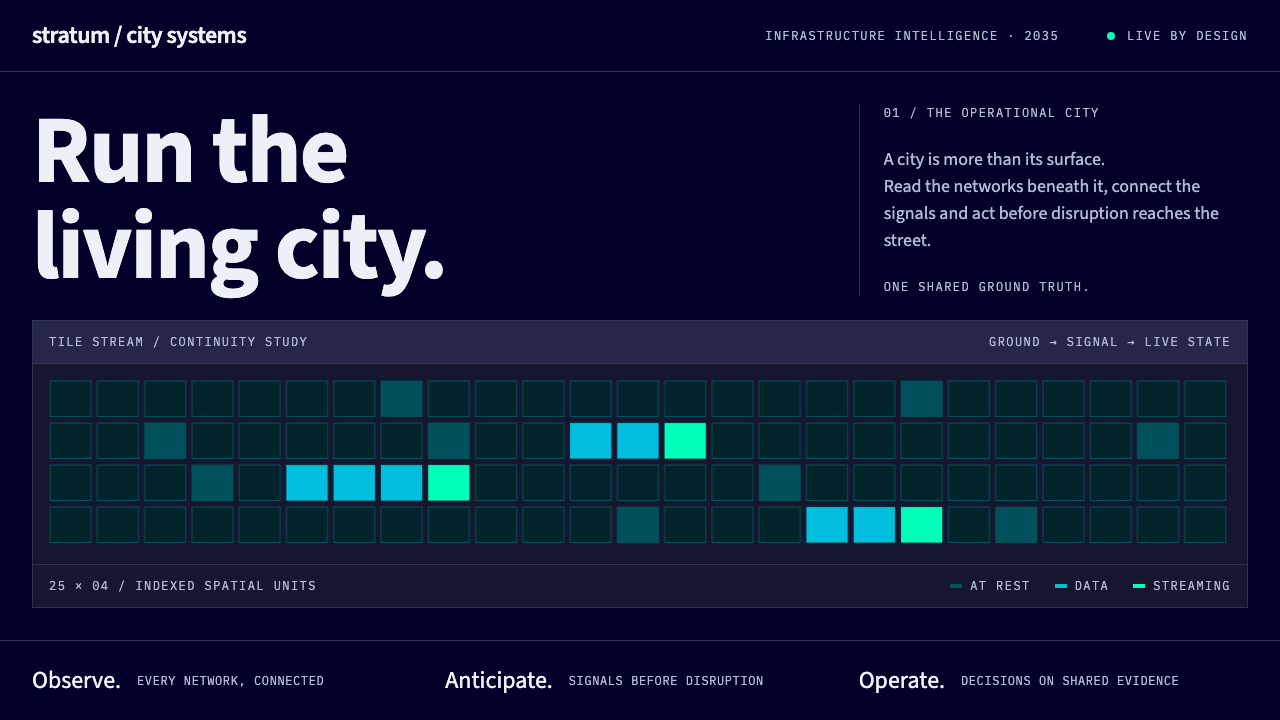 Digital Twin City OpsColour reports, never decorates. Deep blue grids reserve cyan and green for d…
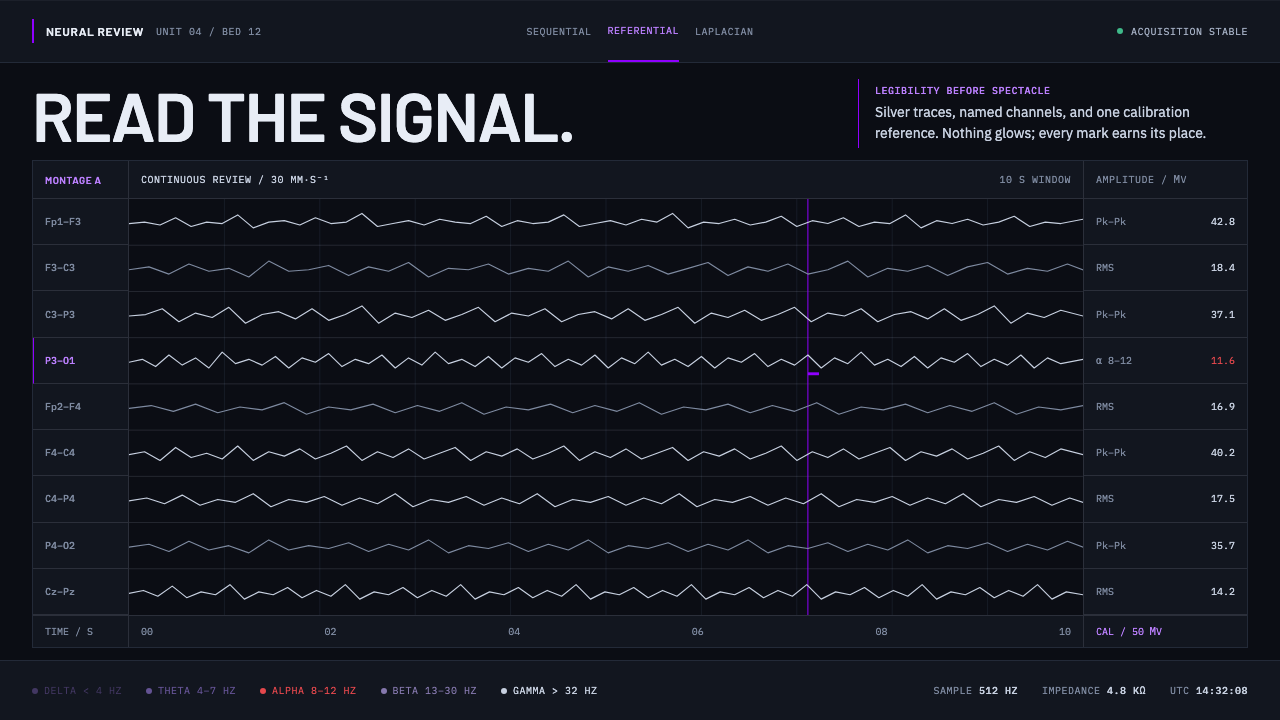 Neural Interface ClinicalClinical restraint makes signals legible. Silver traces cross near-black; vio…
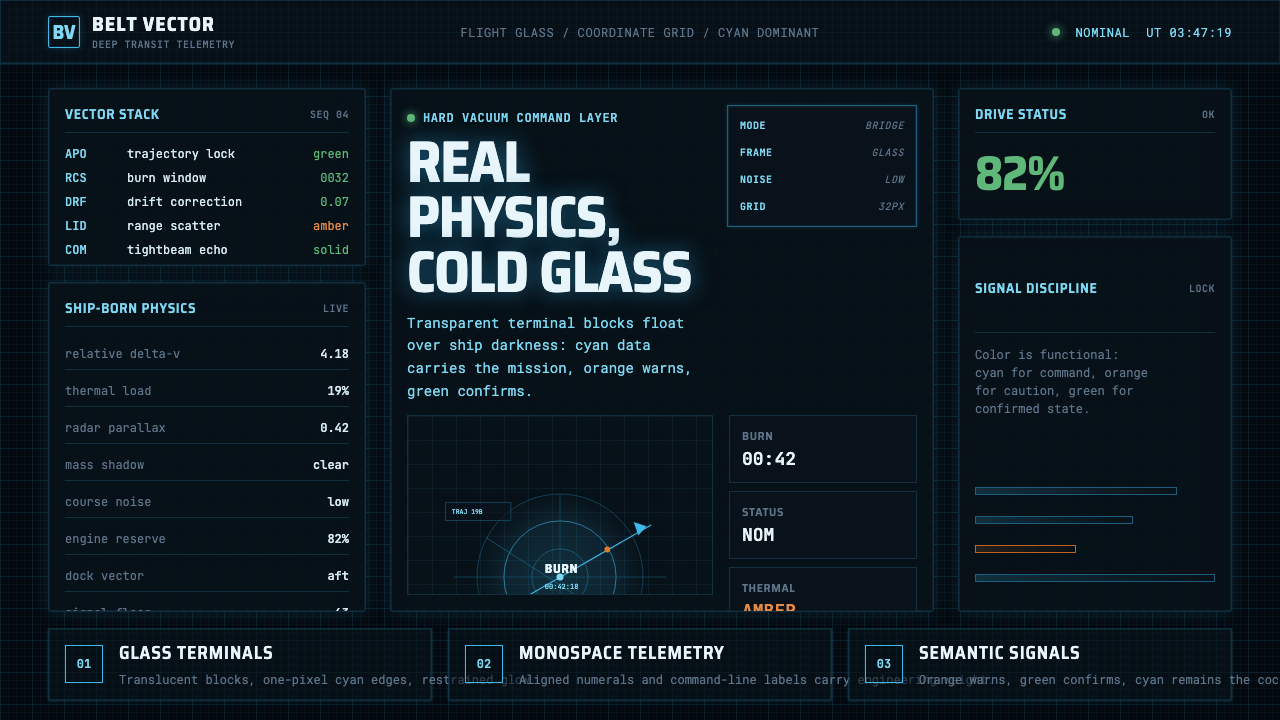 The Expanse Belter UIEngineering, not neon. Cyan glass panels, mono data, orange warnings on ship-…
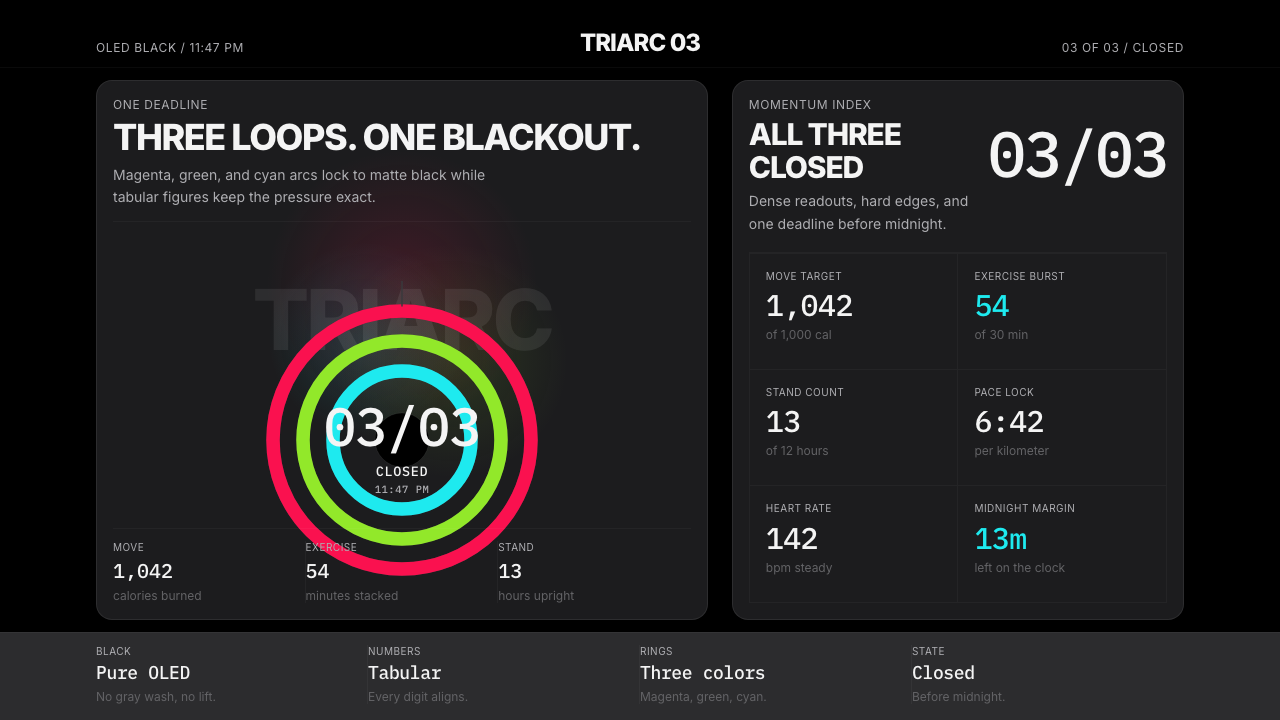 Apple Fitness Rings Closed (2024)Midnight feels exact. Magenta, green, and cyan rings lock onto OLED black.
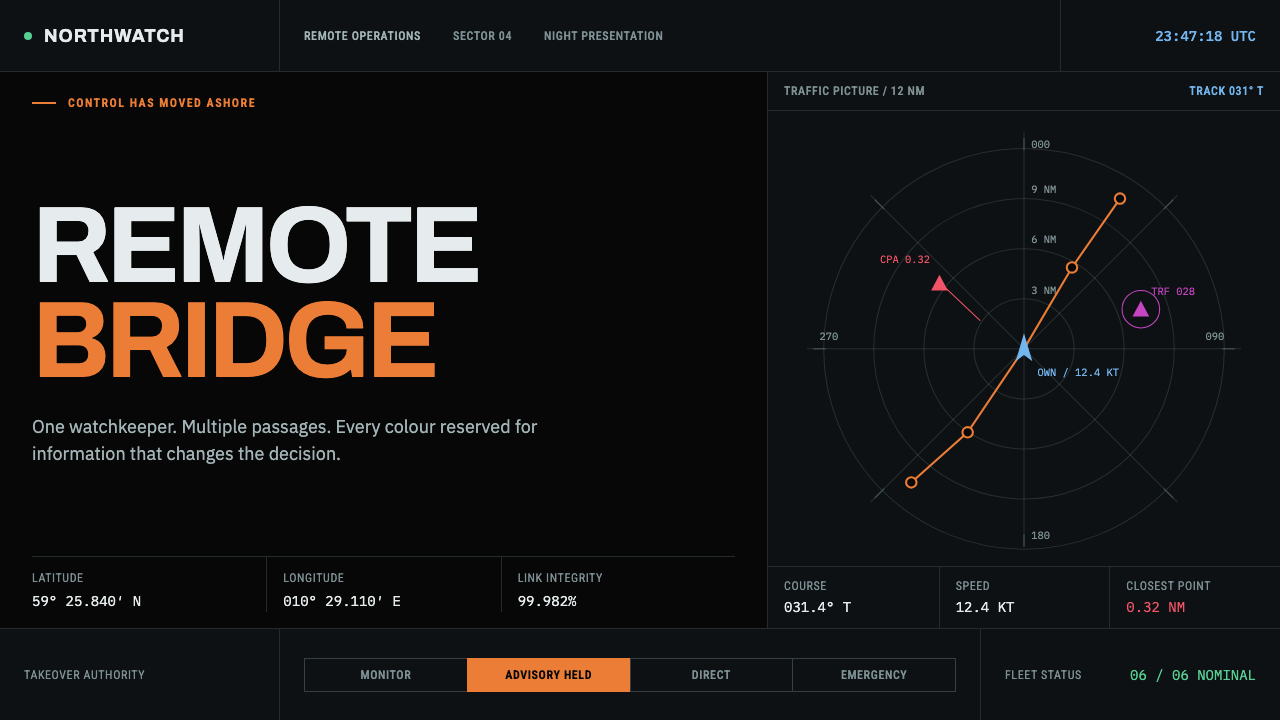 Autonomous Cargo Ship BridgeColour is protocol. Near-black chart grids reserve orange for decisions that…