What is Sardinian Mamuthones?
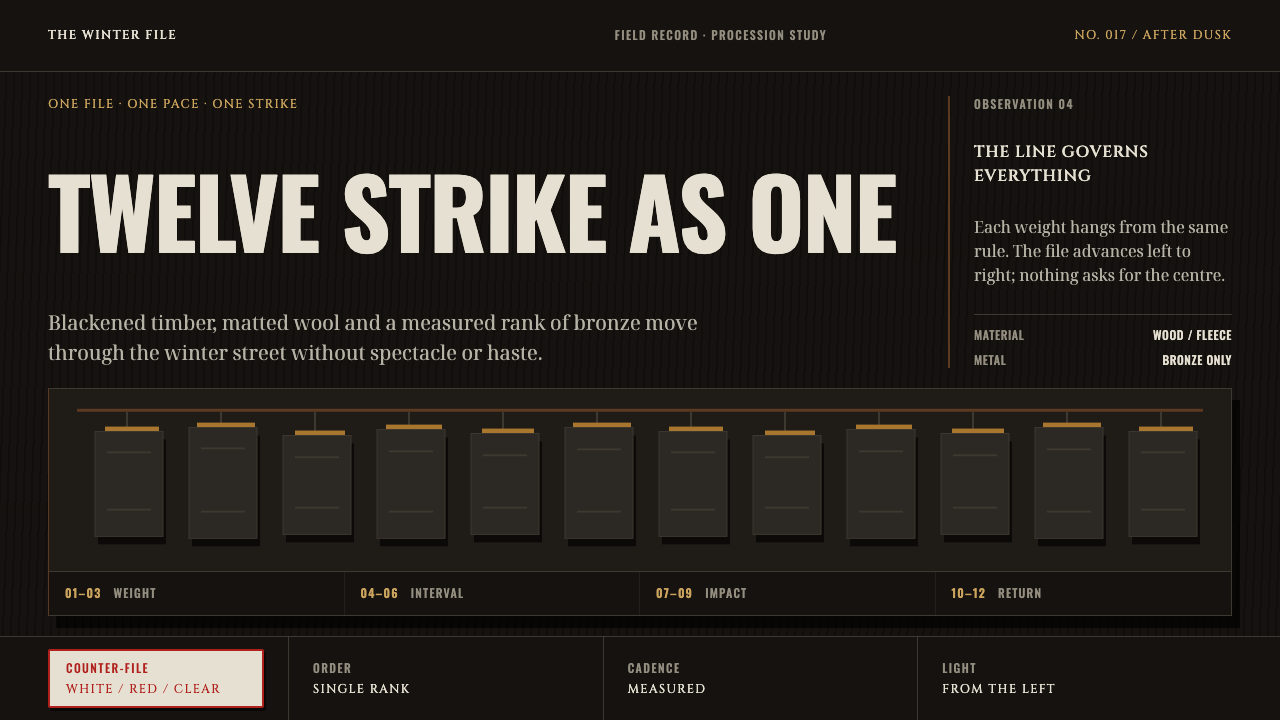
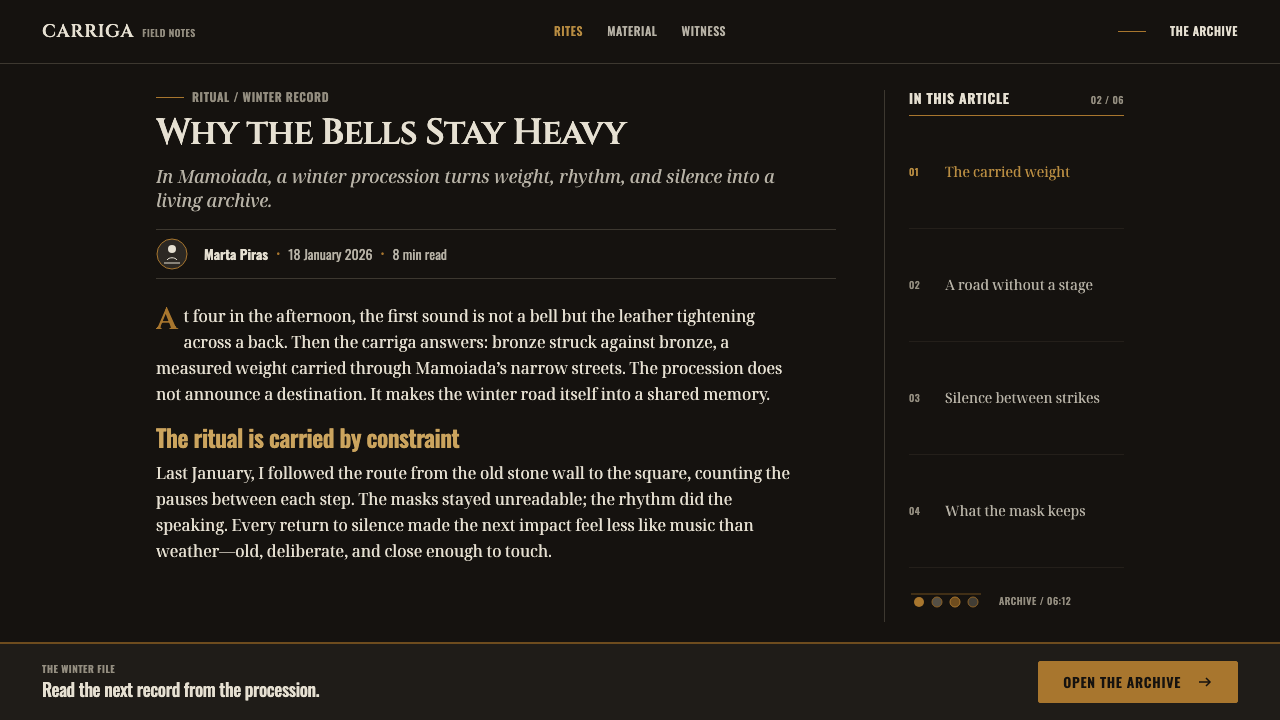
The Mamuthones turn a single winter procession into a design system: soot-black planes, a top-hung rank of rationed bronze, and a rule that nothing sits centered — everything moves single file, left to right.
Sardinian Mamuthones in brief
The Mamuthones are masked figures who walk out through the streets of Mamoiada, a town in the Barbagia region of Sardinia, dressed in black sheepskin with faces cut from fig or alder wood and blackened with soot. Strapped across each figure's back is the carriga, a rank of bronze bells so heavy that the wearer's gait becomes a slow, deliberate procession rather than a walk. Beside them moves the Issohadore, a figure who inverts every choice the Mamuthone makes: a white mask instead of black, a red waistcoat instead of black sheepskin, and a woven rush lasso carried loose in the hand instead of a fixed rank of bells on the back.
This system translates that procession into a working visual language rather than a literal costume reference. The ground is treated as black wood and matted fleece — dense, matte, and light-absorbing — so that nothing on the page competes with what little else appears on it. Bronze is the only metal permitted anywhere in the system, and it is rationed deliberately: it reads as valuable and as metal specifically because it is rare, the same way a handful of real bronze bells stand out against an otherwise all-black figure. The absence of gloss or shine anywhere else in the system is not an oversight; it is what makes the bronze register as metal at all, the same way soot-blackened wood only reads as carved and worked because nothing around it is polished or reflective.
Composition follows the logic of the procession itself. Elements hang from a single top line in an even rank, echoing the way the carriga's bells hang in a fixed row across the back. Nothing is centered in the conventional sense; balance comes from an even, left-to-right progression rather than from mirrored symmetry, because the source material itself never stands still — it walks.
Where does Sardinian Mamuthones come from?
The Mamuthones perform in Mamoiada, a town in the province of Nuoro, in the mountainous Barbagia region of inland Sardinia. The rite predates 1900 and is described as a pre-Christian winter tradition of undocumented antiquity — no single founding date exists, because the practice is older than any surviving written record of it, and it has continued into the present without interruption. This makes it one of the rare design systems in which the absence of a precise origin date is itself the historically accurate fact.
The masks themselves are carved by hand from fig or alder wood by the mask-carvers of Mamoiada, a craft tradition passed down within the town rather than documented as the work of any single named artisan. Each mask is blackened with soot after carving, a finishing step that fixes the material's final visual identity: not a stained or painted black, but a black built up through the same process — fire and smoke — that gives the ritual its wintertime, hearth-adjacent character.
The pairing of Mamuthone and Issohadore is the rite's core structural device, and the system treats it as a strict pair of opposites rather than as two independent costumes. Where the Mamuthone is bound by the weight of the carriga into a heavy, regular procession, the Issohadore moves freely, using the woven rush lasso to interact with the crowd. The contrast — black against white, sheepskin against waistcoat, fixed bells against a loose lasso — is named directly in the source material as the defining relationship of the whole procession.
The rite is performed at the feast of Sant'Antonio Abate and during Carnival, running from afternoon into late evening — a long, sustained duration that itself shapes the design logic, since a procession that lasts hours cannot rely on a single dramatic flourish and instead needs a repeatable, sustainable rhythm. It belongs, in the source material's own terms, to the broader family of European pre-Christian winter and bell-procession traditions — practices built around worn bells and masked figures moving through a community during the darkest part of the year. Placed within that wider tradition, the Mamuthones represent one specific, continuously living instance of a much older, shared European instinct to mark winter with sound and disguise.
What defines the Sardinian Mamuthones look?
Soot-Black Ground
The dominant field is a matte, light-absorbing black, built up the way soot builds up on carved wood rather than a flat printed black. It reads as material and worked, not as an empty void.
Rationed Bronze
Bronze is the only metal tone permitted anywhere in the system, and it appears sparingly. Its value comes specifically from its rarity — a system that spreads bronze everywhere loses the exact quality that makes the real carriga's bells stand out.
Matted Fleece Texture
Where texture appears, it reads as dense, matted, and heavy — the quality of sheepskin worn and pressed by long use — rather than smooth, soft, or airy.
Top-Hung Rank
Elements hang from a single top line in an even, evenly spaced rank, echoing the fixed row of bells strapped across the Mamuthone's back. This is a structural device, not a decorative border.
Single-File Movement
Composition is never centered or mirror-symmetrical. Balance is achieved through an even left-to-right progression, treating the page the way a procession treats a street.
Issohadore Inversion
A single accent pairing — white against black, red against black — is reserved for one contrasting element per composition, mirroring the way the Issohadore inverts the Mamuthone's palette entirely rather than partially.
Who shaped Sardinian Mamuthones?
The Mamuthone is the rite's central masked figure: black sheepskin, a soot-blackened wooden mask, and the carriga — a heavy rank of bronze bells strapped across the back that forces a slow, weighted procession. As the system's namesake, every core rule — the black ground, the rationed bronze, the single-file movement — traces directly back to this one figure's costume and gait.
The Issohadore walks alongside the Mamuthone and inverts its every visual choice: a white mask replaces black, a red waistcoat replaces black sheepskin, and a woven rush lasso carried freely in hand replaces the fixed rank of bells. This figure supplies the system's one permitted contrast pairing, used sparingly against an otherwise all-black field.
The mask-carvers of Mamoiada are the craftspeople responsible for cutting each Mamuthone mask from fig or alder wood and finishing it with soot-blackening. Their craft, transmitted within the town rather than credited to any single named individual, is what fixes the mask's material identity as worked wood and fire-built black rather than any painted or printed surface.
How do you use Sardinian Mamuthones today?
Sardinian Mamuthones transfers well anywhere a design needs to feel weighted, ritualistic, and processional rather than light or playful — but it depends entirely on keeping black as the dominant field and treating bronze as a rare, load-bearing accent rather than a decorative metallic tone spread throughout.
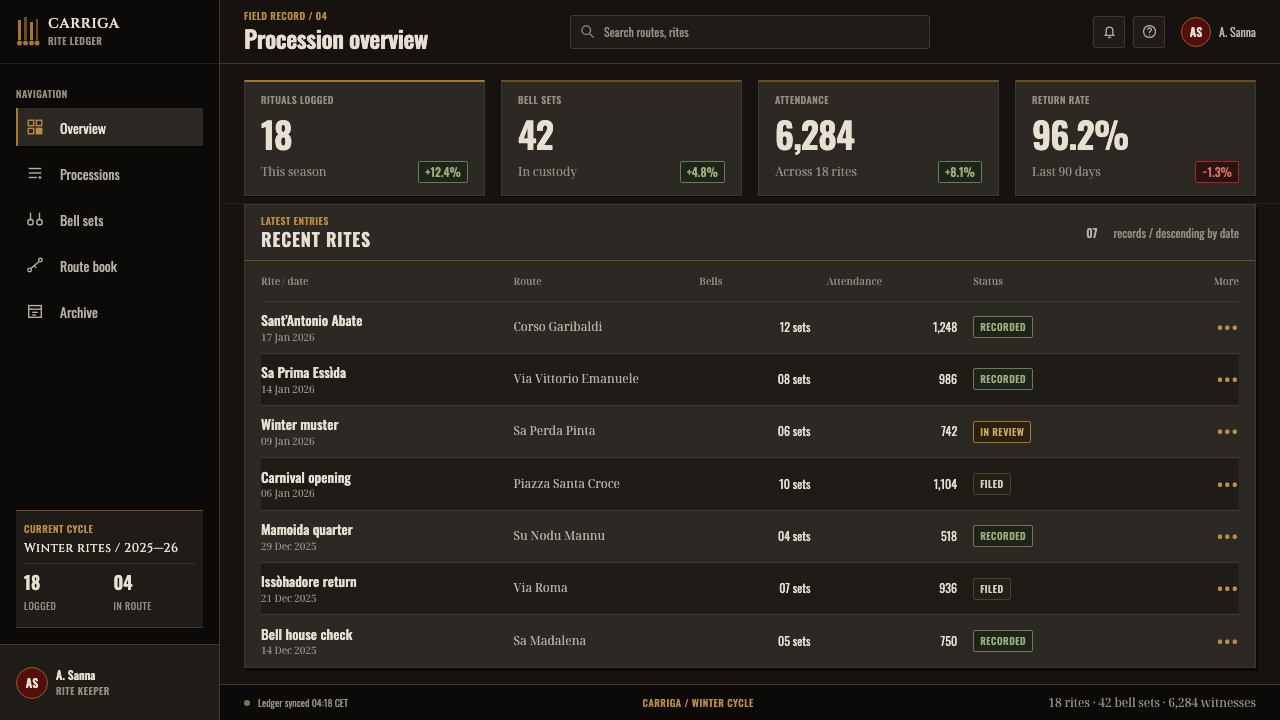
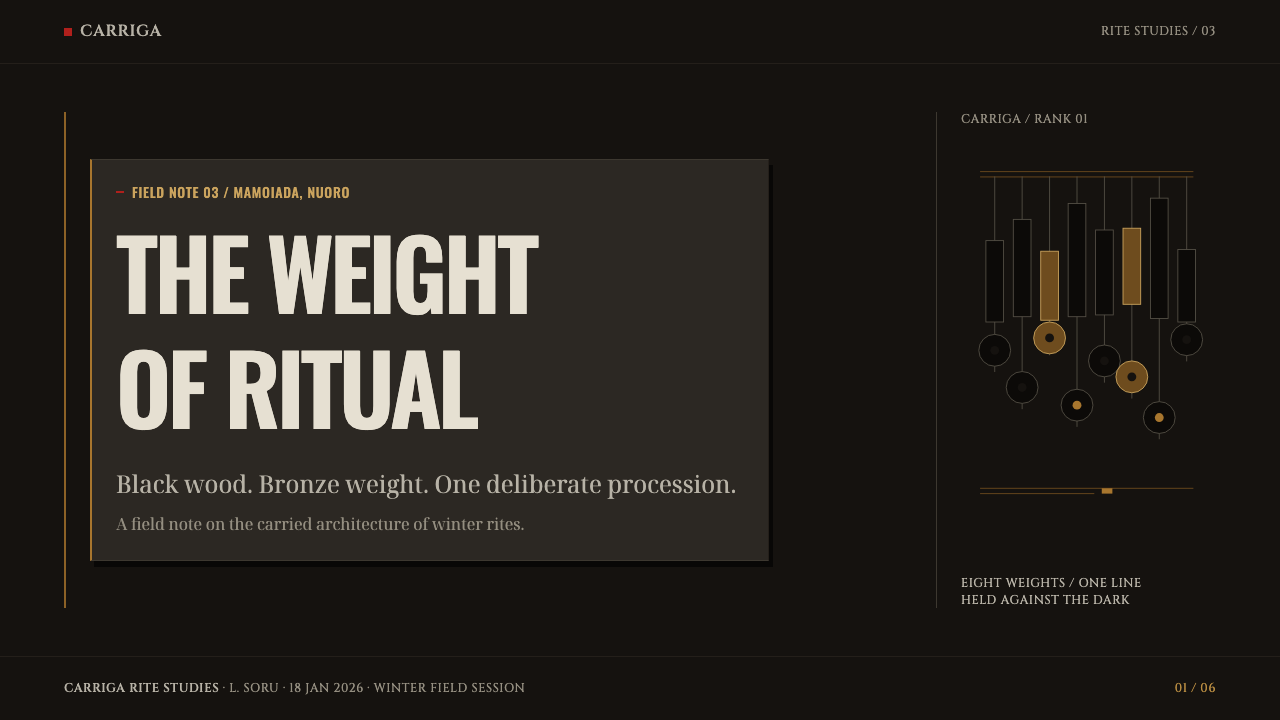
For presentation slides, a cover page should commit to an almost entirely black field, with a single rank of bronze marks — dots, rules, or small geometric bell-like accents — hung from a top line and evenly spaced. Content slides should carry that same top-hung rank as a structural header device, with body text and data held in muted, matte tones and bronze reserved for the one number or label that most needs to register as valuable.
For web interfaces, the palette suits products that want to feel serious, ceremonial, or weighted with consequence — premium tiers, ritual or heritage-adjacent brands, or any interface built around a single guided sequence rather than a free grid of choices. Navigation should move in one clear direction rather than branching symmetrically, echoing the single-file logic of the procession, and any use of a bright accent color should be as rationed as the bronze bells themselves.
For editorial and marketing layouts, the style supports a strong, somber masthead: a near-black field, a single evenly spaced rank of bronze marks standing in for a rule or divider, and one moment of stark contrast — white against black — reserved for a single pull quote or callout, echoing the one-time appearance of the Issohadore's inverted palette.
A common mistake is treating this as a generic 'dark mode with gold accents' theme and letting a warm metallic tone spread across buttons, borders, and icons throughout an interface. The system's actual discipline is scarcity: bronze must stay rare enough to still register as precious, and black must stay the field, not a mere background waiting to be filled with metallic decoration.
Sardinian Mamuthones — FAQ
Is this the same as a generic dark, moody design theme?
No. A generic dark theme usually treats black as an empty background and scatters accent color freely across it. This system treats black as a worked material — soot-built, matte, and dense — and rations a single metal tone, bronze, so strictly that its rarity is the entire point. The discipline of scarcity, not the darkness itself, is what makes the system recognizable.
Why does the composition move left to right instead of being centered?
Because the source material is a procession, not a static tableau — the Mamuthones do not stand still to be admired, they walk through the streets of Mamoiada in a fixed line. A centered, symmetrical composition would contradict that basic fact. Treating a layout as a single-file progression, with elements arranged evenly along one direction, preserves the sense of weighted, ongoing movement that defines the rite.
How much bronze or metallic accent is too much?
As soon as a metallic tone appears on more than one or two focal elements per composition, it has stopped functioning as a rationed accent and started functioning as a decorative theme color — which breaks the system's central logic. The rule of thumb drawn from the source material: bronze should be rare enough that a viewer notices its presence each time, the way a listener notices each individual bell in the carriga's rank rather than hearing an undifferentiated jingle.
Can this style work on a light background instead of black?
It resists this more than most styles in the library, because the black is not a stylistic choice made independently of the subject — it is the literal, physical result of soot blackening carved wood, and the entire bronze-rationing logic depends on a dark field for the metal to stand out against. A light-background adaptation would need to find an equivalent dense, matte dark value somewhere in the composition, or the rarity logic that gives bronze its meaning collapses.
What kind of products or contexts does this style not suit?
It struggles in bright, fast-paced, or explicitly cheerful contexts — casual social apps, children's products, or anything meant to feel effortless and light. The style's authority depends on weight, scarcity, and deliberate, unhurried procession; forcing it into a quick, high-frequency, lighthearted interface contradicts the slow, bell-laden gait that gives the source material its entire character.
Related design styles
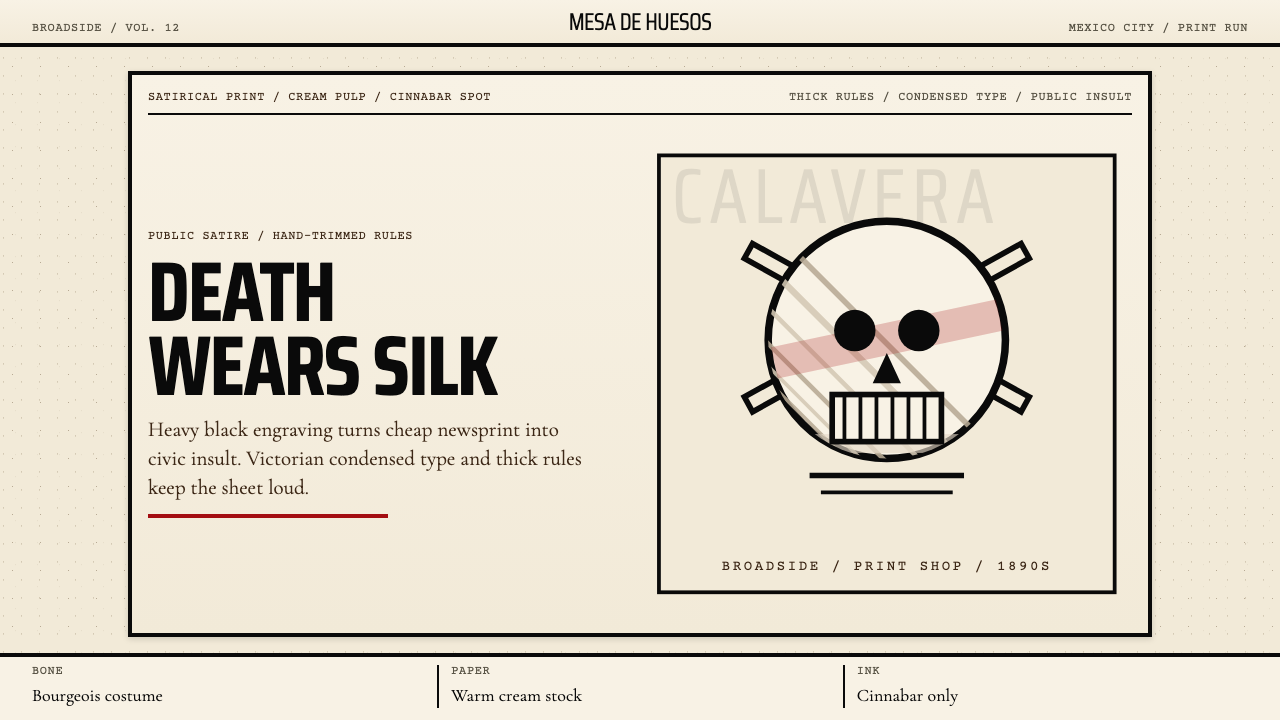 José Guadalupe Posada CalaveraDeath turns civic. Heavy black engravings on cream pulp, with cinnabar red.
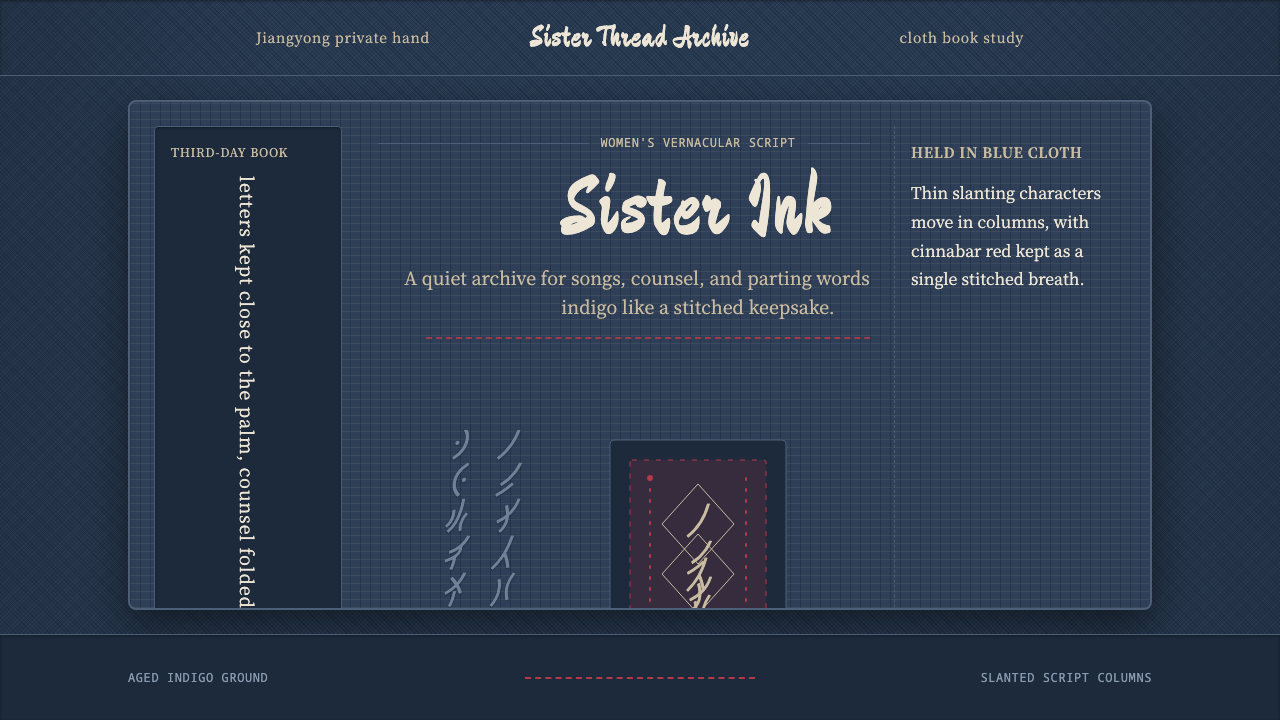 Nüshu 女书Private script, cloth-soft. Indigo weave, slanted columns, and one red thread…
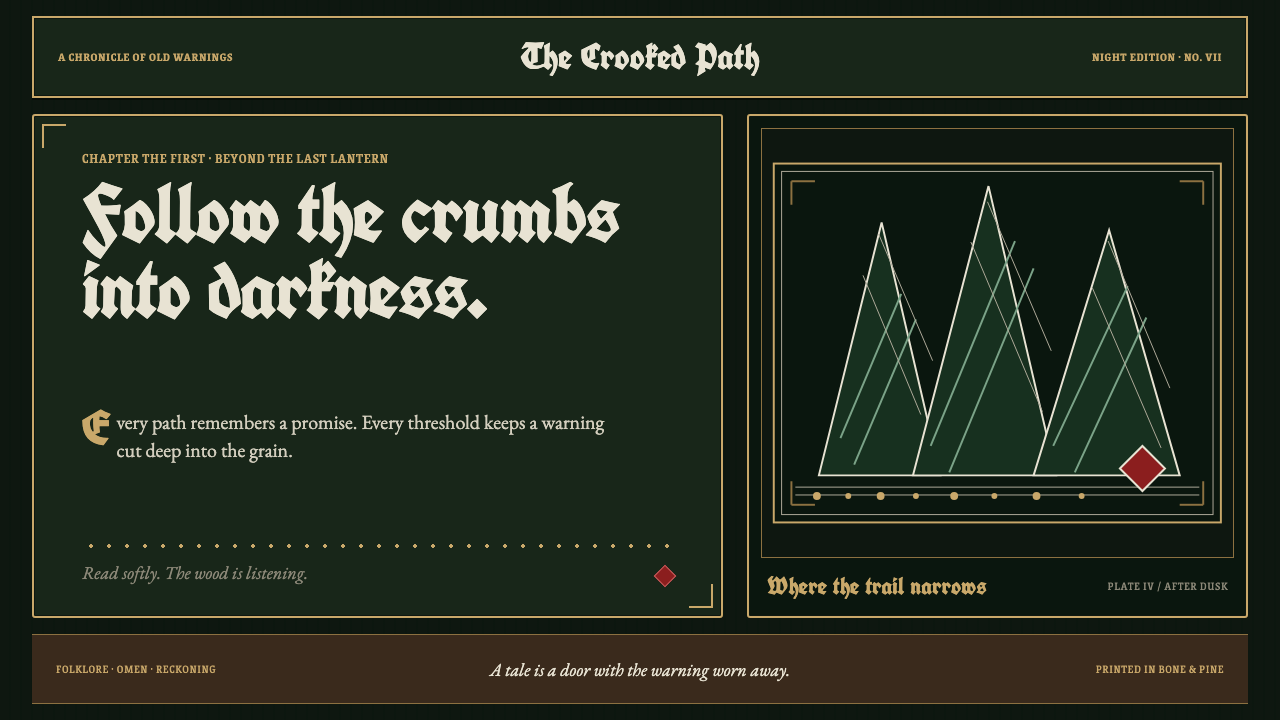 Grimm Fairy Tales (Black Forest Woodcut)The dark wood closes in. Bone-white cuts and aged-gold frames score a pine-bl…
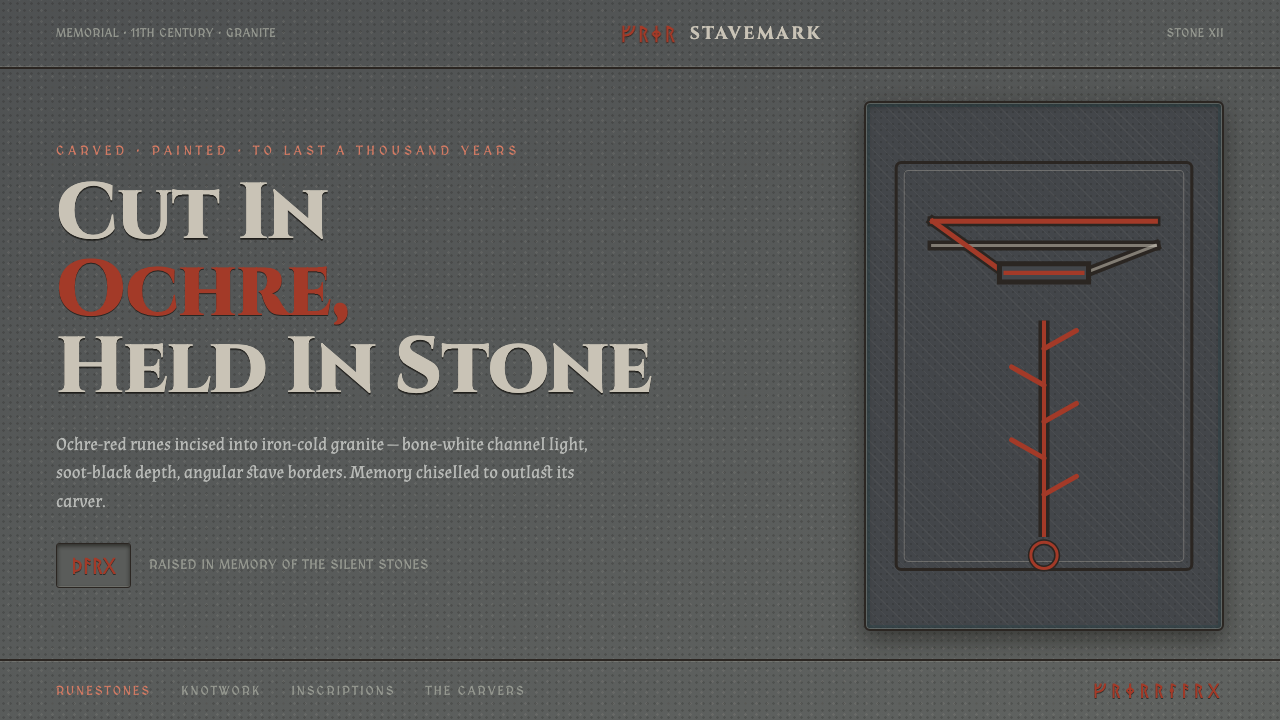 Norse Runic StaveCarved memory, painted to last. Ochre-red futhark runes incised into iron-col…
 The Little Mermaid (Andersen, 1837)Cold longing, cut clean. Foam-white silhouettes drift on harbour teal with on…
 Welsh Tapestry Blanket CarthenWarmth has two faces. Cochineal and cobalt invert across ink-black woven band…