What is Inca Tocapu Tunic?
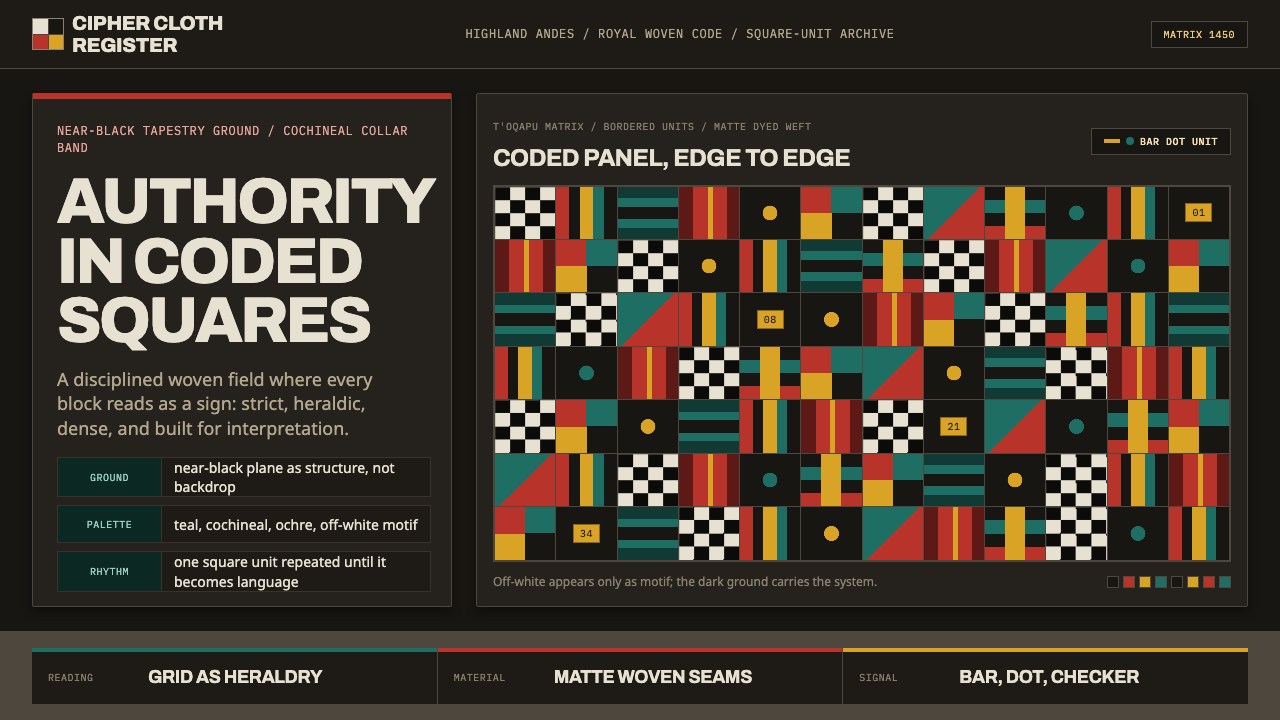
The Inca Tocapu Tunic turns a dark woven grid into authority: teal, cochineal, and ochre squares behave less like decoration than a visual code.
Inca Tocapu Tunic in brief
The All-T'oqapu Tunic is a royal Inca unku whose entire surface is organized as a tight matrix of t'oqapu: small abstract squares packed edge to edge like coded units. The garment does not treat pattern as an accent placed on top of a body. Pattern is the body. Its authority comes from the disciplined repetition of a system that appears complete across the woven surface.
The design is read from its dark tapestry ground rather than from a pale background. Near-black is structural, establishing the plane on which every coded square becomes legible. Against it, cochineal red, indigo-dyed teal, ochre, yellow, black, and white form a restrained but forceful vocabulary. Checkerboard blocks alternate with bar-and-dot units, producing rhythm without decorative looseness.
This is a textile language built for the ruling elite of Tawantinsuyu. Cumbicamayoc master weavers worked camelid-fiber weft over cotton warp to construct panels whose visual order communicates status through precision. The result is systematic rather than ornamental: a garment that presents identity, hierarchy, and control through the repeated logic of the square.

Where does Inca Tocapu Tunic come from?
The All-T'oqapu Tunic belongs to the Inca imperial period and is dated c.1450–1540. Its setting is the Andes, specifically Tawantinsuyu in the highlands of Peru, within the wider cultural geography of Latin America. The garment is therefore inseparable from an imperial textile environment in which weaving, material selection, and surface organization served the ruling order.
Its name identifies the central formal principle. All-T'oqapu means that the surface is governed by t'oqapu units rather than by a loose field of ornament. Each small square participates in a larger matrix, and the matrix is what gives the garment its visual force. The design system belongs to Inca tocapu and unku weaving, as well as to a coded-square heraldic textile tradition.
Production depended on specialized knowledge. Inca cumbicamayoc were master weavers responsible for building the panels, while the Qompi weaving guilds of Cusco form part of the named production tradition associated with this textile language. Camelid fiber supplied the weft and cotton supplied the warp, creating a material structure capable of carrying the dense alternation of coded units.
The garment was made for the ruling elite of Tawantinsuyu, so its visual discipline is also a social signal. Black-and-white checkerboard blocks alternate with red-and-yellow bar-and-dot units across the dark ground. The effect is neither accidental nor casually decorative. It presents weaving as an instrument of order, in which the authority of the wearer is reinforced by a surface that appears controlled down to every repeated square.
What defines the Inca Tocapu Tunic look?
Dark Ground
The near-black tapestry ground is the primary structural field, not an empty backdrop. It gives the tunic visual gravity and allows the colored units to read as deliberate signals. The surface feels dense, enclosed, and authoritative because the dark plane remains present between every coded square.
Coded Squares
The t'oqapu square is the basic visual unit. It is abstract rather than illustrative, and its meaning comes from position, repetition, and relation to neighboring units. Packed edge to edge, the squares form a surface that resembles a cipher: readable as a system even when individual symbols remain visually concise.
Restricted Color
Color is strong but controlled. Cochineal red, indigo-dyed teal, ochre, yellow, black, and white appear as a disciplined vocabulary rather than a broad spectrum. Red and teal anchor the field, while ochre and yellow bring coded emphasis. The dark ground prevents the palette from becoming festive or diffuse.
Alternating Units
The surface gains rhythm through the alternation of black-and-white checkerboard blocks and red-and-yellow bar-and-dot units. This contrast is not a decorative scatter. It creates a measured sequence in which different square structures remain distinct while belonging to the same continuous matrix.
Material Structure
The visual system is inseparable from the way the textile is made. Camelid-fiber weft crosses cotton warp to form the woven panels, so the coded surface is not printed imagery but a material construction. Its authority comes partly from the alignment between what the garment shows and how its fabric is built.
Disciplined Density
The units are packed closely enough that the garment reads as a continuous coded plane rather than a collection of isolated motifs. There is little visual looseness. Repetition creates density, density creates authority, and authority emerges from the sense that every square has a place within the whole.

Who shaped Inca Tocapu Tunic?
The cumbicamayoc are identified as the master weavers who built the panels of this royal unku. Their role represents the specialized knowledge required to maintain a dense coded grid in camelid-fiber weft over cotton warp. In this design system, weaving expertise is not separate from visual authorship; the structure of the textile is the structure of its message.
The Qompi weaving guilds of Cusco are named as a key production tradition within the textile system. Their presence situates the garment in a specialized Cusco context rather than in anonymous craft. The guild reference reinforces the sense that the grid, materials, and coded units belonged to an organized culture of making.
The ruling elite of Tawantinsuyu were the intended wearers of this textile language. They provide the social context in which a tightly ordered woven surface becomes more than pattern. The garment communicates status through material quality, dense repetition, and the visible control of every square unit.
How do you use Inca Tocapu Tunic today?
The Inca Tocapu Tunic is transferable to contemporary design only when its organizing principle is understood: the dark plane establishes authority, the square establishes the unit, and repetition establishes the code. Its value is not a license to scatter geometric motifs across a surface. It is a lesson in how a complete visual system can make material, color, and hierarchy reinforce one another.
For presentation slides, the style is especially effective when the cover treats the dark ground as an active field. A single large coded panel can anchor the title, while teal, cochineal, or ochre supplies a controlled point of emphasis. Content slides should preserve the matrix logic through aligned blocks and disciplined repetition. Data slides can turn charts into coded panels, using contrasting square units to separate categories without introducing decorative illustration.
For web interfaces, the language suits dashboards and pricing pages that need authority, hierarchy, and dense information. A dark structural field can contain compact panels, while teal, red, and ochre distinguish states or tiers. Cards should feel assembled from a system of units rather than floating as unrelated objects. Navigation and labels should remain concise, allowing the grid and the material contrast between dark ground and colored signals to carry the visual identity.
For editorial and marketing work, the tunic suggests a strong relationship between surface and information. An article can place a dense coded panel beside a narrow column of explanatory text, using the contrast between dark ground and colored units to mark sections. Marketing pages can treat product benefits as repeated modules, with one accent color establishing a clear hierarchy. The result should feel woven and organized, not merely patterned.
The common mistake is to imitate the appearance of the squares while ignoring their discipline. Filling a layout with many bright colors, irregular decorative icons, or loosely placed geometric motifs turns a coded textile system into generic pattern. Another mistake is treating the dark ground as empty space. Here, darkness is the structure that gives every colored unit authority; remove that relationship and the style loses its central logic.

Inca Tocapu Tunic — FAQ
What is t'oqapu in the Inca Tocapu Tunic?
T'oqapu are the small abstract squares that form the garment's surface. They function as coded units within a larger matrix rather than as isolated decoration. Their visual meaning comes from repetition, position, contrast, and their relationship to neighboring squares.
Why is the dark ground so important?
The near-black ground is the structural field of the design. It creates visual gravity and allows the colored squares to read as deliberate signals. If the dark plane were treated as a neutral backdrop, the relationship between authority and coded color would be weakened.
What materials were used to make the tunic?
The panels were built with camelid-fiber weft over cotton warp. This means the coded surface is woven into the textile rather than applied as a separate image. Material structure and visual structure therefore operate together.
Is this style simply decorative geometric pattern?
No. The garment's geometric language is tied to status, material expertise, and a coded-square textile system. Its authority comes from disciplined organization: the dark ground, repeated units, restricted colors, and dense matrix all work as one system rather than as separate ornaments.
Related design styles
 Chavín Lanzón Stone ReliefStone emerges from darkness. Granite grays, incised lines, and torchlit symme…
 Obsidian Volcanic GlassMirror-dark gravitas. Cinzel capitals, obsidian facets, and muted gold-green…
 Armenian Vishapakar Dragon StoneAncient, cold, unmoved. Basalt gray slabs, incised grooves, sparse olive lich…
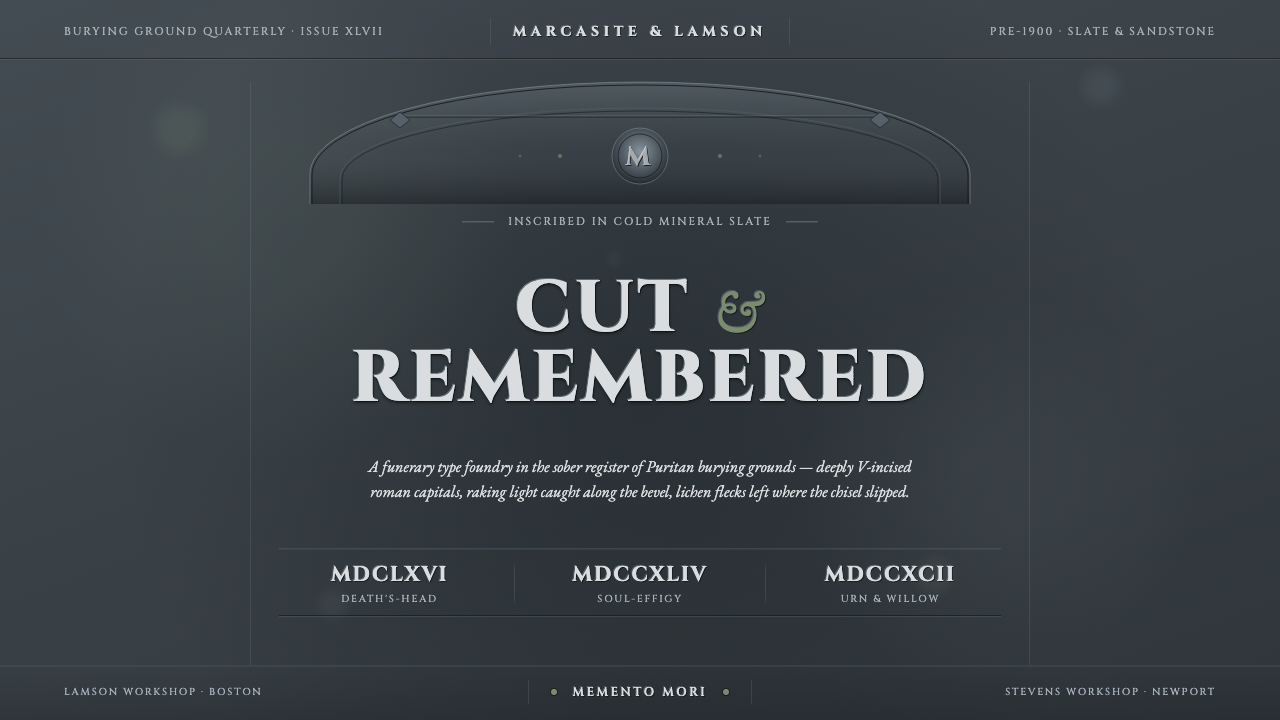 Slate Headstone LettercuttingCold mineral, never paper. V-cut roman capitals catch a thin bevel highlight…
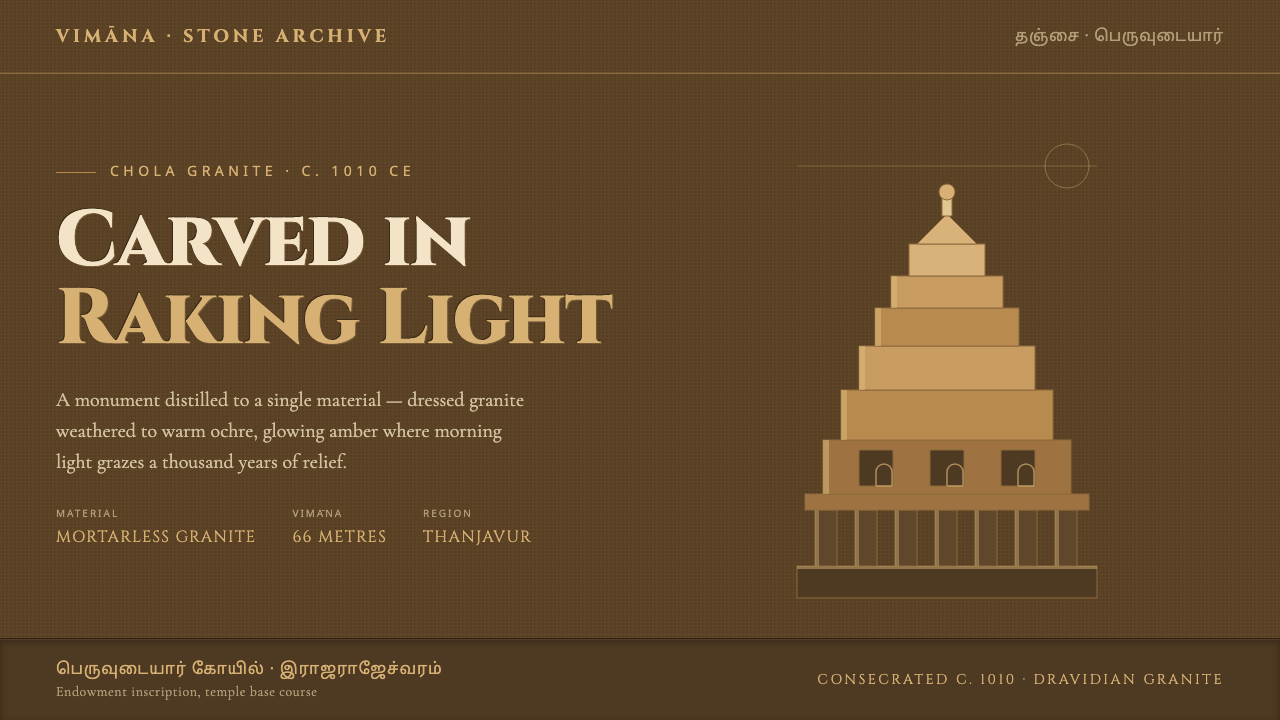 Brihadeeswarar Temple GraniteStone that glows at dawn. Weathered ochre grounds, amber relief edges, inscri…
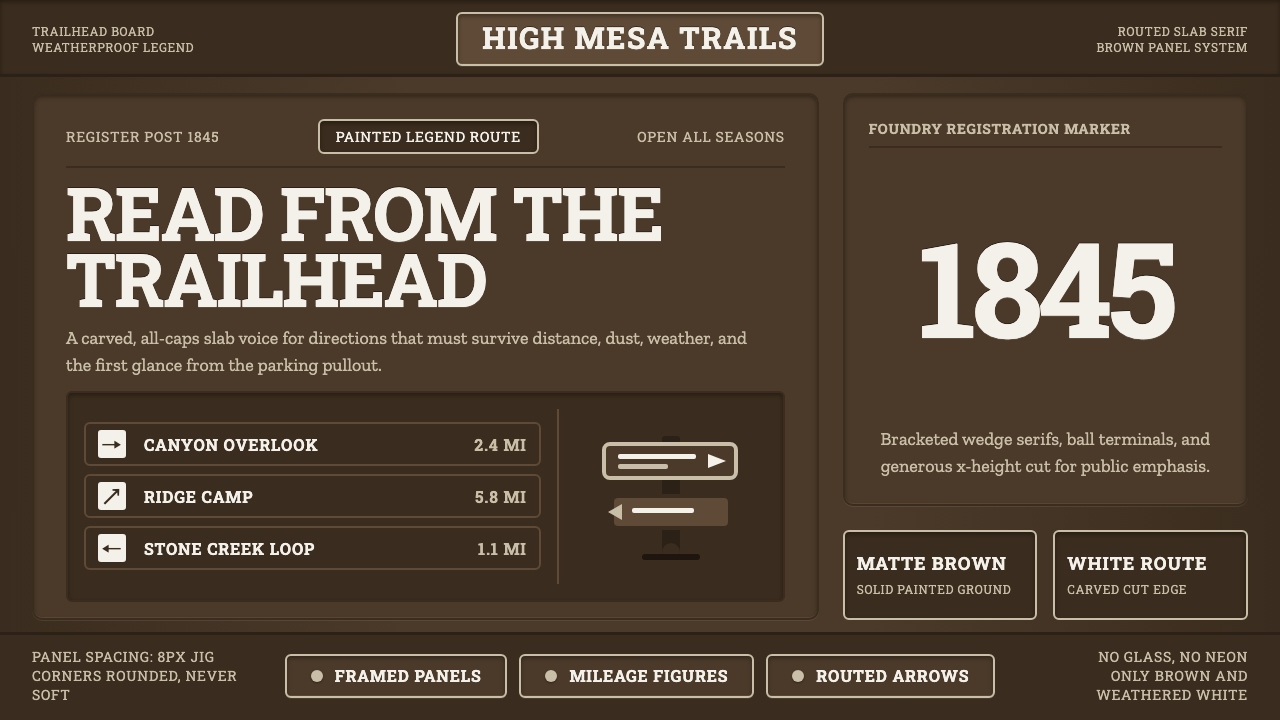 Clarendon Slab SerifBuilt for distance. Routed white slab legends cut into dark park-sign brown.