What is Farm Robot Fleet?
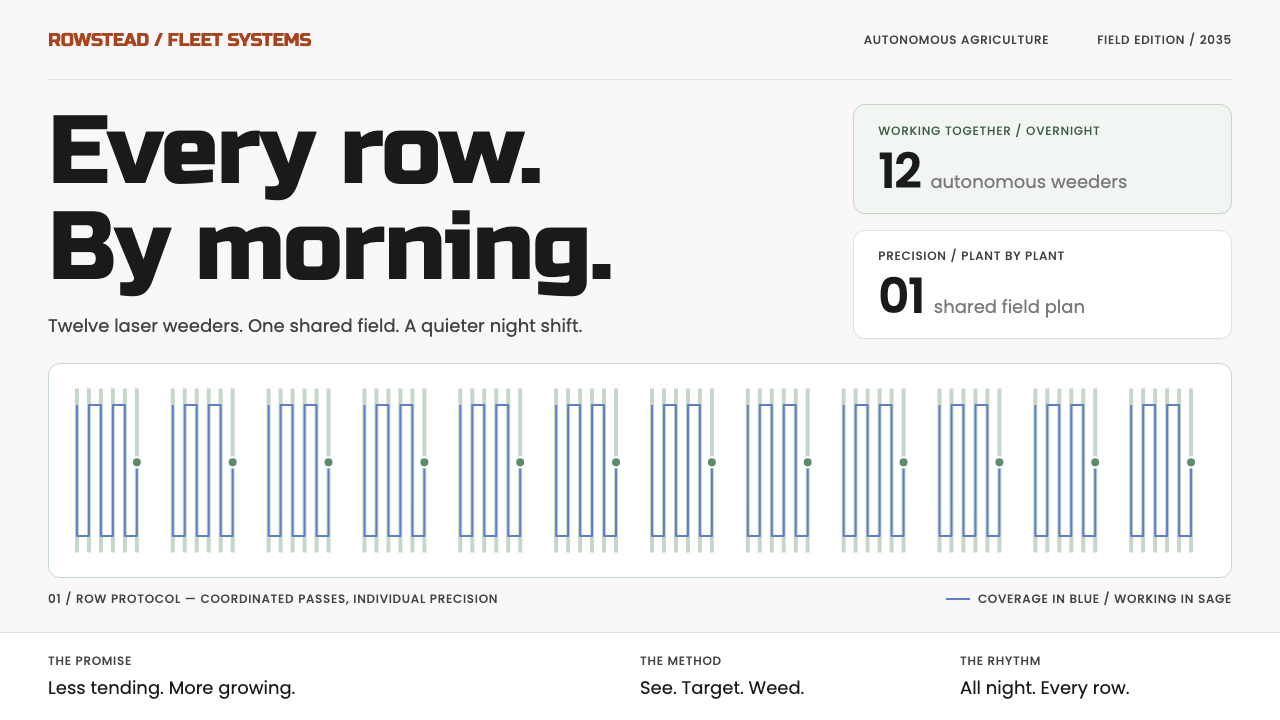
Farm Robot Fleet imagines the screen a grower opens in 2035: a quiet map, blue routes, plain numbers and almost no decoration.
Farm Robot Fleet in brief
Farm Robot Fleet is a speculative operator interface for 2035, the screen a grower might open when a dozen autonomous weeding machines work the same field overnight. It extends what the Carbon Robotics Companion and Operator apps already report today, such as weeds killed, acres covered, speed and location, into a complete fleet console.
The page is a quiet light grey. A satellite map of the real field takes the main panel, and each robot's path is traced in blue along the crop rows, folding back and forth as the machine works. To one side, a column of white cards carries the numbers in plain black Poppins. Sage green marks machines that are working, and rust orange is held back for buttons and alerts.
There are no cartoon tractors and no dark command-centre theatrics. The goal is an operator screen that looks like a tool a farmer would use every day, honest about the data and calm enough to read at a glance in a truck cab or on a tablet in the field. Precision here is expressed through plainness rather than through spectacle.

Where does Farm Robot Fleet come from?
The roots of this interface lie in precision agriculture, the practice of using location data and sensors to treat each part of a field according to its actual condition rather than uniformly. Over recent decades this has moved from guidance systems on tractors to cameras and software that can recognise individual plants, and the interfaces that report on all of this have become a design field of their own.
The most direct precedent is the LaserWeeder, a machine introduced in 2022 by Carbon Robotics of Seattle, Washington. Instead of spraying herbicide, it uses cameras to identify weeds and lasers to remove them as it moves along the crop rows. The company's founder and chief executive, Paul Mikesell, is the key figure associated with that work. A machine like this produces a stream of operational data, and it needs a clear screen to turn that stream into decisions.
That screen arrived as the Carbon Robotics Companion and Operator apps between 2022 and 2024. They report the kinds of figures a grower cares about: how many weeds were killed, how many acres have been covered, how fast the machine is moving, and where it is. They were designed for use by people standing next to a machine in a field, which sets a practical standard for legibility that this style inherits.
The wider context includes autonomous farm machinery and fleet telematics, the discipline of monitoring many vehicles from one place that originated in trucking and logistics. Moline, Illinois, long associated with major agricultural equipment makers, is the other precedent named in this style's background and stands for the tradition of heavy farm machinery. Farm Robot Fleet imagines what happens when these two lineages, a young robotics company and an old equipment industry, meet on one screen in 2035.
What defines the Farm Robot Fleet look?
Quiet Light Grey Ground
The page background is a calm, slightly cool light grey. It is bright enough to read in daylight, which matters for a screen that may be used in a truck cab or in the open, and neutral enough that the map and the numbers do the work. It also signals deliberately that this is not a dark command centre: it is a working tool for the daytime.
Satellite Map as the Main Panel
The main panel shows the real field as seen from above. Because it is an actual image and not an illustration, it gives the operator immediate orientation: this crop, this edge, this road. The map is the largest object on the page, and everything else is arranged around it as supporting information. This reverses the common dashboard habit of placing the map in a small corner.
Blue Route Lines
Each robot's path is drawn as a blue line that follows the crop rows and doubles back at the end of each pass. Blue is chosen because it contrasts well with both green crops and brown soil, and because it reads as information rather than warning. The pattern of the lines itself tells a story: neat parallel strokes mean smooth work, and gaps are visible at once.
White Cards with Plain Numbers
A column of white cards carries the key figures, each set in black Poppins with its label beneath. Poppins is a geometric sans-serif with round, open forms, and at large size its digits are very easy to distinguish. There is no decoration around the numbers: no gauges, no glow, no unnecessary icons. The card is simply a quiet container for a fact.
Sage Green for Working Machines
Machines that are currently working are marked in sage green, a muted grey-green that sits naturally in an agricultural context. It reads as normal and healthy without the sharpness of a traffic-light green. Because it is soft, a field full of working machines produces a calm picture, and a machine that has stopped stands out simply by lacking it.
Rust Orange Reserved for Action
Rust orange is held back for buttons and alerts. It is a warm, earthy colour that stands out clearly from the grey, blue and green, so a user can find the thing that needs attention without searching. Because it never appears as decoration, its presence always means a decision is waiting. This one-colour-one-meaning rule is the system's backbone.
Honest, Everyday Tone
The overall impression is of an agricultural back-office tool that a person could use every day without effort. Corners are modest, spacing is steady and there is no cinematic ornament. That is the intent: a screen for a working person that treats a field of robots as a routine fact rather than as science fiction.

Who shaped Farm Robot Fleet?
The founder and chief executive of Carbon Robotics, the Seattle company behind the LaserWeeder. His work is the closest real-world foundation for this speculative interface, and the Companion and Operator apps that report on his company's machines are what this style extends into a fleet console.
A robotics company based in Seattle, Washington, that introduced the LaserWeeder in 2022. Its machine identifies weeds with cameras and removes them with lasers, producing the operating data, such as weeds killed, acres covered, speed and location, that this interface organises.
A city long associated with large agricultural equipment makers, named in this style's background as a precedent. It stands for the older tradition of heavy farm machinery and its operating culture, against which a young robotics company's screen is imagined.
How do you use Farm Robot Fleet today?
Farm Robot Fleet is a good reference for any operations interface where a person watches many machines or units at once: agriculture, logistics, delivery, field service, energy and facilities. Its central idea is that precision looks like plainness. A real map, plain numbers and a very small set of meaningful colours make a console that can be read at a glance and trusted.
For presentation slides, it suits decks about automation, agriculture technology, sustainability and operations. A cover can be a light grey slide with a map-style image and a thin blue route line crossing it, and a clean title in black. Content slides should use white cards on the grey ground, each with a single large number and a small label. Use sage green to show things that are working and rust orange only for the one item that needs a decision.
For web interfaces, it fits fleet and asset dashboards, field-service tools, delivery tracking and monitoring consoles. Give the map or primary visual the largest area, place a column of white metric cards beside it, draw routes in blue, mark active units in sage green and reserve rust orange for controls and alerts. Keep type in a single geometric sans-serif, large for numbers and small for labels. Avoid dark themes unless the use case demands it, because outdoor and daytime readability is part of the identity.
For editorial and marketing work, it gives a credible tone to stories about farming technology, robotics and food systems. A landing page can lead with a real satellite image and a few honest figures, rather than with drawings of futuristic machines. Because the style refuses to dramatise, it suits audiences who are practical, such as growers and operations managers, and who respond to evidence more than to hype.
The common mistakes are to over-dramatise with a dark theme and glowing graphics, which undermines the everyday honesty of the style, and to spread the orange across decoration so that alerts lose their meaning. A further error is to shrink the map into a small panel. If the main visual is not given the room, the interface becomes another generic dashboard. Keep the map large, the cards plain and the colours meaningful.

Farm Robot Fleet — FAQ
What is the Farm Robot Fleet style based on?
It is a speculative 2035 operator screen grounded in real products: the LaserWeeder introduced by Carbon Robotics in 2022 and the Carbon Robotics Companion and Operator apps from 2022 to 2024, extended into a full fleet console.
Why is the interface so plain?
Because it is meant to be an everyday working tool, legible at a glance in daylight, in a truck cab or on a tablet in a field. Precision is expressed through a real map, plain numbers and meaningful colour rather than through decoration or spectacle.
What do the colours mean?
Blue lines are robot routes, sage green marks machines that are working, and rust orange is reserved for buttons and alerts. Each colour carries a single meaning, which is what allows the screen to be read quickly.
Why is the map the largest element?
A real satellite image gives the operator instant orientation, so the map is the primary object and all other information is arranged around it. This reverses the common habit of tucking the map into a small corner of a dashboard.
What other products could use this look?
Any operations interface where a person monitors many units at once: logistics and delivery tracking, field service, energy and facilities management, and asset or fleet dashboards. The approach also suits presentations and editorial pieces about automation.
Related design styles
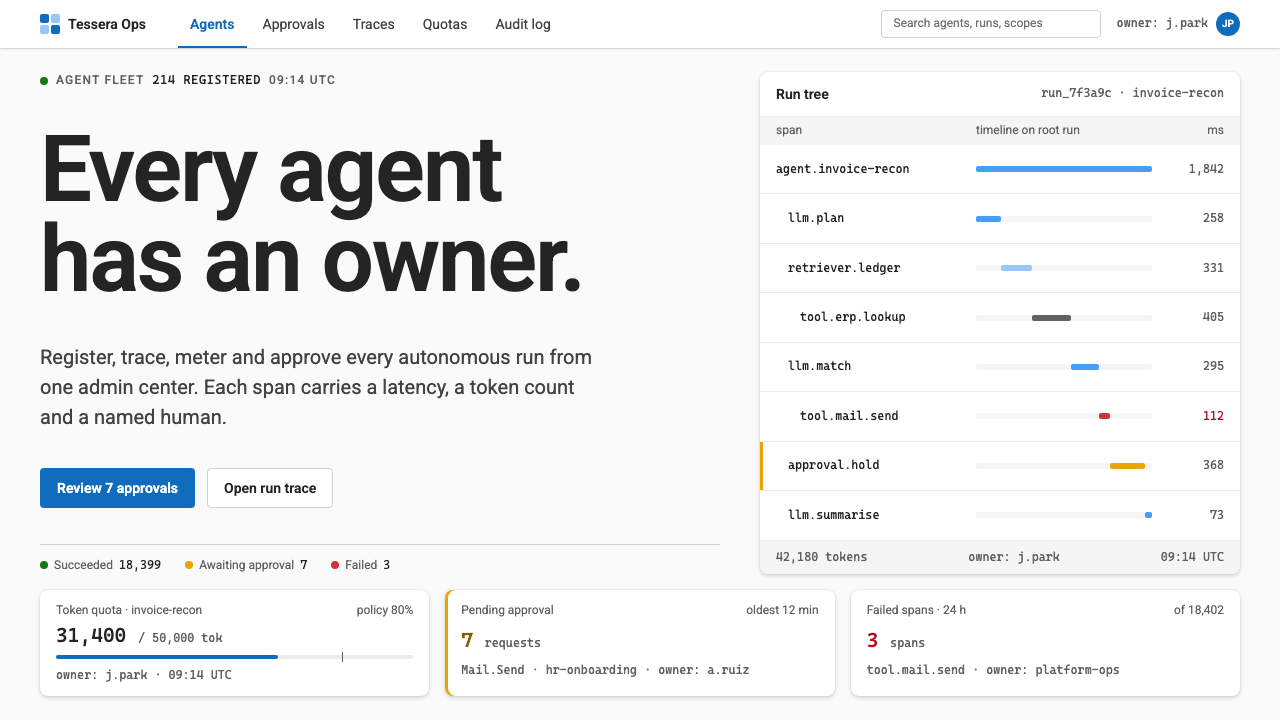 Agent Ops ConsoleGovernance as a queue. Fluent blue on grey, mono run trees, marigold for pend…
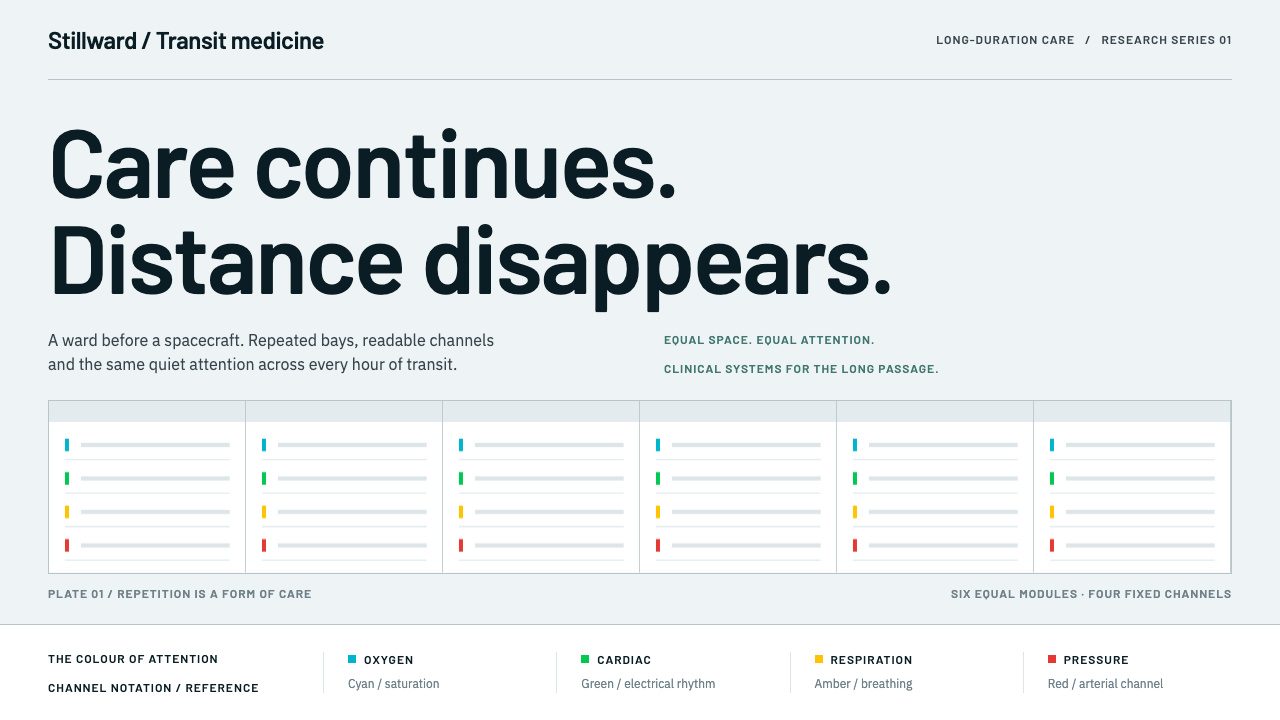 Cryosleep Transit WardCare without spectacle. Clinical white, equal bay grids and the fixed colours…
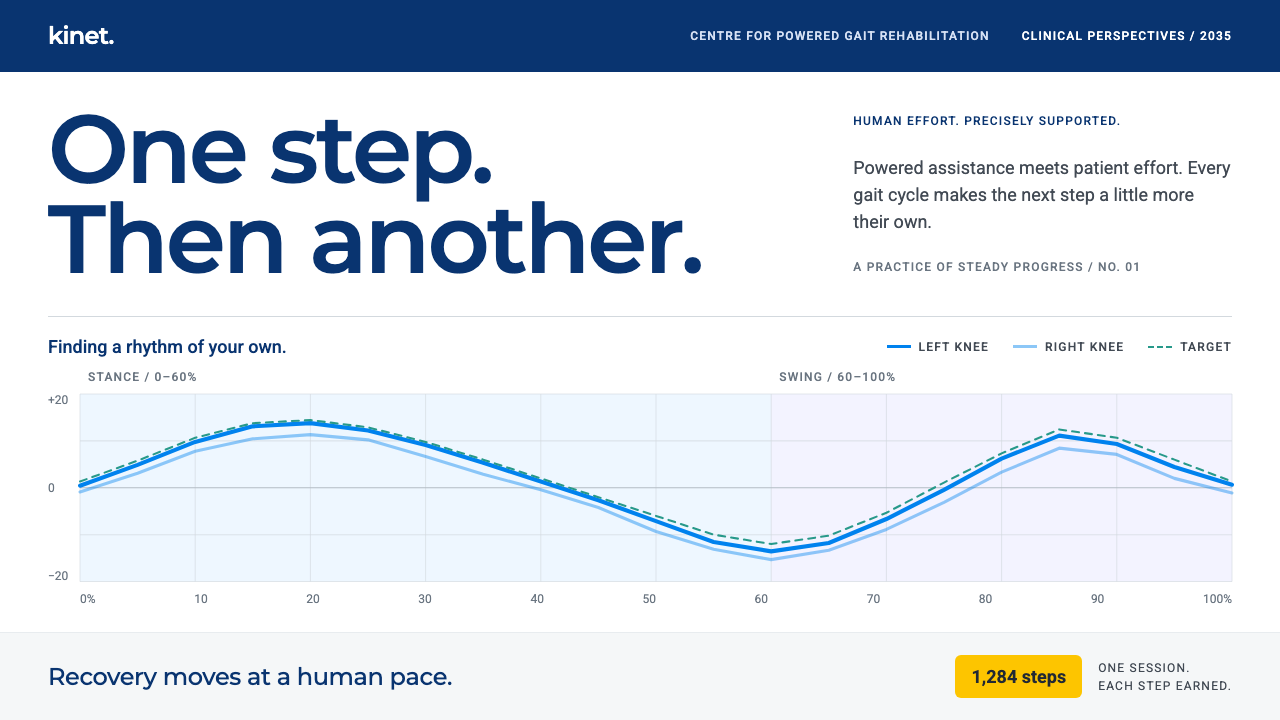 Exoskeleton Gait ClinicProgress at a human pace. Dynamic Blue torque traces and teal targets on clin…
 Robotic Ghost KitchenColor is always a status. Tile-grout grid, steel rails, robot orange, tickets…
 Apple Fitness Rings Closed (2024)Midnight feels exact. Magenta, green, and cyan rings lock onto OLED black.
 Europa Ice Drill StationShelter is a depth, not a room. Blue bore axis, hard tables, and earned radia…