What is Shein Fast Fashion?
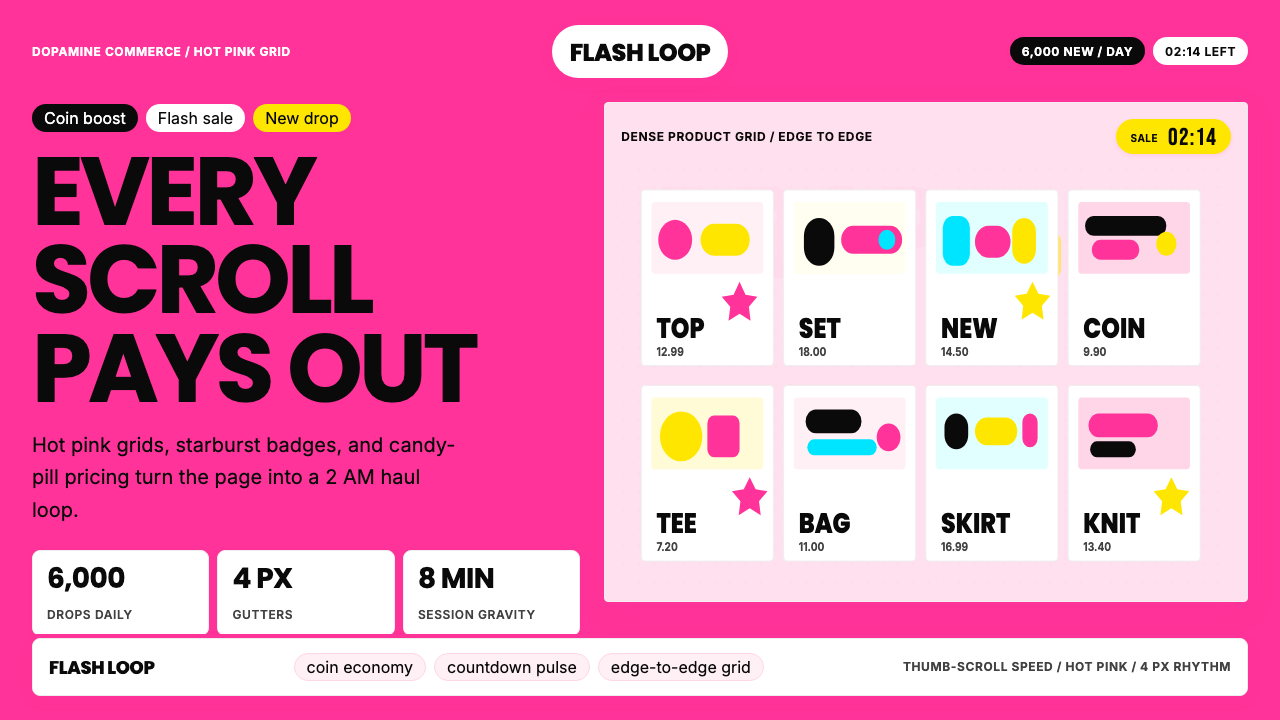
Shein's visual language is a dopamine slot machine engineered in hot pink — every pixel monetized, every scroll rewarded, and restraint treated as a revenue leak.
Shein Fast Fashion in brief
Shein Fast Fashion is the visual identity system of the world's largest ultra-fast-fashion retailer, crystallized most sharply in its mobile app and global website experience between roughly 2021 and 2024. The aesthetic is instantly recognizable: a saturated hot pink that borders on fluorescent, relentless product density, starburst discount badges, countdown timers, and candy-pill interactive elements that feel engineered for impulsive late-night tapping. Unlike fashion brands that use restraint to signal luxury, Shein treats density itself as the brand value.
The system belongs to a category sometimes called dopamine design — an approach that borrows heavily from casino UX, mobile gaming reward loops, and social feed psychology to maximize engagement and purchase velocity. Every visual choice accelerates the transaction: grids are tight and edge-to-edge, contrast is high, sale signals are impossible to ignore, and the color pink operates less as a corporate identity choice than as a Pavlovian trigger wired directly to Gen-Z haul culture.
Understanding Shein's visual system means understanding it on its own terms rather than measuring it against editorial or luxury standards. This is a purpose-built machine aesthetic for a commerce context where conversion rate is the primary design criterion. The identity succeeds — often brilliantly — at what it is designed to do, and that specificity is what makes it worth studying.
Where does Shein Fast Fashion come from?
Shein was founded in Nanjing in 2008 by Chris Xu, originally under the name SheInside. The company began as a wedding dress and women's clothing dropshipper, then pivoted aggressively into general women's fashion around 2012. The early visual identity was unremarkable — a functional e-commerce skin indistinguishable from hundreds of Chinese cross-border commerce sites of the era. The distinctive hot-pink-and-density visual system that the world now associates with Shein is a product of the brand's explosive growth phase, which began in earnest around 2019 and fully crystallized by 2021.
The visual identity's evolution tracks almost perfectly with TikTok haul culture. As short-form video made 'haul' content a mainstream genre, Shein's interface needed to feel at home inside that aesthetic. The hot pink became thumbnail color, packaging color, and brand signal simultaneously. The identity was not designed top-down by a brand studio; it emerged from performance optimization, A/B testing, and alignment with the visual grammar of the social platforms where its target audience lived.
The company's cross-border logistics model — shipping directly from Chinese factories to consumers in 150 countries, releasing up to six thousand new SKUs daily, and pricing aggressively below Western fast-fashion incumbents like Zara or H&M — demanded a visual system that could make radical abundance feel like curated discovery. The solution was the tight grid: an infinite scroll of small product images, each stamped with a discount percentage, that creates the illusion of treasure-hunting through endless inventory. The starburst badge became the typographic shorthand for this economy of scale.
In 2021, Shein's headquarters moved to Singapore as the company prepared for an international public offering, and the brand began investing in visual consistency across markets. The current identity — hot-pink primary, coin-economy gamification, push-notification-style urgency markers — represents the mature form of an aesthetic that grew from conversion data rather than from a brand brief. Its roots lie in product and engineering rather than in marketing or design in the traditional sense.
What defines the Shein Fast Fashion look?
Color: Saturated Hot Pink as Primary Signal
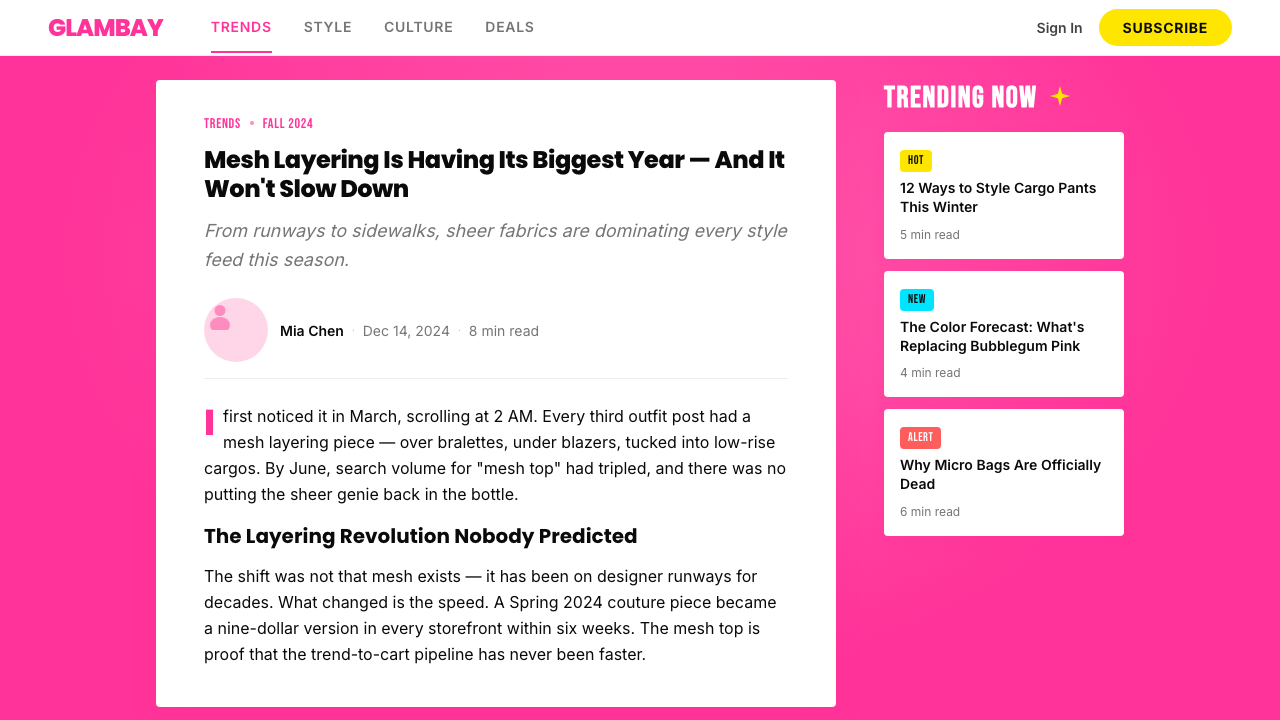
The defining color is a hot pink so saturated it reads almost as fluorescent. It is deployed as primary interactive color, branding anchor, and emotional trigger simultaneously — pink buttons, pink banners, pink badges, pink countdown timers. Most brands reserve a signature color for hero moments; Shein floods the interface with it. The effect is cumulative: the color becomes indissociable from urgency and desire. Secondary colors — orange-red for flash-sale warnings, white for product backgrounds — serve the hot pink rather than competing with it.
Density: Maximum Products Per Scroll
The grid is the system's most telling structural choice. Rather than the generous white space of editorial fashion, the interface packs product thumbnails as tightly as the screen allows. This density is both business logic and aesthetic statement: more products visible means more discovery moments per session. The grid does not breathe — it accumulates. This relentlessness is the opposite of curation; Shein offers abundance rather than selection.
Discount Signage: The Starburst Economy
Discount badges are not incidental — they are the primary typographic element. The starburst shape communicates rupture and urgency: this price has been broken, the deal is exceptional and time-limited. Badges dominate the product thumbnail, often covering a corner of the garment image entirely, with large, bold, high-contrast numbers inside. On any given screen, the eye is drawn first to the badge cluster rather than to the clothing itself. This inversion — deal first, product second — is the system's most radical departure from conventional fashion visual hierarchy.
Gamification Elements: Coins, Countdowns, and Streaks
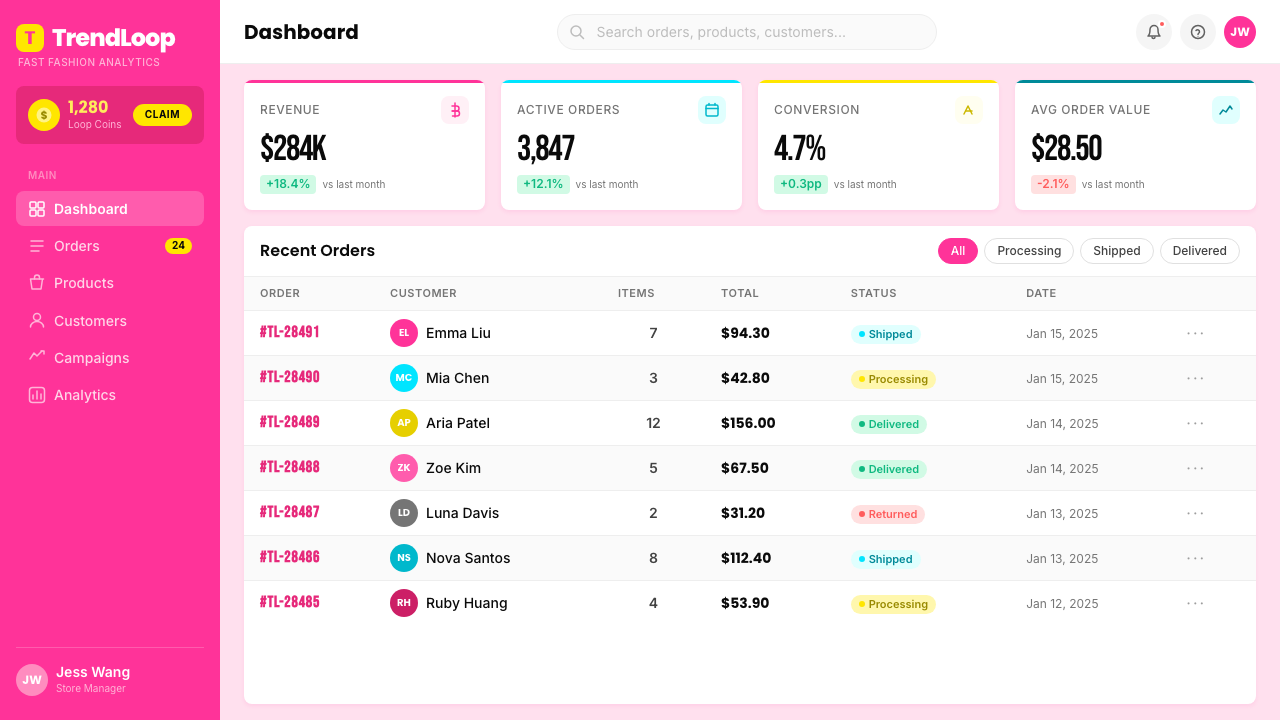
Beyond static discount badges, Shein layers in dynamic elements from mobile gaming: coin systems that reward daily check-ins, countdown timers that convert browsing into time-pressured decisions, and streak mechanics that encourage consecutive-day engagement. These share a visual register borrowed from casual games — bright, rounded, reward-saturated — and exist not to inform the user but to maintain a heightened affective state throughout the session. The boundary between shopping and playing is deliberately blurred.
Button and UI Shape Language: Candy Pill and Rounded Rectangle
Interactive elements favor heavily rounded corners — pill-shaped buttons, rounded tag chips, circular badge containers. These shapes carry associations with softness and approachability, standing in deliberate contrast to the countdown's urgency and the discount badge's aggression. Together, rounded friendliness and urgent signage create a push-pull tension that defines the system's affective strategy. Nothing feels sharp or authoritative; everything feels tappable and warm.
Photography Style: Speed Over Craft
Shein's product photography is produced at industrial scale — tens of thousands of new SKUs each month, each needing at least one hero image. The production constraint produces a consistent aesthetic: clean white backgrounds, flat-lay or model-worn garments shot from standardized angles, even lighting, color reproduction over artistic composition. The photography does not aspire to editorial beauty; it aspires to accurate and reproducible product representation. At gallery density, this standardization becomes a visual system in itself — a field of consistently lit product chips the eye can scan rapidly.
Notification and Urgency Architecture
The visual system extends beyond the interface into push notifications, email banners, and social thumbnails, each carrying the same hot-pink urgency signal and discount-first message hierarchy. The notification design borrows from alerts and warnings rather than invitation: urgency accents on pink grounds, exclamation-forward typography, and countdown mechanics that begin the moment a campaign is seen rather than when a user decides to engage. The Shein aesthetic is not confined to a product page — it is a pervasive environmental signal.
Who shaped Shein Fast Fashion?
Chris Xu founded Shein in Nanjing in 2008 and built it into a global ultra-fast-fashion phenomenon. His background in search engine optimization shaped the brand's data-driven approach to product discovery, translating directly into the visual system's conversion-first logic. Xu is notably private — the company operated for years without publicly confirming his identity — and his influence on the visual identity is systemic rather than personal, living in product and engineering culture rather than in any design brief.
Molly Miao served as Shein's chief marketing officer and became the brand's most visible external face during its international expansion. Her significance to the visual system is that under her tenure the hot-pink brand color was consistently applied across social media, packaging, events, and influencer partnerships — giving the system coherence beyond the app itself and anchoring the aesthetic in cultural identity rather than interface alone.
Donald Tang joined Shein as executive chairman as the company prepared for a potential public listing. Under his stewardship, the brand invested in legitimization efforts — design collaborations, sustainability reporting, and the 'SHEIN X' designer incubator — that represent an attempt to layer conventional fashion brand values onto the existing commerce-first aesthetic. Whether that layering succeeds or contradicts the base identity remains an open question.
The distributed network of haul content creators on TikTok and Instagram functioned as a de facto creative direction team for the Shein visual identity. Creators unboxing dozens of items while displaying pink packages on camera established conventions the brand then codified: the hot-pink bag as set dressing, the stacked discount items as abundance signal, and the informal try-on format as the dominant product display mode. The identity was shaped as much by user-generated content norms as by any internal design decision.
How do you use Shein Fast Fashion today?
The Shein visual system is a high-context tool: applying it outside of its native e-commerce environment requires understanding which of its mechanisms are transferable and which are inseparable from the specific commercial logic that generated them. The system works through accumulation, urgency, and reward — three levers that are relevant in contexts beyond fashion retail, but which need deliberate recalibration when moved to new domains.
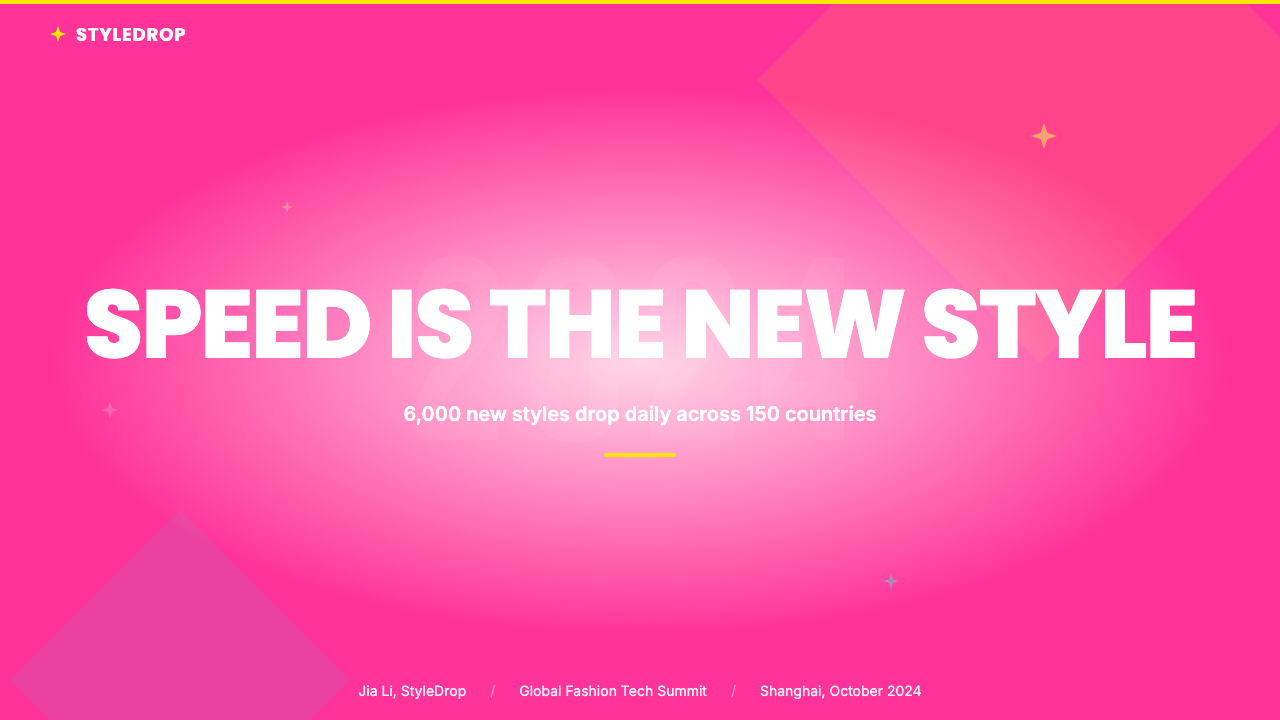
For presentation slides, the most transferable element is the grid logic: tight, density-first layouts that prioritize showing many options simultaneously. A product roadmap slide displaying six to eight feature tiles — each with a bold label, short phrase, and status badge — borrows the system's energy without its sales anxiety. Cover slides can use a hot-pink accent against near-white for high legibility. Data slides benefit from badge-style callouts — a large bold number in a bright rounded container reads instantly in a way a footnote never does.
For web interfaces, the system's density and badge vocabulary translate best into notification systems, alert hierarchies, and promotional modules rather than into full-page layout philosophy. A flash-sale banner can borrow the countdown mechanic and high-contrast color blocking without requiring the rest of the interface to match that intensity. Gamification elements — progress bars, coin or credit systems, streak counters — adapt well to onboarding flows and loyalty programs.
For editorial and marketing work, the aesthetic is most effective when used selectively to signal urgency: a promotional email using hot-pink color blocks, rounded badge containers, and countdown copy reads as sale-coded in a way a plain typographic layout never does. Social media thumbnails benefit from the system's readability principles — high contrast, bold text overlay, a single dominant color, a visual hook within the first fraction of a second.
A common mistake when applying this aesthetic is importing the density without importing the accompanying information architecture that makes density legible. Shein's grid works because every cell is the same size, every badge occupies the same position, and every label follows the same truncation logic. Applying the visual style while ignoring the underlying consistency produces chaos rather than energy. The system is also optimized for small-screen consumption and shows its seams when naively scaled to wide desktop layouts — the tight grid becomes oppressive at large sizes, and the starburst badge loses its thumbnail legibility when rendered large. The correct register is energetic and transactional, not editorial or meditative.
Shein Fast Fashion — FAQ
Is Shein's design intentionally bad, or is it achieving something?
It is achieving something, deliberately. The visual system optimizes for conversion, dwell time, and return visits rather than editorial beauty or brand prestige. By those metrics, it ranks among the most successful design systems in e-commerce history. Calling it 'bad' misreads the goal: this is a brand that has deliberately rejected aspirational restraint in favor of something designed for a different behavioral outcome. Design quality is always relative to the design's actual goals.
What design movements does Shein's aesthetic draw from?
The most direct influences are casino and mobile gaming UX — where reward mechanics and urgency signaling are studied science — and the visual grammar of Chinese mobile e-commerce platforms like Taobao, which Shein's system resembles more than any Western fashion brand. TikTok's visual language — bold overlaid text, high contrast, thumbnail-first design — is another shaping force. Physical retail coupon and flyer traditions also echo in the starburst badge and the red-on-pink color coding for sale versus full price.
Can this style work for a brand that wants to seem trustworthy rather than exciting?
Not in its full form — attempts tend to produce something that reads as untrustworthy. The Shein visual system is built on urgency and scarcity signals — elements that have been studied to reduce deliberation and accelerate decisions. Brands that depend on trust — financial services, healthcare, legal platforms, B2B software — rely on the opposite: signals of permanence, stability, and considered judgment. The rounded pill shapes and gamification elements can be selectively adapted for younger-skewing products where engagement is primary, but the urgency core would need to be entirely removed.
How does the Shein aesthetic differ from other Chinese e-commerce platforms like Taobao?
Both share the dense, badge-heavy visual grammar of Chinese mobile commerce, but they have diverged significantly. Taobao is heterogeneous — individual merchant storefronts vary enormously, and the platform allows considerable design latitude within listings. Shein is centralized and brand-controlled, with consistent pink application, standardized product photography, and a unified badge vocabulary across all listings. Shein also operates with a global audience in mind, producing some visual simplification relative to the domestic Chinese mobile commerce norm.
Is the Shein visual system sustainable as a long-term identity, or is it a moment?
Both. The specific intensity — hot pink, starburst badge, coin iconography — is tied to a particular phase of short-form video culture that will evolve. What is durable is the underlying commerce-first philosophy: that every visual element should serve transaction acceleration, and that density and urgency are legitimate design values rather than failures of restraint. That philosophy predates Shein and will outlast any particular execution of it. The surface aesthetic will update; the structural logic probably will not.
Related design styles
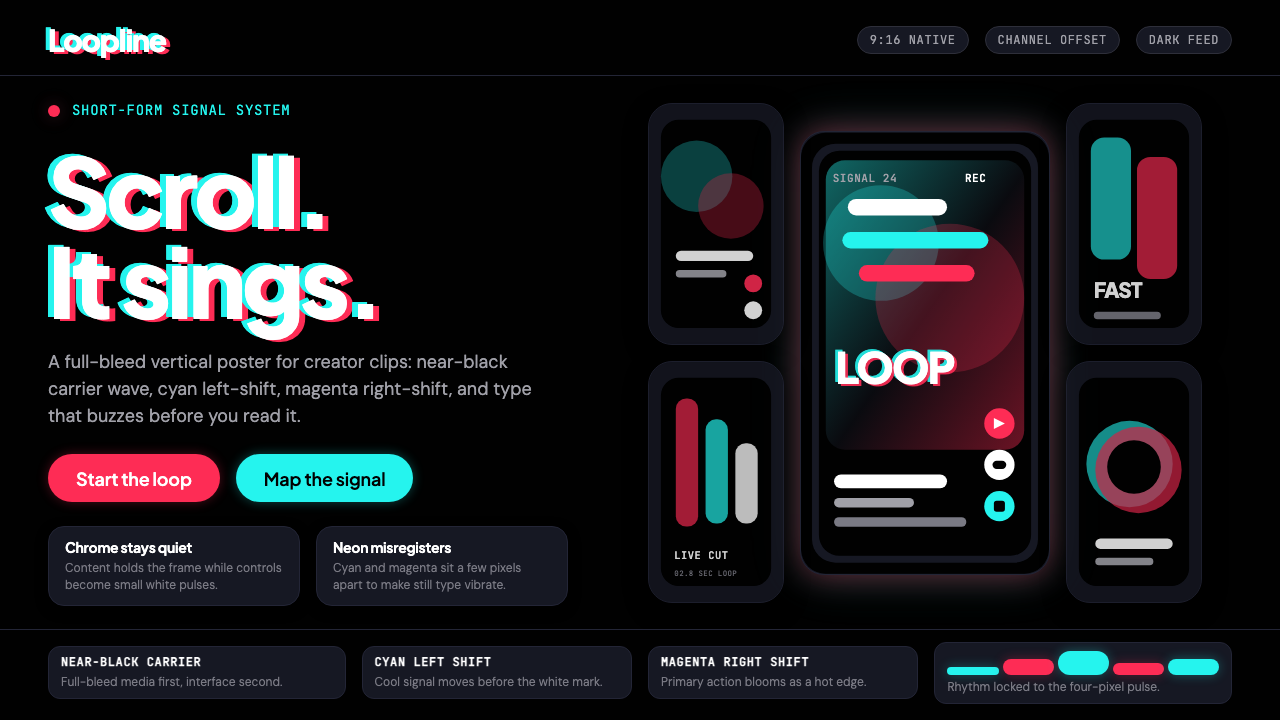 TikTok 2024Attention vibrates. Near-black feed, cyan-magenta offsets, and vertical frame…
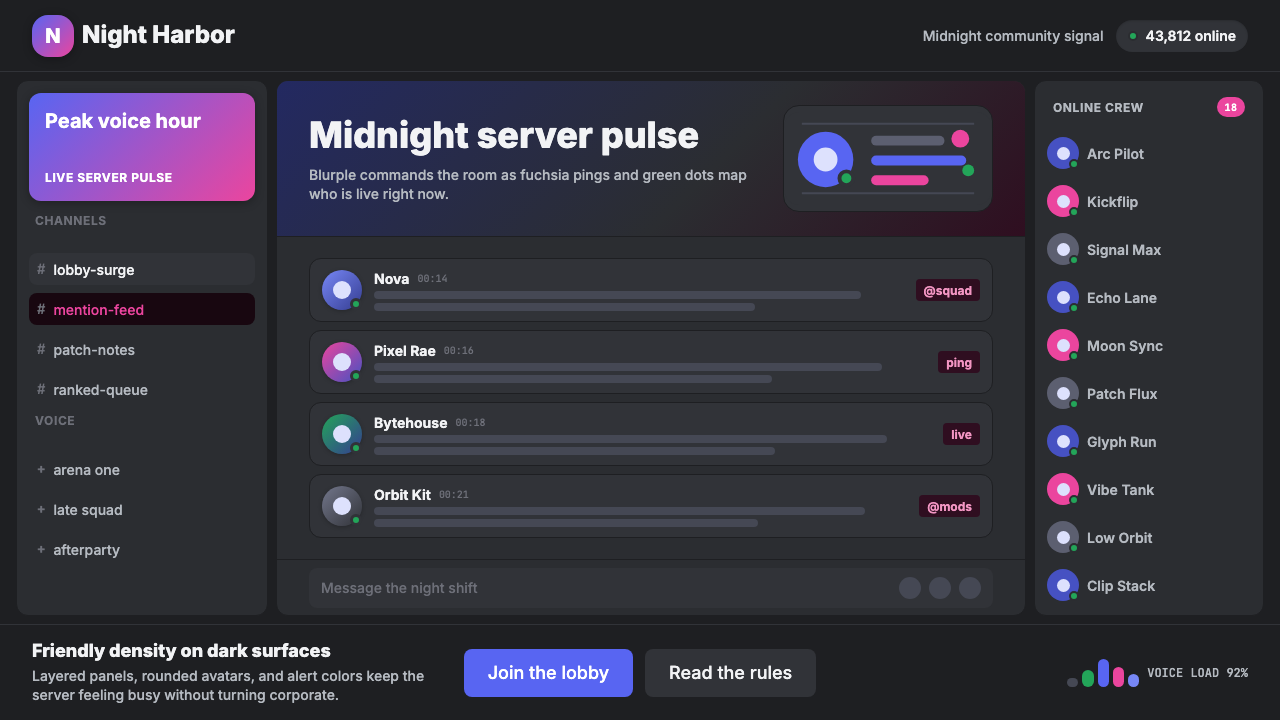 Discord Blurple Server (2020)Midnight server energy. Blurple panels, fuchsia pings, and green status dots…
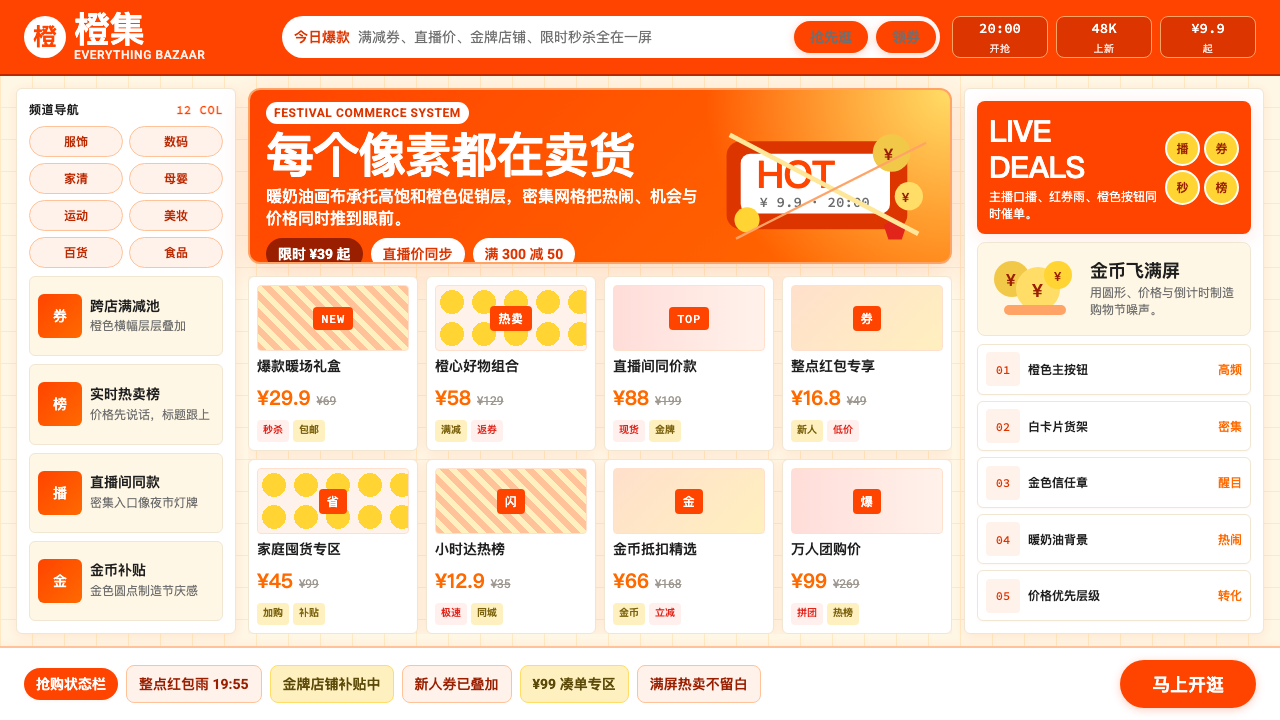 Taobao (淘宝)Every pixel sells. Orange on cream, dense price grids and gold coins shout ab…
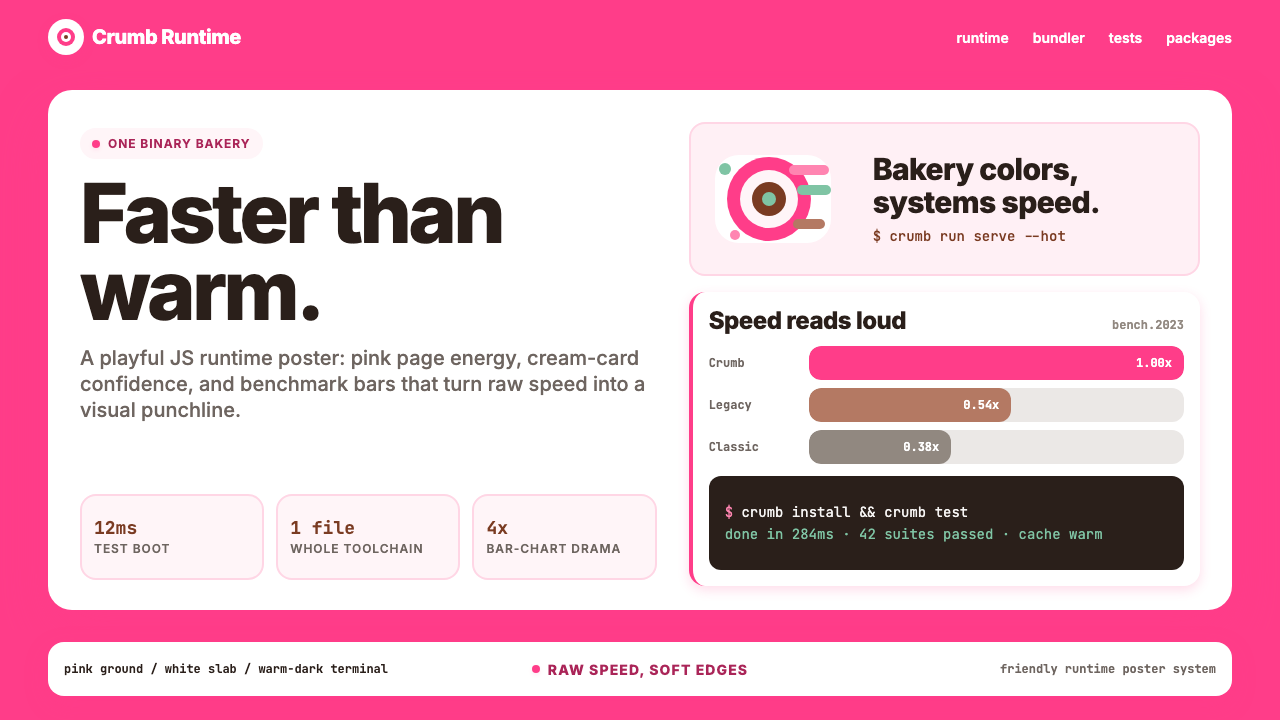 Bun JS Runtime Pink 2023Dev speed gets bakery-bright. Hot pink grounds white slabs, mono bars, and wa…
 Naver Webtoon (2024)Built for late-night scroll. Charcoal grids, Noto Sans KR, and green episode…
 Zomato India DeliveryOwns the midnight scroll. Saturated red, Mukta Hinglish, white cards and gold…