About Uzbek Samarkand Shah-i-Zinda
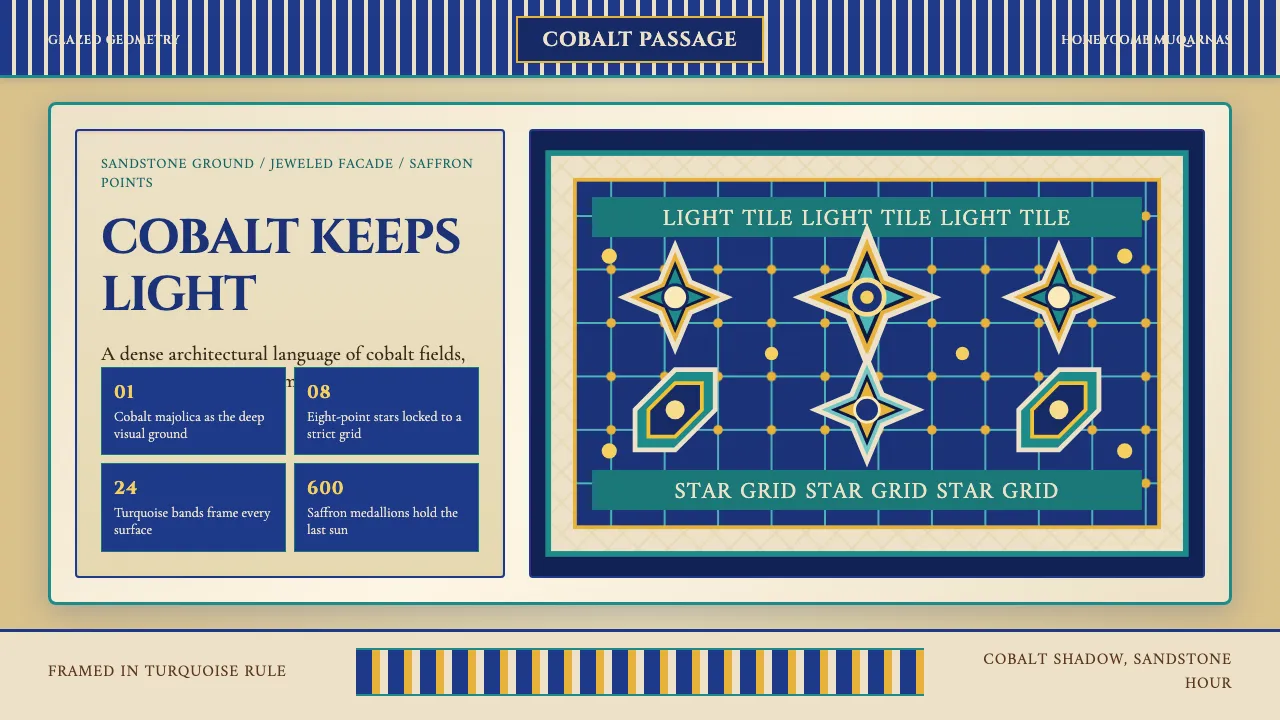
Shah-i-Zinda is a necropolis of eleven turquoise-domed mausoleums climbing the slope of ancient Afrasiyab in Samarkand. Built across eight centuries above the legendary tomb of Kusam ibn Abbas, its Timurid-era facades represent the densest concentration of glazed tilework on earth. This design system channels that cobalt-and-turquoise maximalism into digital form — honeycomb muqarnas geometry, kufic calligraphy bands, and saffron medallion accents set against warm sandstone surfaces that evoke the Central Asian steppe at golden hour.
- Origin
- Samarkand, Uzbekistan
- Era
- 11th c. origins; Timurid peak 1370–1500; UNESCO World Heritage 2001
- Key figures
- Tamerlane (Amir Timur) · Ulugh Beg · Bibi-Khanym · master tilemakers of Tabriz and Kashan
- Movements
- Timurid architecture · Persian-Central Asian glazed-tile tradition · Sufi Naqshbandi pilgrimage architecture
Uzbek Samarkand Shah-i-Zinda design spec
Colors
Typography
The other 11 sections — buttons, cards, spacing, motion, techniques and more — open once you unlock. Download the DESIGN.md or send it to your AI in one click. Unlock once, yours forever.
Sign up nowStyles similar to Uzbek Samarkand Shah-i-Zinda
Also inspired by architecture & places, with a close feel.
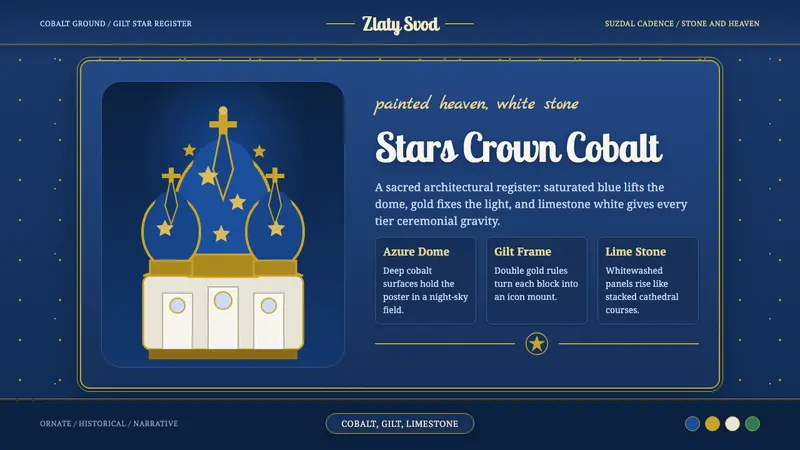 Russian Onion DomesSacred cobalt ascends. Gilt stars and limestone tiers frame an ornate dome poster.
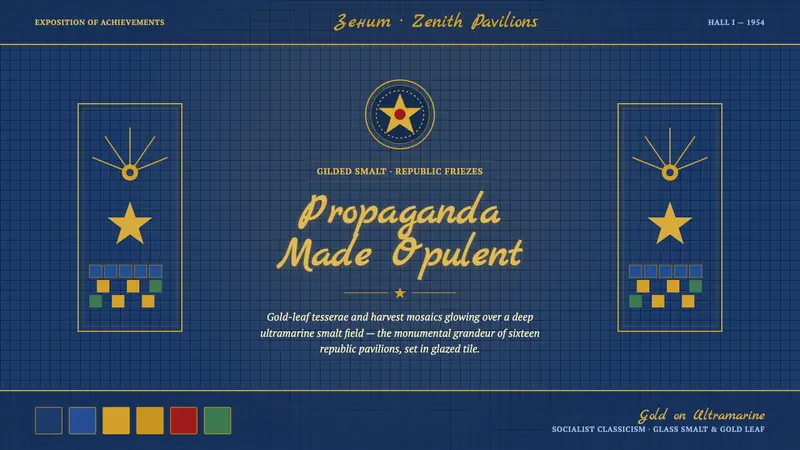 VDNKh Exhibition PavilionsPropaganda made opulent. Gold-leaf tesserae glow over a deep ultramarine smalt field.
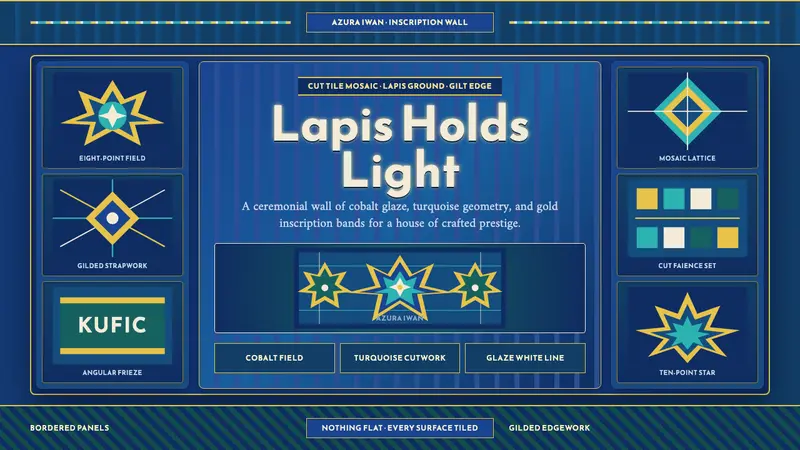 Samarkand TileworkOrnament is the architecture. Lapis panels, gold Kufic bands, and star geometry fill every inch.
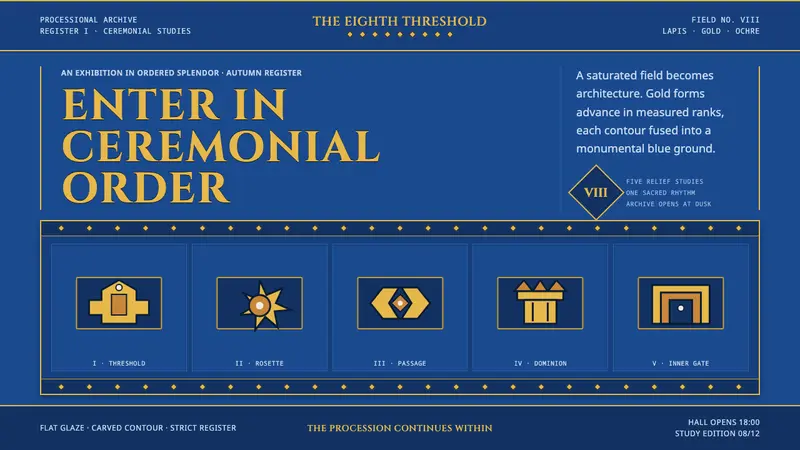 Babylonian Ishtar GateMonumental by procession. Lapis brick, gold registers, and carved capitals hold imperial rhythm.