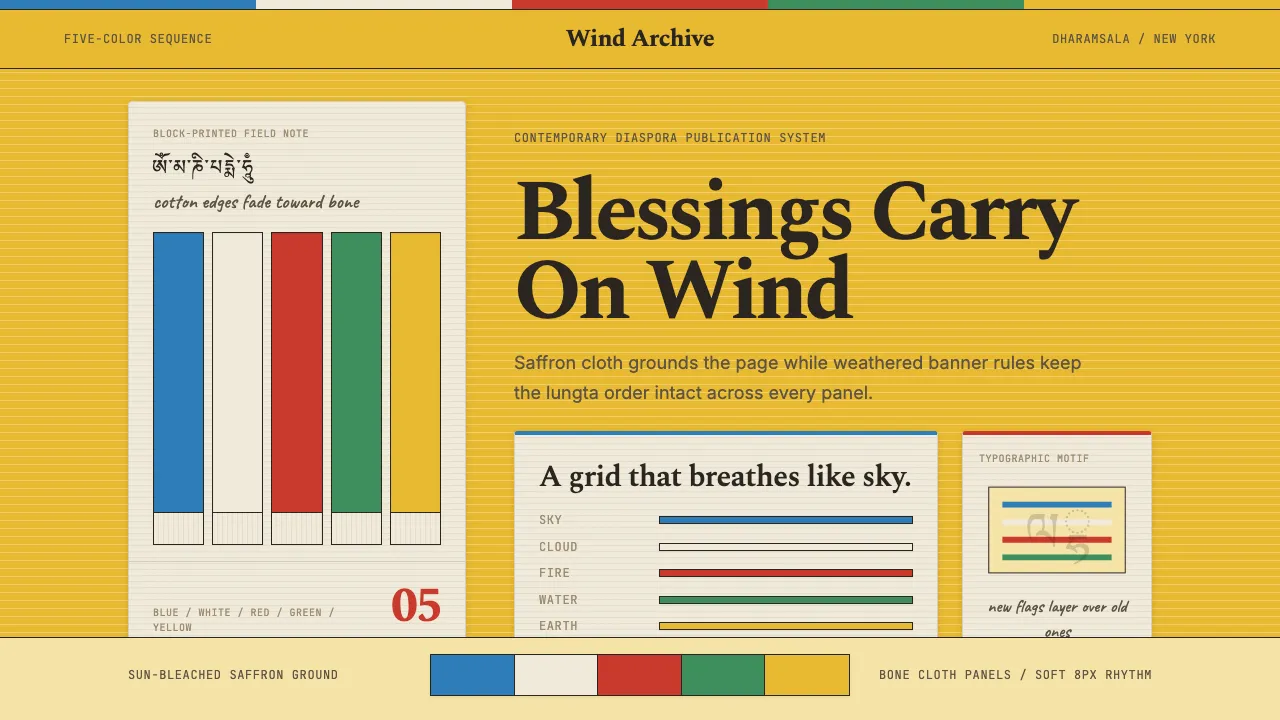
About Tibetan Prayer Flag Modern Rainbow
The Tibetan prayer flag system translates the five-color lungta sequence — blue, white, red, green, yellow — into a modern design language rooted in diaspora studios from Dharamsala to New York. Saffron-yellow grounds the page like a monk's robe spread in October sun, while the remaining four colors appear as weathered banner strips and mantra rules.
Everything carries wind: cotton-weave textures fade toward bone at their edges, type breathes with generous sky-margin, and the fixed color sequence is never randomized. The result feels like standing at Tsuglagkhang where new flags layer over old ones against Himalayan blue.
Learn more about the Tibetan Prayer Flag Modern Rainbow style
- Origin
- Dharamsala, Kathmandu, Lhasa, New York, Boulder
- Era
- 1959 Tibetan exile to present; diaspora visual codification 1990s–2024
- Key figures
- Tenzing Rigdol · Gonkar Gyatso · Robert Beer · Tsherin Sherpa
- Movements
- Tibetan diaspora art · Mechak Center contemporary movement · Buddhist publication design
Tibetan Prayer Flag Modern Rainbow design spec
Colors
Typography
The other 11 sections — buttons, cards, spacing, motion, techniques and more — open once you unlock. Download the DESIGN.md or send it to your AI in one click. Unlock once, yours forever.
Sign up nowStyles similar to Tibetan Prayer Flag Modern Rainbow
Also inspired by crafts & folk art, with a close feel.
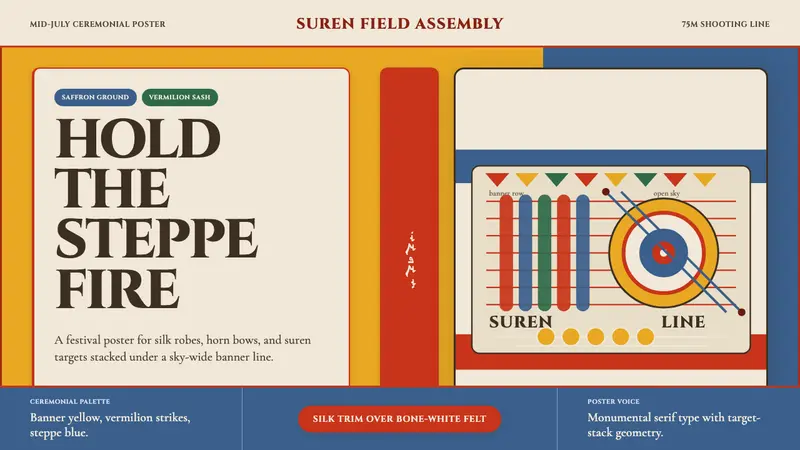 Mongolian Naadam ArcheryFestival heat at full draw. Saffron ground, vermilion trim, suren circles.
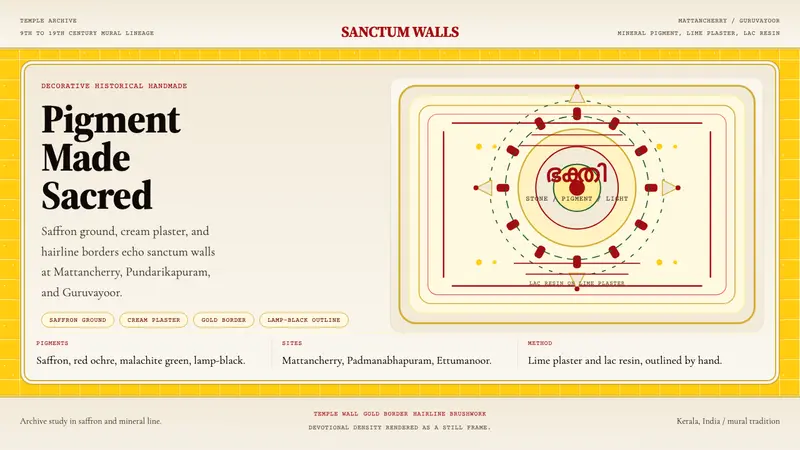 Kerala Mural TempleDevotional density over space. Saffron ground and cream panels, edged in gold.
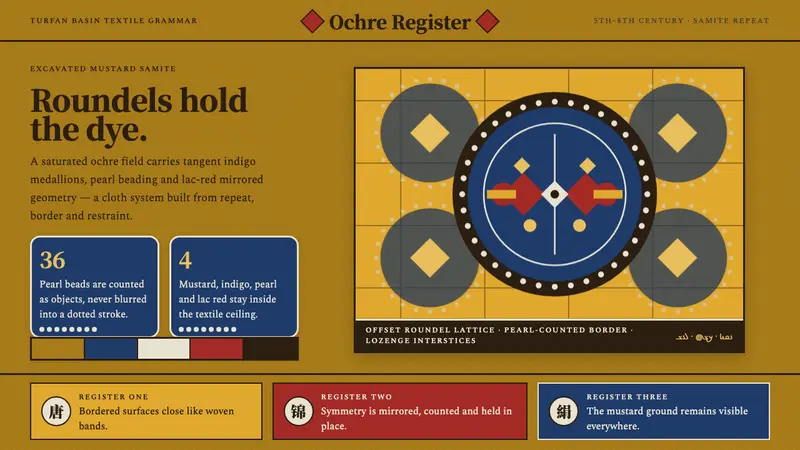 Astana Tomb SilksDye survives as structure. Mustard ground, indigo roundels and pearl beads lock the repeat.
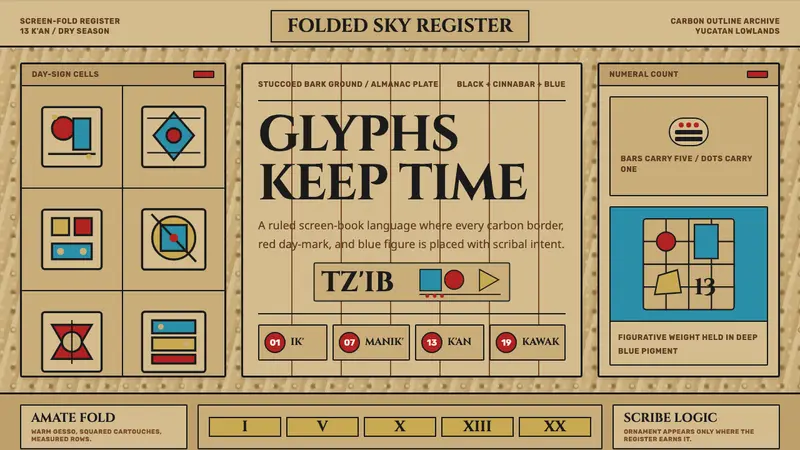 Maya Glyph CodexScribal authority on bark. Cinnabar, Maya Blue, and carbon rules lock into almanac panels.