About Merry Cemetery Săpânța
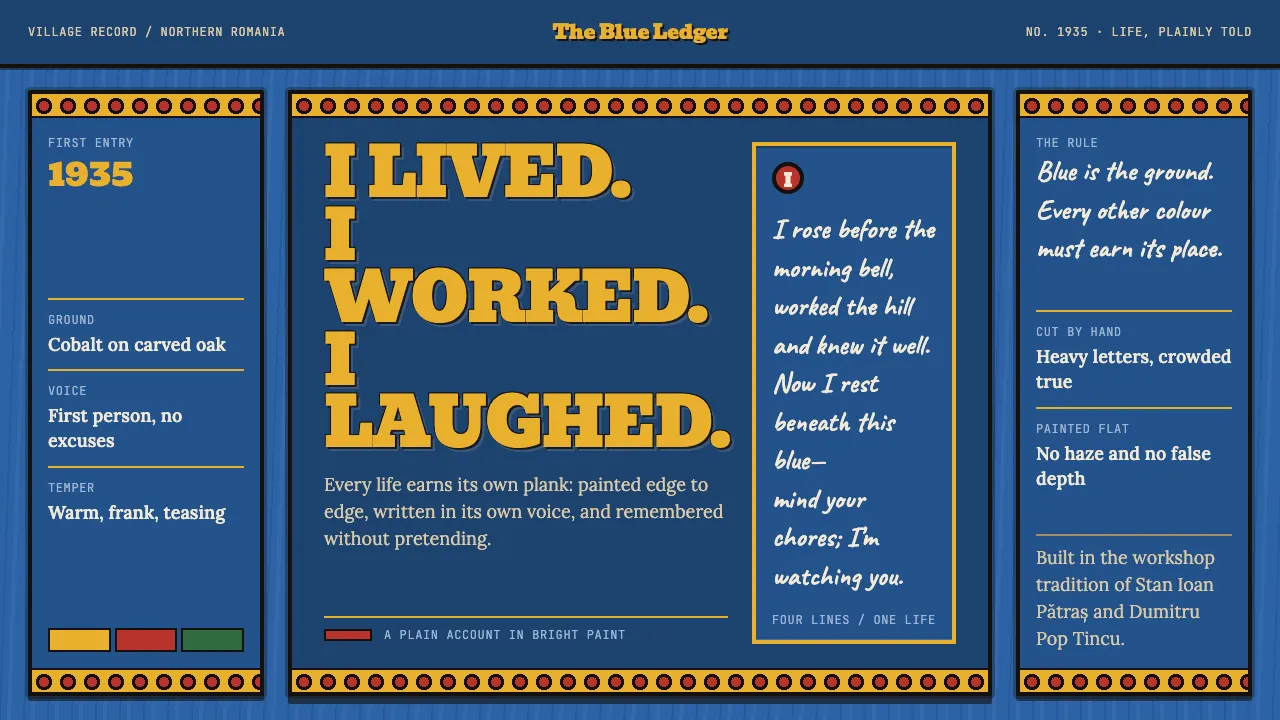
Săpânța's Merry Cemetery is seven or eight hundred oak crosses, each one painted edge to edge in the same cobalt blue, each one carrying a flat painted scene of what the dead person did all day — weaving, herding, driving, soldiering — above a rhyming epitaph written in their own voice, usually at their own expense.
Stan Ioan Pătraș cut the first in 1935 and settled the style a year later: narrow planks, painted relief figures, pigments borrowed from local rugs and glass icons, lettering crowded in wherever the verse ran long. This system keeps that logic — blue is the ground, everything else is a shape riding on it, and the text is never filler.
- Origin
- Săpânța, Maramureș county, northern Romania
- Era
- 1900–1950 (first epitaph 1935; style fixed by 1936; workshop continues after 1977)
- Key figures
- Stan Ioan Pătraș · Dumitru Pop Tincu
- Movements
- Maramureș wood carving · Romanian naive folk painting · vernacular epitaph verse
Merry Cemetery Săpânța design spec
Colors
Typography
The other 11 sections — buttons, cards, spacing, motion, techniques and more — open once you unlock. Download the DESIGN.md or send it to your AI in one click. Unlock once, yours forever.
Sign up nowStyles similar to Merry Cemetery Săpânța
Also inspired by crafts & folk art, with a close feel.
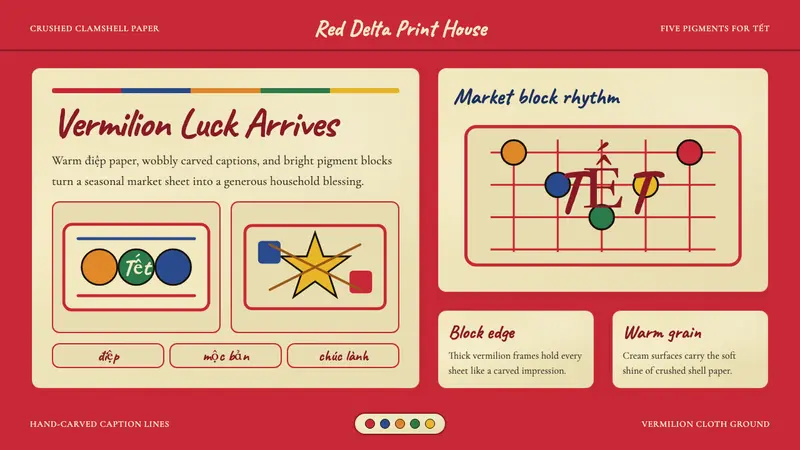 Vietnamese Đông Hồ Folk PrintFestive craft stays handmade. Vermilion frames, Caveat captions, cream paper panels.
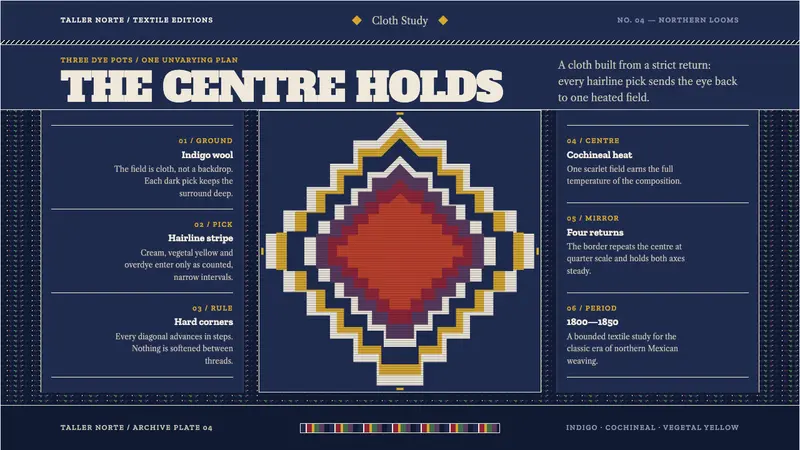 Saltillo SarapeThe centre holds the heat. Indigo hairline stripes frame one cochineal diamond in stepped weave.
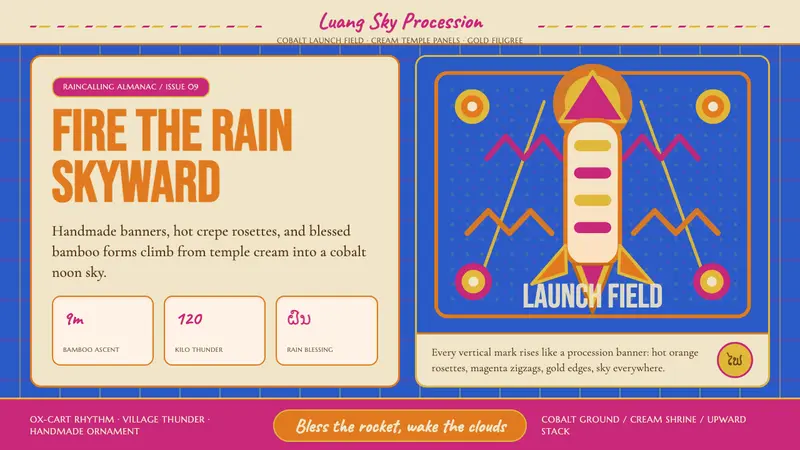 Lao Luang Pho (Bun Bang Fai Rocket)Festival thunder rises. Cobalt sky, Caveat banners, orange rosettes, and gold borders stack upward.
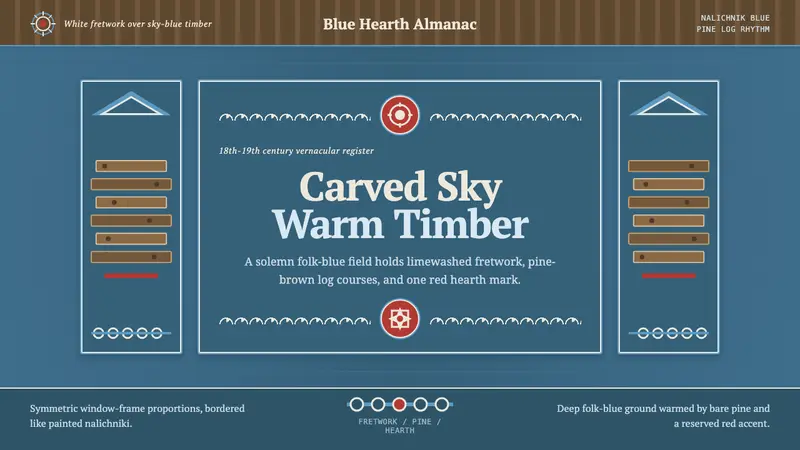 Russian IzbaSky-blue craft, solemn and warm. White fretwork frames deep blue with pine-brown rhythm.