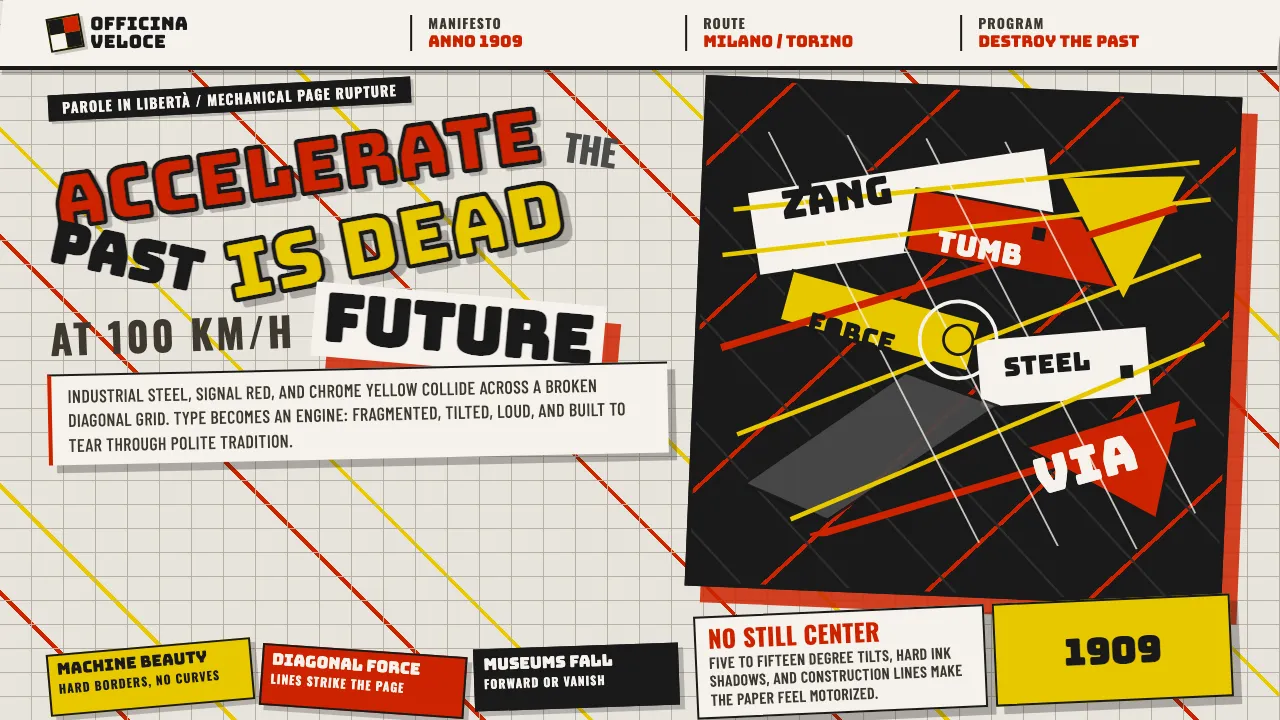
About Italian Futurism (Marinetti 1909)
Italian Futurism was the first twentieth-century movement to worship speed, machines, and the destruction of tradition. Marinetti's 1909 manifesto set typography exploding off the page — fragmented, diagonal, multi-size — while Boccioni sculpted motion itself and Balla painted the raw sensation of 100 km/h.
The visual language is mechanical and loud: industrial steel, signal red, chrome yellow, and smoke-white paper. Nothing sits still. Letters tilt, planes overlap, force lines radiate, and every composition tells you the same thing the Futurists told the twentieth century — the past is dead, accelerate.
Learn more about the Italian Futurism (Marinetti 1909) style
- Origin
- Milan and Turin, Italy; published in Paris
- Era
- 1909 (Marinetti publishes the Manifesto of Futurism in Le Figaro); active 1909–1944
- Key figures
- Filippo Tommaso Marinetti · Umberto Boccioni · Giacomo Balla · Fortunato Depero
- Movements
- Italian Futurism · Futurist typography (parole in libertà) · Futurist architecture
Italian Futurism (Marinetti 1909) design spec
Colors
Typography
The other 11 sections — buttons, cards, spacing, motion, techniques and more — open once you unlock. Download the DESIGN.md or send it to your AI in one click. Unlock once, yours forever.
Sign up nowStyles similar to Italian Futurism (Marinetti 1909)
Also inspired by design movements, with a close feel.
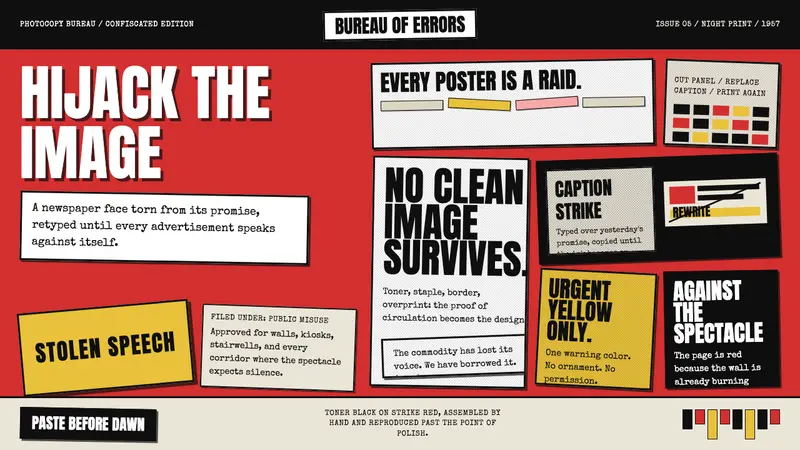 Situationist Détournement (1957)Contraband urgency. Strike red, toner black, and jagged comic panels make theory look stolen.
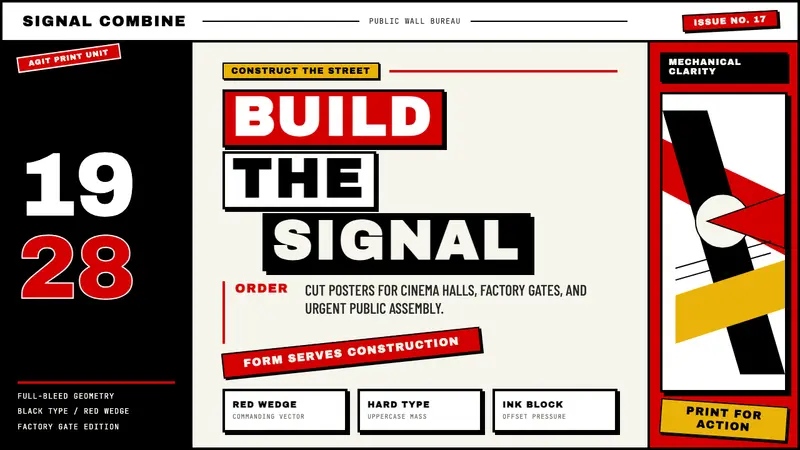 Russian ConstructivismRevolution red, slashed across black and white. Diagonal sans-serif, photomontage collisions.
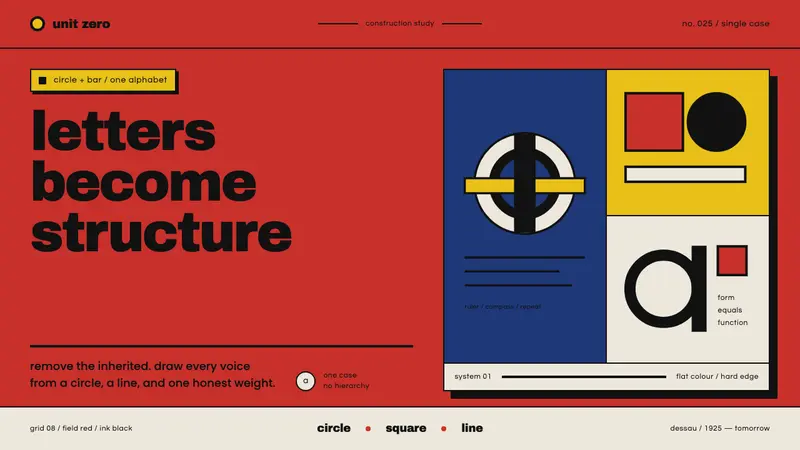 Bayer Universal BauhausLetters become structure. Bauhaus red, primary blocks, and black circle-bar forms enforce order.
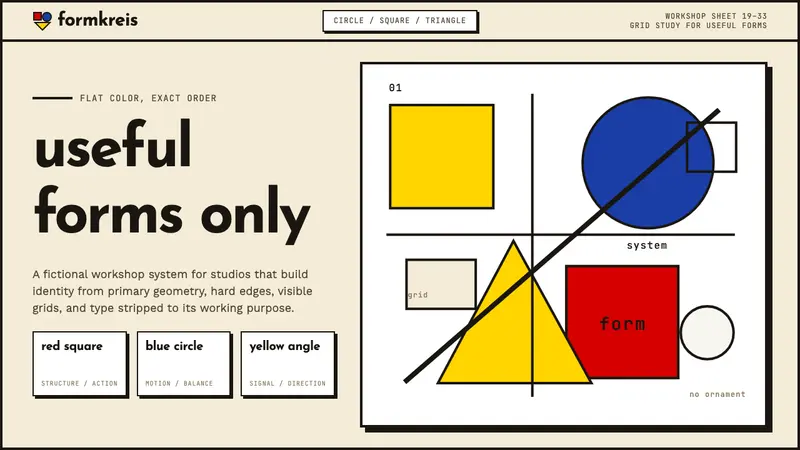 Bauhaus WeimarForm follows revolution. Primary red-blue-yellow on cream, hard shadows, no ornament — pure form.