About Warli Tribal Painting
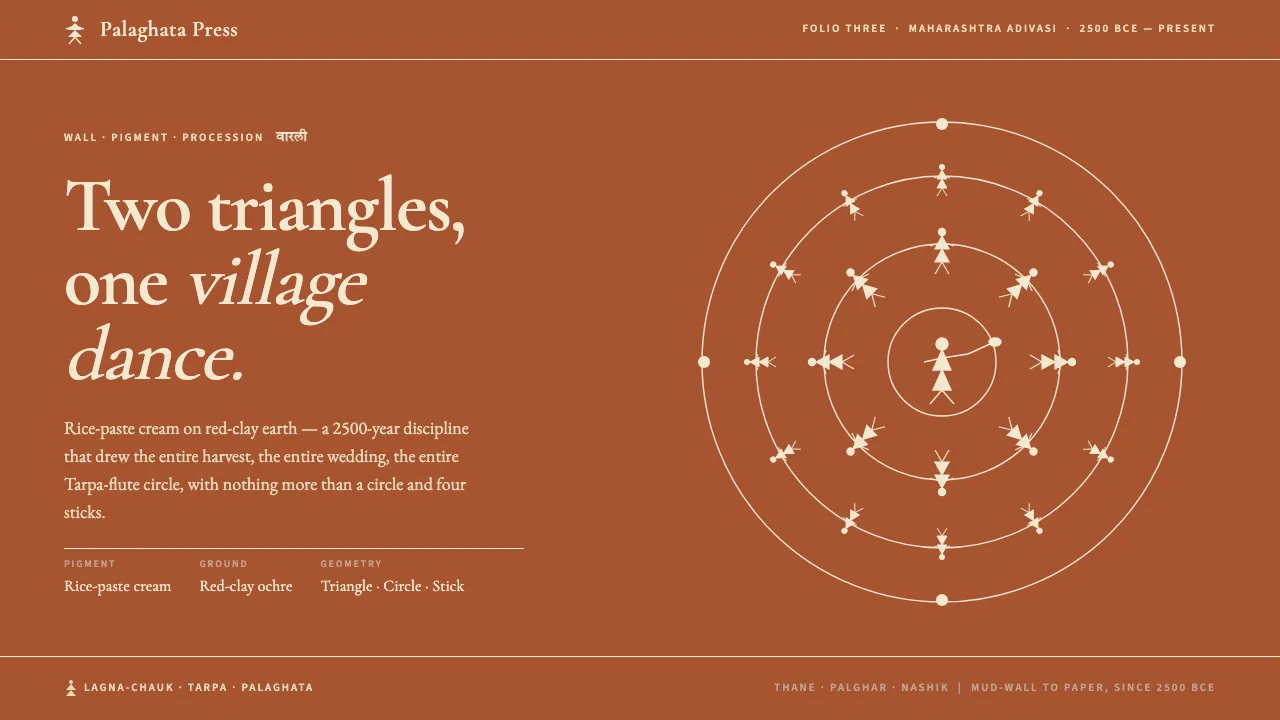
Warli is the Maharashtra Adivasi wall-painting tradition that reduced figurative art to triangles, circles and stick-arms — and made it look fresh forever. For at least 2500 years, Warli women have painted mud walls with rice-paste white pigment on red-clay ochre, depicting weddings, harvest dances around the Tarpa flute and the Palaghata mother-goddess mandala.
The aesthetic says: a human is two triangles tip-to-tip, an entire village dance can be drawn at this minimum with absolute legibility. No saturation outside the two-tone discipline. No naturalistic proportion. Just rice-paste pigment processing in concentric circles across an earth wall.
- Origin
- Maharashtra (Thane, Palghar, Nashik districts), with related practice in Gujarat and Karnataka — Warli Adivasi villages
- Era
- Prehistoric oral/painted tradition (rock-shelter proto-Warli c. 2500 BCE); active ritual practice through the 20c; 'discovered' by outside collectors in the 1970s
- Key figures
- Jivya Soma Mashe · Sadashiv Soma Mashe · Yashodhara Dalmia · Bhaskar Kulkarni · Anil Vangad
- Movements
- Indian tribal-folk painting · Adivasi rights and craft-as-livelihood · 1970s outside-discovery
Warli Tribal Painting design spec
Colors
Typography
The other 11 sections — buttons, cards, spacing, motion, techniques and more — open once you unlock. Download the DESIGN.md or send it to your AI in one click. Unlock once, yours forever.
Sign up nowStyles similar to Warli Tribal Painting
Also inspired by crafts & folk art, with a close feel.
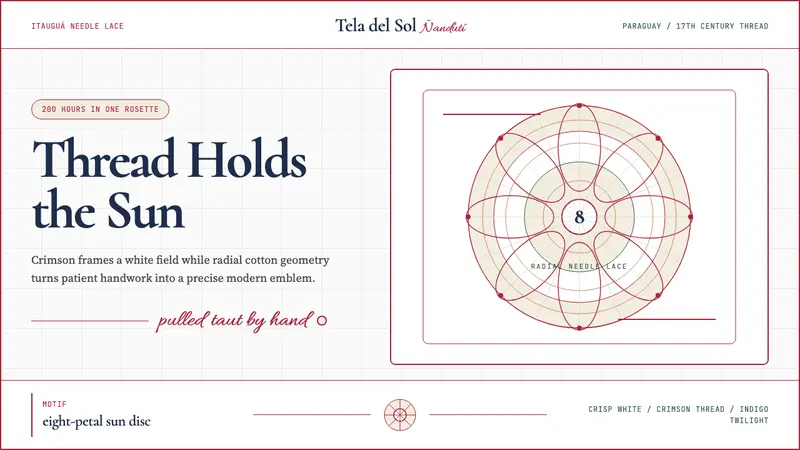 Paraguayan Ñandutí LacePatient craft, modern frame. Crimson lines pin radial lace on crisp white.
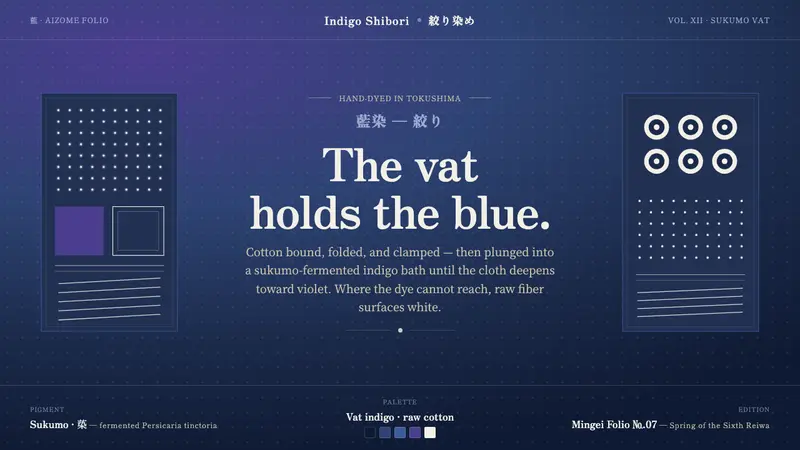 Indigo ShiboriCloth before image. Bound cotton plunged into sukumo vats — raw-white resist on violet indigo.
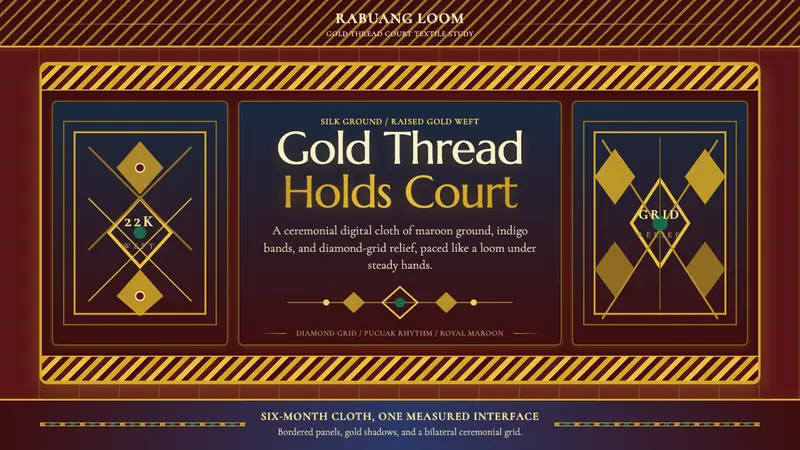 Sumatran Songket (Pandai Sikek)Courtly weight glows. Maroon silk, Cormorant small caps, and gold diamond grids.
 Ovambo BasketryPattern is counted, never drawn. Warm straw and omuve brown turn an open coil into order.