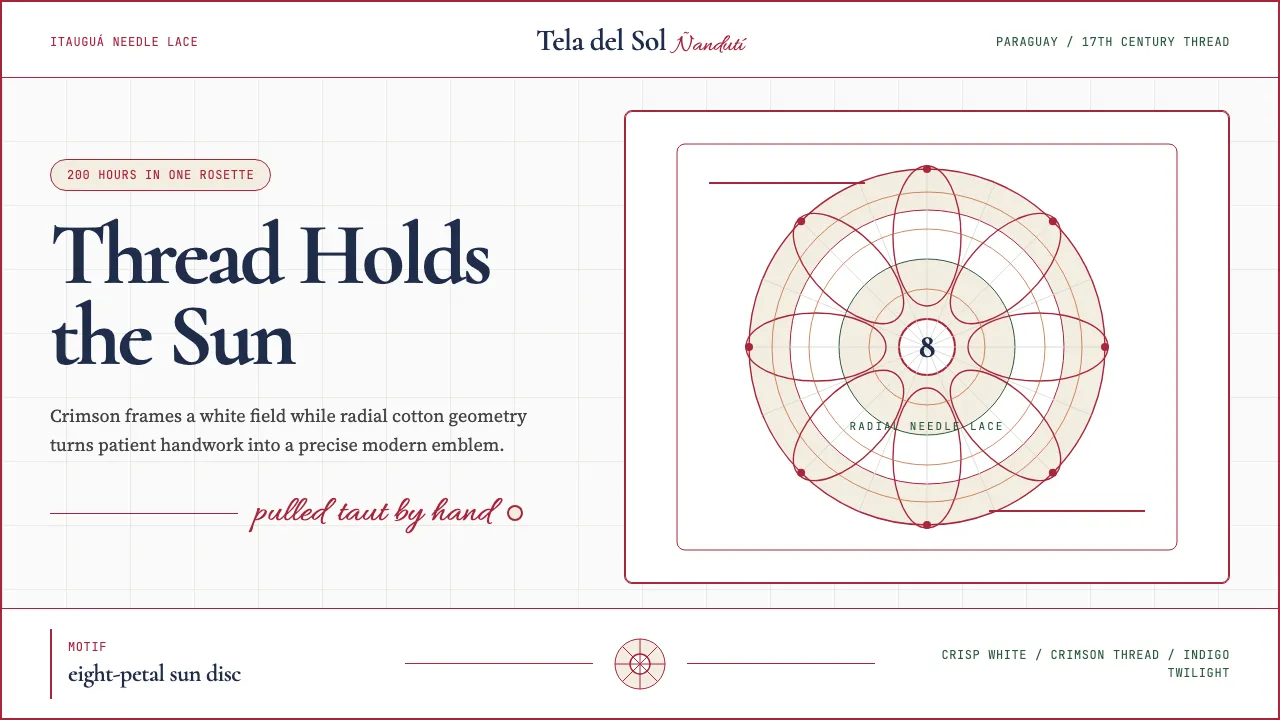
About Paraguayan Ñandutí Lace
Ñandutí — Guaraní for "spider web" — is the radial needle-lace tradition of Itauguá, Paraguay, where women artisans have tatted cotton thread into eight-petal rosettes and sun discs for over three centuries. The technique arrived via Tenerife Spanish lace and was reinvented through Guaraní hands into something entirely its own.
This design system captures the midday patio of Itauguá: cream lace draped on dark wood, a single crimson thread pulled taut, and the patient rhythm of needles working a sun-disc. Deep crimson frames crisp white surfaces while radial geometry echoes the sacred spider's web of pre-Columbian mythology.
- Origin
- Paraguay — Itauguá, Yaguarón, Asunción; Guaraní cultural region
- Era
- 17th-century Spanish arrival; 19th-century Itauguá specialization; 2010s–2024 craft-co-op modernization
- Key figures
- Itauguá women's lace cooperatives · Carlos Colombino · Olga Blinder · Josefina Plá
- Movements
- Paraguayan craft-cooperative movement · Guaraní mestizo material culture · Festival del Ñandutí
Paraguayan Ñandutí Lace design spec
Colors
Typography
The other 11 sections — buttons, cards, spacing, motion, techniques and more — open once you unlock. Download the DESIGN.md or send it to your AI in one click. Unlock once, yours forever.
Sign up nowStyles similar to Paraguayan Ñandutí Lace
Also inspired by crafts & folk art, with a close feel.
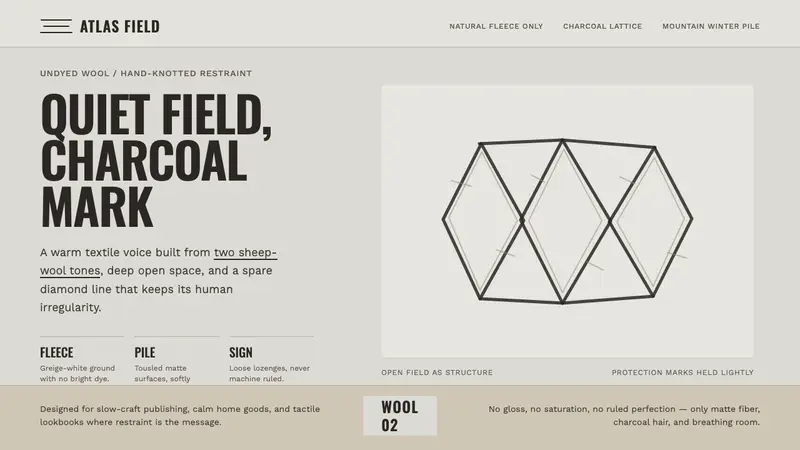 Beni Ourain Berber CarpetRestraint feels tactile. Greige wool field, Oswald type, and a loose charcoal lattice.
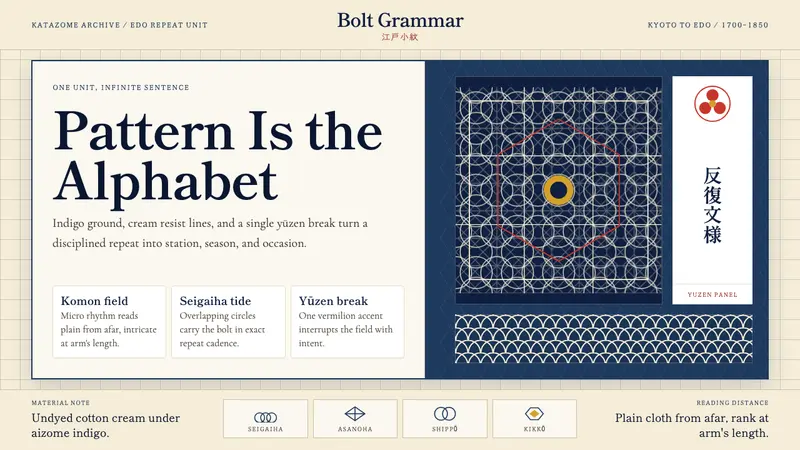 Edo Kimono TextilePattern becomes language. Indigo repeats, cream resist lines, one vermilion panel breaks the field.
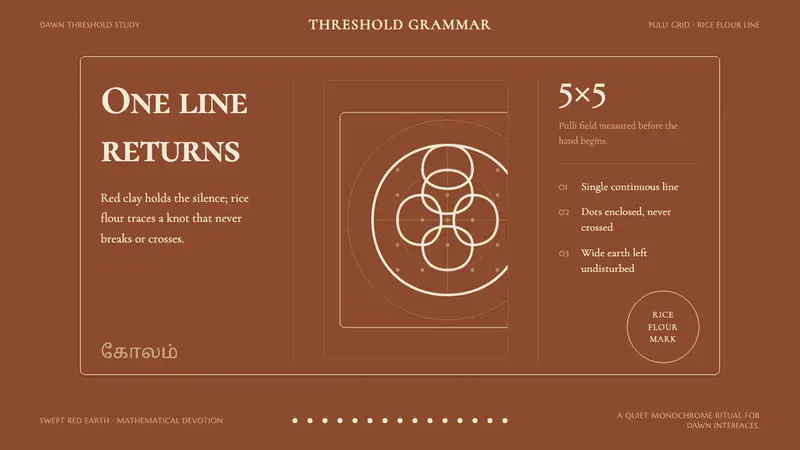 Tamil Kolam (Rice Flour Threshold)Mathematics becomes devotion. Rice-white knots breathe on red-clay negative space.
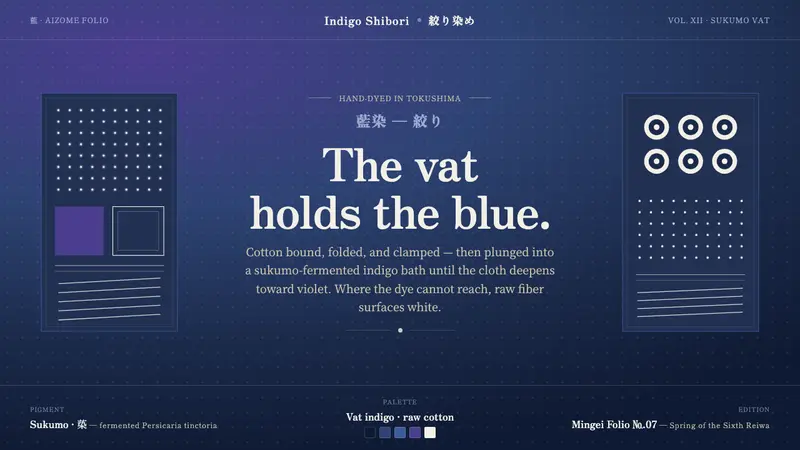 Indigo ShiboriCloth before image. Bound cotton plunged into sukumo vats — raw-white resist on violet indigo.