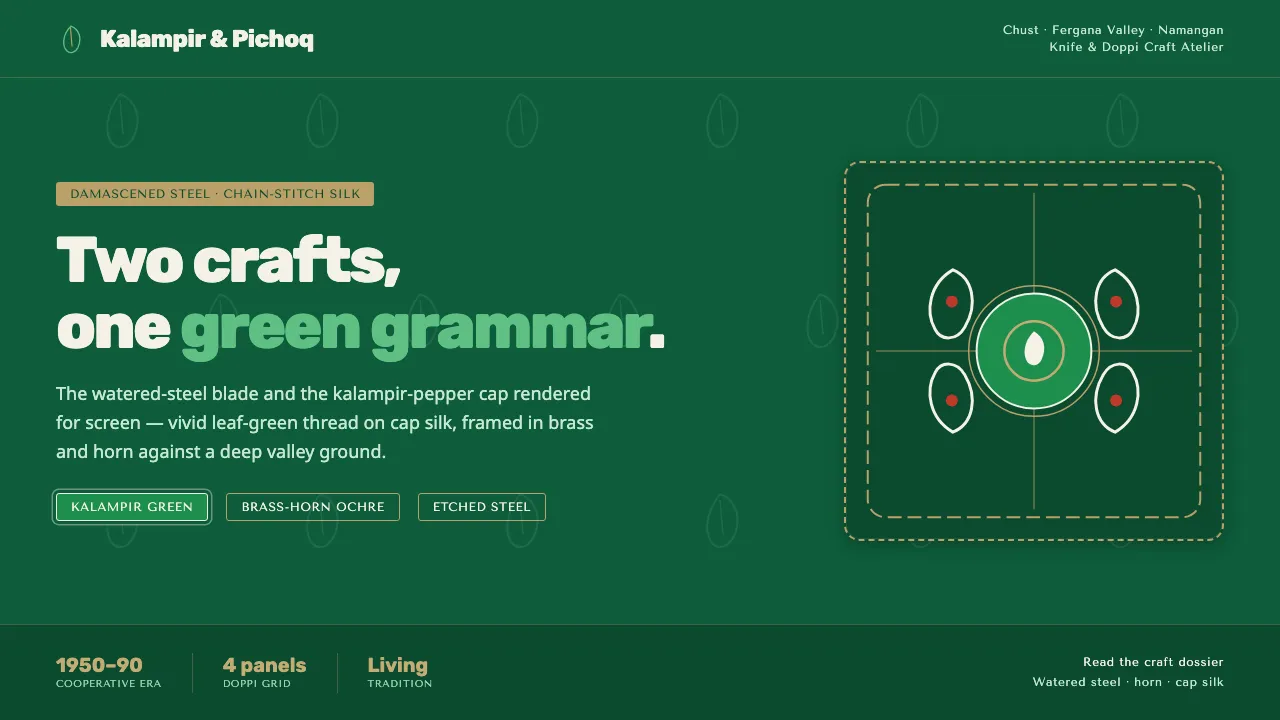
About Chust Pichak Knife Craft
In the Fergana Valley town of Chust, two crafts share one visual language: the pichoq knife with its etched, damascened blade and horn handle, and the embroidered doppi cap. This system honors the bright kalampir (chili-pepper) variant — vivid leaf-green chain-stitch on cap silk, set against the brass and watered steel of the blade.
The kalampir pepper-pod motif signals vitality and wards off the evil eye. Here it becomes structure: green grounds, white silk surfaces, and steel-grey detailing carry the saturated, hand-stitched intensity of Chust craft onto the screen.
- Origin
- Chust, Fergana Valley, Namangan region, Uzbekistan
- Era
- 1950–1990 (Soviet-era Chust craft cooperatives; living tradition)
- Key figures
- Chust pichoqchi (knifesmiths) · Chust doppi embroiderers · Chust doppi makers' workshops
- Movements
- Uzbek Fergana metalcraft (pichoq) · Tubeteika / doppi embroidery · Damascened steel craft
Chust Pichak Knife Craft design spec
Colors
Typography
The other 11 sections — buttons, cards, spacing, motion, techniques and more — open once you unlock. Download the DESIGN.md or send it to your AI in one click. Unlock once, yours forever.
Sign up nowStyles similar to Chust Pichak Knife Craft
Also inspired by crafts & folk art, with a close feel.
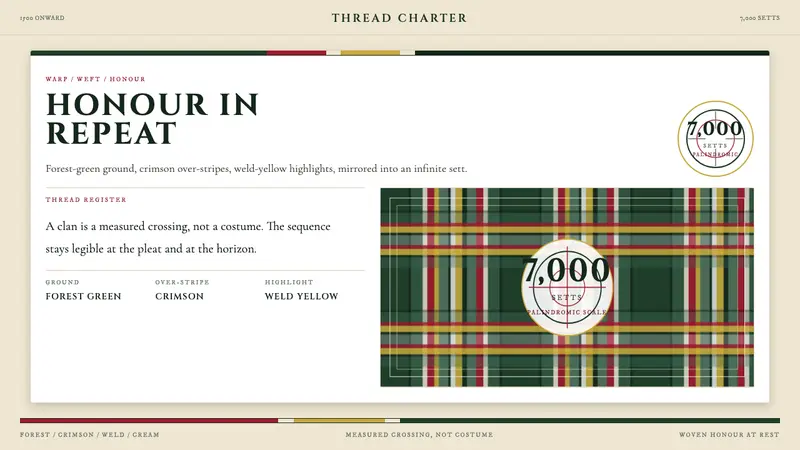 Scottish TartanHonour, woven twice. Forest-green setts, crimson over-stripes, weld-yellow lines.
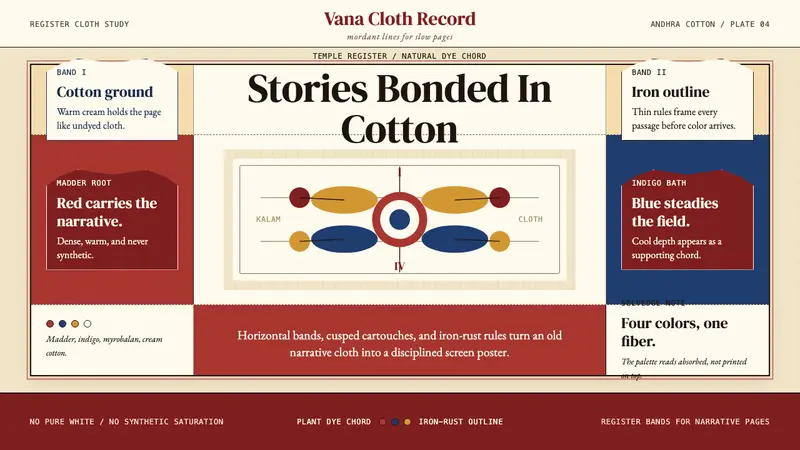 Kalamkari (Andhra Pradesh)Cloth becomes narrative. Madder bands, indigo panels, and iron rules stack like temple registers.
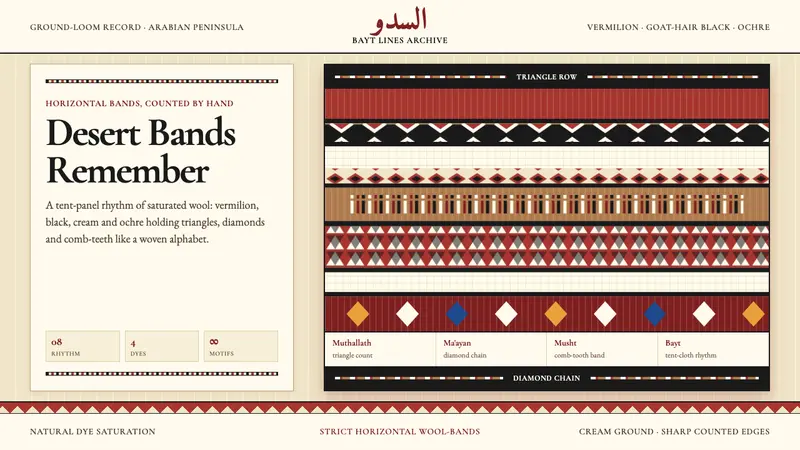 Bedouin Desert Textile (Sadu)Woven memory, not ornament. Vermilion-black bands count triangles and diamonds on cream wool.
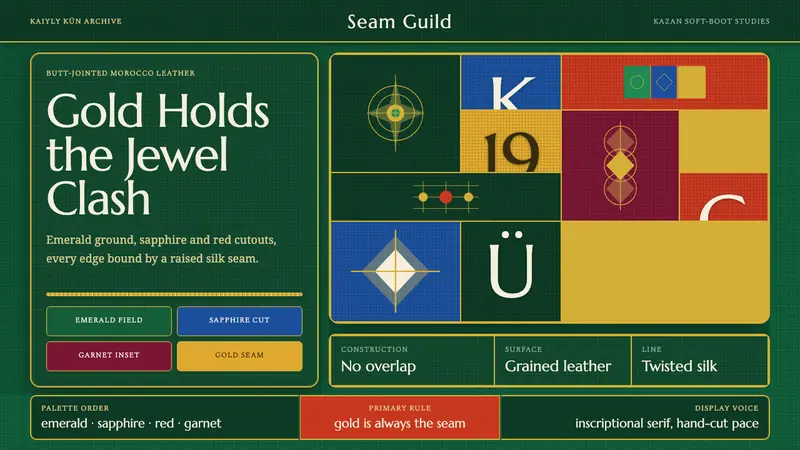 Tatar Leather Mosaic IchigiJewel tones held by thread. Emerald leather blocks clash under raised gold seams.