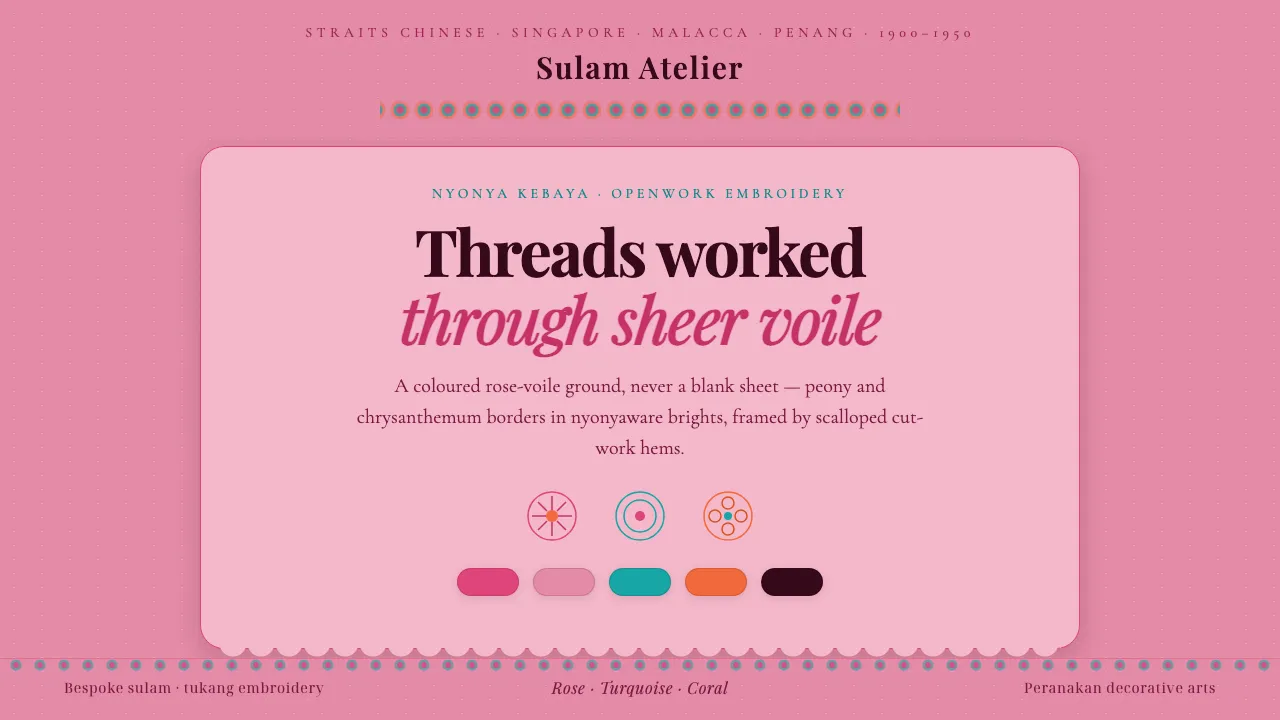
About Nyonya Kebaya Embroidery
The nyonya kebaya is a sheer silk-voile blouse of the Straits Chinese, worked in *sulam* — fine openwork machine embroidery — with mirrored peony, rose, and chrysanthemum borders. Worn across Singapore, Malacca, and Penang from roughly 1900 to 1950, it carries the bright palette of Peranakan porcelain: rose pink, turquoise, and coral.
This design system distills that craft into digital form — a coloured rose-voile ground rather than a blank sheet, scalloped cut-work hems, openwork lattice, and high-contrast serifs that echo the delicacy of the stitch.
- Origin
- Southeast Asia — Singapore, Malacca, Penang (Peranakan / Baba-Nyonya communities)
- Era
- 1900–1950 (late Straits Chinese material culture)
- Key figures
- Nyonya needlewomen · Bespoke sulam tukang embroiderers
- Movements
- Peranakan decorative arts · Nyonyaware porcelain palette · Sulam openwork embroidery
Nyonya Kebaya Embroidery design spec
Colors
Typography
The other 11 sections — buttons, cards, spacing, motion, techniques and more — open once you unlock. Download the DESIGN.md or send it to your AI in one click. Unlock once, yours forever.
Sign up nowStyles similar to Nyonya Kebaya Embroidery
Also inspired by crafts & folk art, with a close feel.
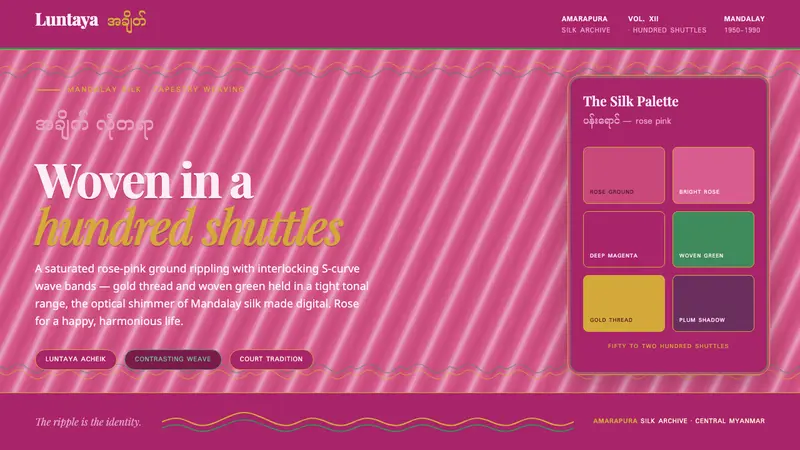 Burmese Acheik LongyiWoven silk shimmer, made digital. Rose-pink ground rippling with gold-and-green acheik wave bands.
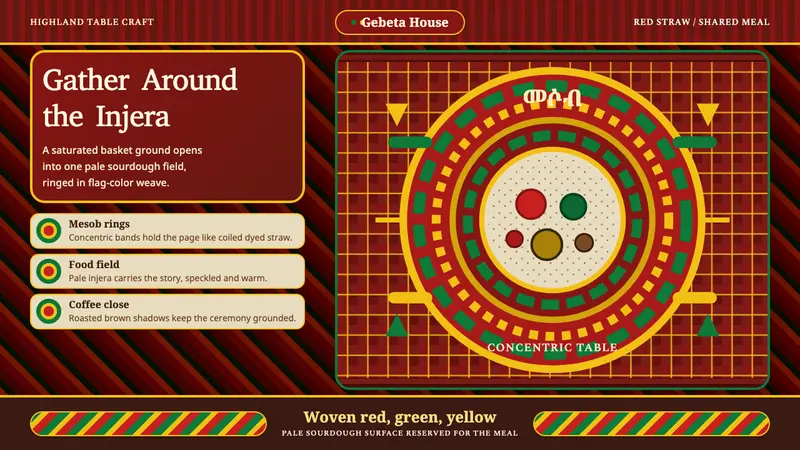 Ethiopian Injera & Mesob SpreadHospitality is woven in. Berbere red, flag bands, and an injera field hold the table.
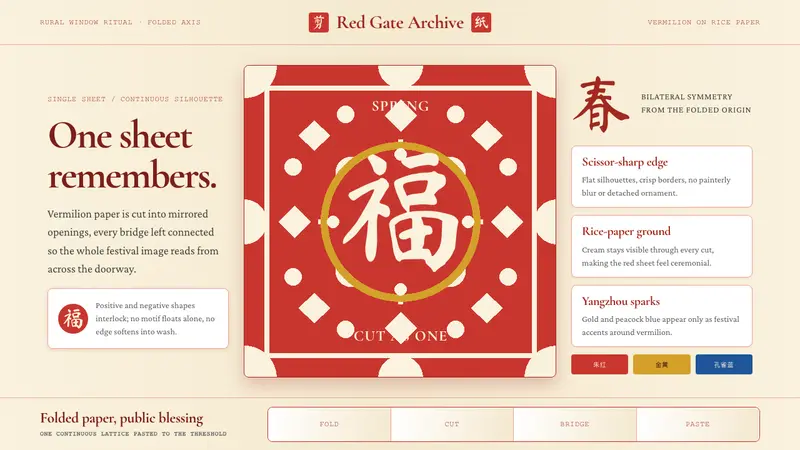 Chinese Jianzhi Paper-CuttingRitual red, cut as one. Vermilion lacework on rice-paper cream locks every shape to the axis.
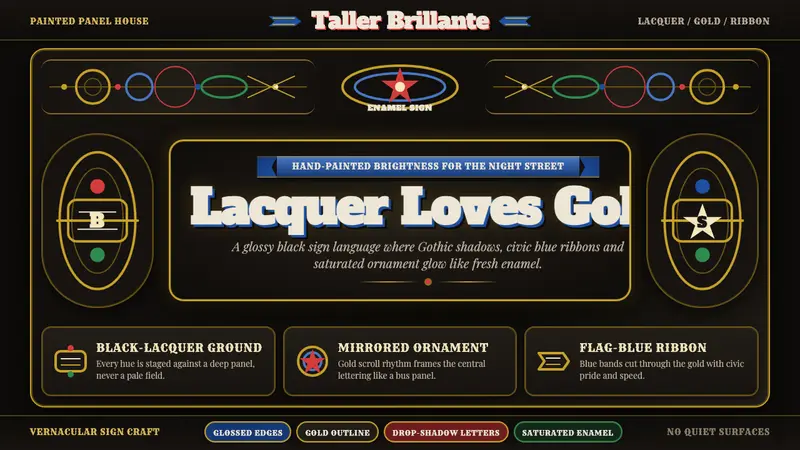 Fileteado Porteño Sign ArtBlack lacquer turns maximal. Gold scrolls, blue ribbons and Gothic shadows glow like enamel.