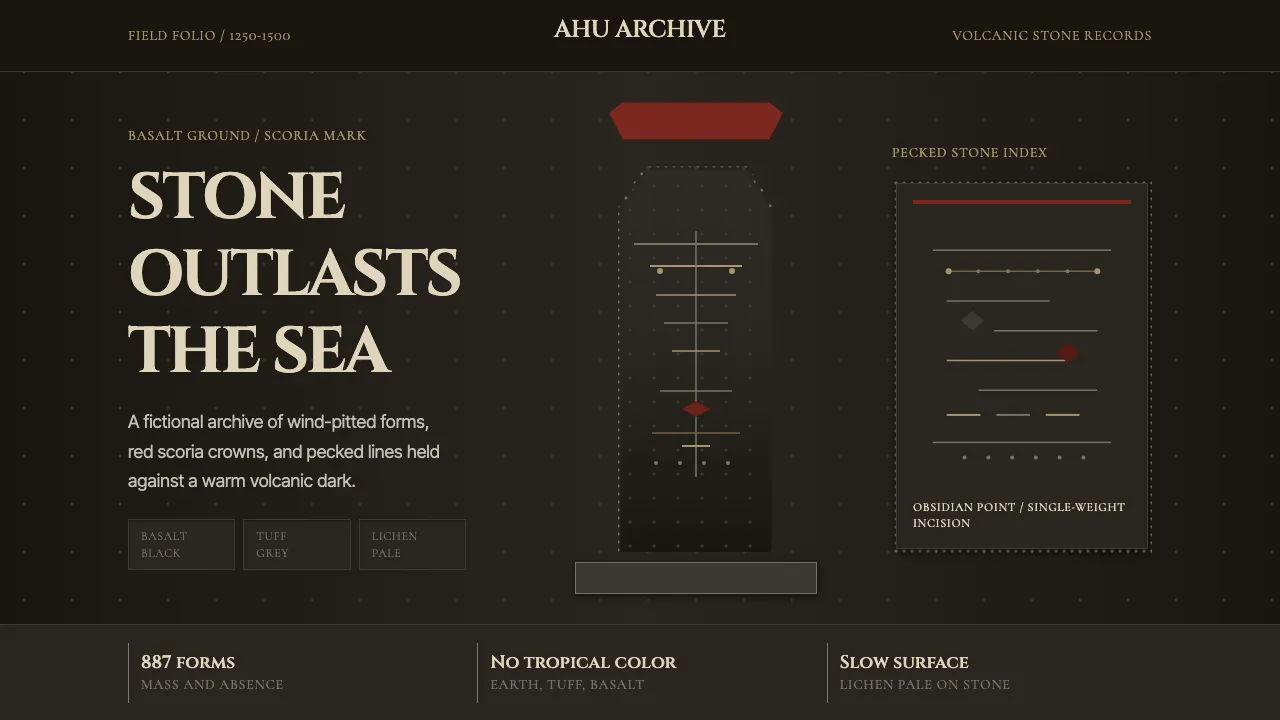
About Rapa Nui Moai Petroglyph
Rapa Nui's visual identity is carved from volcanic tuff and basalt — 887 colossal moai standing against empty Pacific sky, and thousands of petroglyphs pecked into stone with obsidian points. This design system channels that monumental sparseness: charcoal lines on dark stone, massive vertical silhouettes, and the rough irregularity of hand-worked rock. No colour beyond what the island itself provides — grey tuff, black basalt, red scoria, and the pale lichen that slowly claims every surface.
- Origin
- Rapa Nui / Easter Island, Chilean Polynesia
- Era
- Moai carving 1250–1500 CE; visual language codified through 20th-century archaeology
- Key figures
- Thor Heyerdahl · Jo Anne Van Tilburg · Sebastian Englert · Steven Roger Fischer
- Movements
- Polynesian monumental sculpture · Pacific archaeology · undeciphered scripts
Rapa Nui Moai Petroglyph design spec
Colors
Background
Surface
Primary
Secondary
Accent
Text
Typography
CinzelHeadings
Inter TightBody
Cormorant SCMono
Unlock for 1 credit
The other 11 sections — buttons, cards, spacing, motion, techniques and more — open once you unlock. Download the DESIGN.md or send it to your AI in one click. Unlock once, yours forever.
Sign up nowHave an account? Sign in
Styles similar to Rapa Nui Moai Petroglyph
Also inspired by crafts & folk art, with a close feel.
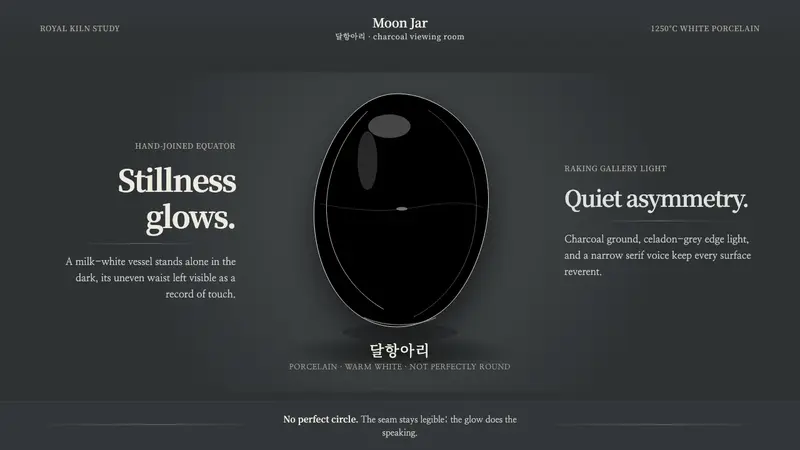 Joseon Moon JarQuiet imperfection glows. Milk-white porcelain floats on charcoal with a visible seam.
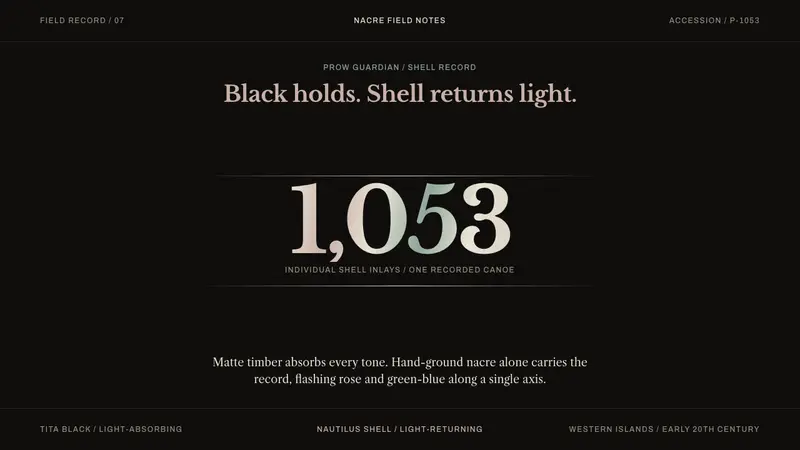 Solomon Islands NguzunguzuBlack swallows light; nacre gives it back. Rose and green-blue flashes hold a strict central axis.
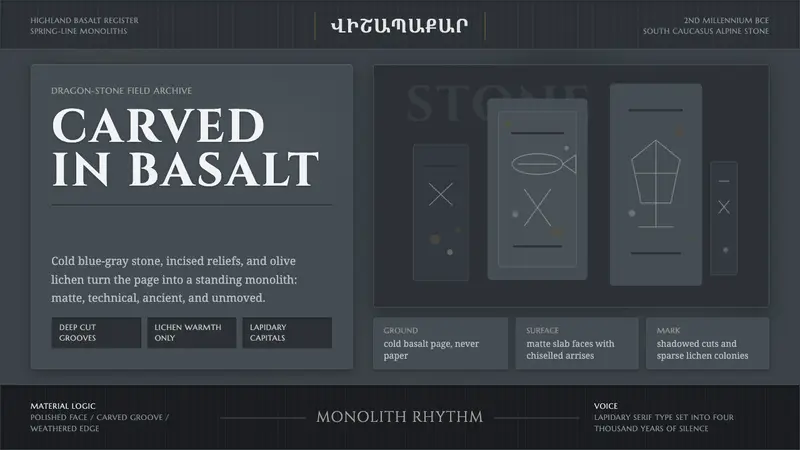 Armenian Vishapakar Dragon StoneAncient, cold, unmoved. Basalt gray slabs, incised grooves, sparse olive lichen.
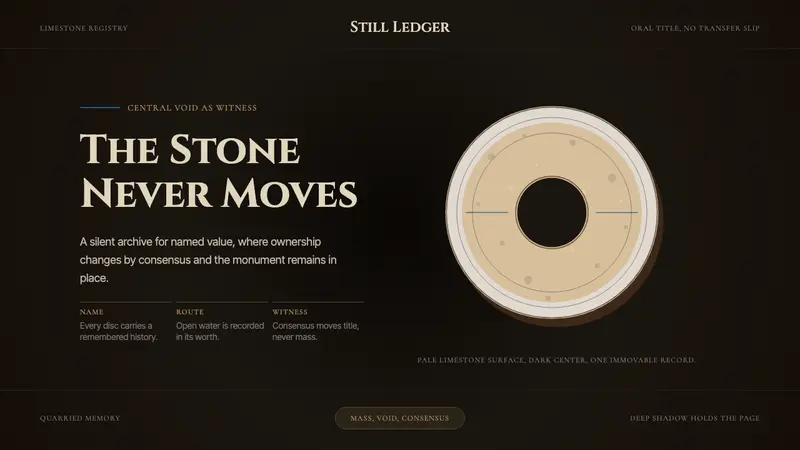 Yapese Stone Money (Micronesia)Monumental stillness. Limestone type and one circular void sit inside warm black shadow.