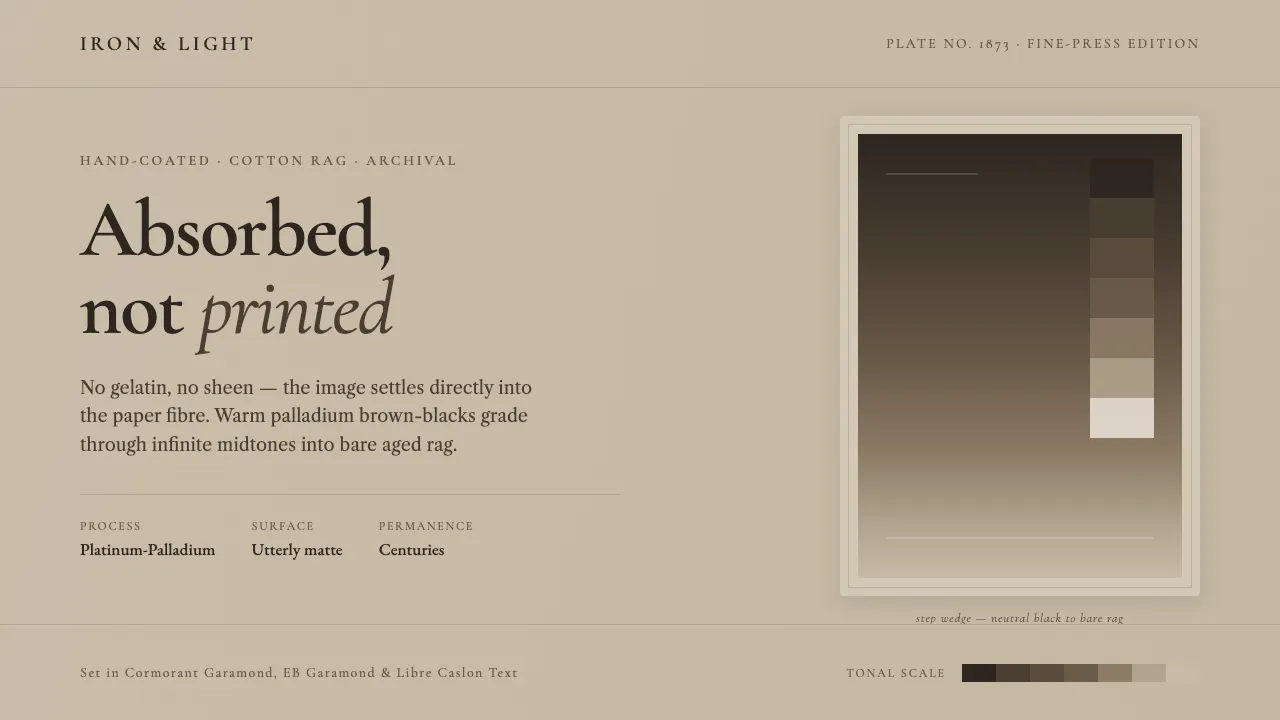
About Platinum-Palladium Print
The platinum-palladium print, or platinotype, absorbs its image directly into 100% cotton-rag paper — no gelatin sheen, an utterly matte and diffuse surface. Its tones run from neutral black through warm black to reddish-brown, with infinite delicate midtones. Patented by William Willis in 1873, it became the most revered process in fine-art photographic printing.
This design system distills that archival materiality into digital form: a warm aged-rag ground, palladium brown-gray tonality, refined book serifs, and the quiet, fibre-absorbed gradations of a hand-coated print.
- Origin
- North America and the broader fine-press / pictorialist tradition
- Era
- pre-1900 (platinotype patented 1873; fine-press revival ongoing through today)
- Key figures
- William Willis · Frederick H. Evans · Alfred Stieglitz · Tillman Crane
- Movements
- Pictorialism · Alternative-process photography · Fine-press printing
Platinum-Palladium Print design spec
Colors
Typography
The other 11 sections — buttons, cards, spacing, motion, techniques and more — open once you unlock. Download the DESIGN.md or send it to your AI in one click. Unlock once, yours forever.
Sign up nowStyles similar to Platinum-Palladium Print
Also inspired by print & type, with a close feel.
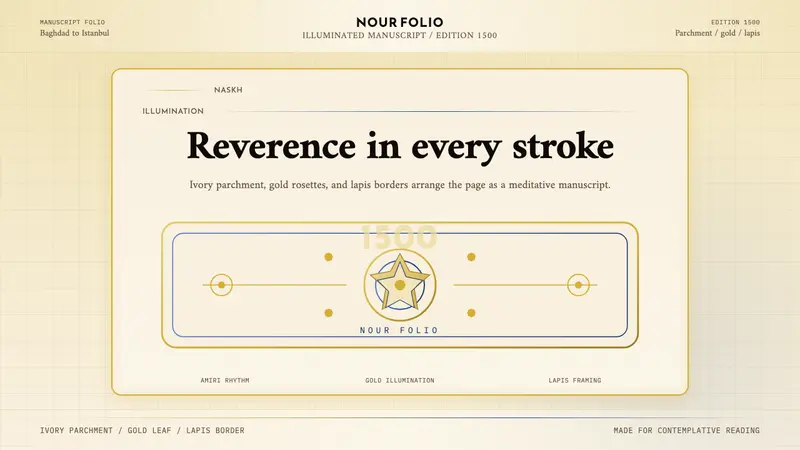 Naskh Quranic (1500)Reverence in every stroke. Ivory parchment, gold rosettes, and lapis framing.
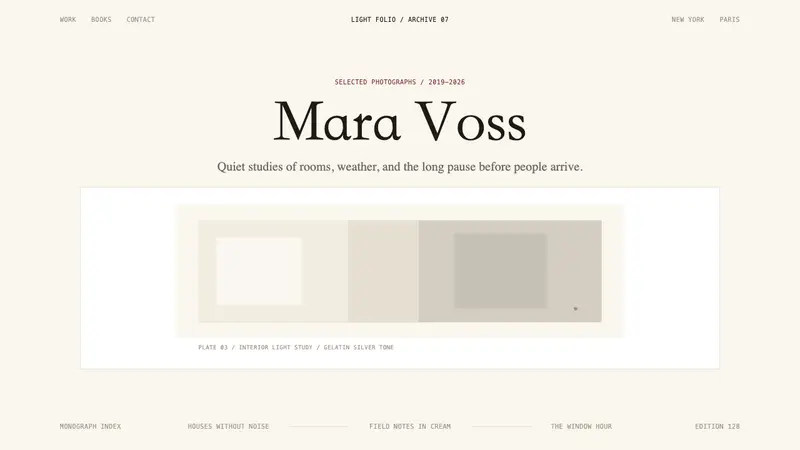 Photographer Light FolioMakes the browser a gallery wall. Warm cream, hairline serif type, and one image at a time.
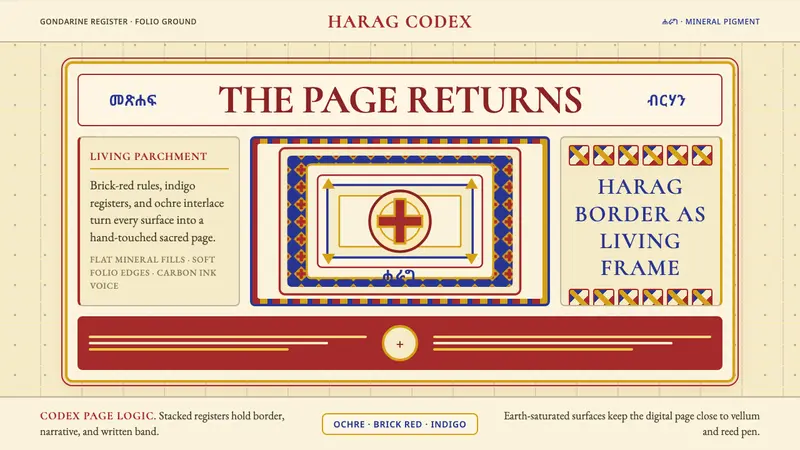 Ethiopian Orthodox ManuscriptSacred page, alive. Brick red, indigo, and ochre harag borders frame a staring icon.
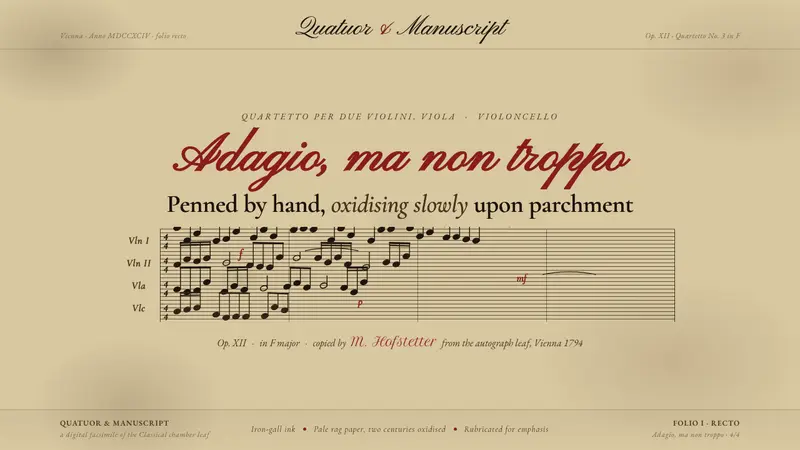 String Quartet ScorePenned by hand, oxidising slowly. Iron-gall ink browned on deep aged parchment, four staves at rest.