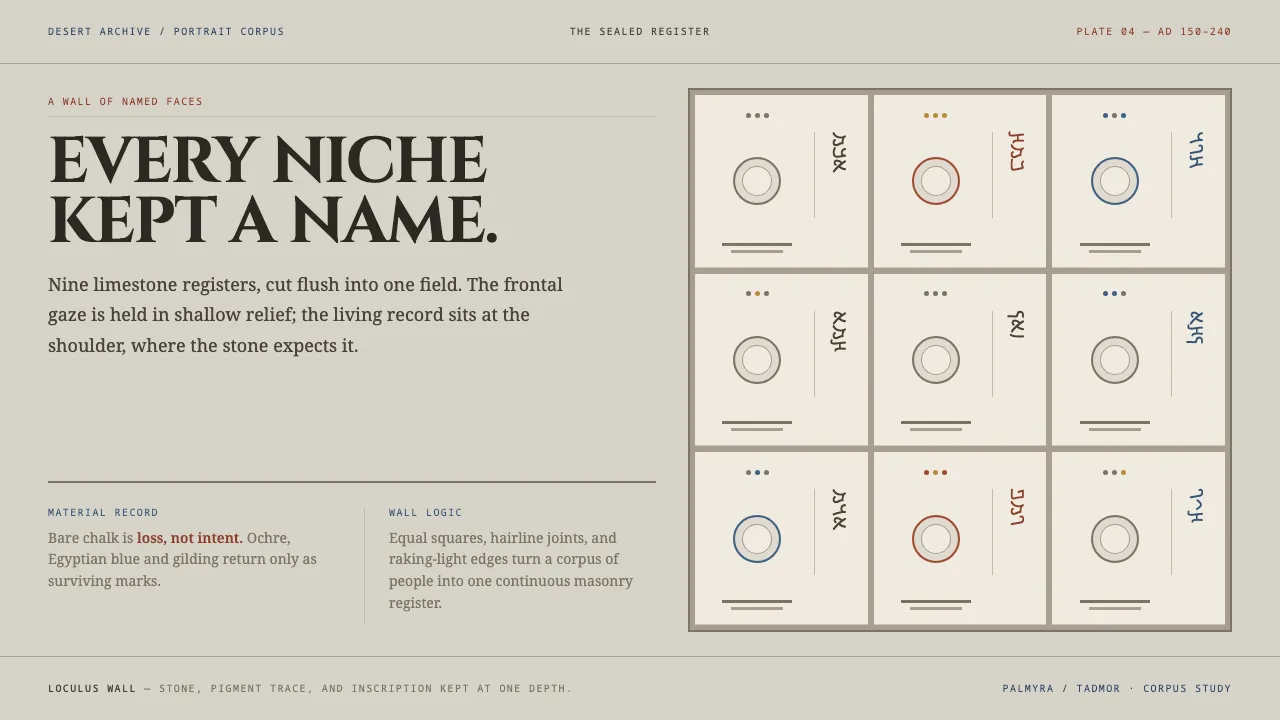
About Palmyrene Funerary Bust
Palmyra sealed its dead behind squares of limestone. Each slab closed one burial niche in a tower tomb, and each carries one person cut in shallow relief — frontal, shoulders flat to the plane, eyes level with yours. The name and lineage go beside the shoulder in Palmyrene Aramaic, not underneath as a caption.
Roughly four thousand survive, the largest portrait corpus in the Roman world outside Rome. The chalky white they show now is loss, not intent: red ochre, Egyptian blue and gilding were painted across dress and jewellery. This system keeps the stone bare and lets the colour return only where it once sat.
- Origin
- Palmyra (Tadmor), Syrian desert, on the caravan route between Rome and Parthia
- Era
- mid-1st century BC – AD 273 (ends with the fall of Zenobia's Palmyra)
- Key figures
- Aqmat · Zenobia · Palmyra Portrait Project
- Movements
- Romano-Parthian portrait sculpture · Palmyrene Aramaic epigraphy · loculus-relief tradition
Palmyrene Funerary Bust design spec
Colors
Typography
The other 11 sections — buttons, cards, spacing, motion, techniques and more — open once you unlock. Download the DESIGN.md or send it to your AI in one click. Unlock once, yours forever.
Sign up nowStyles similar to Palmyrene Funerary Bust
Also inspired by art & artists, with a close feel.
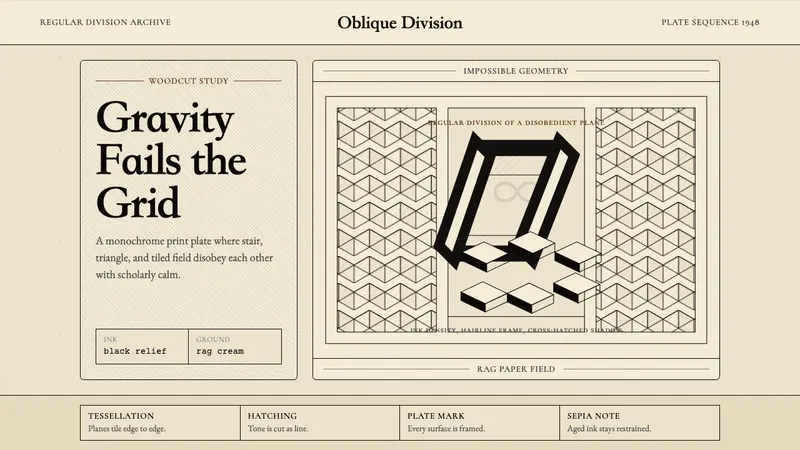 M.C. Escher ImpossibleImpossible calm. Ink-black tessellations and hatching fold cream paper into paradox.
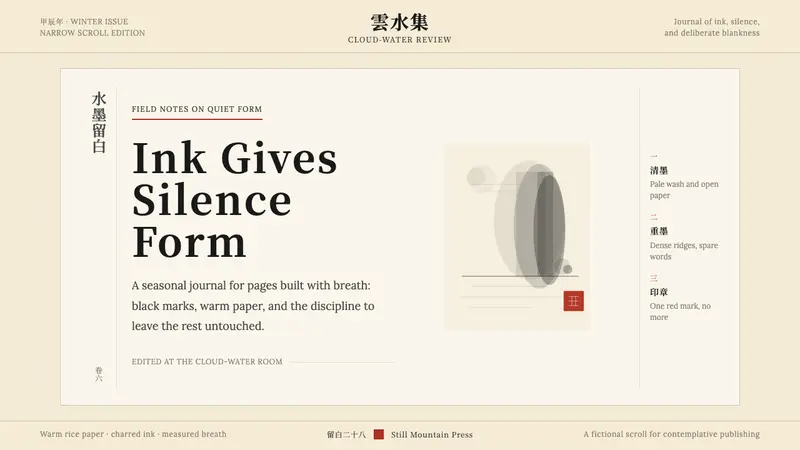 Chinese Ink Wash 水墨A thousand years of restraint. Six tones of ink on rice-paper warmth, a single seal-red as accent.
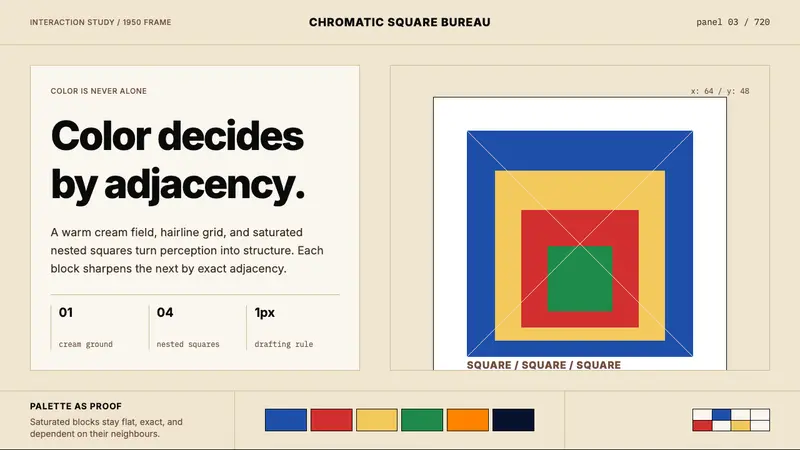 Josef Albers — Homage to the SquareColor becomes event. Warm cream, cobalt-red-yellow nested squares, exact hairlines.
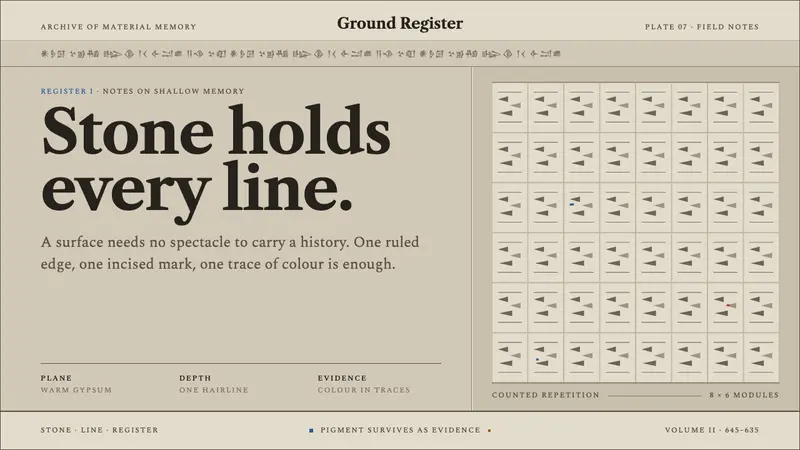 Assyrian Palace ReliefHistory cut to a hairline. Warm gypsum registers hold serif type and rare pigment traces.