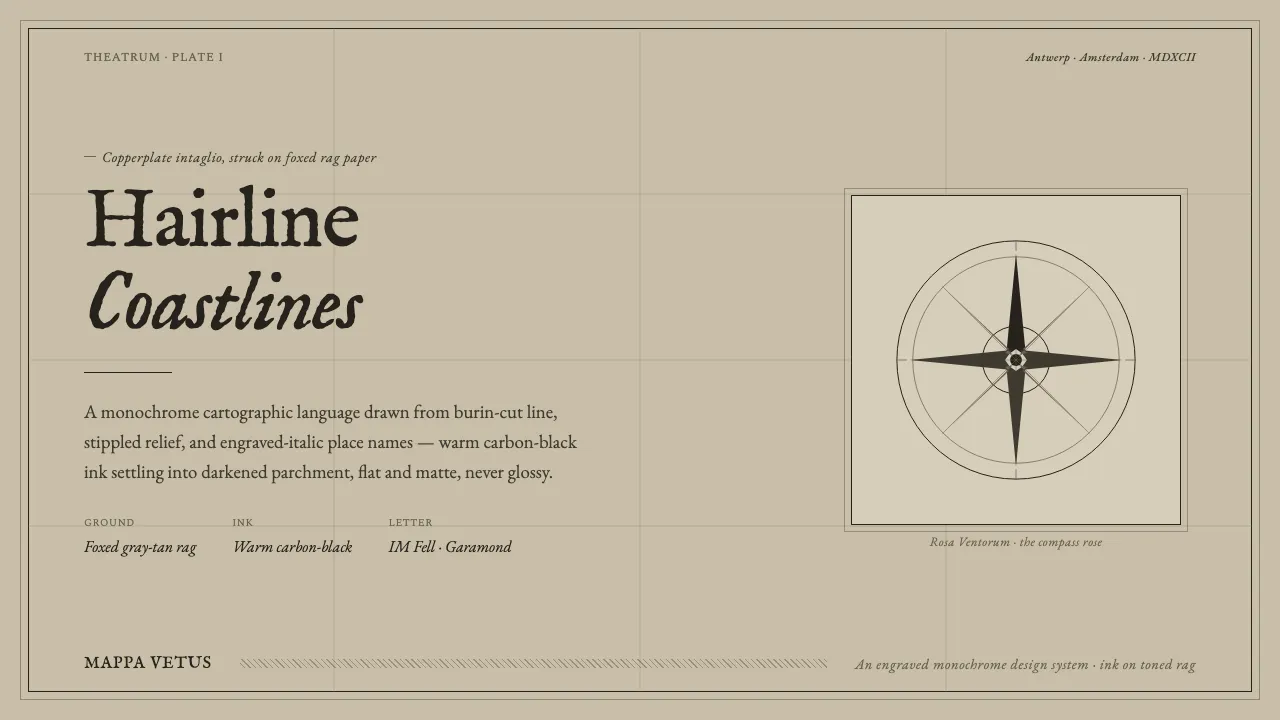
About Engraved Monochrome Map
Engraved monochrome cartography is the copperplate art of printing maps from a burin-cut plate: hairline coastlines, stippled relief, hachured hills, and engraved italic place names struck in warm carbon-black ink onto rag paper. The referent is the authentic aged sheet — toned, foxed paper darkened to a warm gray-tan over centuries, carrying a pressed plate-mark border.
This design system distills that intaglio tradition into a screen language: an honest darkened-parchment ground, ink-on-paper monochrome, hairline rules, stipple textures, and engraved-letter type. Flat and matte, never glossy — the discipline of the burin.
- Origin
- Western Europe (Antwerp, Amsterdam, Paris, London, Nuremberg)
- Era
- 16th–19th century (pre-1900); copperplate dominant from the 1500s, steel-plate from the 1820s
- Key figures
- Gerardus Mercator · Abraham Ortelius · Willem Blaeu · Jodocus Hondius
- Movements
- Copperplate intaglio engraving · Dutch golden-age cartography · English & French map trade · Steel-plate engraving
Engraved Monochrome Map design spec
Colors
Typography
The other 11 sections — buttons, cards, spacing, motion, techniques and more — open once you unlock. Download the DESIGN.md or send it to your AI in one click. Unlock once, yours forever.
Sign up nowStyles similar to Engraved Monochrome Map
Also inspired by print & type, with a close feel.
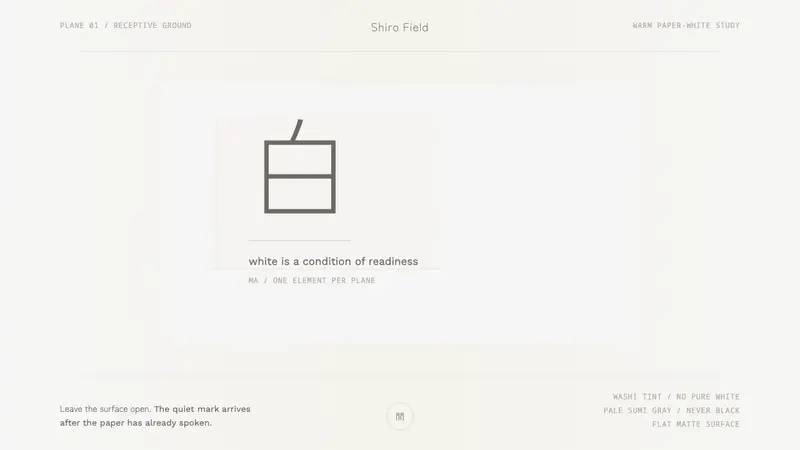 Kenya Hara «White»Emptiness is the subject. Warm washi white holds one pale sumi-gray mark.
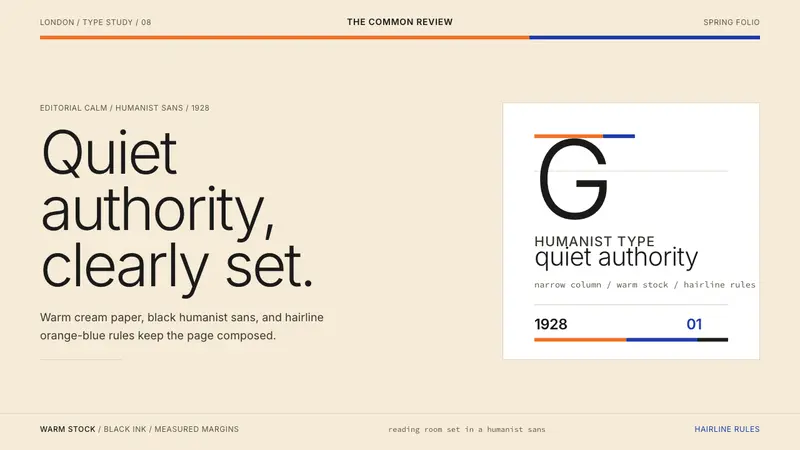 Gill Sans (BBC, 1928)Quiet authority, clearly set. Warm cream, black humanist sans, and hairline orange-blue rules.
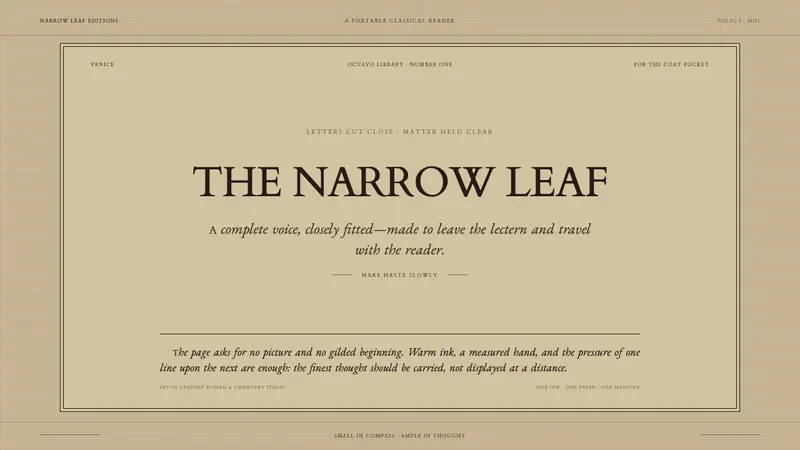 Aldine Press ItalicText needs nothing added. Tight chancery italic meets upright roman caps on mid-tan rag.
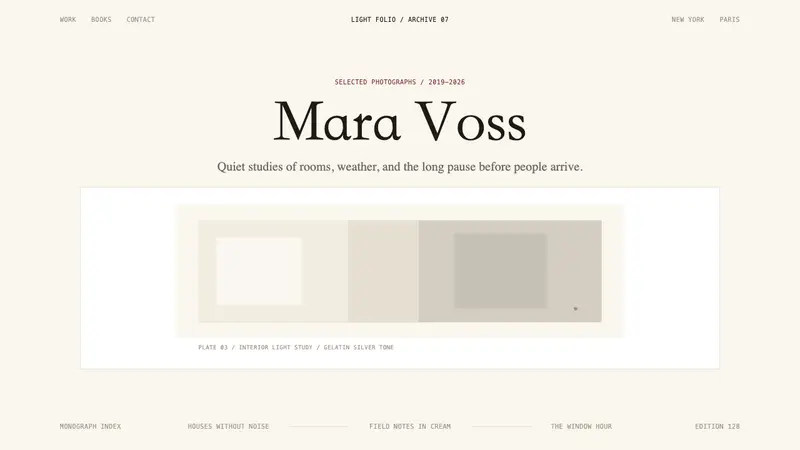 Photographer Light FolioMakes the browser a gallery wall. Warm cream, hairline serif type, and one image at a time.