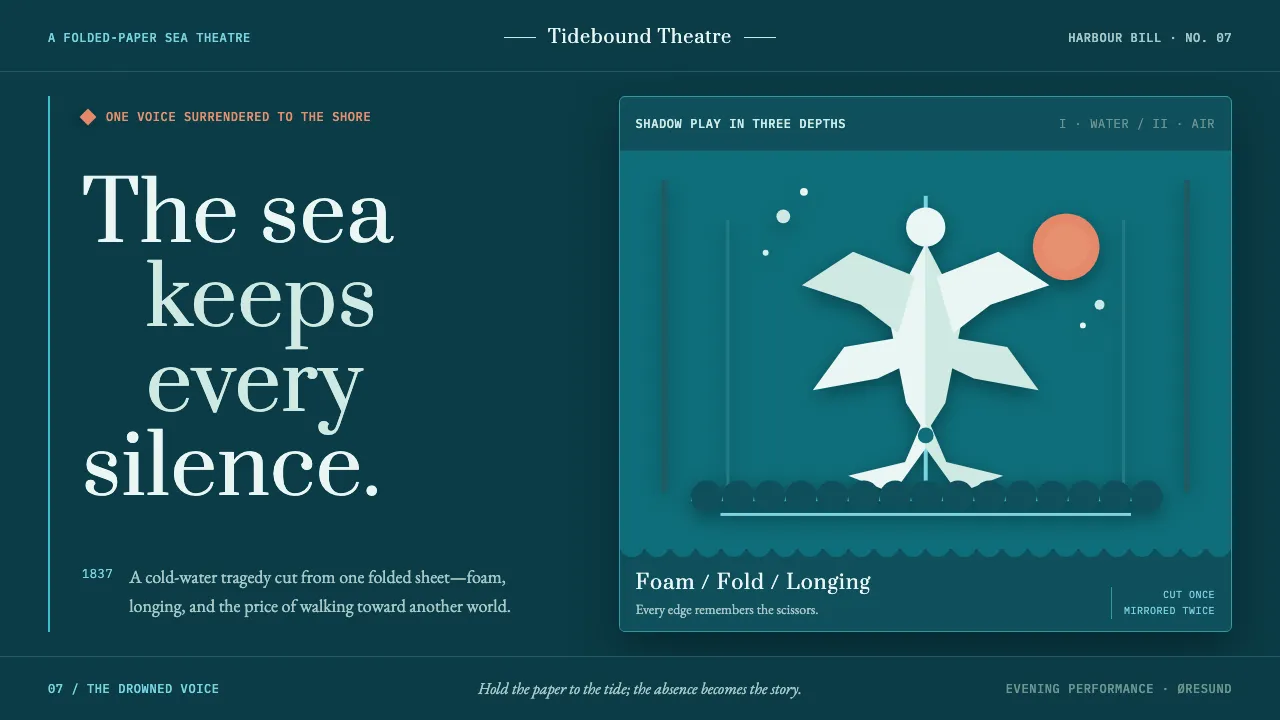
About The Little Mermaid (Andersen, 1837)
Andersen's 1837 sea-tragedy rebuilt as a folded-paper theatre. Andersen was himself a compulsive papercutter, snipping swans and castles while telling a tale aloud, and this system takes that literal craft as its grammar: every motif is a flat cut shape floated over deep Øresund water, no gradient inside a silhouette, only the crisp negative edge where scissors left the sheet. The palette is all cold harbour water — sea teal, surf cyan, sea-foam white — with one warm coral bruise for the mermaid's mute longing and the sun over the spires. It feels like a shadow-theatre bill pinned to a wet dock: kelp-fringed borders, wave scallops, a fish-tail curl, and a mermaid dissolving into foam at the top edge.
Learn more about the The Little Mermaid (Andersen, 1837) style
- Origin
- Denmark — Copenhagen, Odense, the Øresund strait
- Era
- 1837 (first published in Eventyr, fortalte for Børn); illustration tradition 1849–1913
- Key figures
- Hans Christian Andersen · Vilhelm Pedersen · Lorenz Frølich · Edvard Eriksen
- Movements
- Danish Golden Age · Romantic fairy-tale illustration · Scandinavian silhouette / papercut (klippekunst) · shadow theatre
The Little Mermaid (Andersen, 1837) design spec
Colors
Typography
The other 11 sections — buttons, cards, spacing, motion, techniques and more — open once you unlock. Download the DESIGN.md or send it to your AI in one click. Unlock once, yours forever.
Sign up nowStyles similar to The Little Mermaid (Andersen, 1837)
Also inspired by art & artists, with a close feel.
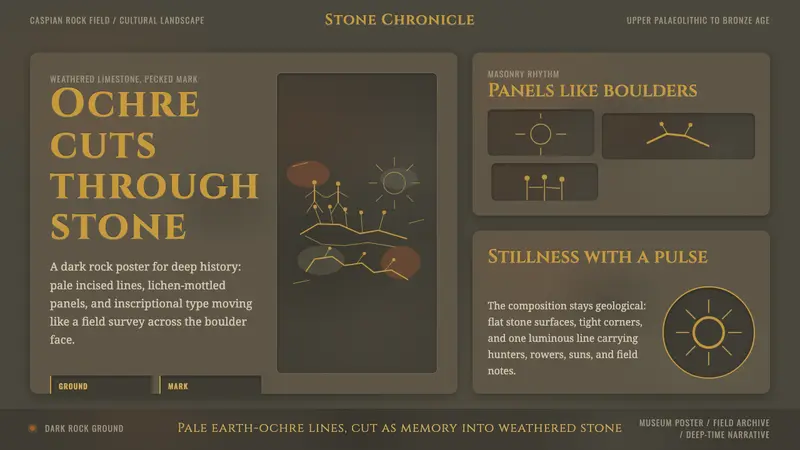 Azerbaijani Gobustan PetroglyphAncient rock speaks. Ochre incisions glow across dark lichen-mottled stone.
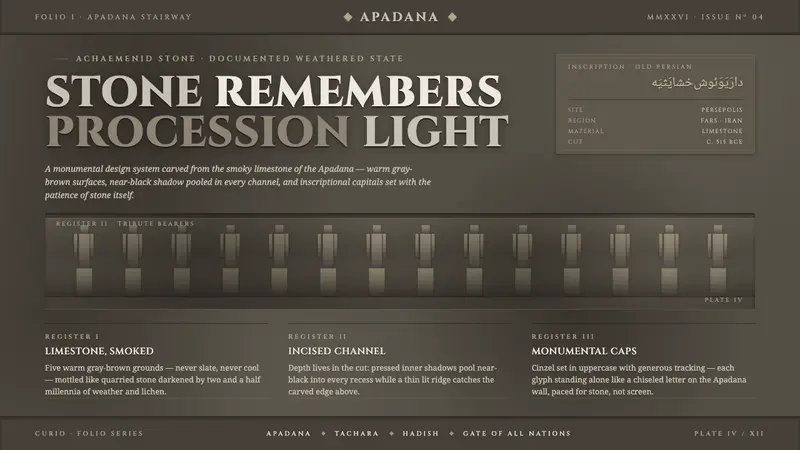 Persian Gray Stone ReliefStone remembers. Smoky weathered limestone, near-black shadow in every channel, Cinzel cut as caps.
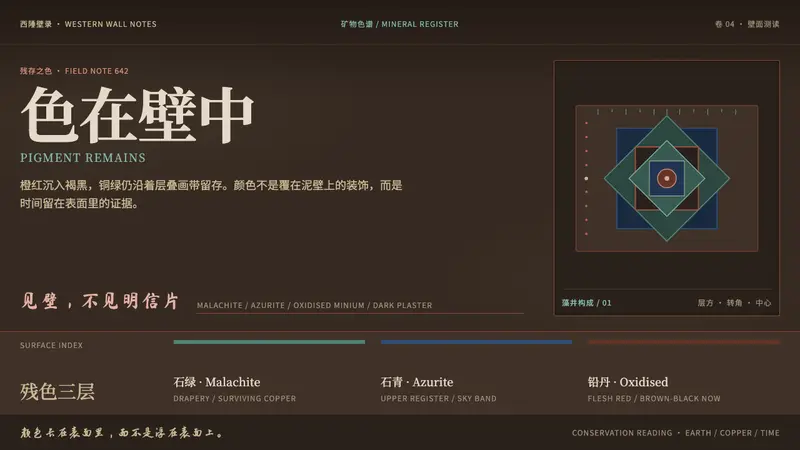 Dunhuang Mogao MuralsTime lives in the wall. Mineral green and azurite endure on oxidised brown plaster.
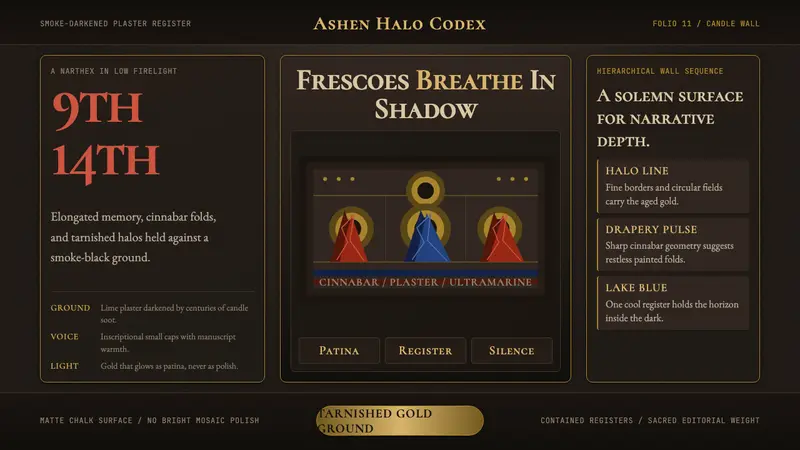 Macedonian Ohrid Fresco (Byzantine)Sacred darkness breathes. Tarnished gold rings, cinnabar folds, and plaster grain carry it.