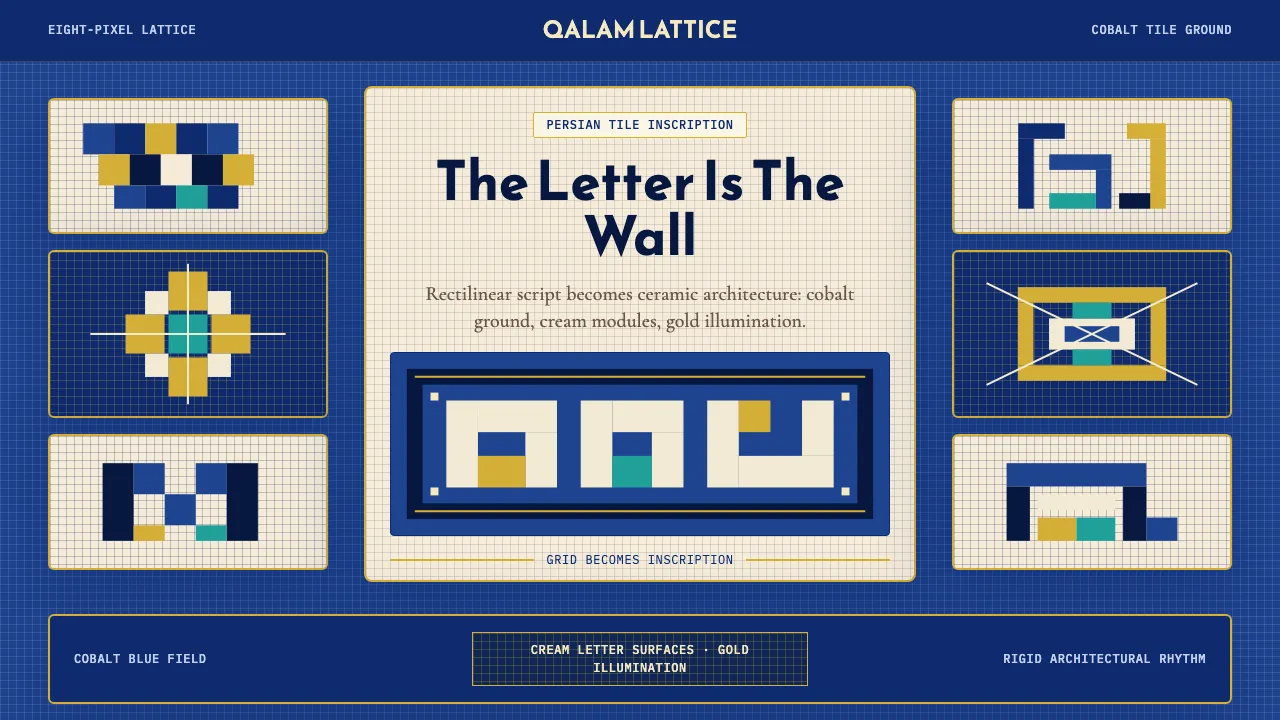
About Kufic Square Arabic
Square Kufic transforms Arabic script into pure right-angle geometry — every letter a Tetris-like assembly of square modules on a rigid grid. Born in 11th-century Persia for monumental tile inscriptions, it reached its zenith in the cobalt-and-white tilework of Yazd, Isfahan, and the Alhambra.
This system channels that architectural precision into digital interfaces: a cobalt-blue tile ground, cream letterform surfaces, gold illumination accents, and an unwavering 8px lattice that echoes centuries of kashi-kari craftsmanship.
- Origin
- Persia (Iran), Anatolia, Andalusia, Maghreb, Central Asia
- Era
- 11th-century Persia emergence; peak 13th–15th century Timurid mosques; modern revival 20th–21st century
- Key figures
- Mohammad Reza Abdolali · Hassan Massoudy · Bahram Shabahang · Reza Abedini
- Movements
- Islamic architectural inscription · geometric-tile mosaic · 20th-century Islamic modernism · contemporary Arabic typography
Kufic Square Arabic design spec
Colors
Typography
The other 11 sections — buttons, cards, spacing, motion, techniques and more — open once you unlock. Download the DESIGN.md or send it to your AI in one click. Unlock once, yours forever.
Sign up nowStyles similar to Kufic Square Arabic
Also inspired by crafts & folk art, with a close feel.
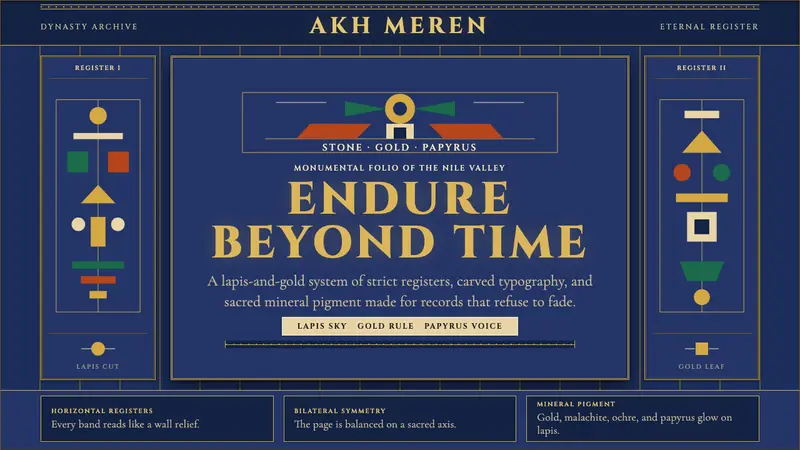 Egyptian PharaonicRegal permanence. Gold rules and Cinzel capitals carve papyrus registers into lapis stone.
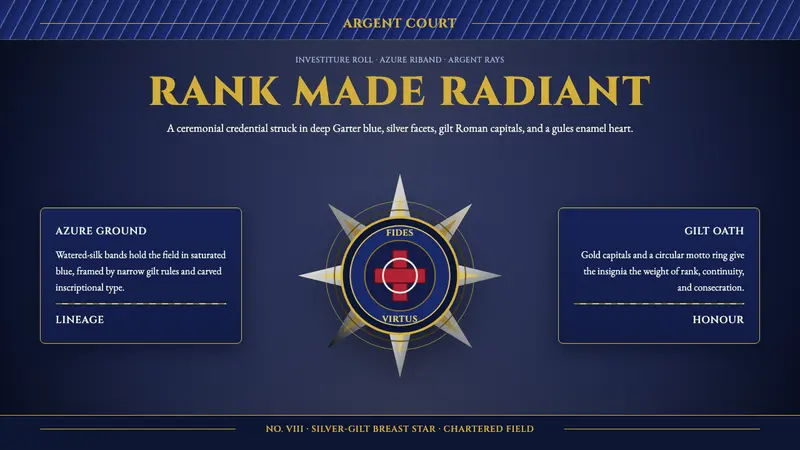 Order of Chivalry StarCeremony made metal. Garter blue, gilt Cinzel, and argent rays form a ranked star.
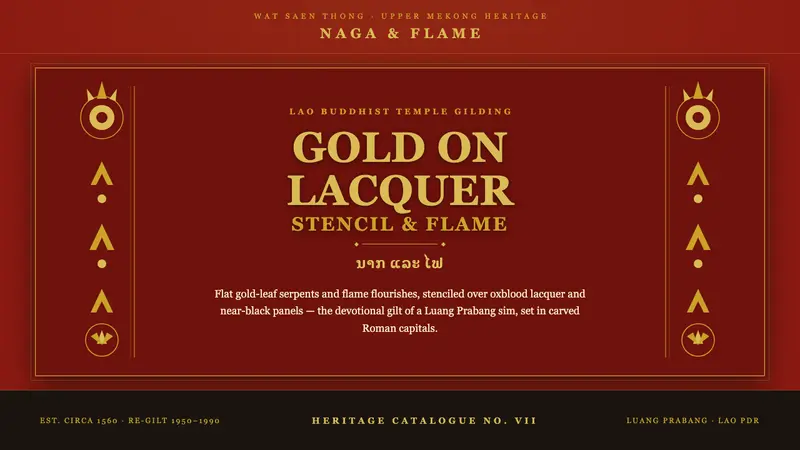 Lao Naga Temple StencilDevotional gilt, not chrome. Flat gold-leaf naga and flame stencils glow on oxblood-lacquer panels.
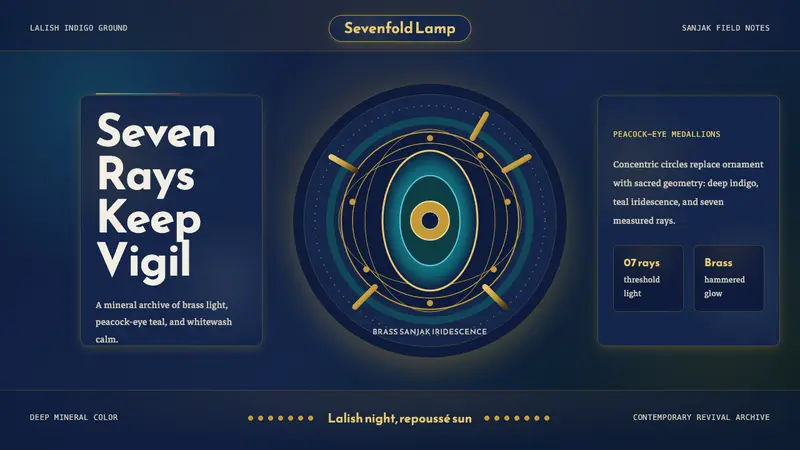 Kurdish Yazidi Peacock & SunSacred geometry glows. Lalish indigo holds brass rays and teal peacock-eye medallions.