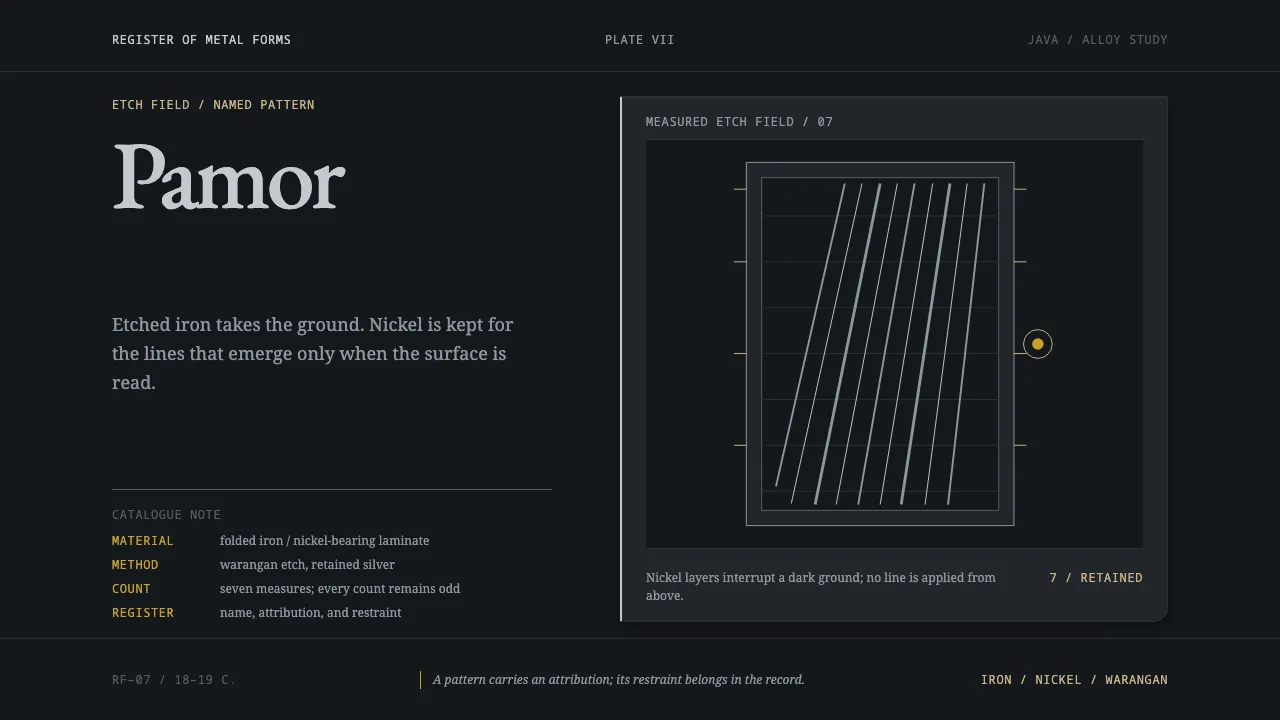
About Kris Pamor Blade
A Javanese keris blade is folded from iron and nickel-bearing metal, then bathed in warangan — arsenic with citrus juice — which bites the iron nearly black and leaves the nickel silver. The pattern, the pamor, lives inside the metal and appears only under acid.
This system takes the etched blade as its ground. Dark iron everywhere, silver reserved for what matters, wood and worn gold for the fittings. Type is scholarly rather than dramatic: this is the register of a catalogue of forms, where each pattern carries a name, an attributed effect, and a prohibition.
- Origin
- Java, Indonesia — the Surakarta and Yogyakarta keratons
- Era
- Majapahit period through the 19th-century keraton workshops; named-pamor canon codified 18th–19th c.
- Key figures
- Empu Supa · Pakubuwana III · Empu Djeno Harumbrodjo
- Movements
- keraton court metalwork · the named-pamor system · UNESCO Intangible Cultural Heritage
Kris Pamor Blade design spec
Colors
Typography
The other 11 sections — buttons, cards, spacing, motion, techniques and more — open once you unlock. Download the DESIGN.md or send it to your AI in one click. Unlock once, yours forever.
Sign up nowStyles similar to Kris Pamor Blade
Also inspired by crafts & folk art, with a close feel.
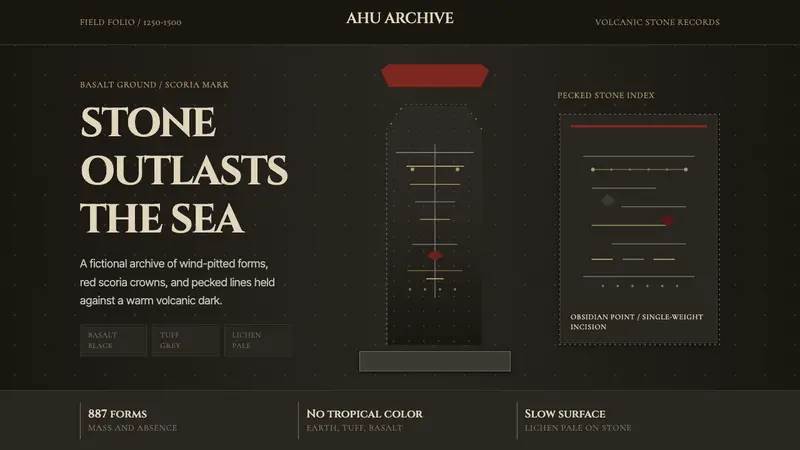 Rapa Nui Moai PetroglyphMonumental sparseness. Basalt black, scoria red, and pecked-dot borders hold the silence.
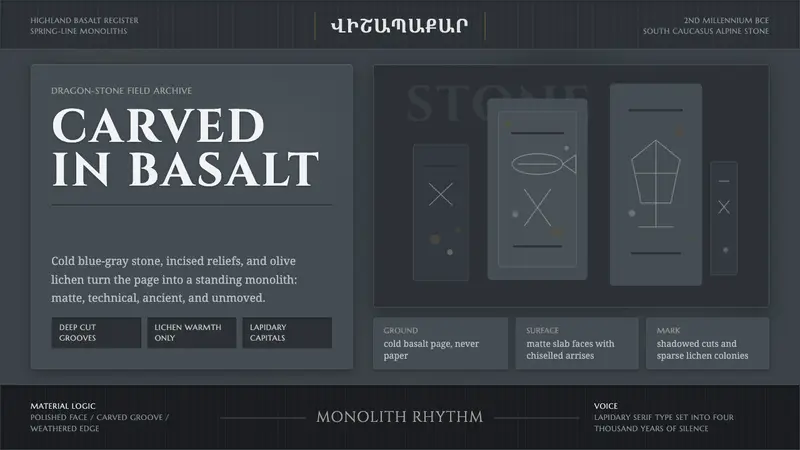 Armenian Vishapakar Dragon StoneAncient, cold, unmoved. Basalt gray slabs, incised grooves, sparse olive lichen.
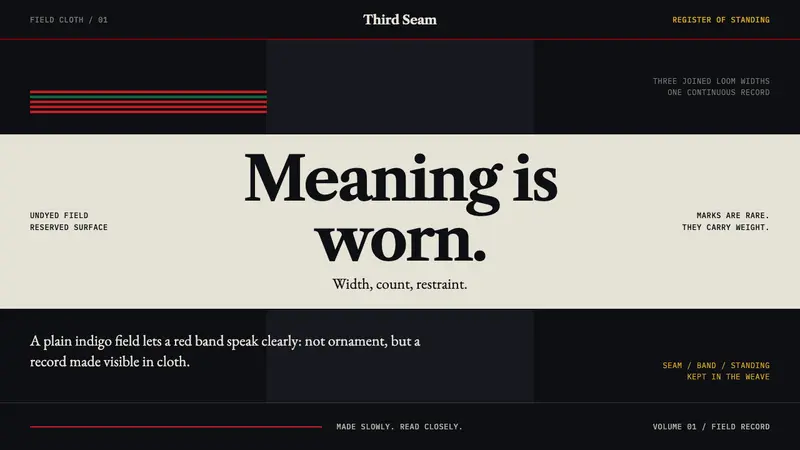 Naga Angami ShawlEvery stripe bears standing. Indigo seams frame rare red bands and one earned undyed field.
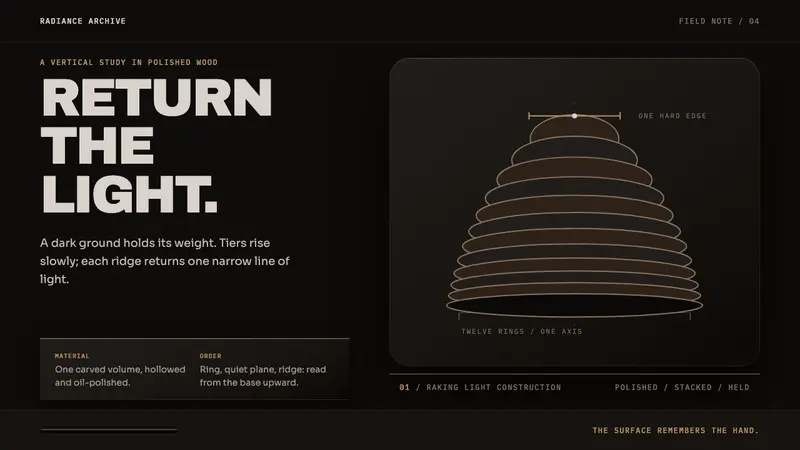 Sowei Helmet MaskLight is earned, not spread. Blue-black tiers and hard ridge highlights hold the screen.