About Naga Angami Shawl
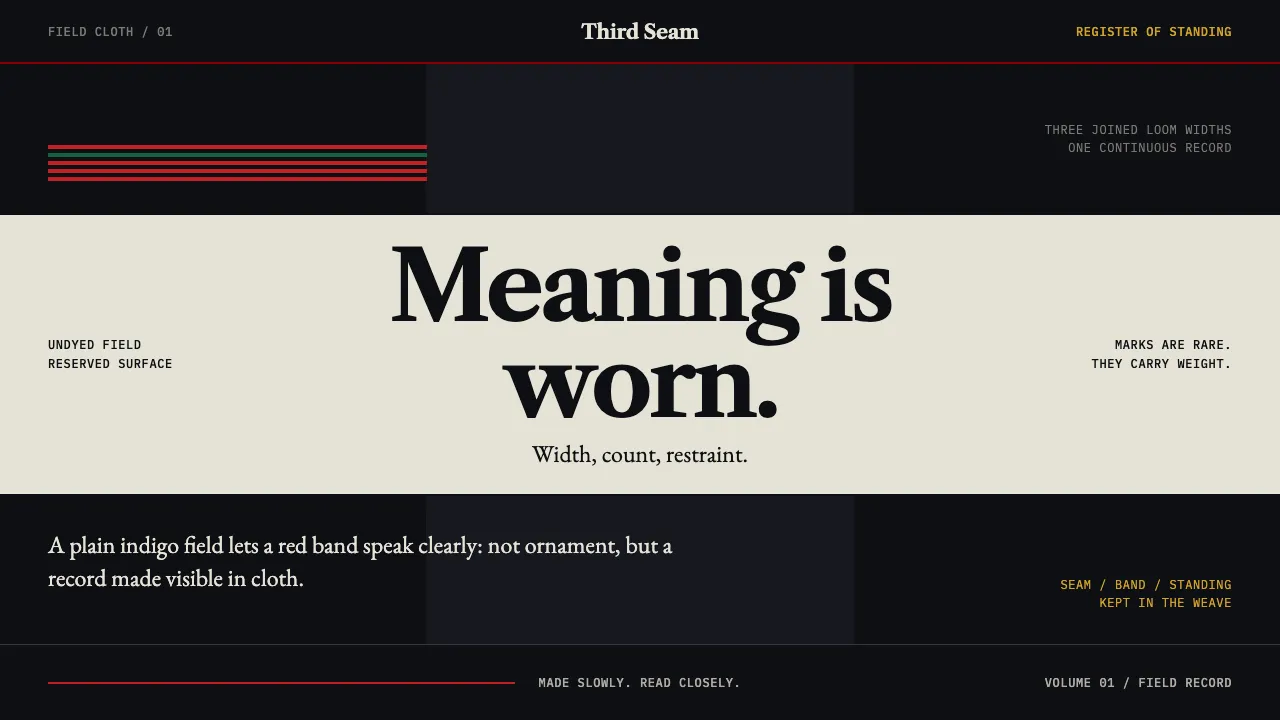
An Angami shawl is woven in three narrow strips on a backstrap loom and seamed into one dense indigo-black cloth — about ten hours of work for every twenty-five inches of strip. Broad red and green bands sit near the borders of the men's Lohe; the women's Loramhoushü carries handpicked black motifs between black and red stripes.
Nothing about that arrangement is free. Band width and stripe count encode age, marital status and elder standing, and only a man who has earned it may wear the undyed white centre strip painted in black with mithun, tiger, elephant, spear and human heads. The design system inherits that rule: a plain field, rare marks, and every stripe meaning something.
- Origin
- Naga Hills, Nagaland, north-east India
- Era
- pre-1900 weaving tradition; documented 1900s–1920s colonial ethnography; worn continuously since
- Key figures
- J. H. Hutton · R. G. Woodthorpe
- Movements
- Naga loin-loom weaving · indigo and Athuo plant dyeing · painted median-band shawls of the Naga region
Naga Angami Shawl design spec
Colors
Typography
The other 11 sections — buttons, cards, spacing, motion, techniques and more — open once you unlock. Download the DESIGN.md or send it to your AI in one click. Unlock once, yours forever.
Sign up nowStyles similar to Naga Angami Shawl
Also inspired by crafts & folk art, with a close feel.
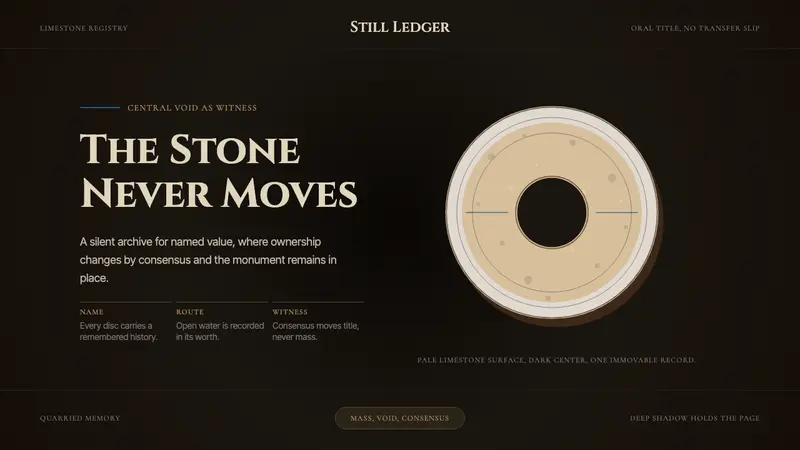 Yapese Stone Money (Micronesia)Monumental stillness. Limestone type and one circular void sit inside warm black shadow.
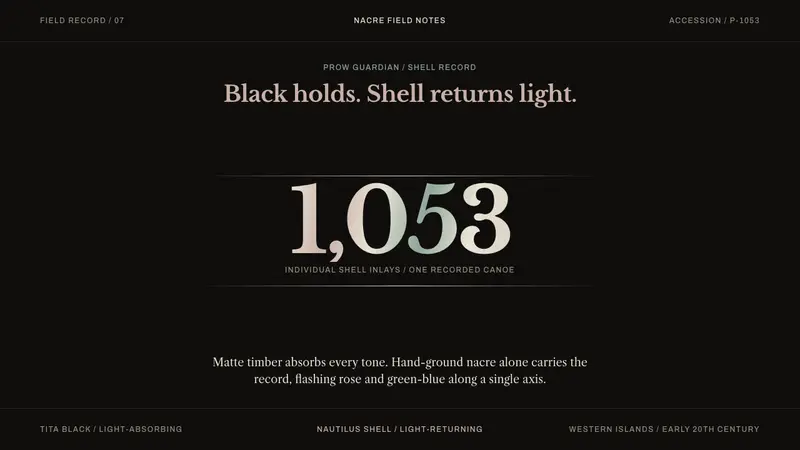 Solomon Islands NguzunguzuBlack swallows light; nacre gives it back. Rose and green-blue flashes hold a strict central axis.
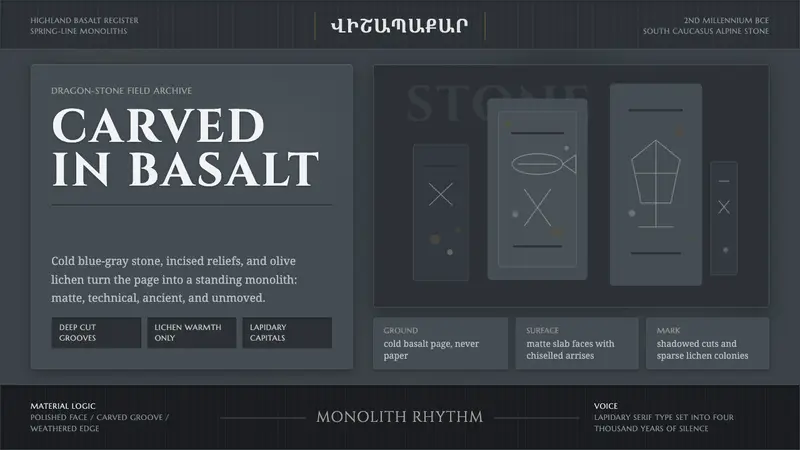 Armenian Vishapakar Dragon StoneAncient, cold, unmoved. Basalt gray slabs, incised grooves, sparse olive lichen.
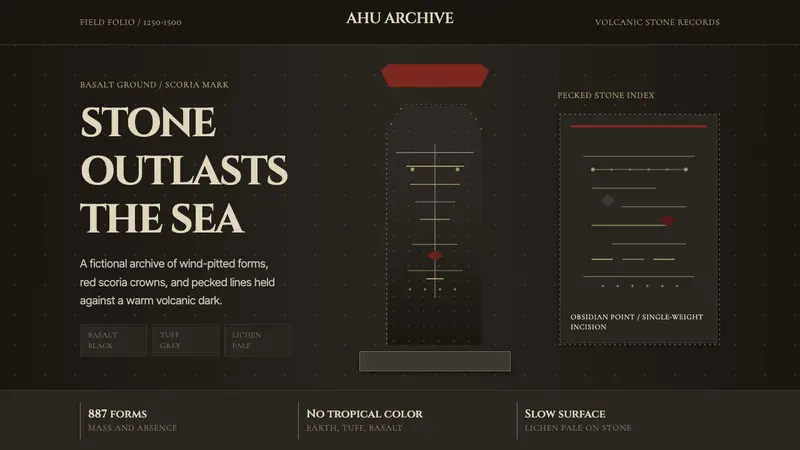 Rapa Nui Moai PetroglyphMonumental sparseness. Basalt black, scoria red, and pecked-dot borders hold the silence.