About Herero Victorian Dress (Namibia)
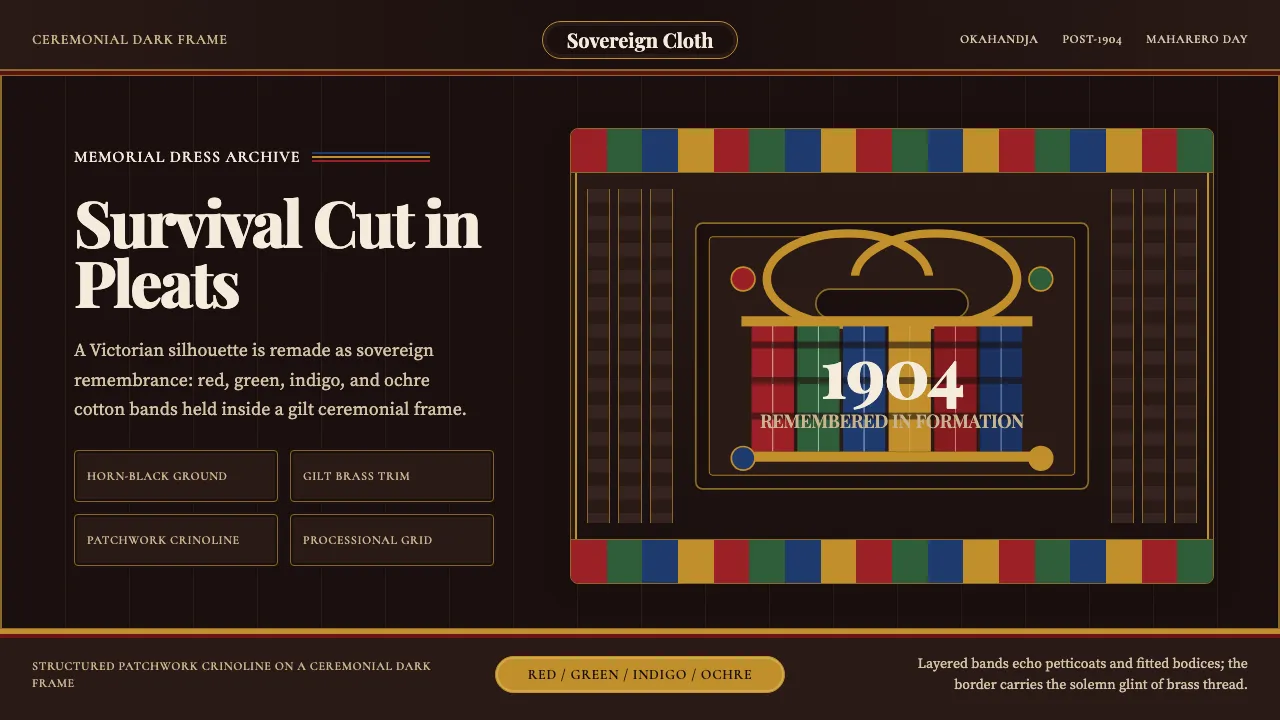
The Herero Victorian dress is an act of style as survival. After the 1904–1908 genocide, Herero women transformed the German missionary wife's silhouette into a sovereign memorial costume — floor-length crinoline, leg-of-mutton sleeves, and the iconic horn-shaped otjikaiva hat honouring cattle.
Every Sunday and on Maharero Day, women parade through Okahandja in formations of red, green, indigo, and ochre. The design system channels that structured patchwork drama onto a ceremonial dark frame, using gilt brass accents and fabric-strip borders to evoke the layered petticoats and fitted bodices of the most photographed dress tradition in southern Africa.
- Origin
- Namibia (Okahandja, Windhoek)
- Era
- post-1904 (after Herero-German genocide); annual Maharero Day parade since 1923
- Key figures
- Samuel Maharero · Jim Naughten · Vekuii Rukoro · Hildi Hendrickson
- Movements
- post-genocide memorial dress · southern African women's adaptive fashion · mission-era cotton textile uptake
Herero Victorian Dress (Namibia) design spec
Colors
Typography
The other 11 sections — buttons, cards, spacing, motion, techniques and more — open once you unlock. Download the DESIGN.md or send it to your AI in one click. Unlock once, yours forever.
Sign up nowStyles similar to Herero Victorian Dress (Namibia)
Also inspired by crafts & folk art, with a close feel.
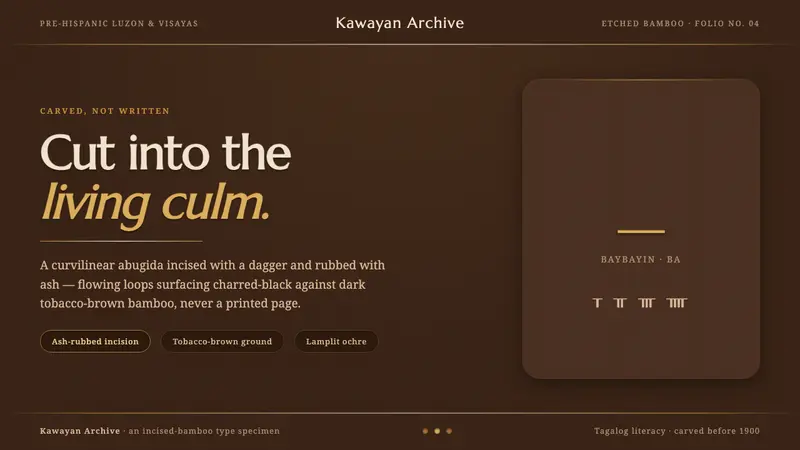 Baybayin ScriptCarved, not written. Curvilinear baybayin ash-rubbed into tobacco-brown bamboo, charred-black loops.
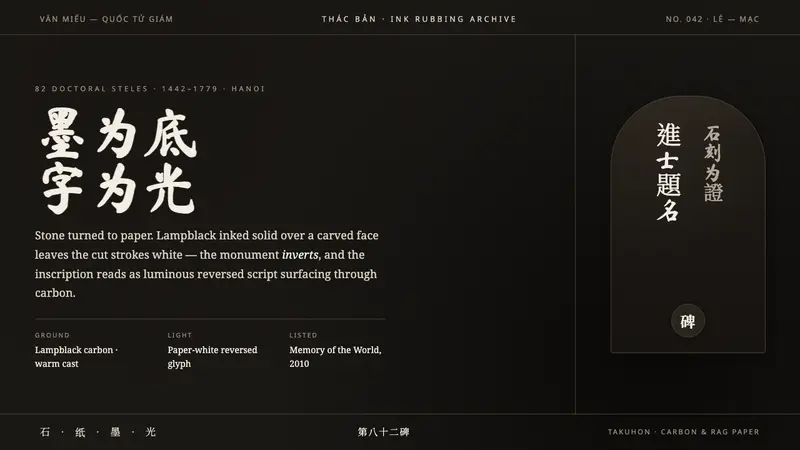 Vietnamese Stele RubbingStone turned to paper. Lampblack ground, ghost-white carved Han glyphs surfacing as reversed light.
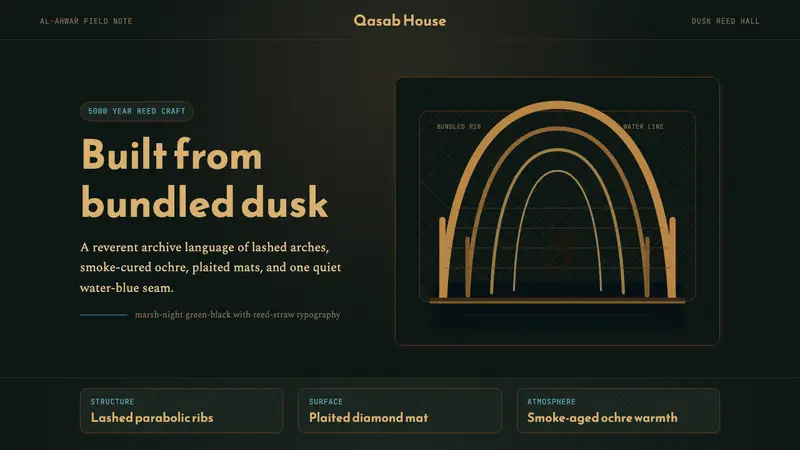 Iraqi Marsh Arab Mudhif ReedReverent reed darkness. Kufi arches, ochre lattice, and one water-blue line hold dusk.
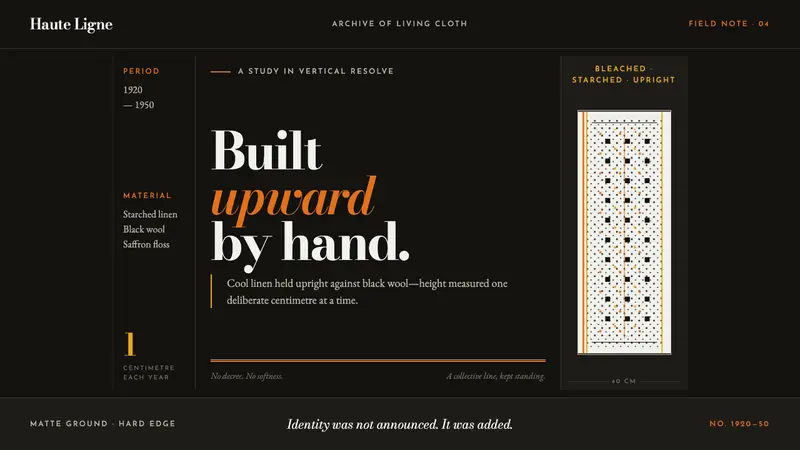 Bigouden CoiffeIdentity stands tall. Starched linen rises over matte black, edged in saffron thread.