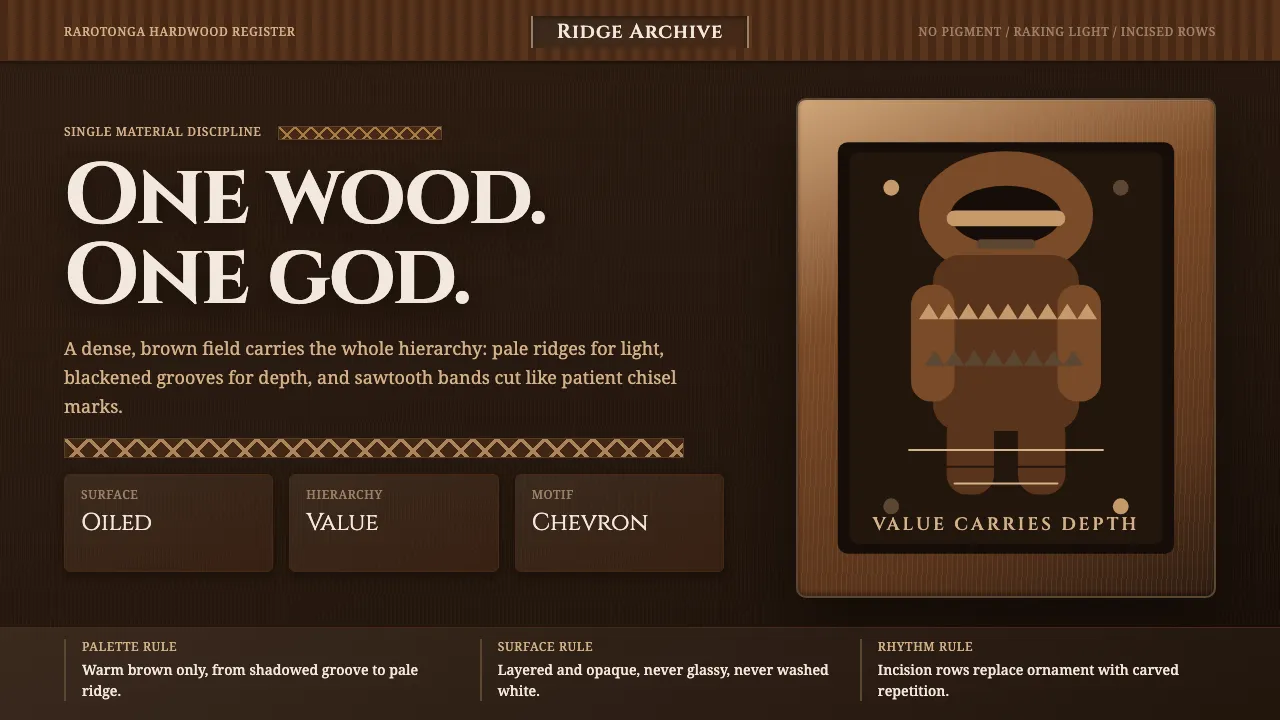
About Cook Islands Tangaroa Carving
Before 1900, ta'unga master carvers on Rarotonga and Aitutaki cut Tangaroa fisherman-god figures from dense island hardwoods — tamanu, hibiscus, ironwood — using the squatting, broad-headed atua form as a vessel for lineage and ritual power. Every surface was left in the wood's own tone: no pigment, no whitewash, only oiled grain catching light along incised sawtooth rows. This system translates that single-material discipline into interface terms: one warm brown hue family carrying every layer of hierarchy through value alone, sawtooth-row texture as a structural motif, and raking-light highlights standing in for elevation.
- Origin
- Cook Islands — Rarotonga and Aitutaki, central Pacific / Oceania
- Era
- pre-1900; traditional Polynesian ritual carving, visual language read as continuous through present-day Cook Islands carving practice
- Key figures
- ta'unga (specialist carver-priests) · Tangaroa (god of the sea and fishing, subject of the figure)
- Movements
- Cook Islands / Polynesian atua figure carving
Cook Islands Tangaroa Carving design spec
Colors
Typography
The other 11 sections — buttons, cards, spacing, motion, techniques and more — open once you unlock. Download the DESIGN.md or send it to your AI in one click. Unlock once, yours forever.
Sign up nowStyles similar to Cook Islands Tangaroa Carving
Also inspired by crafts & folk art, with a close feel.
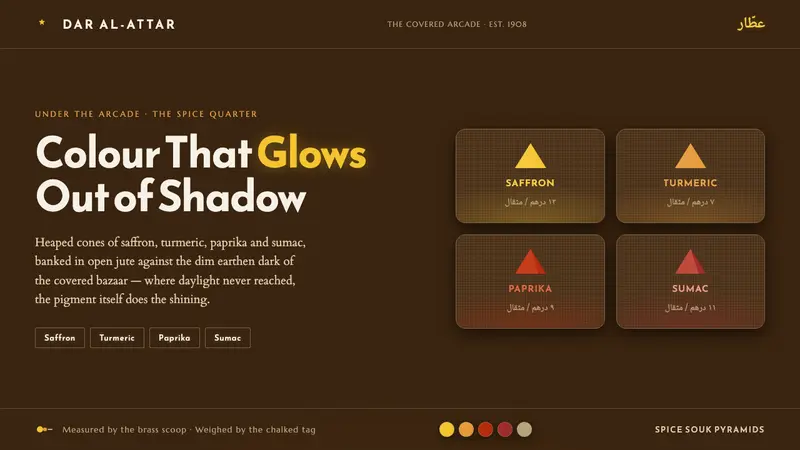 Spice Souk Market PyramidsColour glows out of shadow. Saffron-paprika-sumac heaps on dim earthen brown, Reem Kufi chalk tags.
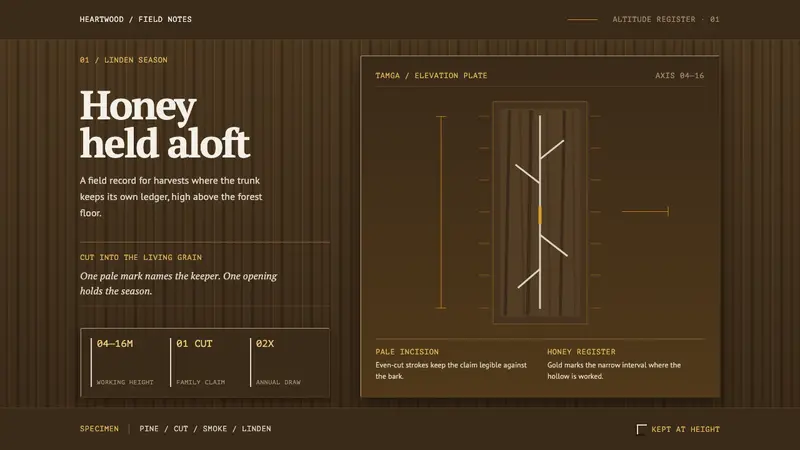 Bashkir Wild HoneyA working forest held on one axis. Pale tamga cuts and honey gold rise through deep bark.
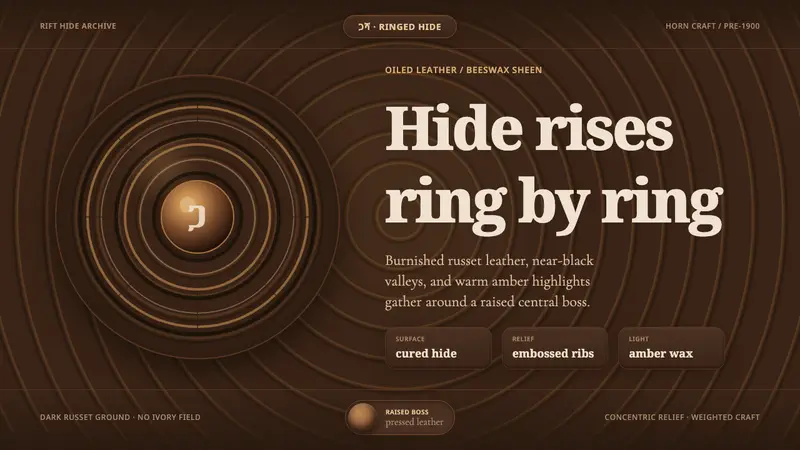 Ethiopian Hide ShieldDark hide speaks in relief. Russet rings and amber beeswax light rise from near-black leather.
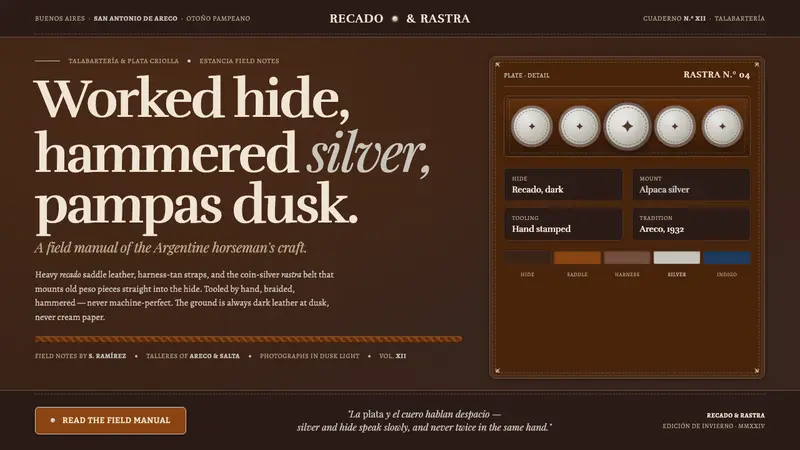 Gaucho LeatherHand-worked horseman craft. Dark recado leather, harness tan, coin-silver rastras at pampas dusk.