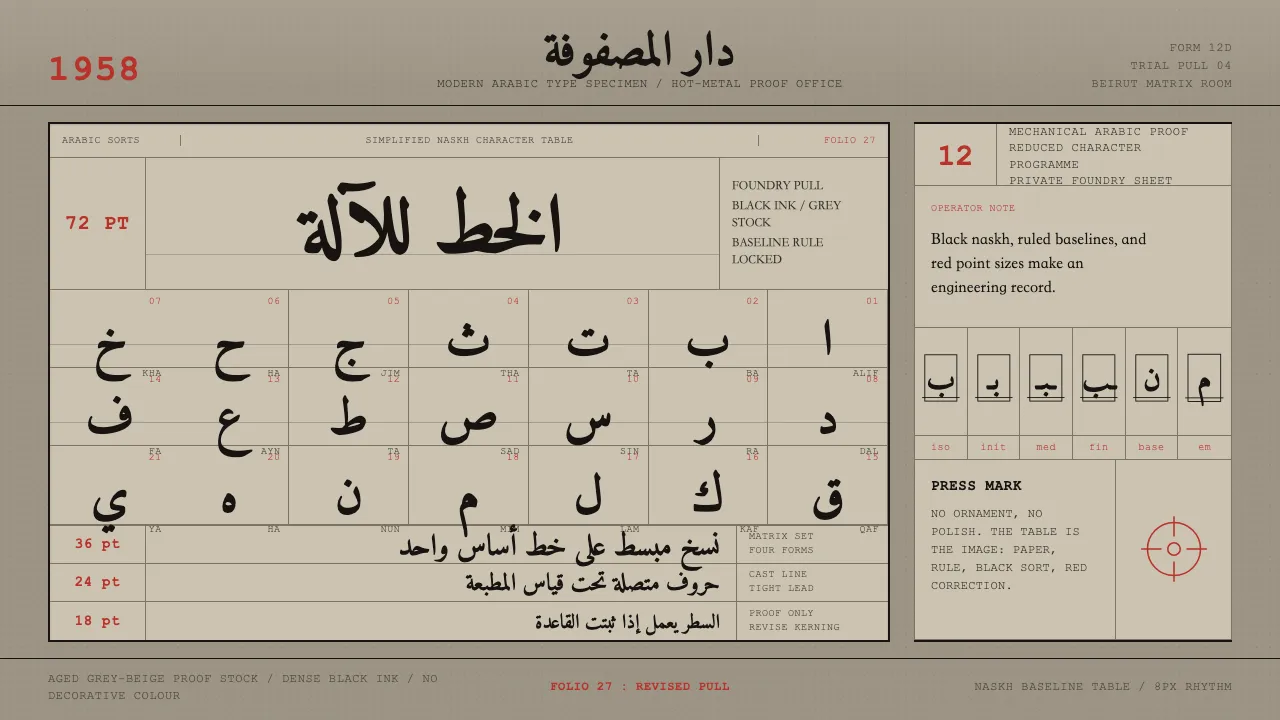
About Modern Arabic Type Specimen
Modern Arabic Type Specimen revives the hot-metal proof sheets of the late 1950s, when Linotype's Simplified Arabic (Yakout) and Monotype's Traditional Arabic mechanised a script that had resisted the typesetting machine for a century. These are working documents: dense black naskh struck onto warm grey-beige proof paper, organised into gridded letterform tables, size-and-style specimen rows, and baseline rules.
The system is deliberately austere and near-monochrome — black ink, aged proof stock, and red folio and point-size numerals are the only voices. It is the typography of the engineer and the punchcutter, not the marketer: dry, technical, and reverent of the naskh letterform.
- Origin
- Middle East / pan-Arab printing
- Era
- 1956–1958 (Linotype 12D Simplified Arabic under development April 1957; Monotype Series 589 Traditional Arabic, 1956)
- Key figures
- Linotype/Intertype Arabic developers · Monotype Series 589 (Traditional Arabic) team · Simplified Arabic (Yakout) engineers
- Movements
- Industrial type founding · Simplified-naskh modernisation · Hot-metal composition
Modern Arabic Type Specimen design spec
Colors
Typography
The other 11 sections — buttons, cards, spacing, motion, techniques and more — open once you unlock. Download the DESIGN.md or send it to your AI in one click. Unlock once, yours forever.
Sign up nowStyles similar to Modern Arabic Type Specimen
Also inspired by print & type, with a close feel.
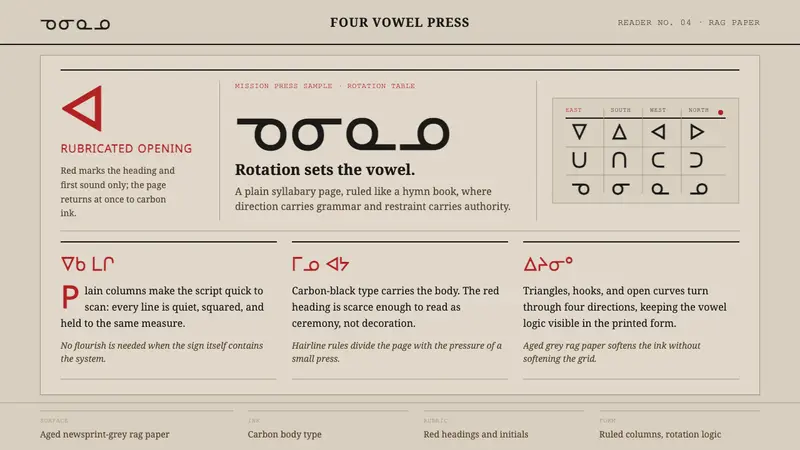 Cree SyllabicsPlain ink has authority. Carbon columns and red rubrication sit on rag-grey paper.
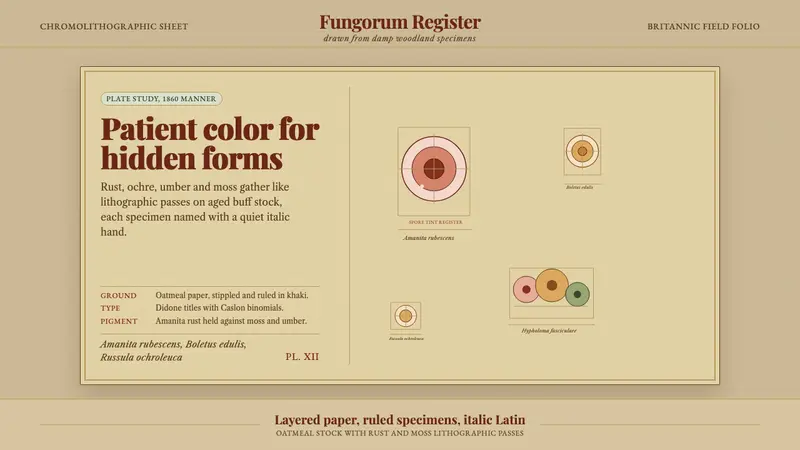 Victorian Mycology PlatePatient field science. Rust and moss specimens sit on stippled buff paper with italic Latin.
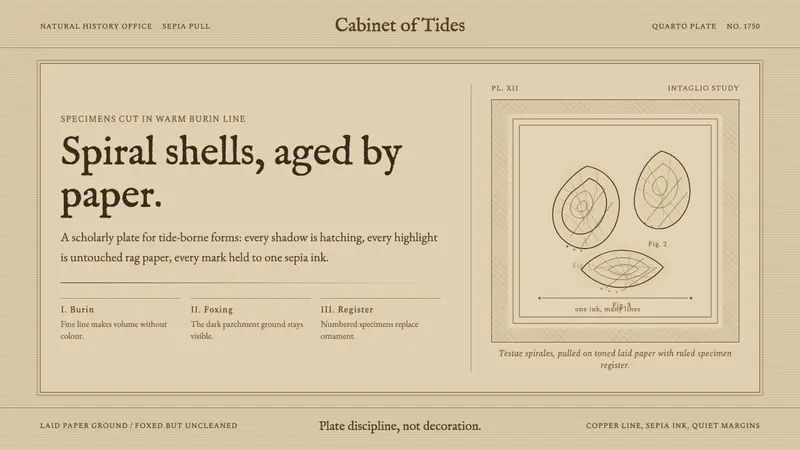 Conchology Shell PlateAged paper is the hero. Sepia Fell type and burin spirals make science feel antique.
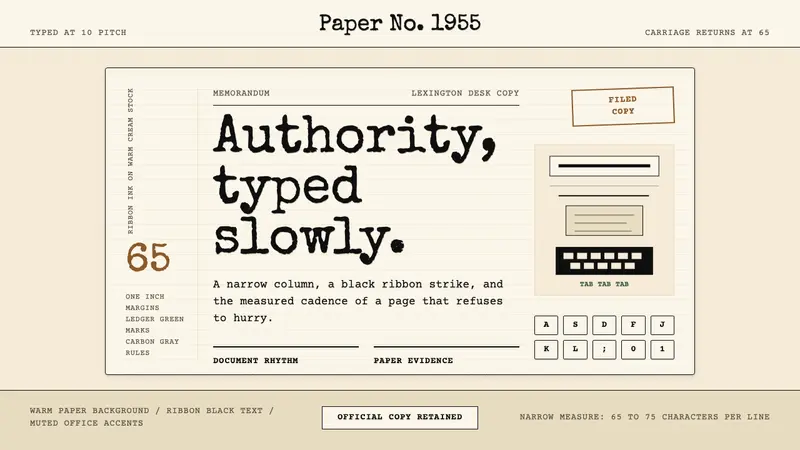 Typewriter Courier (1955)Unhurried authority. Cream paper, ribbon-black monospace, and bordered 65-character rhythm.