About Calder Mobile
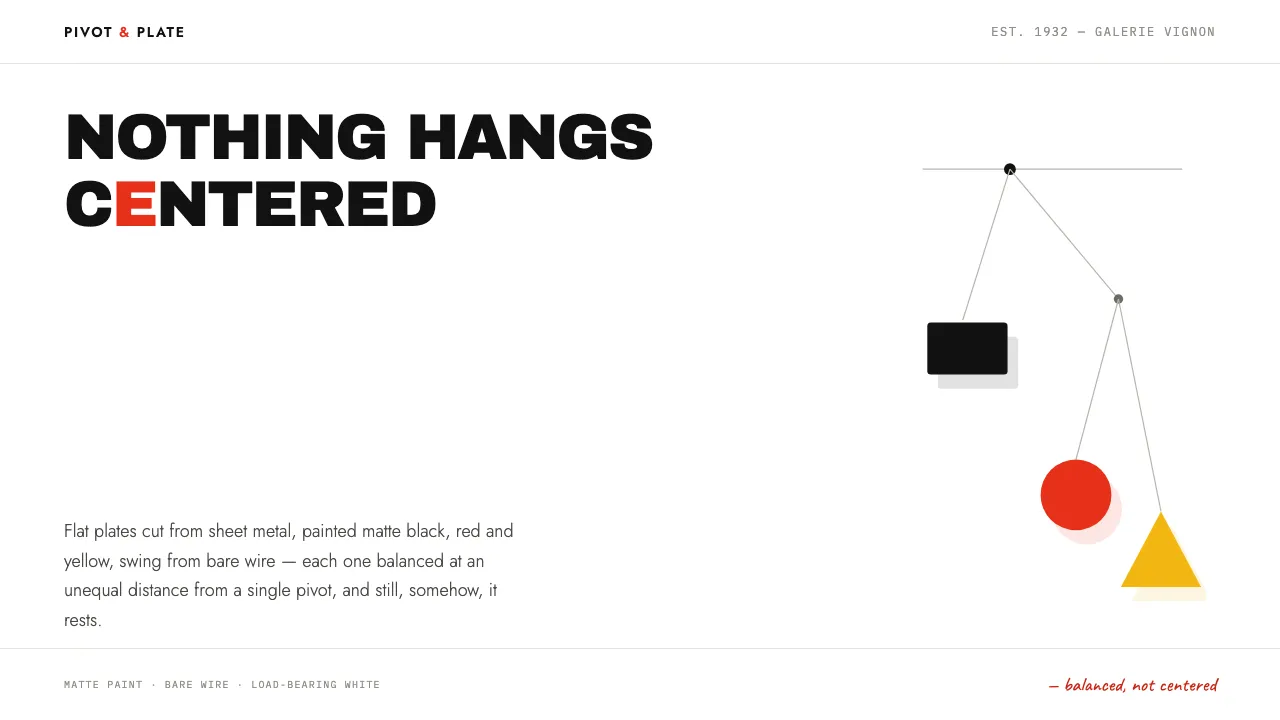
Calder cut shapes from sheet metal, painted them matte, and hung them from bare wire so the air would do the rest. Duchamp called them mobiles in 1932. Nothing is centred: every weight hangs at an unequal distance from one pivot, and the whole thing still rests.
So this system treats the white wall as structure, not emptiness. Shapes are flat fills with a cut edge. Rules are hairline wire. Shadows are hard-edged plates sitting at a distance from the object that casts them, because that travelling shadow on plaster was always part of the work.
- Origin
- Paris, France and Roxbury, Connecticut, United States
- Era
- 1931–1932 Paris (first mobiles, Galerie Vignon, February 1932); vocabulary carried into the 1960s–70s stabiles
- Key figures
- Alexander Calder · Marcel Duchamp · Jean Arp · Piet Mondrian
- Movements
- kinetic sculpture · Abstraction-Création · Neo-Plasticism
Calder Mobile design spec
Colors
Typography
The other 11 sections — buttons, cards, spacing, motion, techniques and more — open once you unlock. Download the DESIGN.md or send it to your AI in one click. Unlock once, yours forever.
Sign up nowStyles similar to Calder Mobile
Also inspired by art & artists, with a close feel.
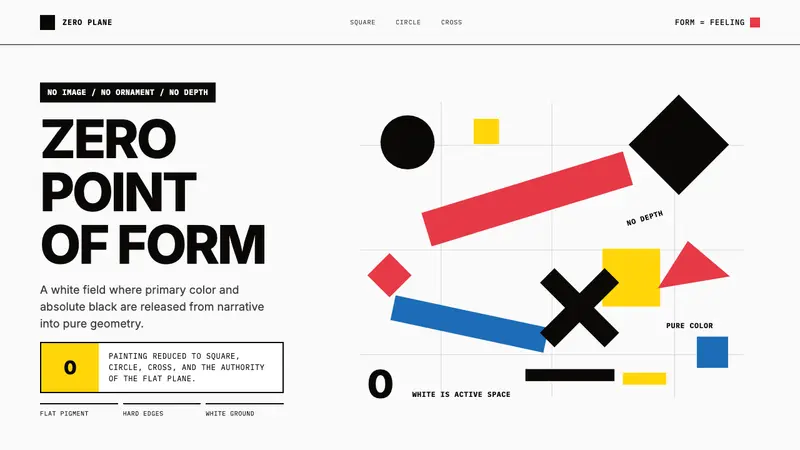 Malevich SuprematismGeometry declares zero. Red, yellow, blue and black blocks float on active white.
 Photogram RayographLight is the subject. Ghost-white silhouettes and silver halation float on inky darkroom black.
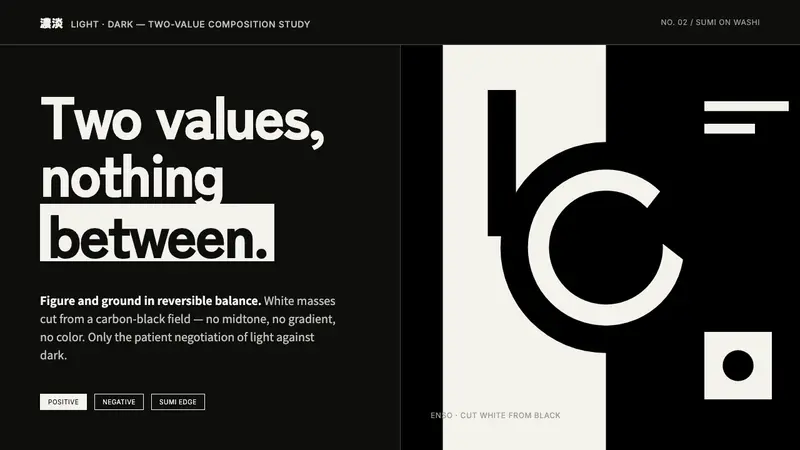 Notan Light-DarkTwo values, nothing between. White masses cut from a carbon-black field, figure-ground reversing.
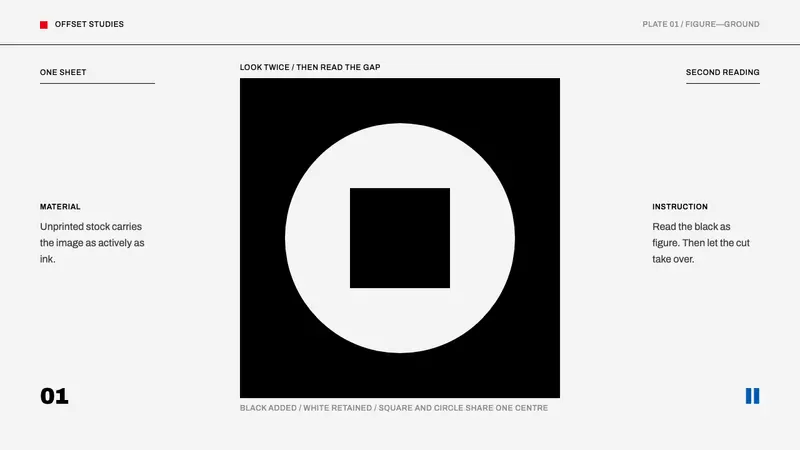 Shigeo Fukuda OpticalOne ink, two readings. Black geometry and a white cut make the sheet do half the work.