About Iñupiat Parka
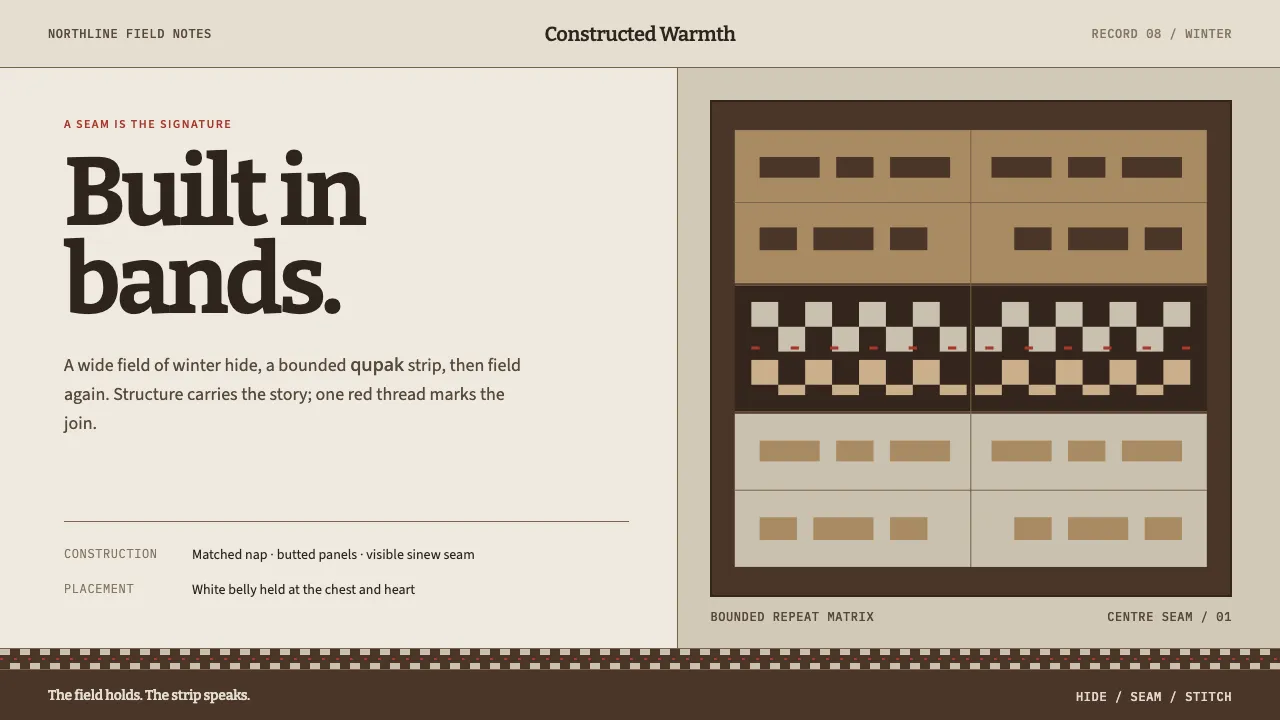
An atigi is not decorated — it is assembled. Panels of caribou and reindeer hide are seamed into a garment that reads as a layout: a wide field, a narrow pieced strip, a field again. White belly fur is set deliberately over the chest and heart. The hood ruff is engineered in three layers, wolverine inward, then wolf belly, then wolf back.
The qupak band at hem, cuff and yoke is the signature. Its small hard-edged repeats — steps, blocks, alternating tabs mirrored about a centre seam — name the seamstress and her region to anyone who can read them. This system inherits that logic: banded structure, visible seams, and one thread of trade-wool red pierced through the trim.
- Origin
- Northwest Alaska and the Seward Peninsula; Nunamiut inland caribou country; Bering Strait trade routes
- Era
- pre-1900; sun-bleached-strip qupak of the 1870s–80s, elaborating rapidly after reindeer reached the Seward Peninsula in 1892
- Key figures
- Iñupiaq seamstresses whose trim patterns identify them · Smithsonian Arctic Studies Center · National Park Service Nunamiut skin-clothing record
- Movements
- Arctic skin sewing and fur inlay · Bering Strait trade in white reindeer hide · Chukchi–Iñupiat exchange
Iñupiat Parka design spec
Colors
Typography
The other 11 sections — buttons, cards, spacing, motion, techniques and more — open once you unlock. Download the DESIGN.md or send it to your AI in one click. Unlock once, yours forever.
Sign up nowStyles similar to Iñupiat Parka
Also inspired by crafts & folk art, with a close feel.
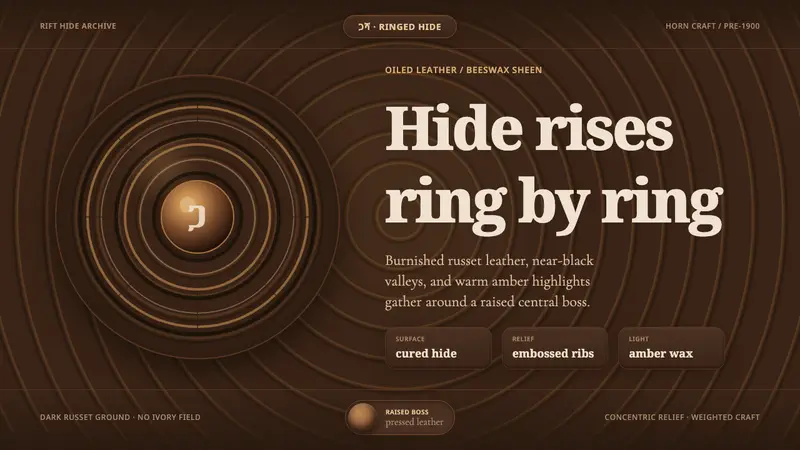 Ethiopian Hide ShieldDark hide speaks in relief. Russet rings and amber beeswax light rise from near-black leather.
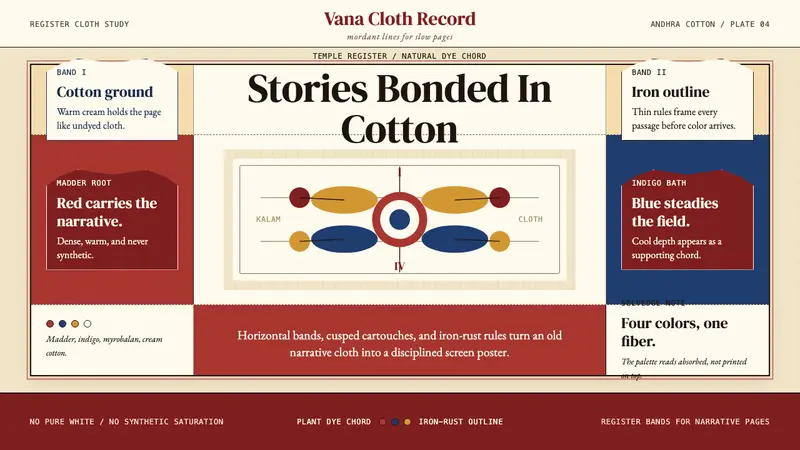 Kalamkari (Andhra Pradesh)Cloth becomes narrative. Madder bands, indigo panels, and iron rules stack like temple registers.
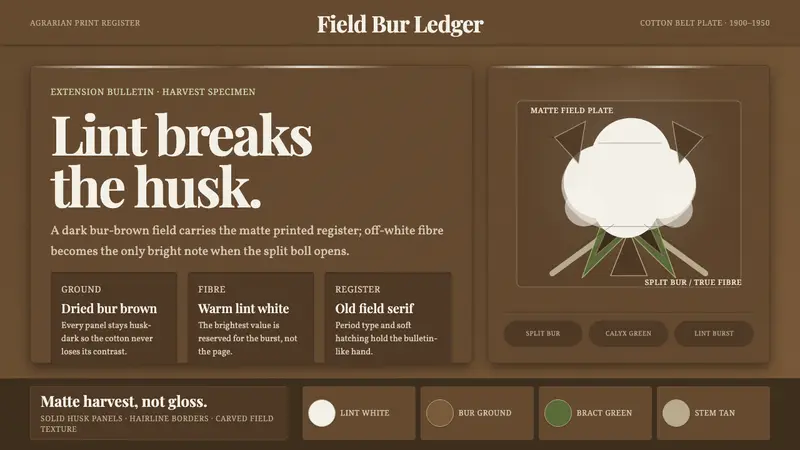 Cotton Boll HarvestHarvest contrast made matte. Off-white lint bursts from husk brown with field-serifs.
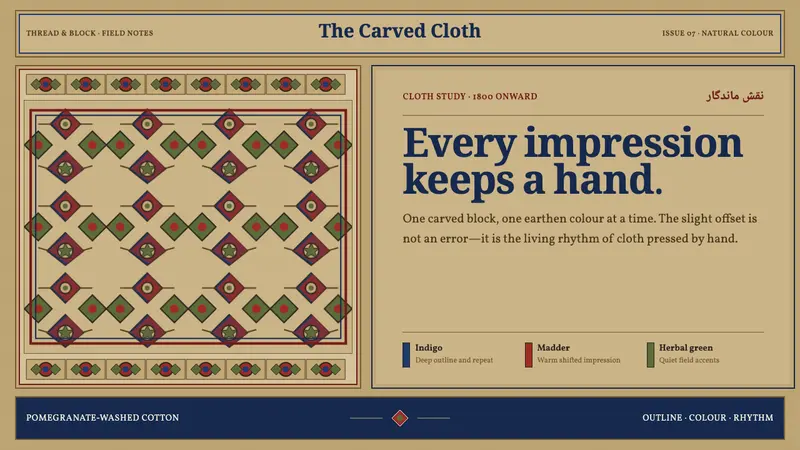 Isfahan Qalamkar PrintEvery impression keeps a hand. Indigo and madder repeats shift softly across pomegranate-tan cloth.