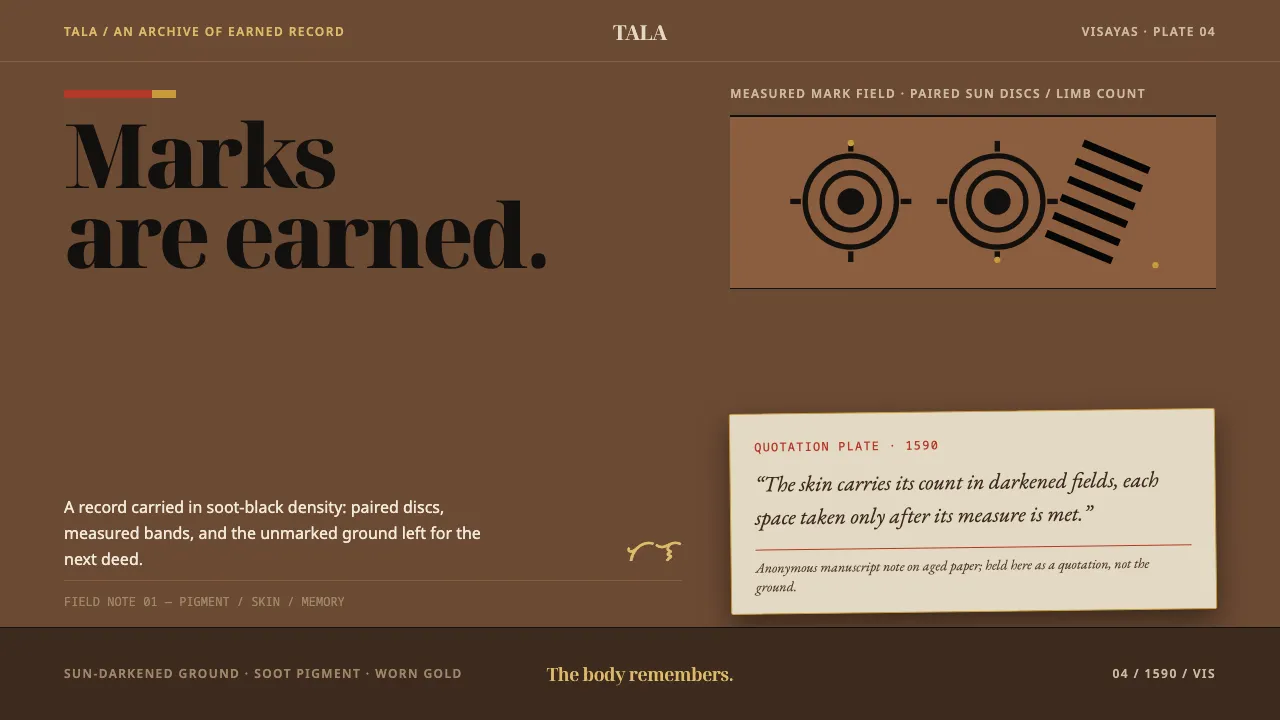
About Visayan Pintados
Spanish ships reached the Visayas and found warriors marked so densely they read the skin as printed cloth. The marks were soot pigment punctured into the dermis, healed to a blue-black that never lifts: sun discs paired across the chest and thighs, banded runs down arms and legs.
This system treats the page the same way. The ground is skin, not paper. Marks accumulate where deeds accumulate, so density is uneven and the composition stays asymmetric. The 1590 codex enters only as a quotation — a framed plate on aged paper, set inside the body, never covering it.
- Origin
- the Visayas, Philippines — Bohol, Cebu, Samar, Leyte
- Era
- pre-colonial Visayas into early Spanish contact; Boxer Codex dated 1590
- Key figures
- Charles Ralph Boxer · Luis Pérez Dasmariñas · Gómez Pérez Dasmariñas
- Movements
- Visayan batok / patok tattooing · Spanish colonial ethnographic illustration · Lilly Library manuscript tradition
Visayan Pintados design spec
Colors
Typography
The other 11 sections — buttons, cards, spacing, motion, techniques and more — open once you unlock. Download the DESIGN.md or send it to your AI in one click. Unlock once, yours forever.
Sign up nowStyles similar to Visayan Pintados
Also inspired by crafts & folk art, with a close feel.
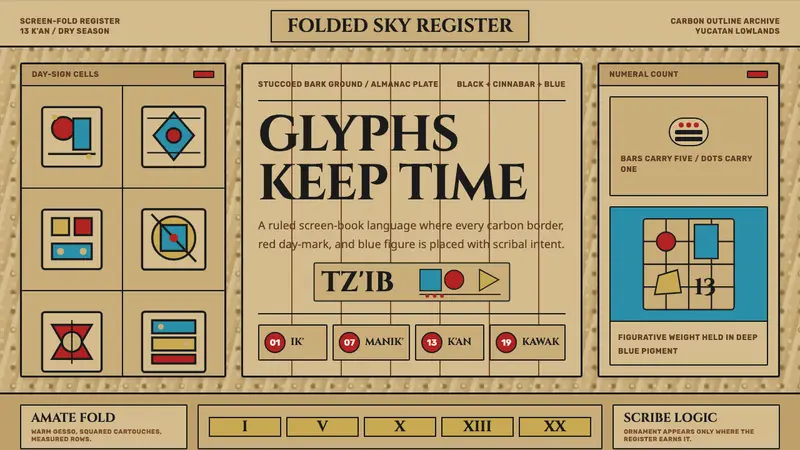 Maya Glyph CodexScribal authority on bark. Cinnabar, Maya Blue, and carbon rules lock into almanac panels.
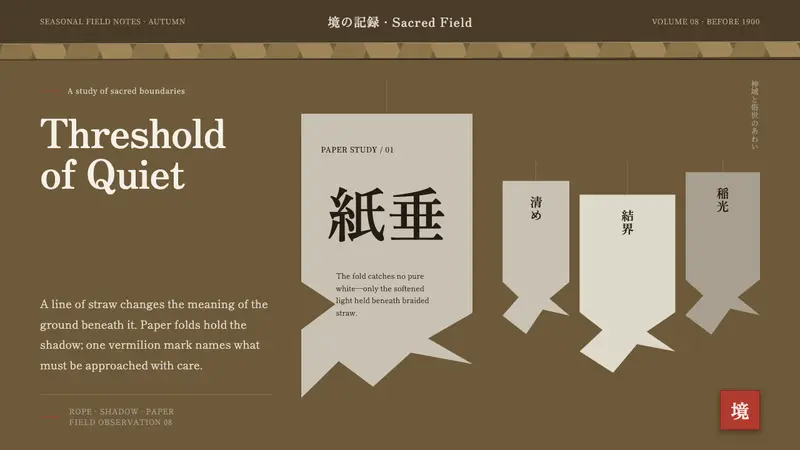 Shinto Shide Paper StreamerQuiet becomes sacred. Shadowed washi hangs from a straw-gold line, marked once in vermilion.
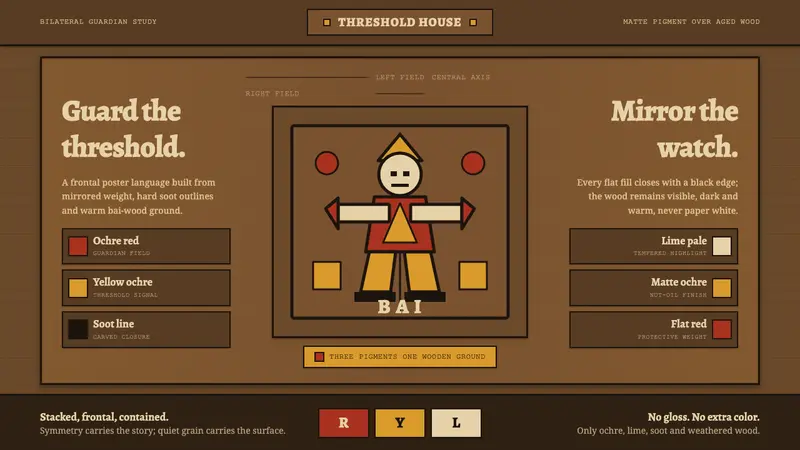 Palauan Dilukai Gable FigureGuardian symmetry on old wood. Ochre red, yellow and soot black lock each flat form.
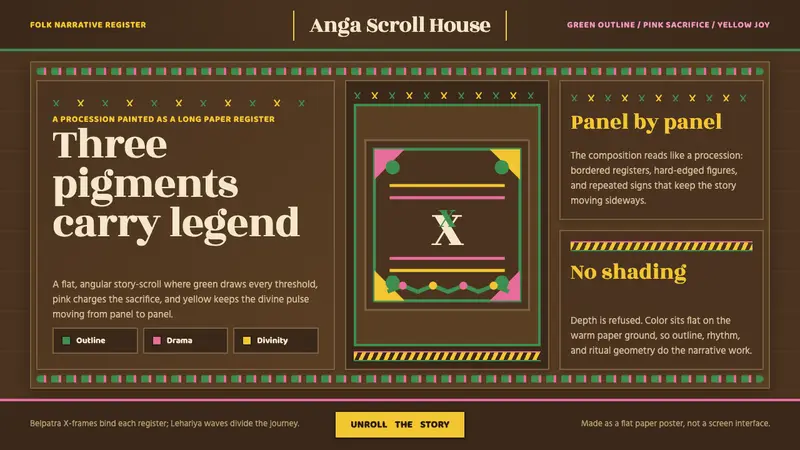 Manjusha Anga Snake-ScrollLegend moves in three pigments. Green outline, pink drama, yellow divinity on brown scroll paper.