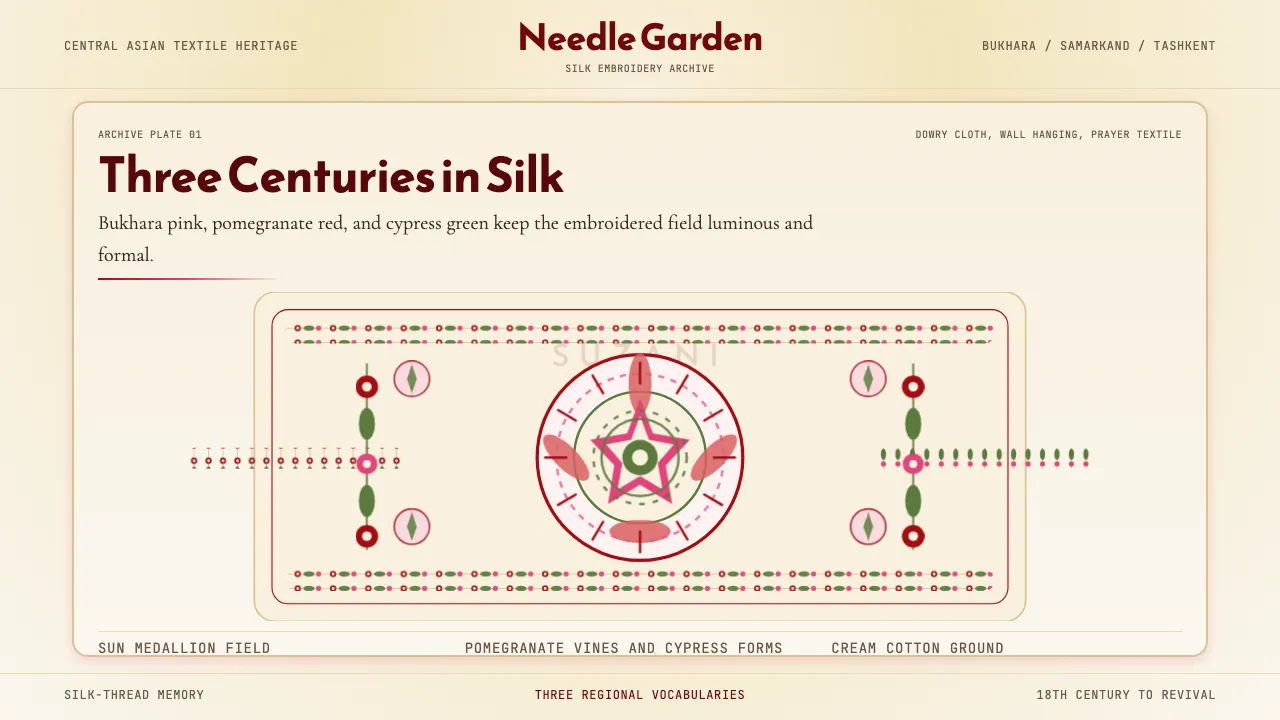
About Uzbek Suzani Textile
Suzani — "needle" in Persian — is the monumental silk-embroidered textile tradition of Central Asia, where Uzbek women have stitched sun-medallions, pomegranates, and vine borders into dowry cloths since the 18th century. This design system translates the Bukhara sun-pink, pomegranate red, and cypress green of authentic suzani embroidery into a warm, heritage-rich digital vocabulary built on cream cotton grounds and curvilinear ornament.
Each regional style — Bukhara's radiant medallions, Samarkand's cypress trees, Tashkent's pomegranate vines — informs the system's layered decorative language, balancing textile warmth with the dignity of three centuries of women's artistic labor.
- Origin
- Uzbekistan — Bukhara, Samarkand, Tashkent, Fergana Valley
- Era
- 18th century origins; peak 19th-c. production; post-Soviet revival 1990s–2024
- Key figures
- Anonymous Bukhara embroiderer women · Anonymous Samarkand embroiderer women · Madina Kasimbaeva · Uzbek Textile Heritage Foundation
- Movements
- Central Asian textile heritage · Post-Silk-Road decorative arts · Dowry-textile tradition · 21st-century artisan-revival
Uzbek Suzani Textile design spec
Colors
Typography
The other 11 sections — buttons, cards, spacing, motion, techniques and more — open once you unlock. Download the DESIGN.md or send it to your AI in one click. Unlock once, yours forever.
Sign up nowStyles similar to Uzbek Suzani Textile
Also inspired by crafts & folk art, with a close feel.
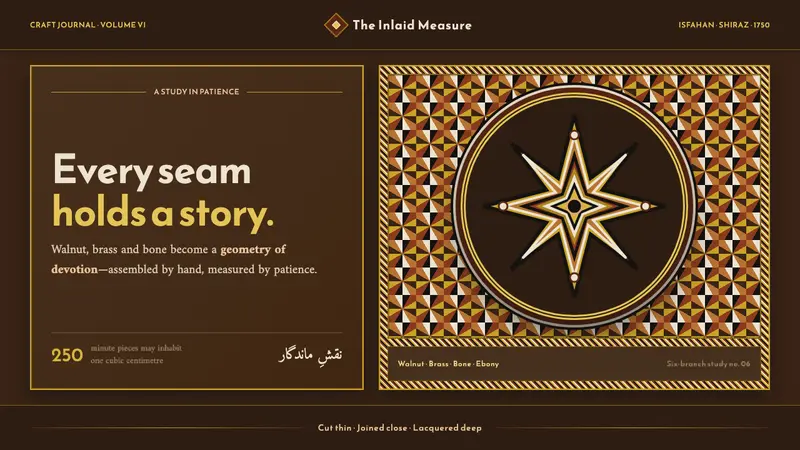 Persian Khatam MarquetryPatience becomes pattern. Brass-and-bone stars tessellate across lacquered walnut.
 English Saddlery TanQuiet hand-made luxury. Saddle tan leather, brass accents, and waxed-linen stitch lines.
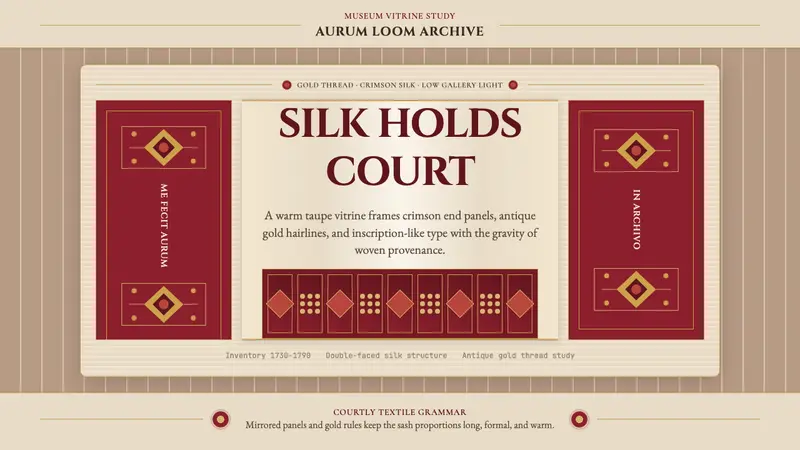 Belarusian Slutsk SashCourtly silk, vitrined. Taupe ground, crimson panels, Cinzel type, antique gold hairlines.
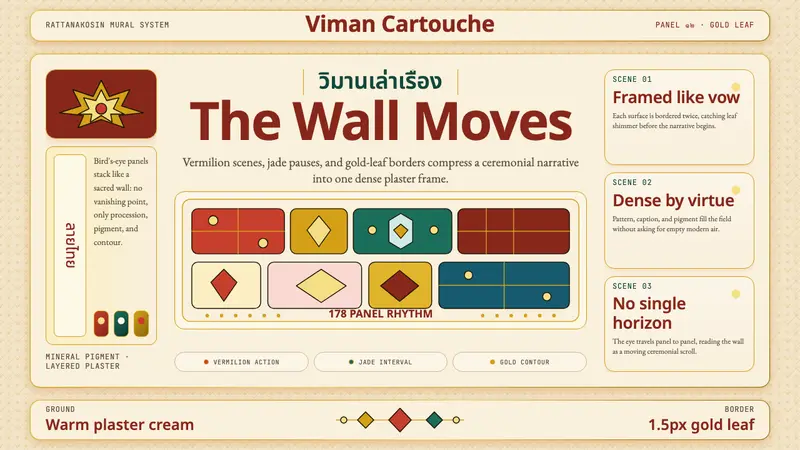 Thai Temple MuralDevotional density. Vermilion panels, plaster cream, and 1.5px gold borders make a moving wall.