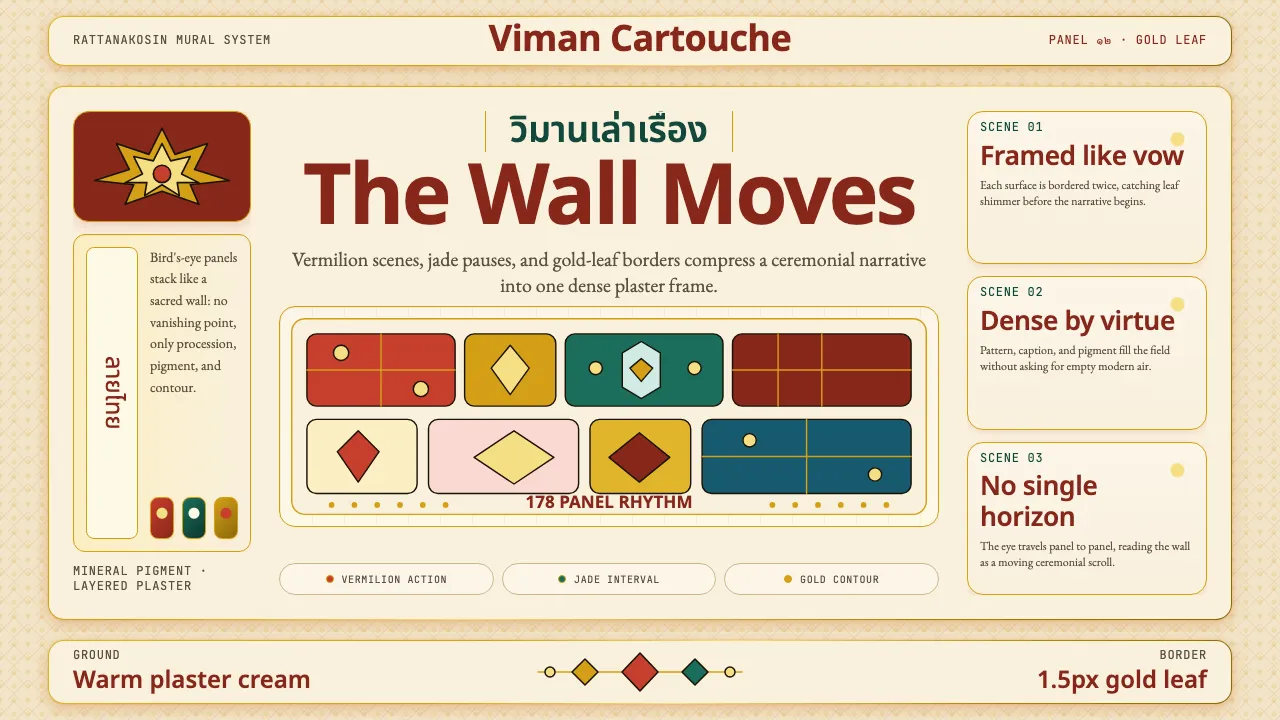
About Thai Temple Mural
Thai temple mural painting — exemplified by the 178-panel Ramakien cloister at Bangkok's Wat Phra Kaew and the Jataka cycles at Wat Pho — is Southeast Asia's densest narrative visual tradition. Vermilion and gold-leaf scenes of celestial palaces, garuda warriors, and naga serpent kings unfold in elevated bird's-eye perspective with no Western vanishing point.
This system translates that devotional density into UI: warm plaster-cream surfaces, 1.5px gold-leaf borders, vermilion primary actions, and Cormorant Display headers paired with Noto Sans Thai. Every panel reads like a mural fragment — framed, bordered, narratively charged.
- Origin
- Bangkok, Thailand (Wat Phra Kaew, Wat Pho, Wat Suthat); Chiang Mai Lanna murals
- Era
- 1782 (Rama I founds Bangkok / Rattanakosin period) – present; inherited from Ayutthaya-era mural traditions (1351–1767)
- Key figures
- Khrua In Khong · Chalermchai Kositpipat · Department of Fine Arts (Krom Silpakorn)
- Movements
- Rattanakosin royal mural painting · Lanna northern Thai mural tradition · Khmer-influenced classical scene-painting
Thai Temple Mural design spec
Colors
Typography
The other 11 sections — buttons, cards, spacing, motion, techniques and more — open once you unlock. Download the DESIGN.md or send it to your AI in one click. Unlock once, yours forever.
Sign up nowStyles similar to Thai Temple Mural
Also inspired by crafts & folk art, with a close feel.
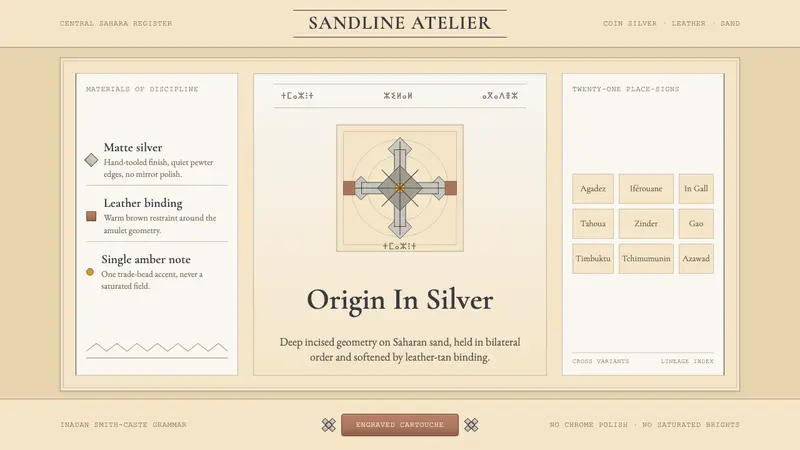 Tuareg Silver Jewelry (Sahara)Strict desert luxury. Matte silver geometry on Saharan sand, bound by leather-tan lines.
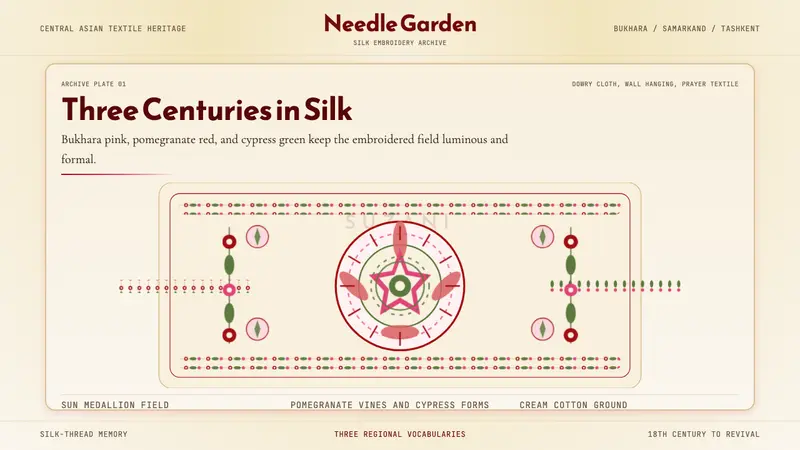 Uzbek Suzani TextileThree centuries in silk. Cream ground, pink medallions, vine borders, cypress green.
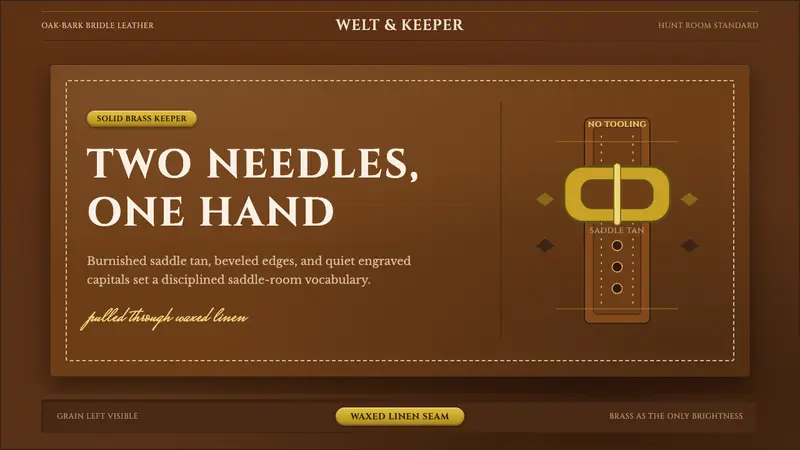 English Saddlery TanQuiet hand-made luxury. Saddle tan leather, brass accents, and waxed-linen stitch lines.
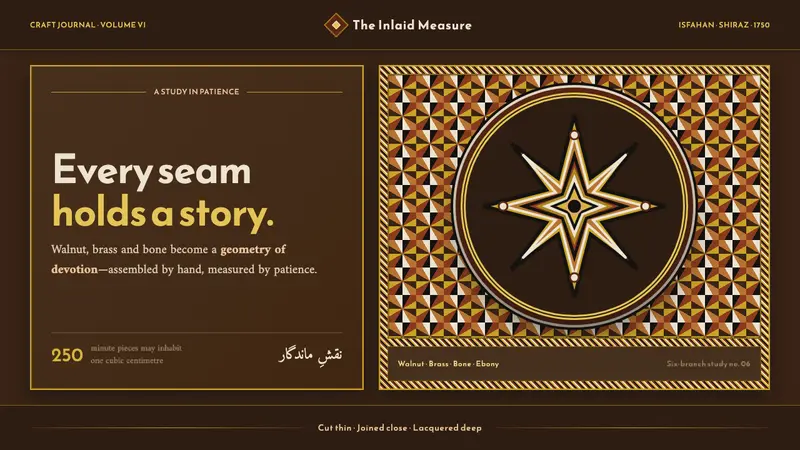 Persian Khatam MarquetryPatience becomes pattern. Brass-and-bone stars tessellate across lacquered walnut.