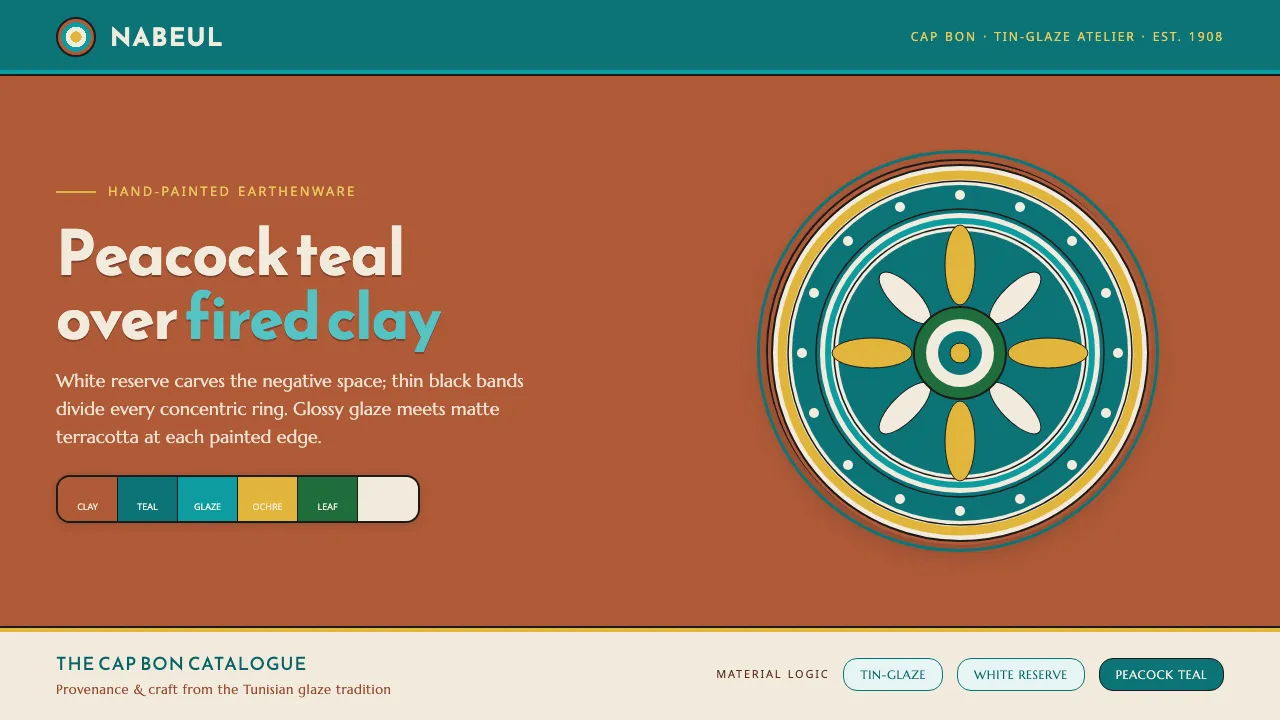
About Nabeul Ceramic Teal
Nabeul, on Tunisia's Cap Bon peninsula, is the country's pottery capital. Between 1900 and 1950 its workshops produced hand-painted tin-glazed earthenware plates and tiles, dominated by a peacock teal-cyan glaze with white reserve over a fired red-terracotta clay body.
This design system distills that craft into digital form — a warm terracotta ground, deep peacock teal fields, white reserve negative space, and concentric medallion bands divided by thin black lines. Foliage green and ochre yellow punctuate the arabesque fills.
- Origin
- Nabeul, Cap Bon peninsula, Tunisia
- Era
- 1900–1950 (Nabeul tin-glaze ceramic tradition)
- Key figures
- Nabeul master potters · Cap Bon glaze-painters · Moknine workshop artisans
- Movements
- Tunisian tin-glazed earthenware · Nabeul hand-painted pottery · Moknine ceramic tradition
Nabeul Ceramic Teal design spec
Colors
Typography
The other 11 sections — buttons, cards, spacing, motion, techniques and more — open once you unlock. Download the DESIGN.md or send it to your AI in one click. Unlock once, yours forever.
Sign up nowStyles similar to Nabeul Ceramic Teal
Also inspired by crafts & folk art, with a close feel.
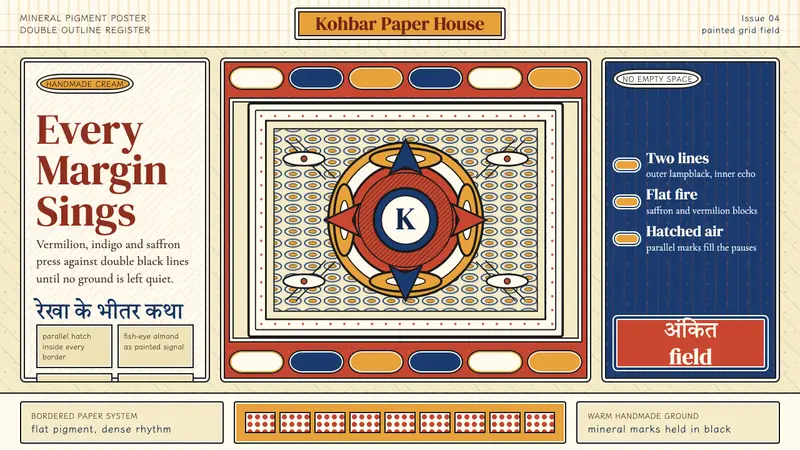 Madhubani (Mithila Folk Painting)No empty ground. Vermilion, indigo and saffron pack double-outlined panels with hatch.
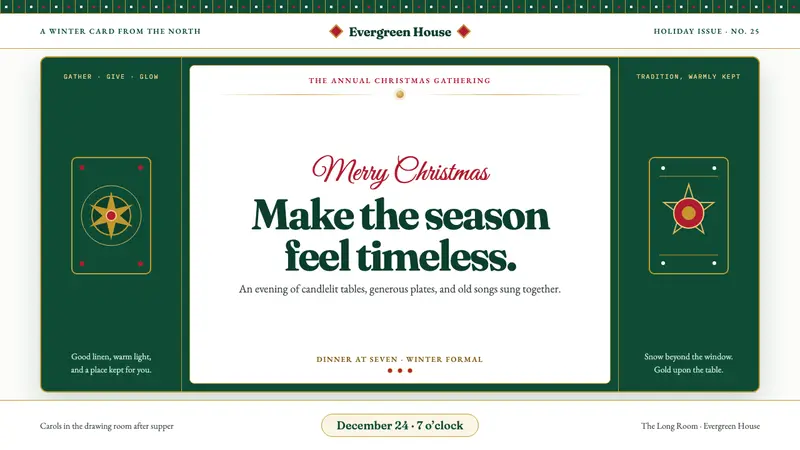 Christmas ClassicTradition glows warmly. Evergreen panels, berry-red notes and burnished-gold ornament frame snow white.
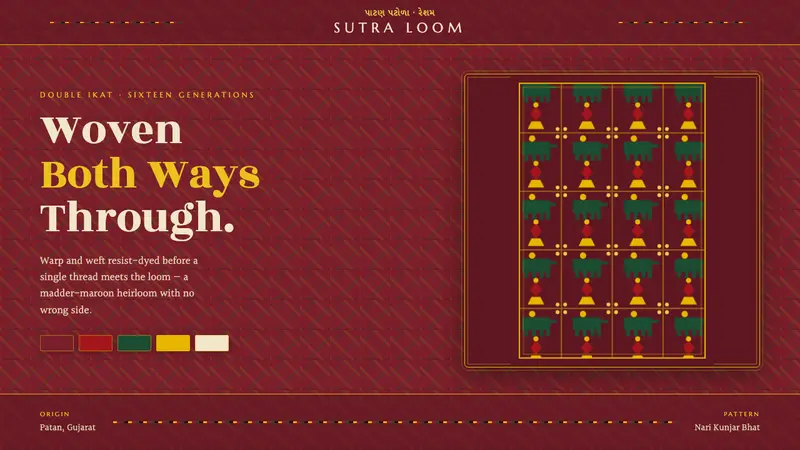 Patan Patola Double IkatReversible by design. Madder-maroon ground, a strict red-green-gold lattice, feathered ikat edges.
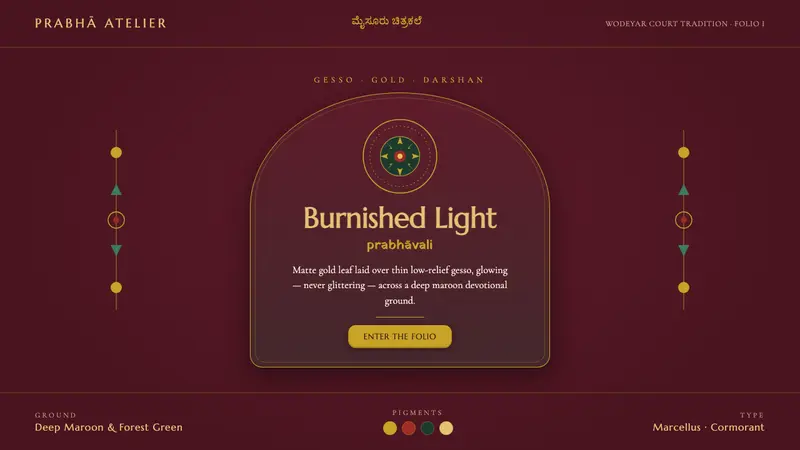 Mysore Gesso Gold PaintingGold that glows, never glitters. Matte burnished leaf over gesso on deep maroon devotional grounds.