About Toulouse-Lautrec Belle Époque
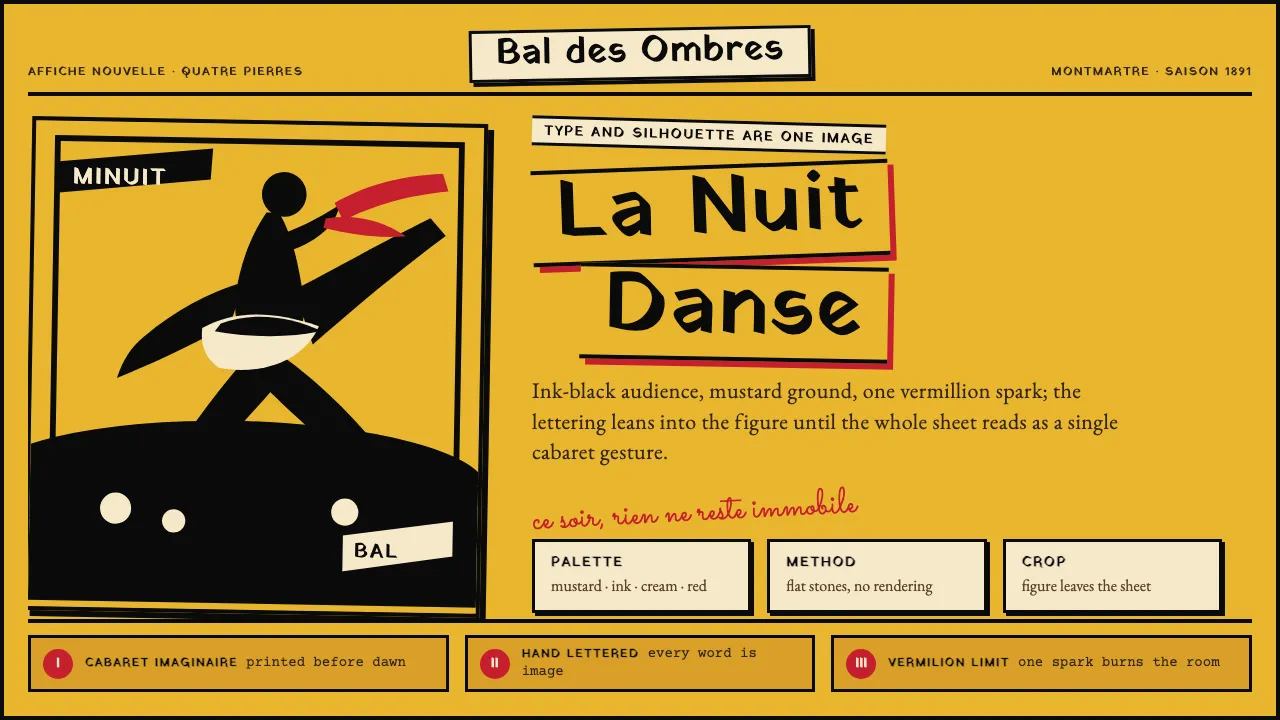
Toulouse-Lautrec's Belle Époque cabaret posters (1891–1900) are the founding works of modern advertising art. Chromolithographs for Moulin Rouge, Divan Japonais, and Folies-Bergère fused Japanese ukiyo-e composition with flat color zones and gestural ink-brush silhouettes — La Goulue kicking on a mustard ground, the audience a single black mass behind her, a vermillion ribbon the only spark of heat.
The visual language is strict: four colors maximum, no rendering, hand-painted display lettering integrated as image, bold cropping that pushes figures off the page. Type and silhouette are inseparable — the poster reads as one gestural object. The night is electric, the dance is everything.
- Origin
- Montmartre, Paris, France
- Era
- 1891 Moulin Rouge: La Goulue debut → 1900 Lautrec's career end; founding works of modern advertising art
- Key figures
- Henri de Toulouse-Lautrec · Jules Chéret · Théophile Steinlen · Pierre Bonnard
- Movements
- Belle Époque · Japonisme · Chromolithography
Toulouse-Lautrec Belle Époque design spec
Colors
Typography
The other 11 sections — buttons, cards, spacing, motion, techniques and more — open once you unlock. Download the DESIGN.md or send it to your AI in one click. Unlock once, yours forever.
Sign up nowStyles similar to Toulouse-Lautrec Belle Époque
Also inspired by art & artists, with a close feel.
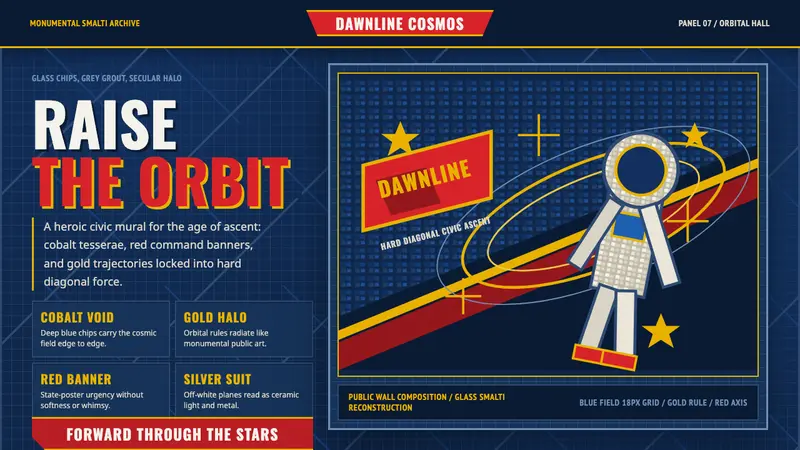 Soviet Cosmic MosaicMonumental and reverent. Cosmic-blue tesserae, red axis, gold orbital halo.
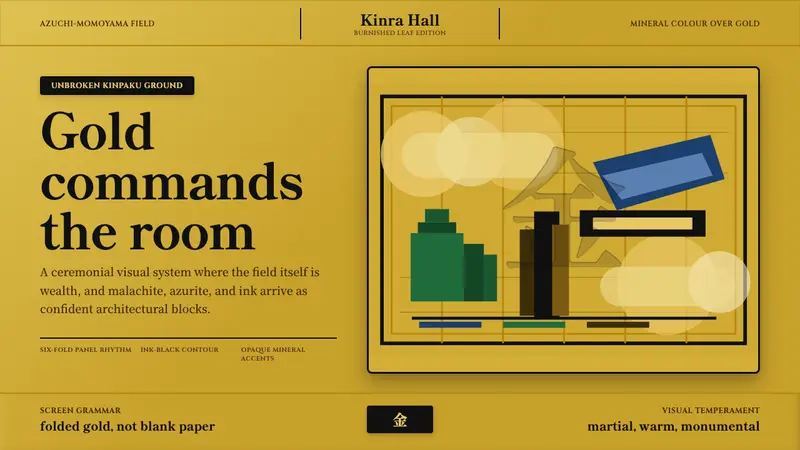 Momoyama Gold ScreenGold is the ground. Panel seams, ink contours, and mineral blocks make the field monumental.
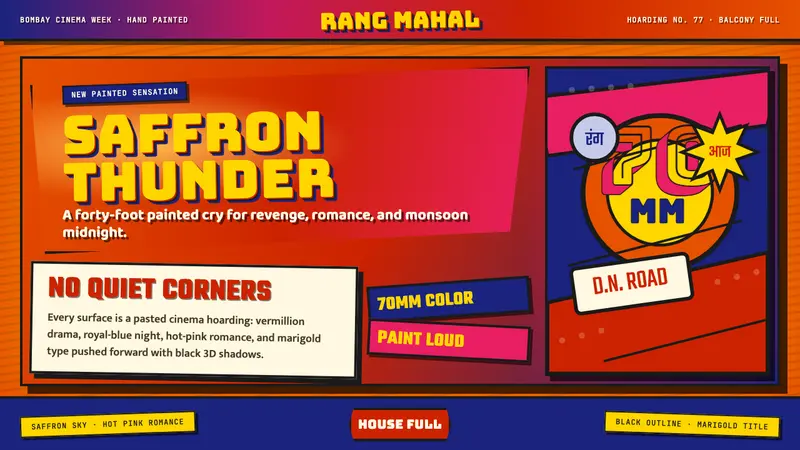 Bollywood Poster Art (1970s)Subtlety is unaffordable. Saffron fields, Bungee shadows, diagonal hoarding drama.
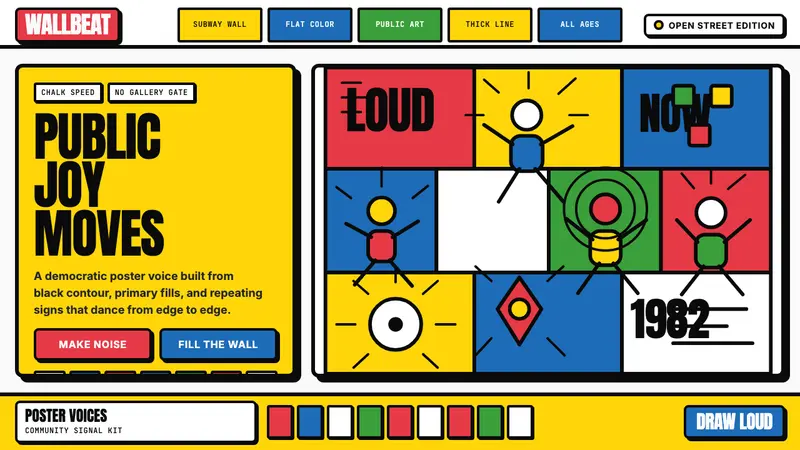 Keith Haring PopJoy refuses the gallery. Thick black contours pack primary color into a dancing wall grid.