About Swat Carved Doors
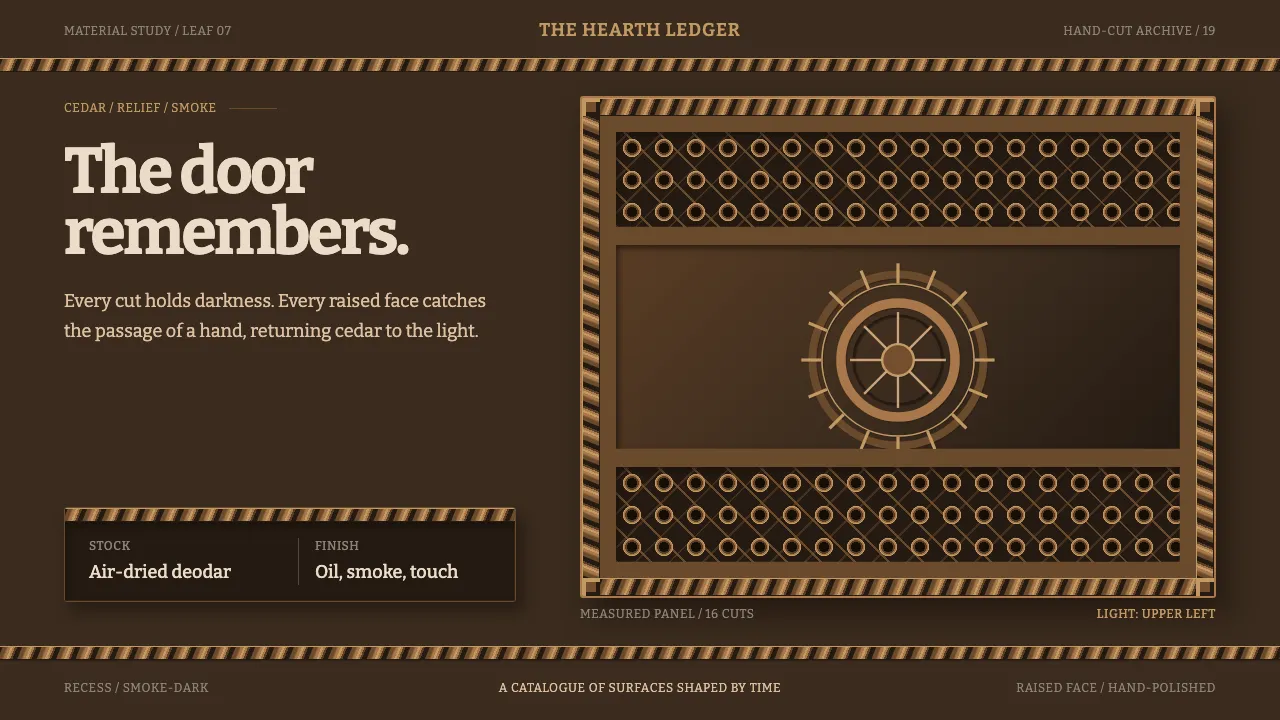
Swat valley carvers work in Himalayan deodar cedar — dayyar — air-dried two or three years before a chisel touches it. Door leaves, mosque columns and window jaali are cut in deep relief and left bare: never painted, oiled at most. Hearth smoke settles into the cuts until the recesses go near-black, while the raised carving stays a lighter cedar brown where hands have rubbed it.
The system takes that surface literally. Every container is a recessed panel inside a carved frame, lit from the top-left and shadowed at the bottom-right. Corners stay square, edges carry rope-twist and chevron moulding runs, and the ornament is cut rather than drawn — rosettes, sun wheels, lotus, motifs older than the mosques they sit on.
- Origin
- Swat valley and Shangla district, Khyber Pakhtunkhwa, northern Pakistan
- Era
- 18th–19th century surviving doors and mosque woodwork; motif lineage back to Gandhara (1st–5th c. CE)
- Key figures
- Reto Zehnder
- Movements
- Swati woodcarving · Gandharan decorative ornament
Swat Carved Doors design spec
Colors
Typography
The other 11 sections — buttons, cards, spacing, motion, techniques and more — open once you unlock. Download the DESIGN.md or send it to your AI in one click. Unlock once, yours forever.
Sign up nowStyles similar to Swat Carved Doors
Also inspired by crafts & folk art, with a close feel.
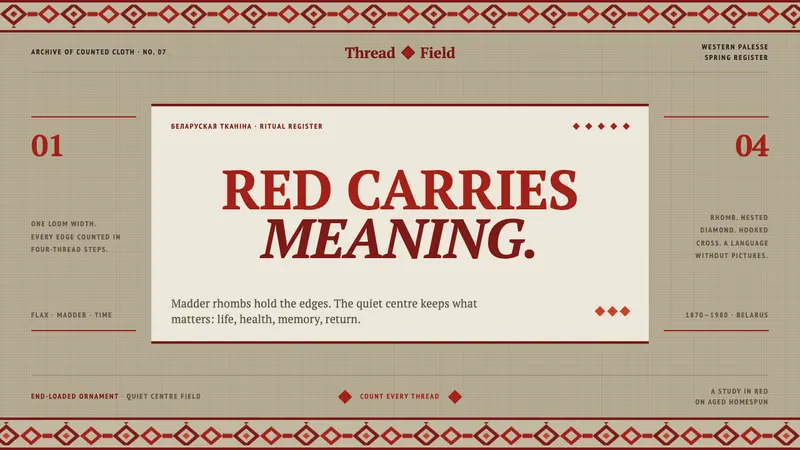 Belarusian RushnykRed carries meaning. Madder rhombs crowd aged flax edges while the woven centre stays still.
 Burmese Shan Thanaka (Bark Paste)Handmade warmth on dark bark. Thanaka cream roundels soften rose, jade, and gold accents.
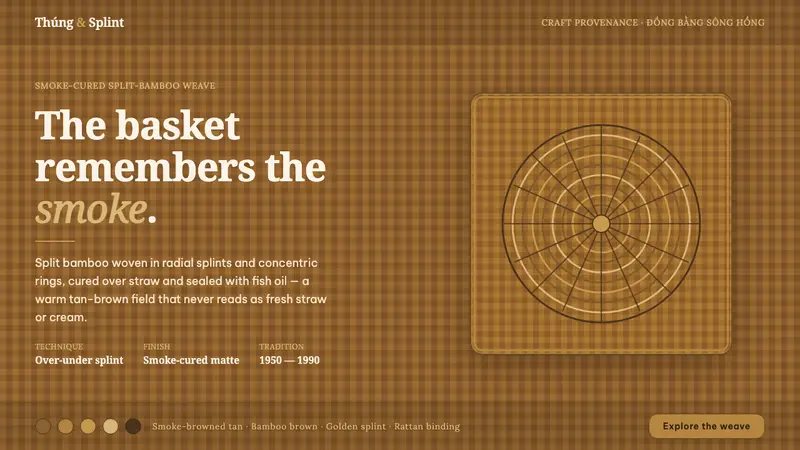 Vietnamese Bamboo BasketryThe basket remembers the smoke. Tan-brown woven ground, concentric splint rings, matte and handmade.
 Māori Tā Moko (Facial Tattoo)Ancestry feels carved. Blue-black spirals on tan ground carry a restrained Garamond voice.