About Pinocchio (1883 Marionette Workshop)
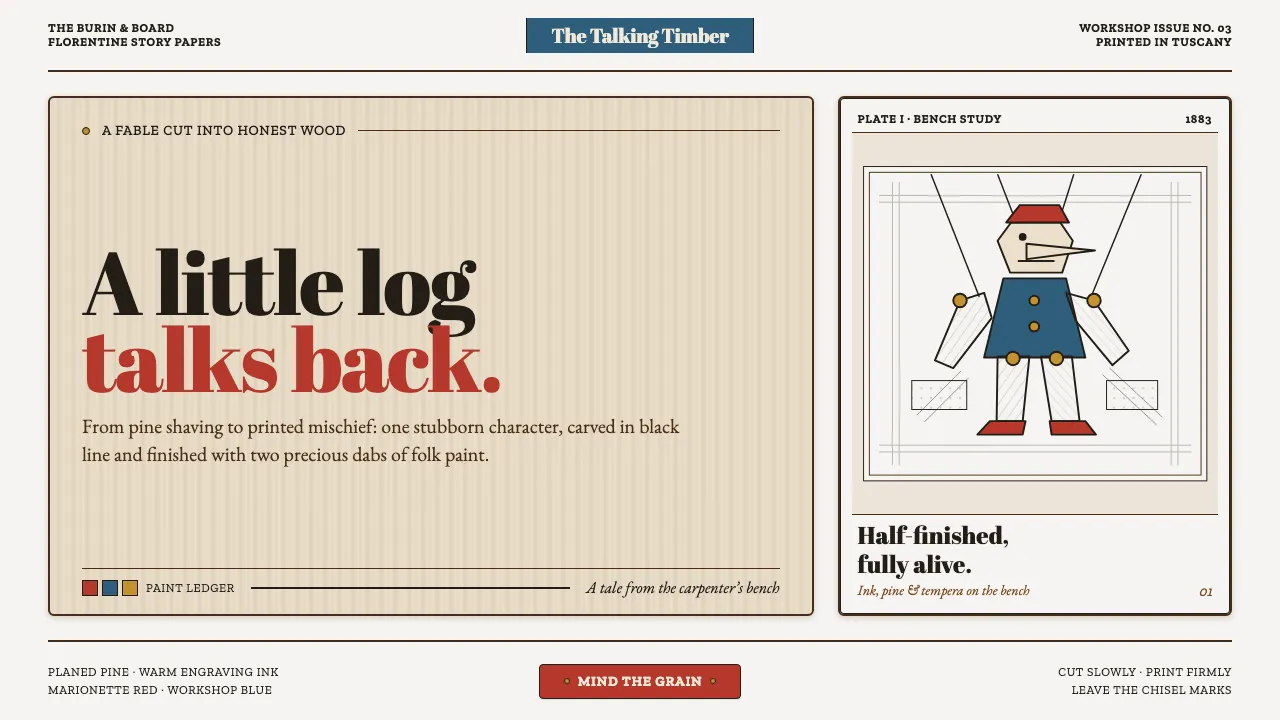
Pinocchio (1883 Marionette Workshop) recreates the smell of pine shavings and the scratch of a burin: Carlo Collodi's talking log as Geppetto's carpentry bench, where every surface is planed timber and every image is a hand-cut engraving. Raw walnut and pine grain form the ground; a few strokes of vermilion and Prussian blue do all the shouting.
Colour is scarce and precious — two folk paints over honest brown wood, all of it hatched and cross-hatched in ink after Enrico Mazzanti's original plates for Felice Paggi. It should feel like a marionette half-finished in the vise: chisel marks, grain, and one bright dab of paint.
Learn more about the Pinocchio (1883 Marionette Workshop) style
- Origin
- Tuscany, Italy — Florence and the village of Collodi
- Era
- 1881–1883 (serialized in Giornale per i bambini; first book edition Florence 1883); pre-1900 wood-engraving culture
- Key figures
- Carlo Collodi · Enrico Mazzanti · Ferdinando Martini · Felice Paggi
- Movements
- 19th-century wood engraving · Italian children's-book illustration · Tuscan folk marionette craft
Pinocchio (1883 Marionette Workshop) design spec
Colors
Typography
The other 11 sections — buttons, cards, spacing, motion, techniques and more — open once you unlock. Download the DESIGN.md or send it to your AI in one click. Unlock once, yours forever.
Sign up nowStyles similar to Pinocchio (1883 Marionette Workshop)
Also inspired by print & type, with a close feel.
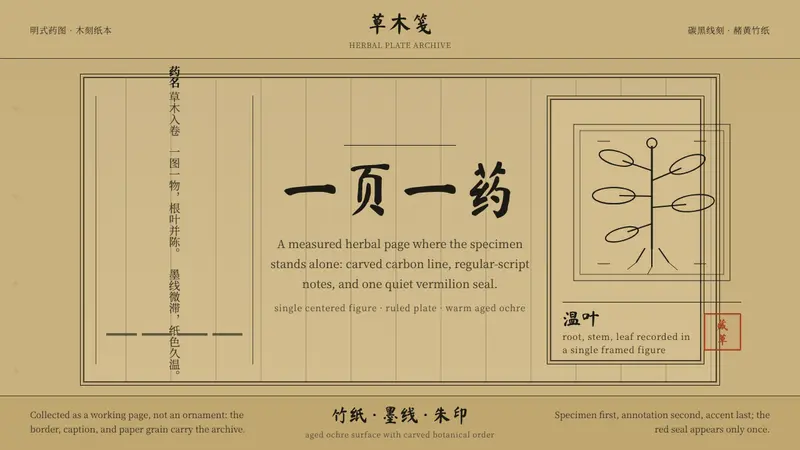 本草纲目 HerbalAncient paper breathes. Ochre ground, carbon-black woodcut lines, one vermilion seal.
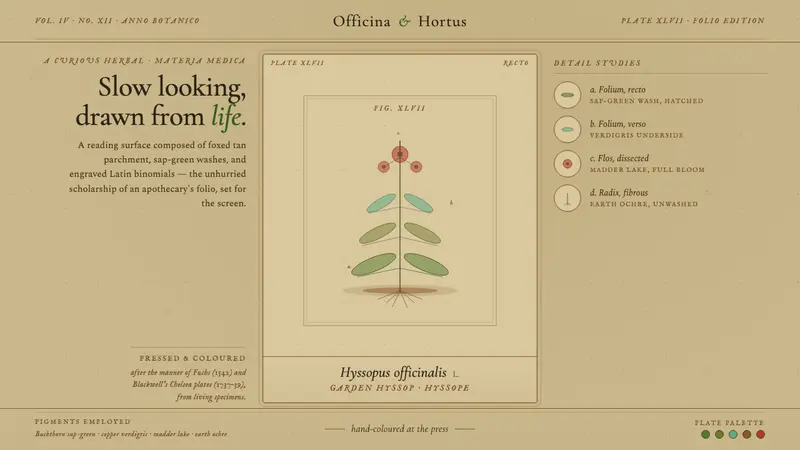 Herbal PharmacopoeiaSlow scholarship of the apothecary folio. Foxed tan parchment, sap-green washes, italic Latin names.
 Caslon English Text SerifWarm authority, pressed into paper. Caslon capitals and engraved rules command an amber-grey sheet.
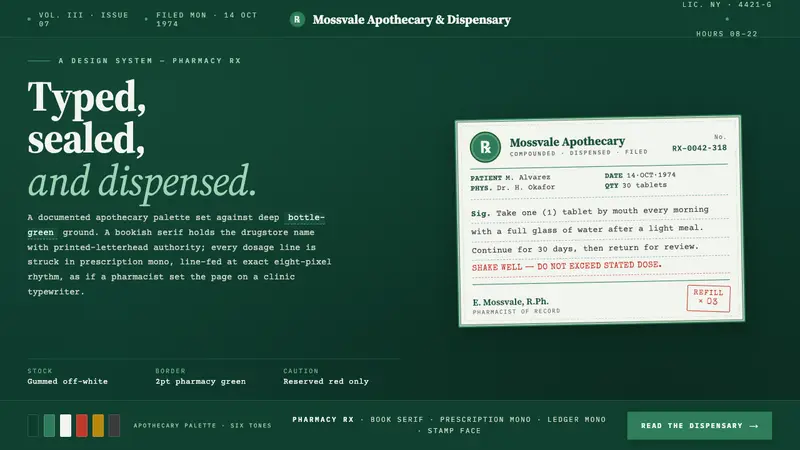 Pharmacy RxThe drugstore label, documented. Pharmacy-green border, Rx seal, typewriter dosage on bottle-green.