About Herbal Pharmacopoeia
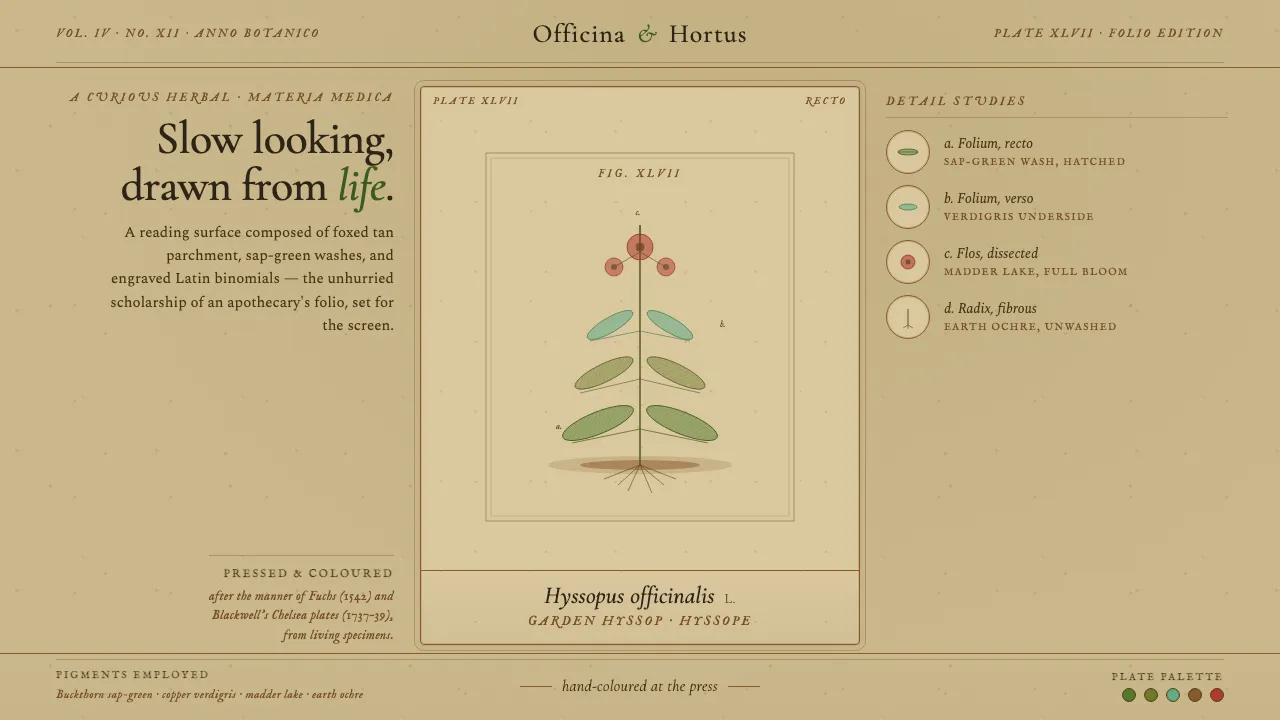
Pre-1900 Western European herbals were hand-colored copperplate engravings of medicinal plants, captioned with Latin binomials in a humanist serif. The reading ground is aged tan parchment darkened by time and copper-pigment foxing — never bright cream.
This system distills that apothecary tradition: single-specimen plates, fine engraved line and stipple, sap-green foliage, madder-red fruits, and verdigris washes laid over rag-fiber paper.
- Origin
- Western Europe (Germany, Britain, France, Low Countries)
- Era
- c. 1540–1900 (early-modern to Victorian botanical illustration)
- Key figures
- Leonhart Fuchs · Elizabeth Blackwell
- Movements
- Pharmacopoeia / botanical illustration · Copperplate engraving · Herbal medicine
Herbal Pharmacopoeia design spec
Colors
Background
Surface
Primary
Secondary
Accent
Text
Typography
Cormorant GaramondHeadings
SpectralBody
IM Fell EnglishMono
Unlock for 1 credit
The other 11 sections — buttons, cards, spacing, motion, techniques and more — open once you unlock. Download the DESIGN.md or send it to your AI in one click. Unlock once, yours forever.
Sign up nowHave an account? Sign in
Styles similar to Herbal Pharmacopoeia
Also inspired by print & type, with a close feel.
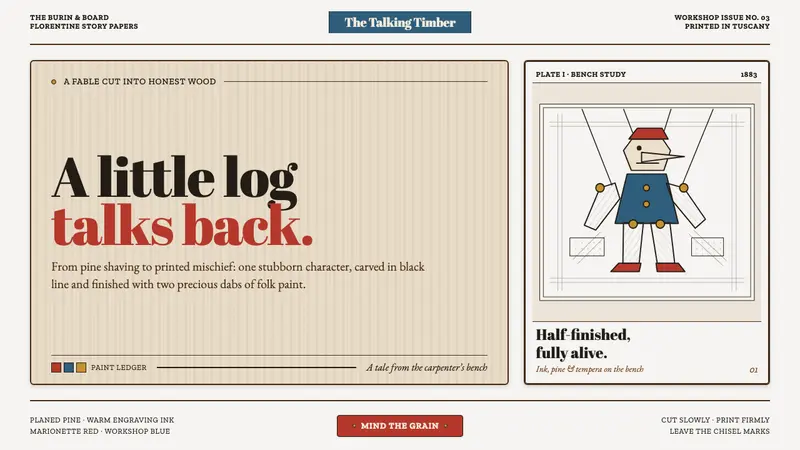 Pinocchio (1883 Marionette Workshop)Carved from honest timber. Red, blue and ochre punctuate crisp engraved lines.
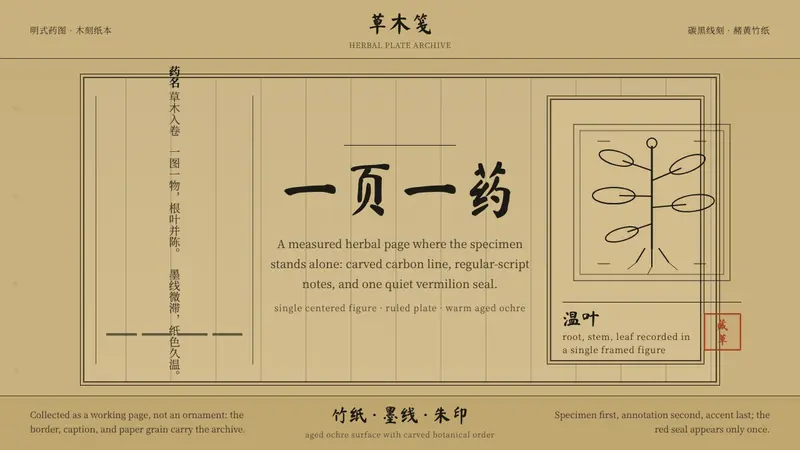 本草纲目 HerbalAncient paper breathes. Ochre ground, carbon-black woodcut lines, one vermilion seal.
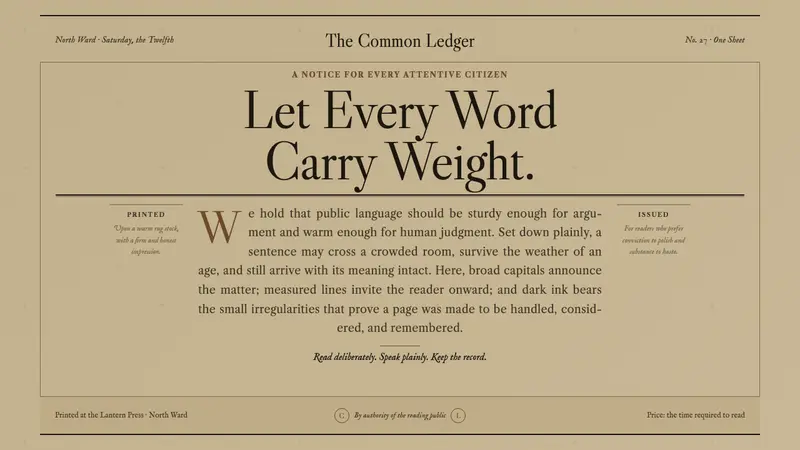 Caslon English Text SerifWarm authority, pressed into paper. Caslon capitals and engraved rules command an amber-grey sheet.
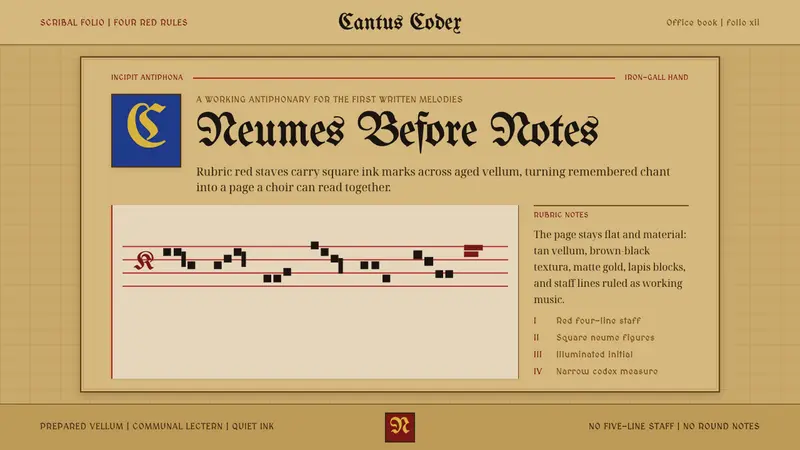 Gregorian Chant NeumesNotation becomes scripture. Rubric red staff lines and square neumes sit on tan vellum.