About MUJI
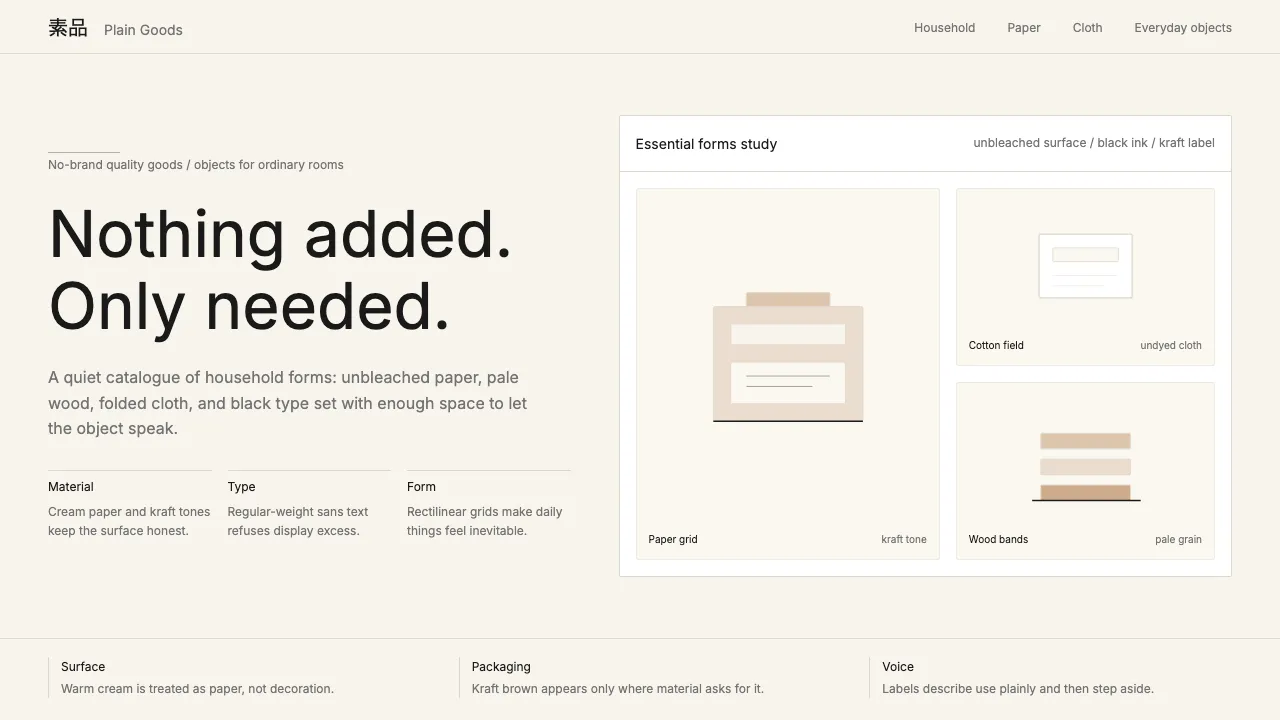
MUJI — Mujirushi Ryōhin, literally "no-brand quality goods" — was born in 1980 as a deliberate rejection of consumer-brand decoration. Products are unbadged, packaging reveals the thing itself rather than selling a lifestyle, and every visual decision serves the philosophy that removing the unnecessary reveals the essential.
Under Kenya Hara's art direction since 2002, MUJI's visual language crystallized into warm cream backgrounds, kraft-brown paper tones, and black type set with Japanese density and editorial restraint. The result is a design system that feels like unbleached paper and pale wood — quiet, honest, and deliberately anti-decorative.
- Origin
- Tokyo, Japan
- Era
- 1980 founded as Mujirushi Ryōhin; current visual heritage continuous since Kenya Hara's art direction from 2002
- Key figures
- Kenya Hara · Naoto Fukasawa · Ikko Tanaka
- Movements
- Anti-brand minimalism · Japanese craft heritage · Sustainable mass-market design
MUJI design spec
Colors
Typography
The other 11 sections — buttons, cards, spacing, motion, techniques and more — open once you unlock. Download the DESIGN.md or send it to your AI in one click. Unlock once, yours forever.
Sign up nowStyles similar to MUJI
Also inspired by brands & products, with a close feel.
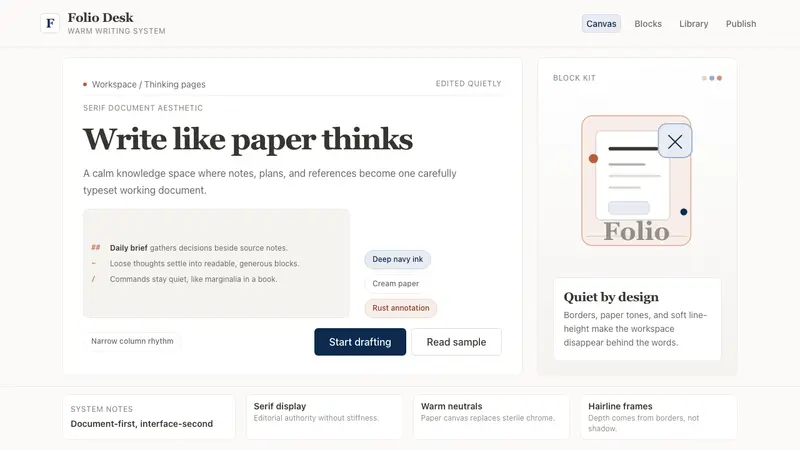 Notion ModernWriting feels papery. Source Serif on warm cream, navy ink, and hairline borders.
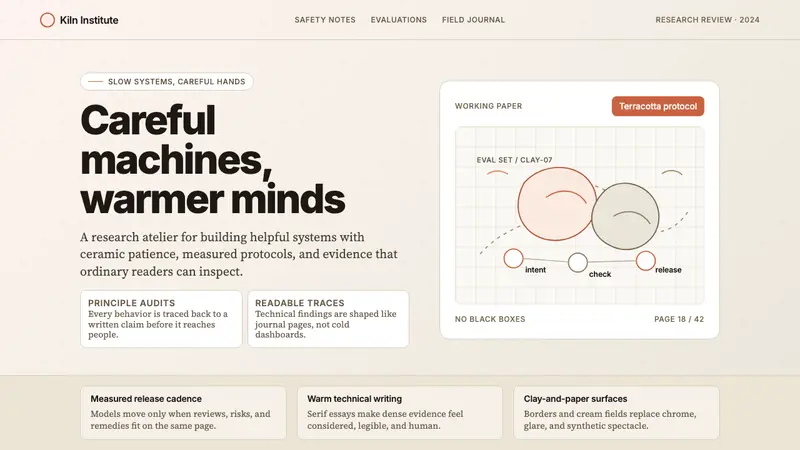 Anthropic ClayAI safety in handmade clay. Sand backgrounds, terracotta accents, serif body — slow and intentional.
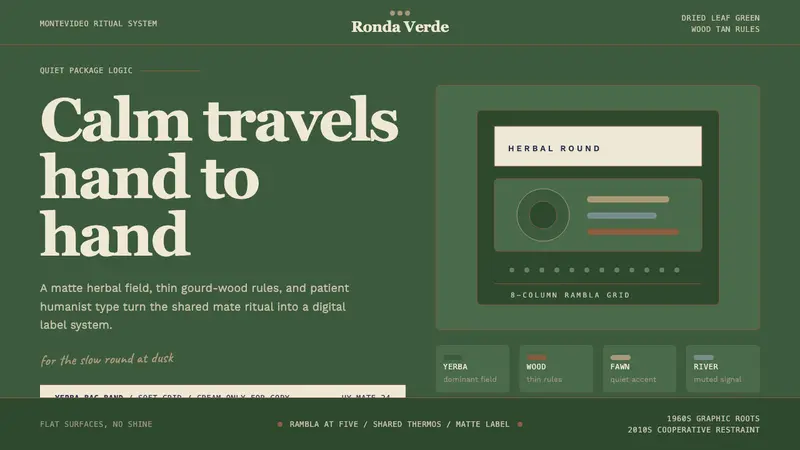 Uruguayan Yerba MateCalm in deep green. Wood-tan rules, Recoleta type, and cream bands keep the ritual slow.
 Basecamp / 37signalsQuiet craft, strong opinions. Cream paper, tight sans type, yellow and coral restraint.