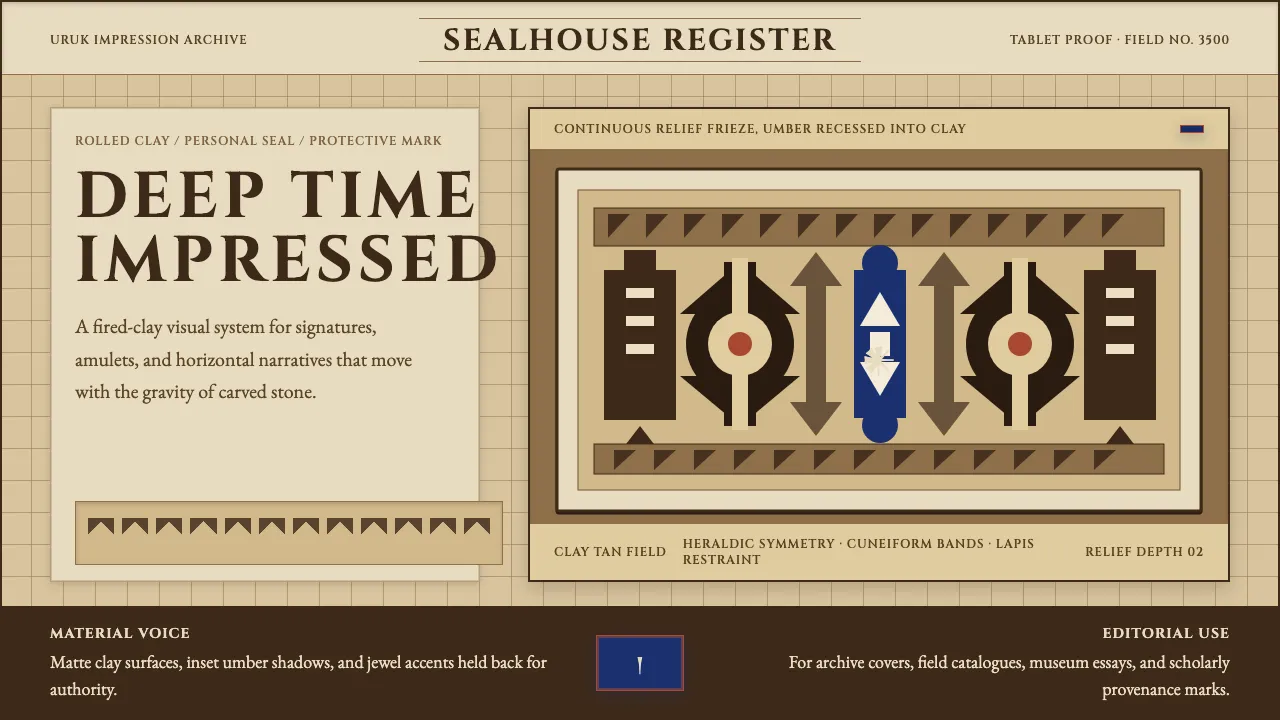
About Sumerian Cylinder Seal
Sumerian cylinder seals are the oldest miniature engraved-relief image-making device in human history — small carved-stone cylinders rolled across wet clay to produce continuous friezes of kings, deities, and beasts. Born ~3500 BCE in Uruk and refined through Akkadian, Babylonian, and Assyrian workshops, each seal acted as personal signature, amulet, and magical protection.
The aesthetic is strict earth-tonal monochrome: clay-tan ground, deep umber-recess shadow, and rare jewel-stone accents of lapis-lazuli and carnelian. Compositions march horizontally as infinite-strip narratives — symmetric heraldic pairs, tree-of-life motifs, cuneiform-wedge inscription bands — handled with the lapidary gravity of stone-carved Roman capitals.
- Origin
- Mesopotamia — Sumer, Akkad, Babylon, Assyria
- Era
- ~3500 BCE first appearance (Uruk); peak Akkadian + Old Babylonian + Neo-Assyrian 2300–600 BCE; rediscovered 1843 onward
- Key figures
- Henri Frankfort · Edith Porada · Dominique Collon · Pierpont Morgan
- Movements
- Ancient Near Eastern visual culture · 19c–20c Assyriology · Pre-classical world art-history
Sumerian Cylinder Seal design spec
Colors
Typography
The other 11 sections — buttons, cards, spacing, motion, techniques and more — open once you unlock. Download the DESIGN.md or send it to your AI in one click. Unlock once, yours forever.
Sign up nowStyles similar to Sumerian Cylinder Seal
Also inspired by art & artists, with a close feel.
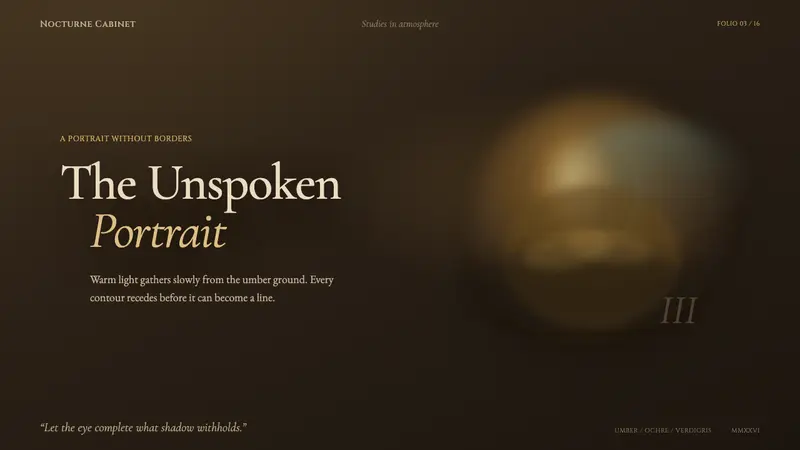 Leonardo — Mona Lisa (1503)Form emerges without edges. Ochre light dissolves into umber shadow and blue-green haze.
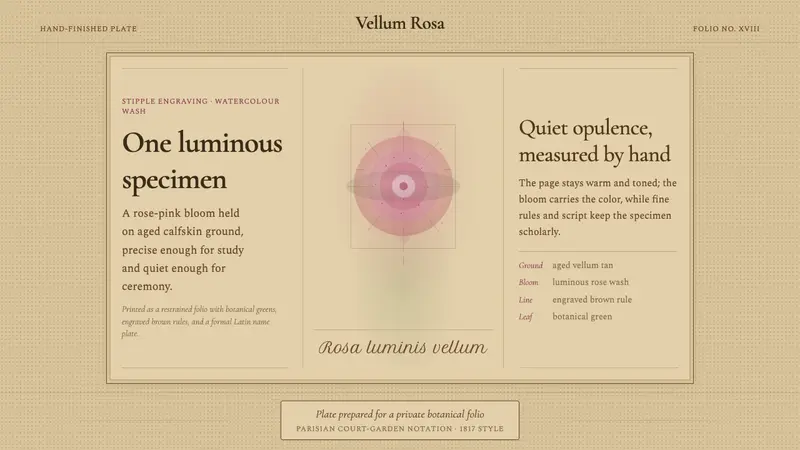 Redouté BotanicalScholarly opulence. Rose wash on aged vellum, framed by engraved brown rules.
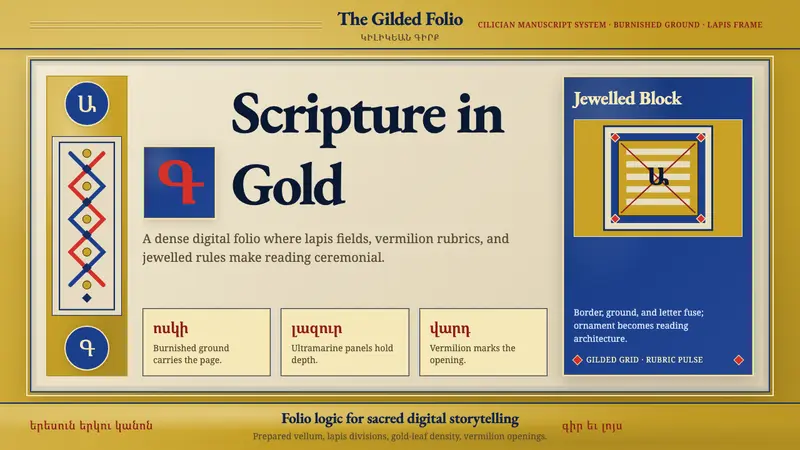 Armenian Illuminated Manuscript (Toros Roslin)Gilded maximalism. Burnished gold, lapis frames, and vermilion initials build a dense folio.
 Vermeer Dutch Golden AgeStillness glows. Lapis ultramarine, pearl cream, and walnut frames hold north light.