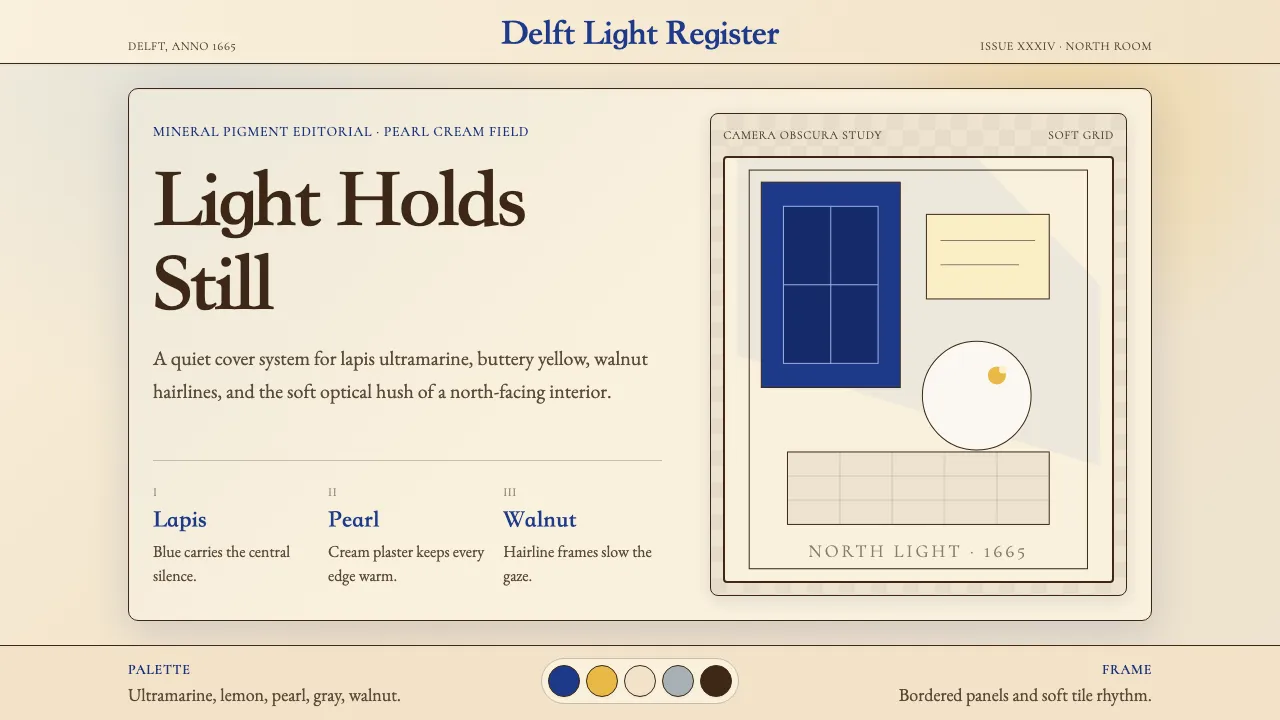
About Vermeer Dutch Golden Age
Johannes Vermeer's surviving thirty-four paintings distill the Dutch Golden Age into moments of absolute stillness — a milkmaid pouring, a girl turning, a lacemaker bent over thread — each bathed in cool north-window light that renders lapis lazuli ultramarine and buttery lemon yellow with optical precision.
This system translates Vermeer's mineral-pigment palette, camera-obscura softness, and Delft domestic framing into a contemplative editorial aesthetic where every element breathes with the quiet luminosity of a 1665 interior.
- Origin
- Netherlands — Delft, Dutch Republic
- Era
- 1656–1675; peak 1660–1672 Dutch Republic Golden Age; rediscovered 1866
- Key figures
- Johannes Vermeer · Pieter de Hooch · Théophile Thoré-Bürger · Catharina Bolnes
- Movements
- Dutch Golden Age painting · Delft School · domestic-interior genre painting
Vermeer Dutch Golden Age design spec
Colors
Typography
The other 11 sections — buttons, cards, spacing, motion, techniques and more — open once you unlock. Download the DESIGN.md or send it to your AI in one click. Unlock once, yours forever.
Sign up nowStyles similar to Vermeer Dutch Golden Age
Also inspired by art & artists, with a close feel.
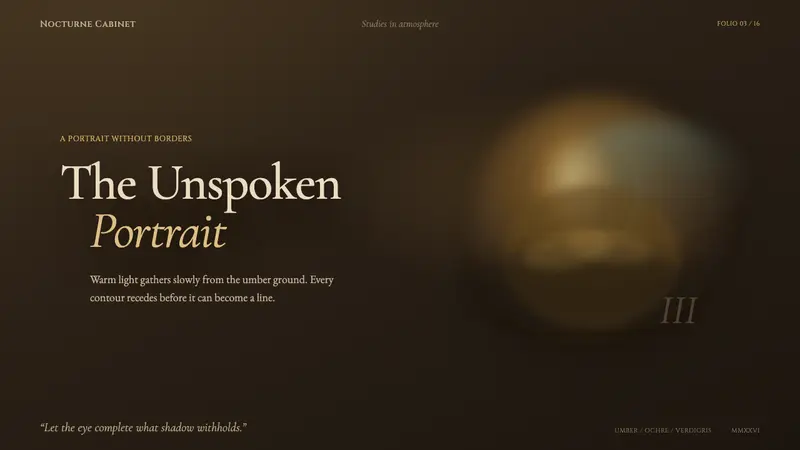 Leonardo — Mona Lisa (1503)Form emerges without edges. Ochre light dissolves into umber shadow and blue-green haze.
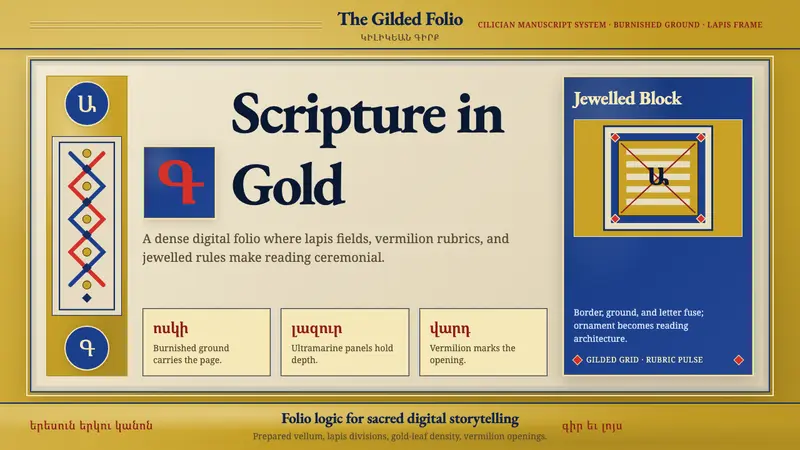 Armenian Illuminated Manuscript (Toros Roslin)Gilded maximalism. Burnished gold, lapis frames, and vermilion initials build a dense folio.
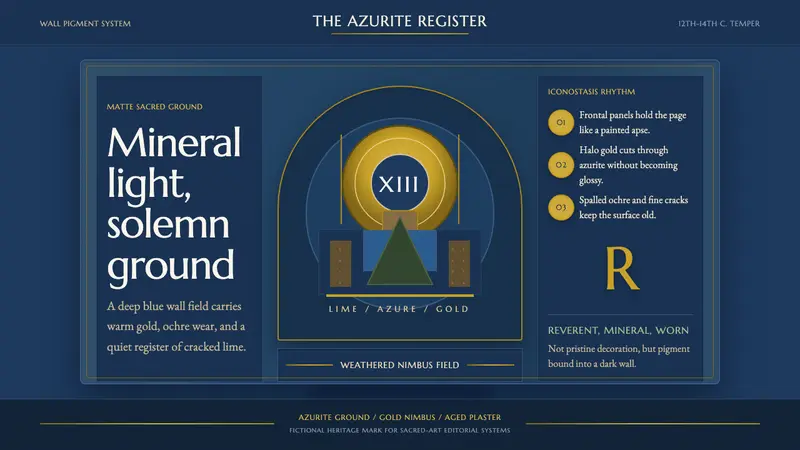 Serbian Medieval FrescoSacred wear becomes structure. Azurite fields, gold halos, and cracked plaster hold the frame.
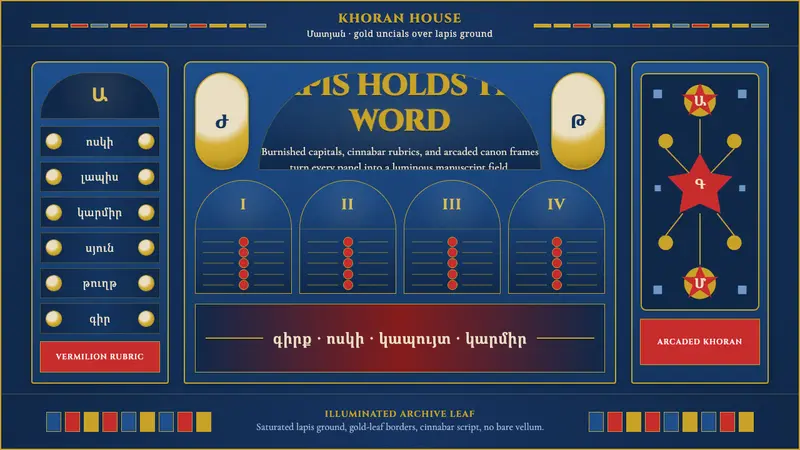 Armenian Manuscript FolkloreJewel-dense devotion. Lapis ground, gold uncials, and vermilion arcades fill every frame.