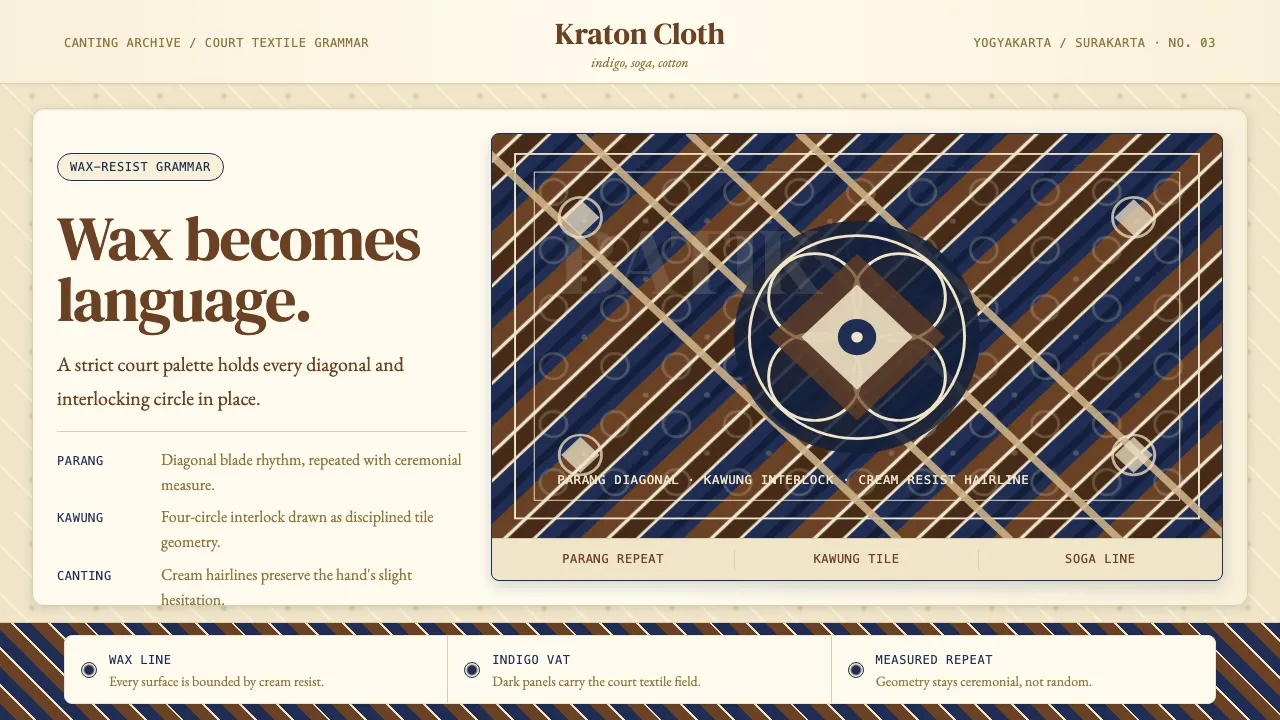
About Javanese Batik
Javanese batik is Indonesia's wax-resist textile tradition codified across centuries of Kraton court ateliers — molten beeswax hand-drawn with a copper-pot canting onto cotton, then soaked in indigo and soga-brown dye vats across multiple cycles. The court palette is a strict three-tone discipline: deep indigo, soga-brown, and undyed cotton cream, with motifs like parang and kawung historically reserved for royalty.
Translated to interface, batik becomes pattern-as-language: every diagonal, every interlocking circle is precise mathematical tile-repeat, bounded by cream-resist hairlines. The system feels ceremonial — heading serifs in soga-brown, indigo hero panels with batik-tile fills, and a measured rhythm that respects the handcraft signature of the canting's slight hesitation.
- Origin
- Java island, Indonesia — Yogyakarta + Surakarta (court) and Pekalongan + Cirebon + Lasem (coastal pesisir)
- Era
- Pre-Islamic Java wax-resist references; Mataram codification c. 1600s; Yogyakarta-Surakarta Kraton division 1755; UNESCO ICH 2009
- Key figures
- Iwan Tirta · Eliza van Zuylen · Oey Soe Tjoen · Edward Hutabarat
- Movements
- Javanese court ceremonial dress · Pesisir coastal trade-influenced batik · Post-1945 batik as Indonesian national identity
Javanese Batik design spec
Colors
Typography
The other 11 sections — buttons, cards, spacing, motion, techniques and more — open once you unlock. Download the DESIGN.md or send it to your AI in one click. Unlock once, yours forever.
Sign up nowStyles similar to Javanese Batik
Also inspired by crafts & folk art, with a close feel.
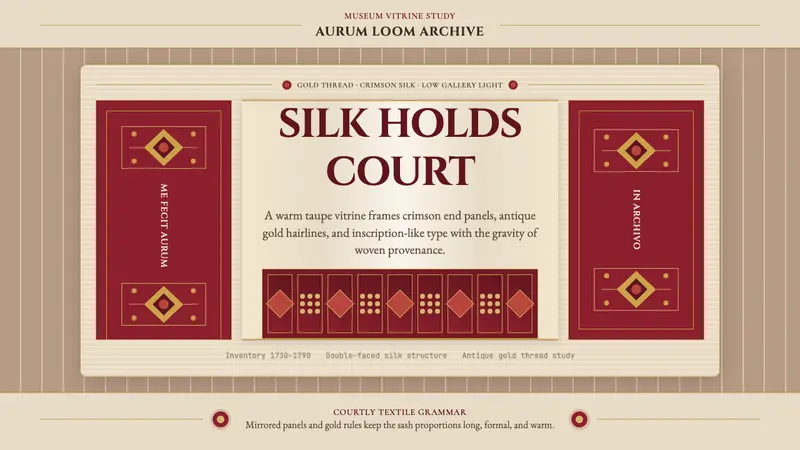 Belarusian Slutsk SashCourtly silk, vitrined. Taupe ground, crimson panels, Cinzel type, antique gold hairlines.
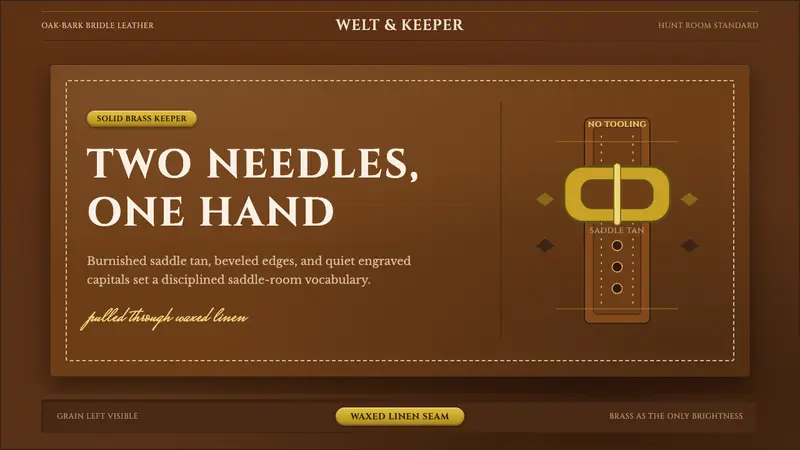 English Saddlery TanQuiet hand-made luxury. Saddle tan leather, brass accents, and waxed-linen stitch lines.
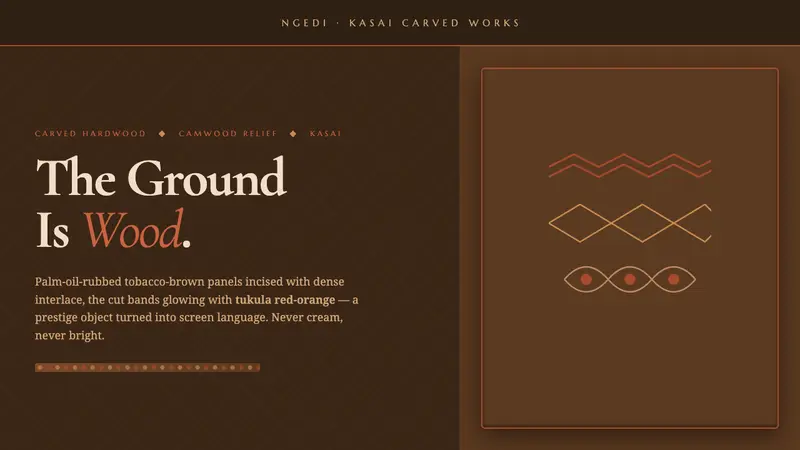 Kuba Calabash BrownPrestige in dark wood. Calabash brown ground, dense incisions, tukula red relief.
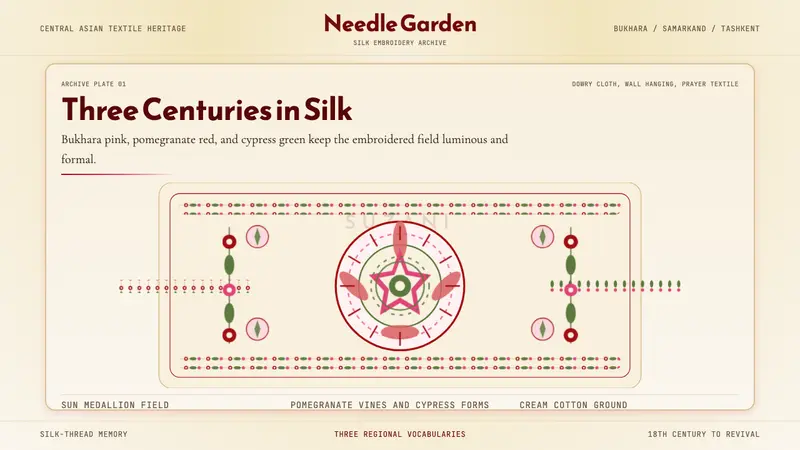 Uzbek Suzani TextileThree centuries in silk. Cream ground, pink medallions, vine borders, cypress green.