About Hindu Widow White Sari
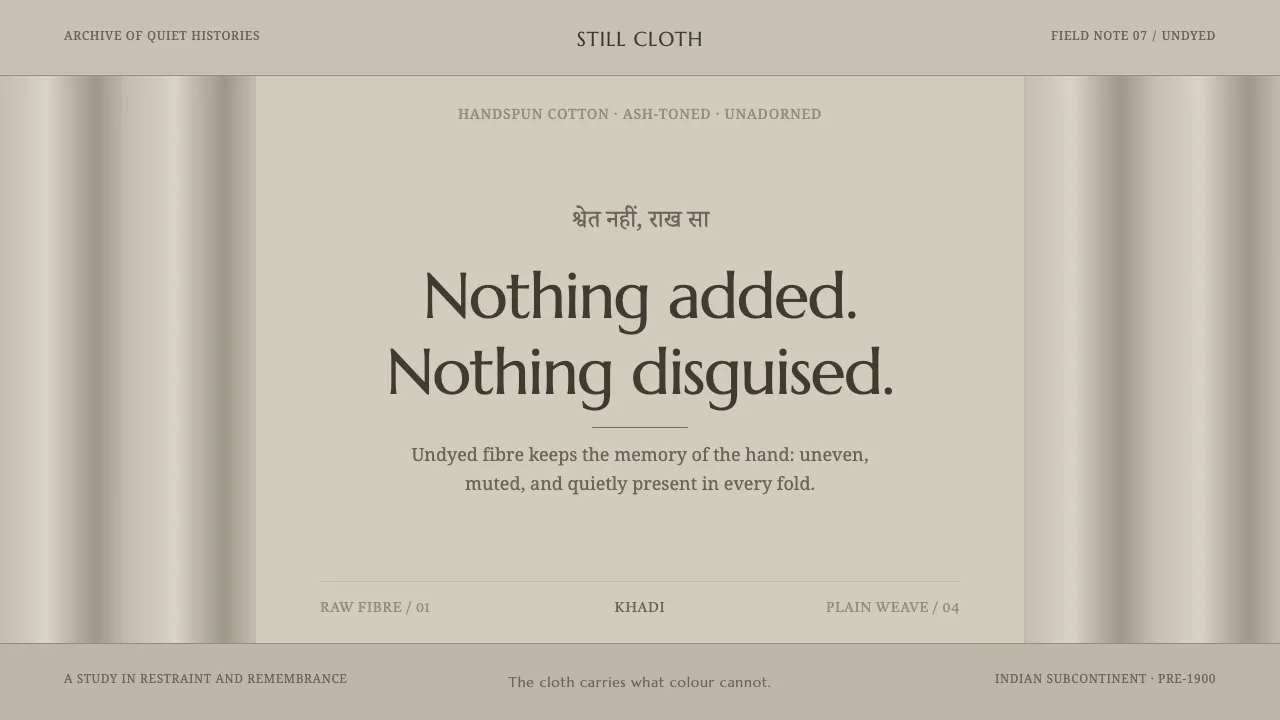
The white sari of the Hindu widow is not white at all. Woven from undyed handspun cotton — khadi, the cheapest cloth — it holds an ash-toned grey cast, raw and desaturated, worn unadorned to carry mourning and renunciation.
Seen in muted ashram light, the drape reads as quiet grey folds rather than bright cloth. This system translates that restraint into an interface: muted off-white grounds, no ornament, wide plain borders, and a gravity that never reaches for glamour.
- Origin
- Indian subcontinent
- Era
- pre-1900 (traditional Hindu widowhood custom, persisting into 20th c.)
- Key figures
- Hindu widows · ashram communities · pilgrimage communities
- Movements
- Mourning-dress convention · Handspun khadi cotton tradition
Hindu Widow White Sari design spec
Colors
Background
Surface
Primary
Secondary
Accent
Text
Typography
MarcellusHeadings
Noto Serif DevanagariBody
Tiro Devanagari HindiMono
Unlock for 1 credit
The other 11 sections — buttons, cards, spacing, motion, techniques and more — open once you unlock. Download the DESIGN.md or send it to your AI in one click. Unlock once, yours forever.
Sign up nowHave an account? Sign in
Styles similar to Hindu Widow White Sari
Also inspired by crafts & folk art, with a close feel.
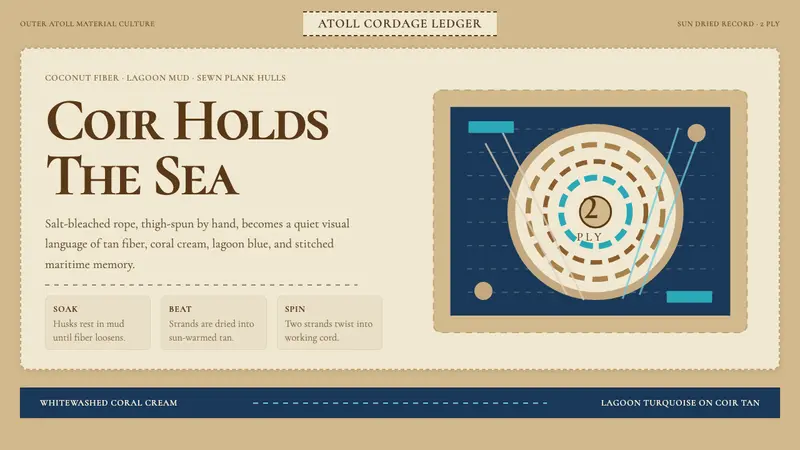 Maldivian Coir (Coconut Rope)Ocean-tested craft. Coir tan, coral cream, Cormorant type, and dashed seam geometry.
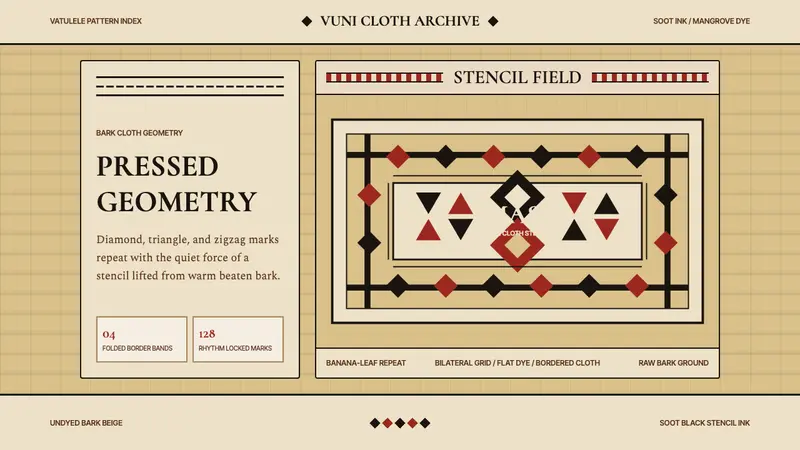 Fijian Masi Tapa StencilGeometry keeps ceremony. Soot-black diamonds repeat on bark beige with rust-red bands.
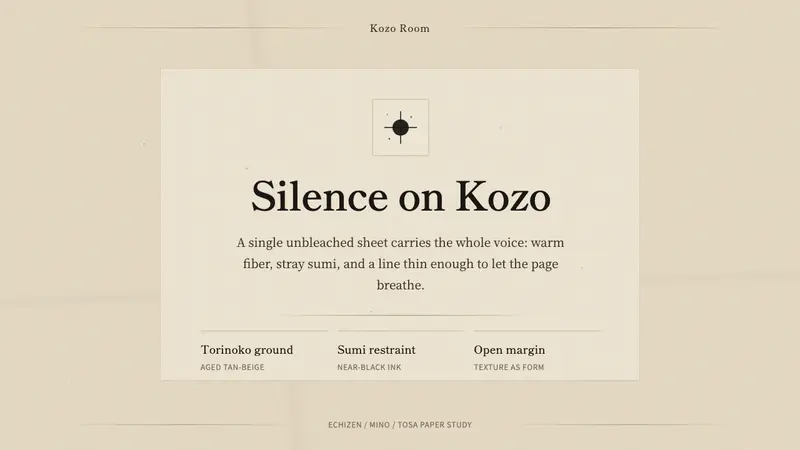 Washi Paper MinimalQuiet is material. Warm kozo grain, sumi specks, and hairline rules hold the page open.
 Chadian Toubou Saharan RouteRadical emptiness holds. Sandstone ochre, indigo serif, and one vertical mark cross the sky.