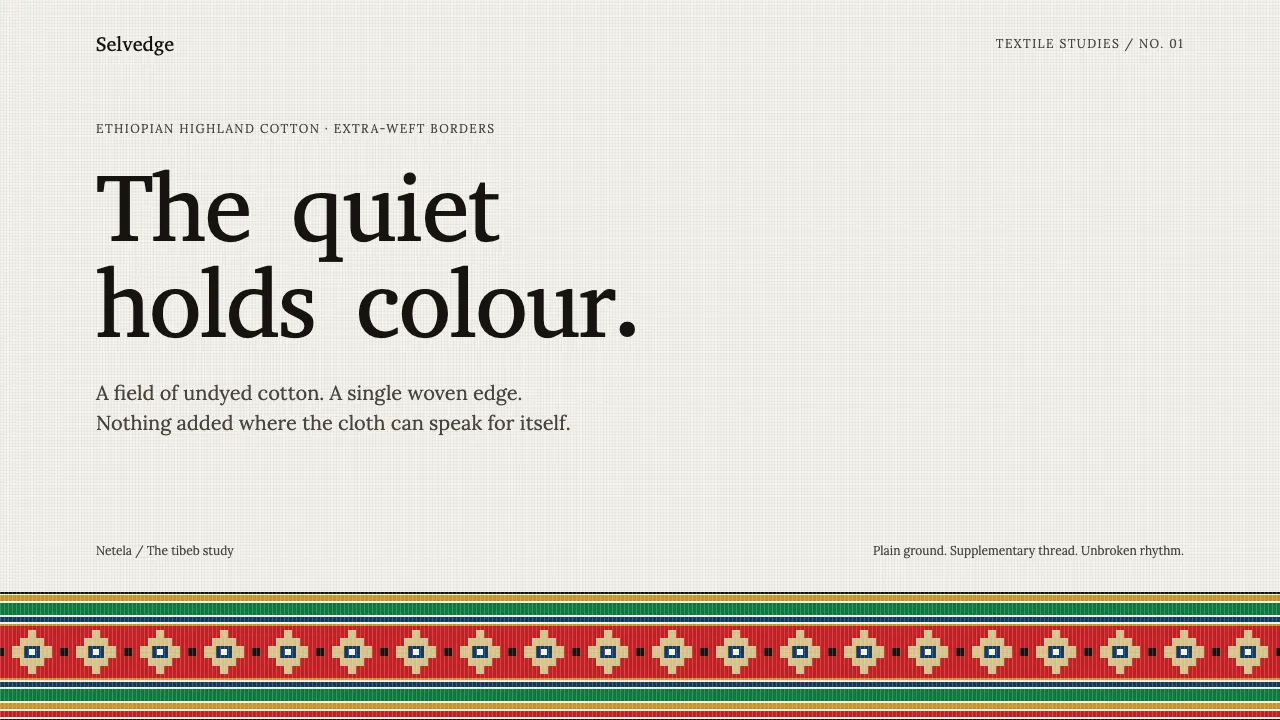
About Ethiopian Tibeb Border
A netela is a sheer cotton shawl spun from highland shema cotton and woven on a pit loom, left the colour the fibre came in — a cool, faintly translucent white. Everything decorative happens in one place: the tibeb, an extra-weft border laid in along the selvedge in cotton, silk, metallic thread or rayon floss.
The proportion is the whole idea. An enormous quiet field, one saturated band at its edge. In Orthodox practice the emptiness is not absence but readiness, so this system spends its restraint deliberately: keep the plane bare, and let a single stack of hard-edged woven stripes carry the entire voice of the page.
- Origin
- Ethiopia — Amhara and Shewa highlands; Shiro Meda weaving quarter, Addis Ababa
- Era
- pre-1900 weaving tradition; multicolour tibeb borders on plain shamma cloth from c. 1898 onward
- Key figures
- the hereditary shemane weaver guilds · Shiro Meda pit-loom weavers
- Movements
- habesha kemis / netela / shamma dress · Ethiopian Orthodox Tewahedo liturgical dress · Enkutatash and Meskel festival wear
Ethiopian Tibeb Border design spec
Colors
Typography
The other 11 sections — buttons, cards, spacing, motion, techniques and more — open once you unlock. Download the DESIGN.md or send it to your AI in one click. Unlock once, yours forever.
Sign up nowStyles similar to Ethiopian Tibeb Border
Also inspired by crafts & folk art, with a close feel.
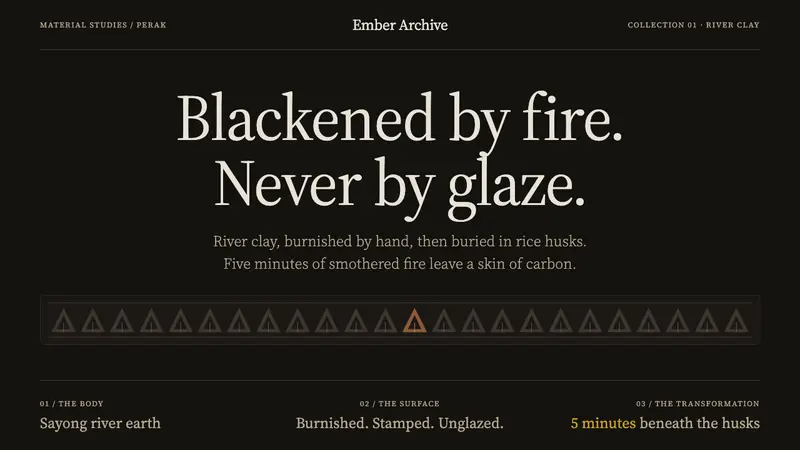 Labu Sayong Black ClayBlack by fire, not glaze. Matte carbon, warm clay and pressed triangles in quiet horizontal bands.
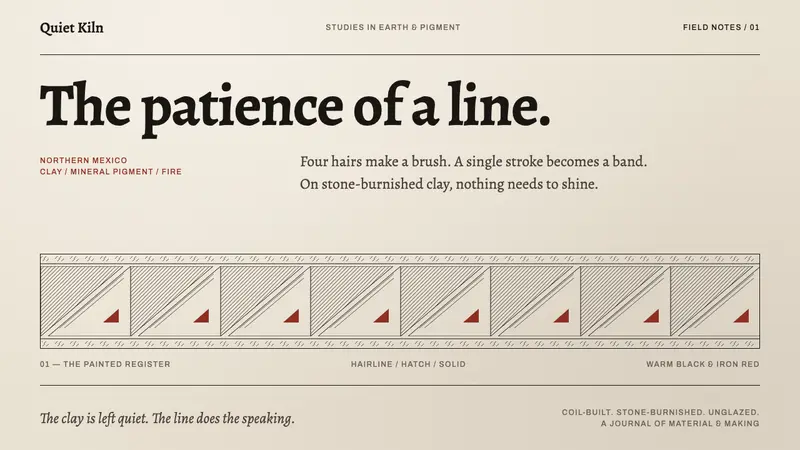 Mata Ortiz PotteryThe line does the speaking. Hairline black and iron-red hatching band a burnished clay ground.
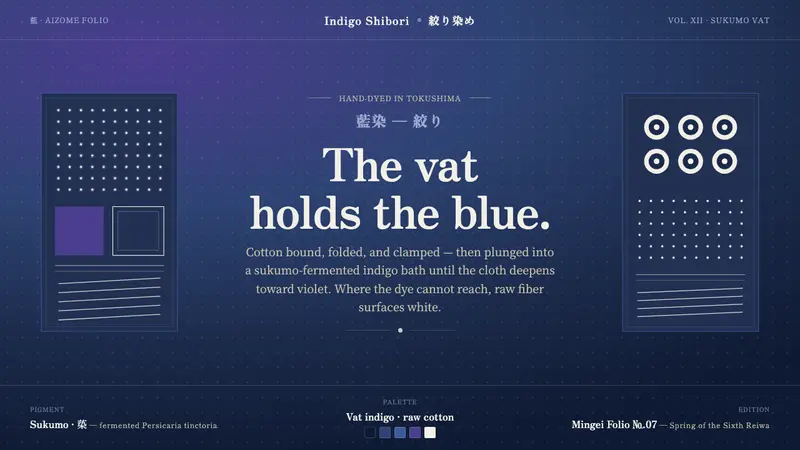 Indigo ShiboriCloth before image. Bound cotton plunged into sukumo vats — raw-white resist on violet indigo.
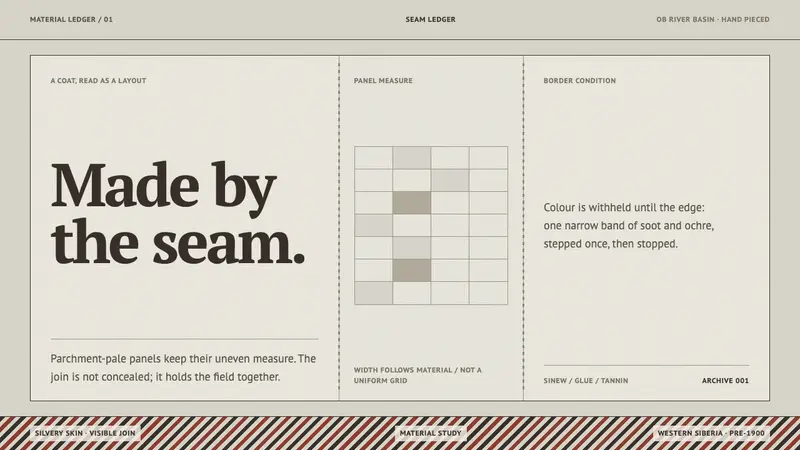 Khanty Fish-Skin CoatThe seam is the structure. Parchment panels and one soot-ochre border hold the field.