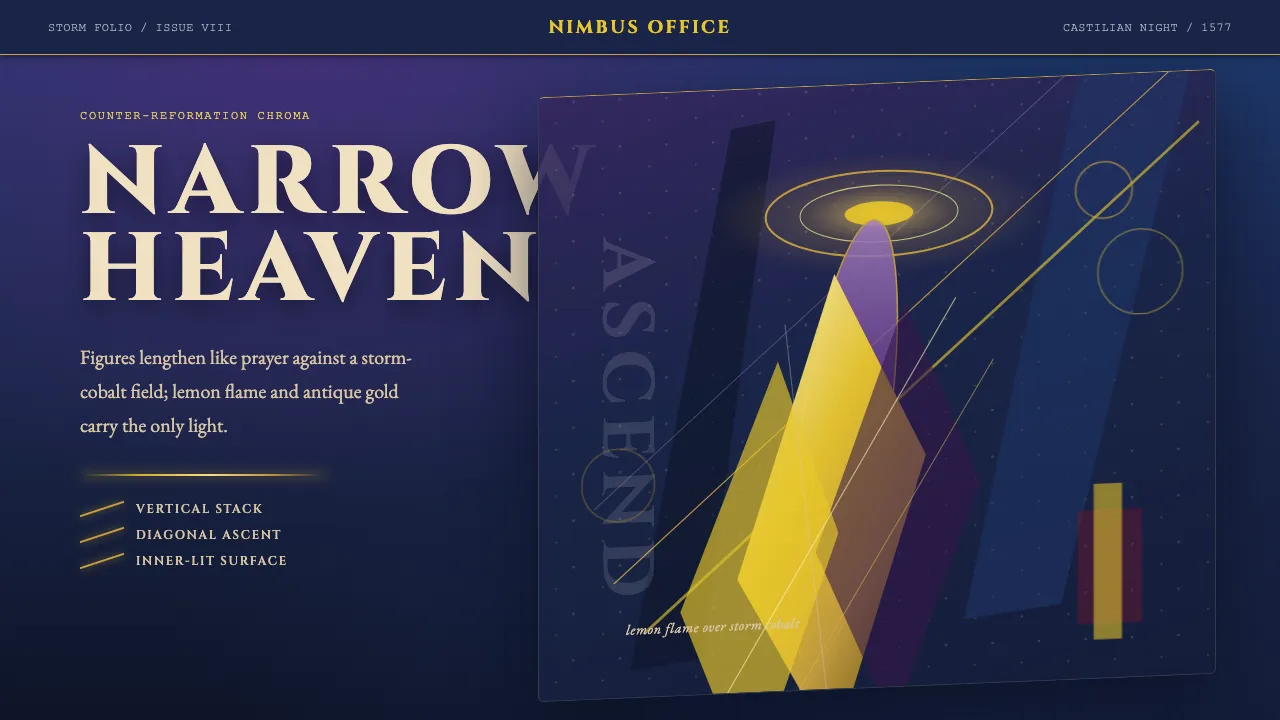
About El Greco — Toledo Mannerism
El Greco's late-16c Toledo period invents a mystical Mannerism so extreme it had to wait three centuries for Picasso and the Expressionists to make sense of it. Figures stretch eight heads tall against storm-bruised cobalt skies, draped in lemon-flame yellow and electric violet, lit from inside the canvas itself.
This system translates that visionary chromatic discipline into UI: bruised-cool darks anchor the page, flame-saturated warm highlights carry the action, and Byzantine antique-gold rings echo nimbus halos. Compositions strain vertical, never centered or calm.
- Origin
- Toledo, Spain (with Cretan / Venetian / Roman training)
- Era
- late 16c Spanish Mannerism (El Greco c. 1541–1614; Toledo period 1577–1614); 20c rediscovery via Manet, Picasso, Expressionists
- Key figures
- El Greco · Titian · Tintoretto · Cardinal Niño de Guevara · Pablo Picasso
- Movements
- Spanish Mannerism · Counter-Reformation visionary art · Byzantine icon survival
El Greco — Toledo Mannerism design spec
Colors
Typography
The other 11 sections — buttons, cards, spacing, motion, techniques and more — open once you unlock. Download the DESIGN.md or send it to your AI in one click. Unlock once, yours forever.
Sign up nowStyles similar to El Greco — Toledo Mannerism
Also inspired by art & artists, with a close feel.
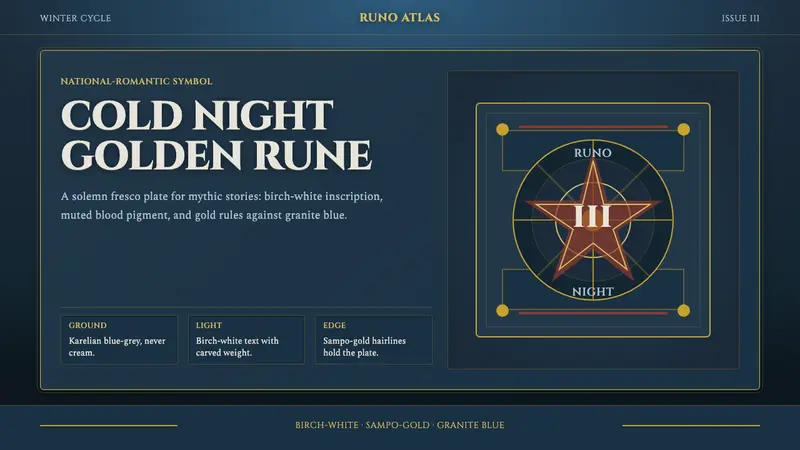 Finnish Kalevala EpicEpic weight in cold night. Birch-white Cinzel, Sampo-gold rules, blue-grey fresco panels.
 Kana Waka CalligraphyQuiet luxury in ink. Indigo ryoshi, Kaisei serif, scattered kana, and gold flecks.
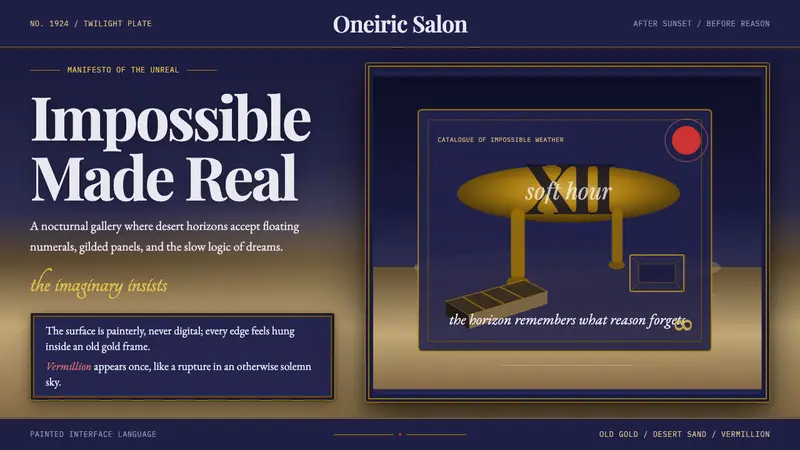 Surrealism (Dalí / Magritte)Impossible feels real. Twilight blue, old gold frames, and serif type stage dream logic.
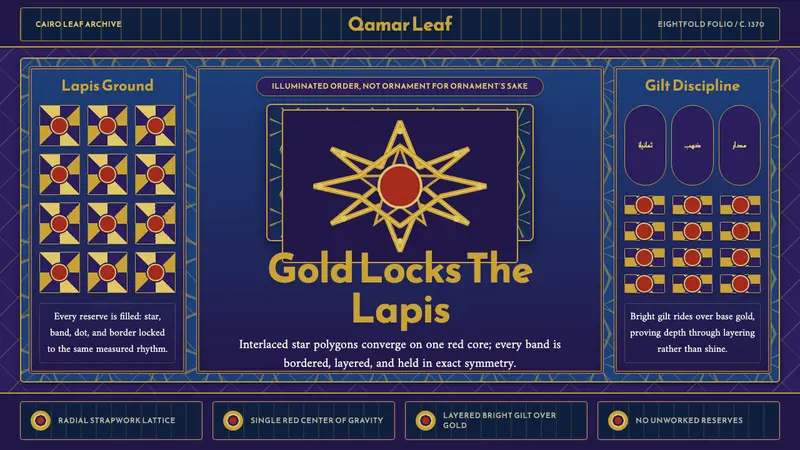 Mamluk Quran IlluminationGilded density rules. Lapis ground, eightfold gold strapwork, and one red core lock the page.