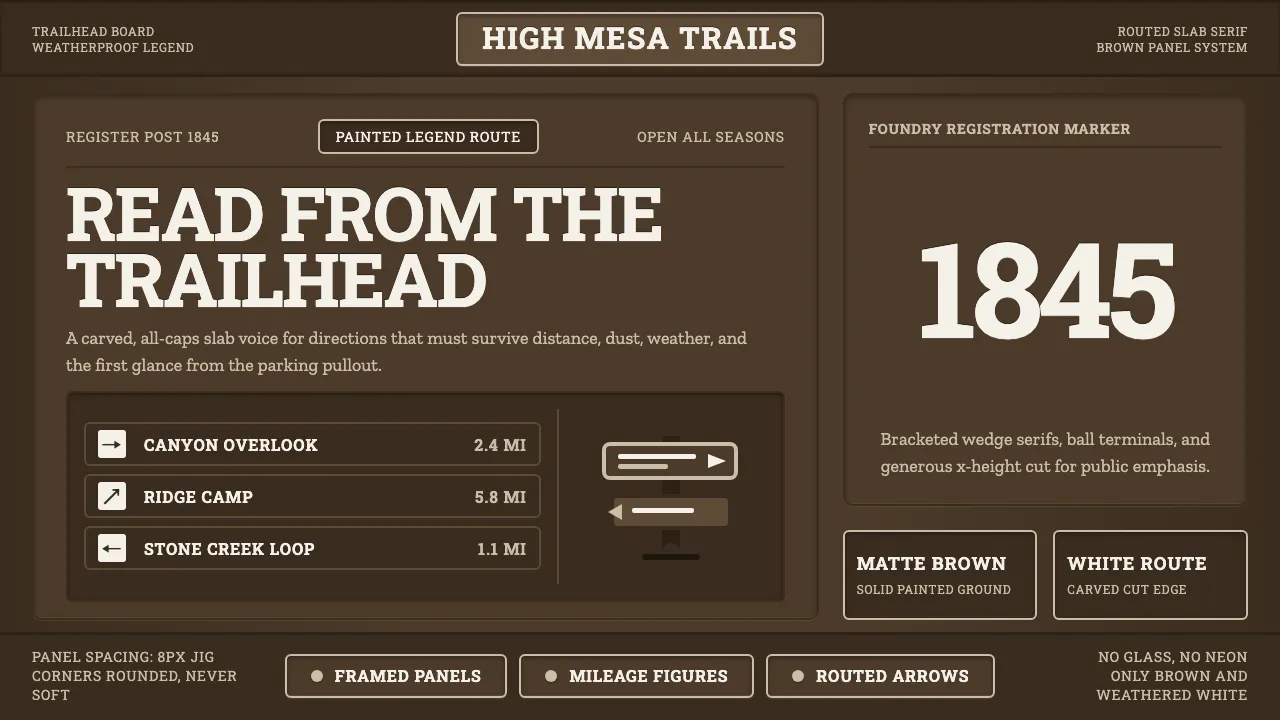
About Clarendon Slab Serif
Clarendon was cut by Robert Besley and Benjamin Fox at London's Fann Street Foundry in 1845 — the first typeface ever registered under the UK Ornamental Designs Act. Its bracketed, wedge-cornered serifs, strong stroke contrast, and generous x-height made it the workhorse display face of the Victorian poster and, later, the American West. Its most codified modern life is the National Park Service's "Modified Clarendon": a mandated alphabet routed as a white legend into dark-brown sign panels. This system rebuilds that routed sign — carved letterforms, matte paint, framed panels, directional arrows and mileage figures — a weatherproof, all-caps voice built to be read from a trailhead, not a screen.
- Origin
- England (London); modern identity in the US National Park Service
- Era
- 1845 (Fann Street Foundry); NPS Modified Clarendon codified mid/late 20th century
- Key figures
- Robert Besley · Benjamin Fox
- Movements
- Victorian slab-serif display typography · wood-type poster lettering · NPS wayfinding
Clarendon Slab Serif design spec
Colors
Typography
The other 11 sections — buttons, cards, spacing, motion, techniques and more — open once you unlock. Download the DESIGN.md or send it to your AI in one click. Unlock once, yours forever.
Sign up nowStyles similar to Clarendon Slab Serif
Also inspired by brands & products, with a close feel.
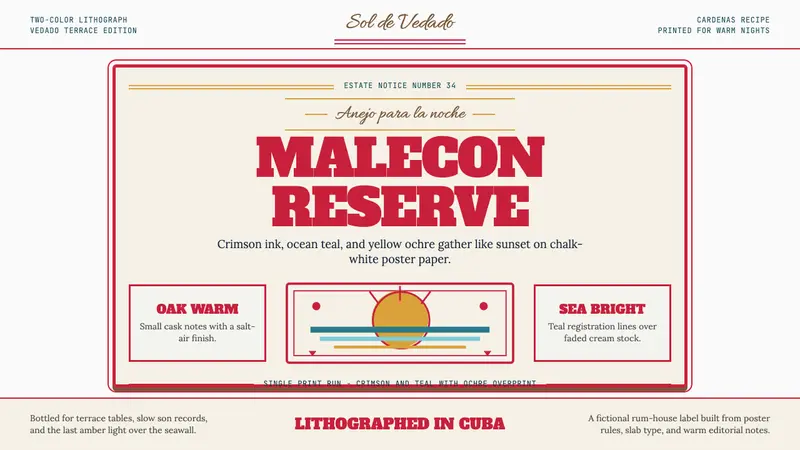 Havana Club Cuban RumSunset in print. Crimson slab type and ocean teal rules age on chalk-white paper.
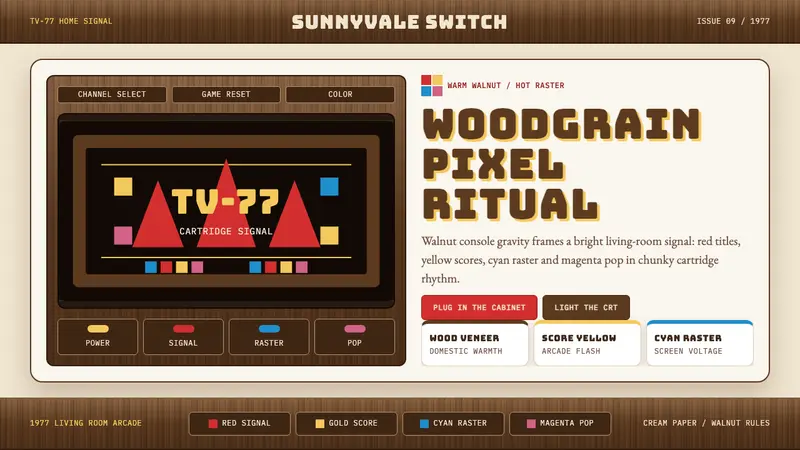 Atari 2600 (Woodgrain)Woodgrain meets raw pixels. Walnut panels frame Bungee type and CMYK raster blocks.
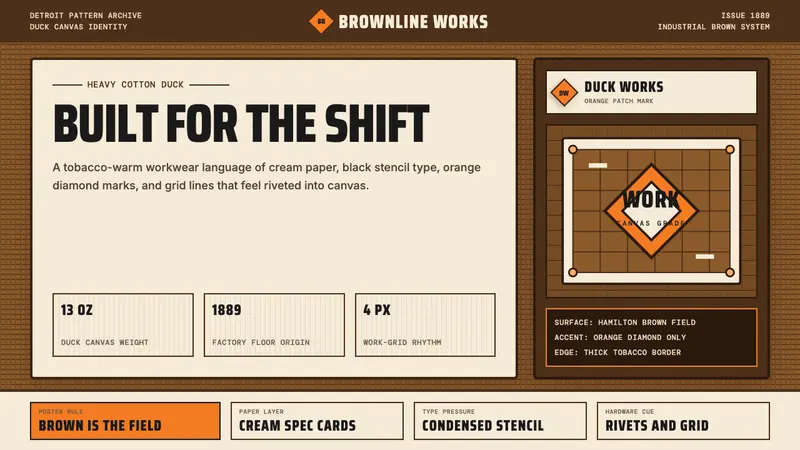 Carhartt Work Jacket Brown (1889)Built like work. Hamilton brown, orange diamond, and condensed type carry canvas weight.
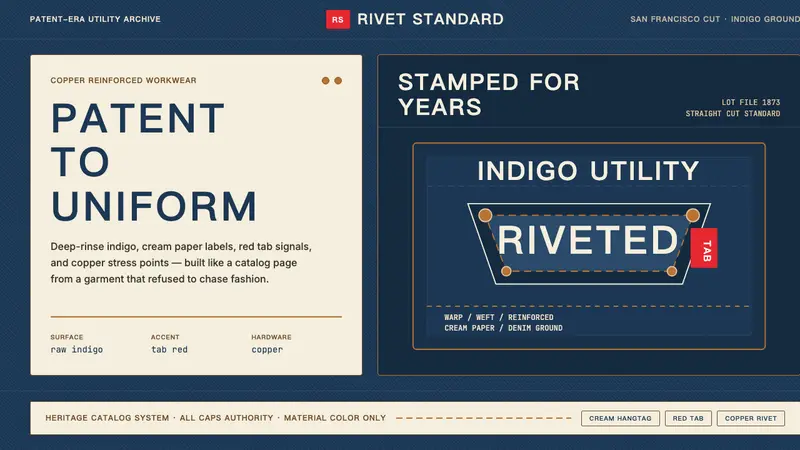 Levi's 501Utility becomes permanent. Indigo ground, cream hangtag panels, red tab and copper rivets.